
To plant daffodil bulbs for beautiful blooms, choose a well-draining location, plant them at a depth of about 6 inches, and provide them with adequate sunlight and water. My own experience with daffodils has shown me that the right care can lead to stunning spring displays. Read Interesting article: When to Plant Daffodil Bulbs for Spring Blooms
Understanding Daffodil Bulbs
What Are Daffodil Bulbs?
Daffodil bulbs are the underground storage organs of the daffodil plant, which is known for its bright, trumpet-shaped flowers that herald spring. These bulbs store the nutrients and energy required for the plant to bloom. When planted correctly, daffodil bulbs can provide a vibrant splash of color in your garden for many years. I remember the first time I planted daffodils; I was amazed at how, just a few months later, my garden transformed into a sea of yellow and white blooms.
Types of Daffodil Varieties
There are many daffodil varieties, each offering unique colors, shapes, and sizes. Some popular types include:
- Trumpet Daffodils: These have a single, long trumpet-shaped flower and are one of the most recognizable types.
- Large-Cupped Daffodils: Featuring a large cup that is more than one-third the length of the petals, these daffodils come in various colors.
- Double Daffodils: Known for their full, fluffy blooms resembling peonies, these are perfect if you want something a bit different.
- Jonquil Daffodils: These have multiple flowers per stem and are known for their sweet fragrance.
- Tazetta Daffodils: Commonly found in clusters, these daffodils are often fragrant and have multiple flowers on each stem.
When I explore my local garden center, I love seeing the variety of daffodil bulbs on display. I often take my time choosing the ones that catch my eye, knowing that each type can create a different mood in my garden.
Characteristics of Healthy Bulbs
Choosing healthy daffodil bulbs is crucial for ensuring strong blooms. Here’s what to look for:
- Firmness: The bulbs should feel solid and firm to the touch, not soft or mushy.
- Color: Healthy bulbs have a creamy or off-white color, while any signs of brown or dark spots can indicate disease.
- Size: Generally, larger bulbs will produce bigger flowers, so I always opt for the biggest ones available.
- No Mold: Avoid bulbs with mold or any unusual odor, as this can be a sign of rot.
During my bulb-shopping trips, I’ve learned to inspect each bulb closely. It’s almost like picking out apples at a farmer’s market; the better the quality, the more satisfying the results will be come spring.
Best Time to Plant Daffodil Bulbs
Ideal Planting Season
The best time to plant daffodil bulbs is in the fall, typically between September and November. This timing allows the bulbs to establish roots before the ground freezes. I remember my first autumn planting; it felt like a secret promise to myself that spring would bring joy and color into my garden. I always mark my calendar to ensure I get them in the ground right on time.
Regional Considerations for Planting
When it comes to planting, regional climates can significantly influence the timing. For instance, in warmer areas, bulbs can be planted as early as late September, while in colder climates, you might want to wait until late October. I’ve found that observing my local weather patterns helps me determine the right moment. Sometimes, I even consult with gardening friends or local experts to get their insight.
Soil Temperature and Conditions
Soil temperature is another important factor to consider. Daffodil bulbs prefer soil temperatures between 50°F and 60°F (10°C to 15°C) for optimal root growth. I always check the soil temperature with a simple thermometer before planting. If the soil is too warm, the bulbs may not establish roots properly, which can lead to poor blooms in the spring.
In my experience, planting in well-draining soil is also key. If the soil is too wet or heavy, it can lead to bulb rot, which is something I’ve unfortunately encountered in the past. Loamy, sandy soil is my favorite because it allows for proper drainage while still holding enough moisture for the bulbs to thrive.
Where to Plant Daffodil Bulbs
Choosing the Right Location
Choosing the right location for your daffodil bulbs is essential. They thrive best in an area that receives full to partial sunlight. When I first started planting, I made the mistake of placing them in a shaded part of my yard. The result was a disappointing display of blooms. Now, I always aim for spots that get at least six hours of sunlight each day.
Sunlight Requirements
Daffodils love the sun, but they can tolerate light shade. However, too much shade can hinder their growth. I’ve noticed that my daffodils bloom much brighter and taller when they soak up the sun’s rays. I often think of them as little sun worshippers, stretching towards the light.
Soil Type and Drainage
Good drainage is crucial for daffodil bulbs. They don’t like sitting in waterlogged soil, which can lead to rot. If your garden soil is heavy clay, consider amending it with sand or organic matter to improve drainage. I learned this the hard way when I lost some beautiful bulbs to soggy conditions. Now, I always test the drainage by digging a small hole and filling it with water. If it drains quickly, I know it’s a good spot.
In my experience, creating the perfect environment for daffodil bulbs can lead to a stunningly colorful spring. With the right knowledge and a little patience, I’ve turned my garden into a daffodil paradise, and I can’t wait to share my journey with you as we dive deeper into each step of the planting process.
How to Prepare for Planting
Gathering Necessary Tools and Materials
Before diving into planting daffodil bulbs, gathering the right tools and materials can make the process a lot smoother. I usually start by collecting a few essentials: a trowel for digging, a garden fork to loosen the soil, and a measuring tape to ensure I plant at the right depth and spacing. Depending on your garden’s size, you might also want a wheelbarrow to transport soil amendments or other materials.
Additionally, having some gloves is a must; I find that they protect my hands while digging and working with soil. If you’re like me and love to keep things organized, a small bucket can be useful for collecting any debris or weeds you might encounter while preparing your planting area. Having these tools at hand not only makes the process more efficient but also more enjoyable. It feels like I’m setting the stage for a beautiful performance come spring!
Preparing the Soil
Once I have my tools ready, the next step is to prepare the soil. Good soil is the foundation for healthy daffodil growth. I start by clearing the area of weeds, rocks, and any debris. I remember the first time I skipped this step; it led to a lot of frustration later when I noticed stunted growth due to competition from weeds.
After clearing the area, I use a garden fork to loosen the soil to a depth of about 12 inches. This helps improve aeration and allows the bulbs to establish their roots more easily. If the soil is heavy clay, which I’ve encountered in my garden, I recommend mixing in organic matter like compost or well-rotted manure. This not only improves drainage but also enriches the soil with nutrients that the bulbs will need. Read Interesting article: How Deep to Plant Daffodil Bulbs: A Gardener’s Guide
Testing Soil pH Levels
Testing the soil pH is another important step, and it’s something I didn’t think much about until I learned how it affects plant health. Daffodils prefer a slightly acidic to neutral pH, ideally between 6.0 and 7.0. You can purchase a simple soil test kit from a garden center or online, which provides an easy way to check your soil’s pH level.
If the pH is too low, I usually add some lime to raise it, while sulfur can be used to lower it if it’s too high. This balance is crucial, as it helps the bulbs take up essential nutrients. From my experience, taking the time to test and adjust the soil can lead to much more vibrant blooms. It’s like giving your daffodils a little extra boost to help them shine their brightest!
Step-by-Step Guide to Planting Daffodil Bulbs
Planting Depth and Spacing
Now that the soil is prepared, it’s time for the fun part: planting! I like to plant my daffodil bulbs about 6 inches deep, which allows them to establish strong roots while protecting them from frost. For me, a simple rule of thumb is to plant them three times as deep as the height of the bulb. This ensures they have the perfect depth to grow.
As for spacing, I usually space the bulbs about 4 to 6 inches apart. I’ve found that this distance gives them enough room to breathe and grow without competing for nutrients. Planting them too closely together can result in overcrowding, which might lead to smaller blooms. I remember one year when I got a little too eager and planted them too close; the result was a patch of daffodils that looked more like a bush than a cluster of blooms!
Planting Techniques
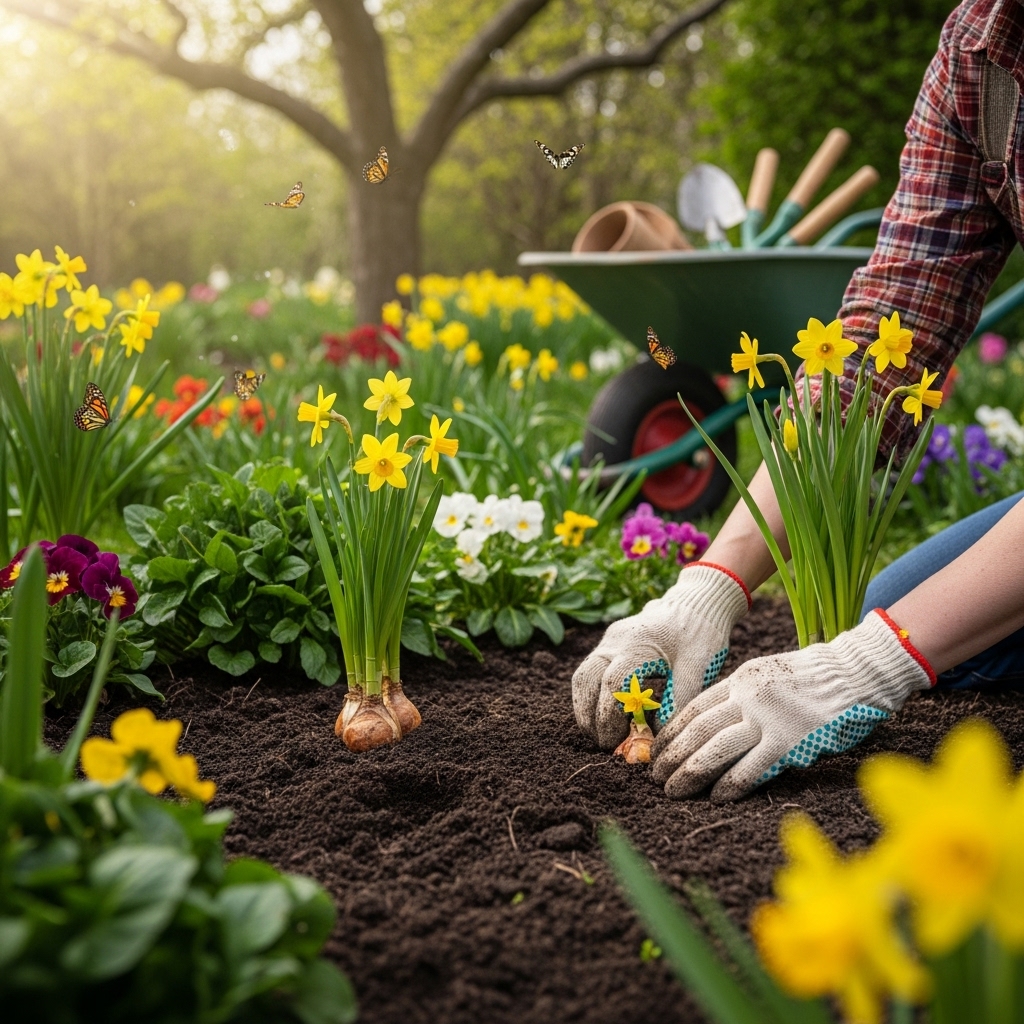
When it comes to planting, I’ve developed a reliable technique. I make a hole in the soil with my trowel, place the bulb in (with the pointed end facing up), and then cover it with soil, gently pressing down to remove any air pockets. I like to give each bulb a little wiggle to make sure they have a snug fit. After planting, I usually give the area a light pat down to ensure the soil is settled, which helps with moisture retention.
On occasion, I’ve also tried planting in groups for a more dramatic effect. I think of it like arranging flowers in a vase; clustering different varieties can create a stunning visual impact. It’s a chance to get creative with color and design!
Watering After Planting
After planting, I always make sure to water the bulbs gently. This helps settle the soil around them and provides necessary moisture for root establishment. I use a watering can with a fine spout or a gentle hose setting to ensure I’m not washing the bulbs out of the ground. It’s a delicate balance; too much water can drown them, while too little can leave them parched.
I keep an eye on the forecast after planting, especially during dry spells. If it doesn’t rain for a while, I’ll water them every few weeks until the ground freezes. This initial watering is like sending a welcoming hug to the bulbs, letting them know they’re in good hands. Following this routine has really helped me achieve strong, healthy daffodils year after year.
Care and Maintenance for Daffodil Bulbs
Watering Guidelines
Once my daffodil bulbs are planted, I make it a point to keep an eye on their watering needs. While it’s essential they get adequate moisture, I’ve learned that overwatering can do more harm than good. After the initial watering, I usually monitor the soil’s moisture level. If it feels dry about an inch below the surface, it’s time to give them a drink. I find that watering early in the morning or later in the evening works best, as this prevents evaporation and allows the bulbs to soak up the moisture they need.
During their growing season, which typically starts in early spring, I water them regularly. However, I’ve found that keeping a schedule helps me avoid the temptation to overdo it. I try to water them every week, especially if the weather has been particularly dry. This consistent care allows the bulbs to thrive, and I can see them reaching for the sun as they grow taller and stronger.
Fertilizing Daffodil Bulbs
Fertilizing is another important aspect of caring for my daffodil bulbs. I usually start by applying a balanced, slow-release fertilizer in early spring as the shoots begin to emerge. This gives them the nutrients they need to bloom beautifully. I remember one year when I skipped this step, thinking the soil would be enough. The blooms were less vibrant than usual, and I realized how much of a difference proper fertilization makes.
I prefer using organic fertilizers because they not only nourish the bulbs but also improve soil health over time. When applying, I sprinkle the fertilizer around the base of the plants, making sure not to let it touch the leaves directly. Afterward, I give the area a light watering to help the nutrients penetrate the soil. This simple process has helped me achieve some of the most stunning daffodil displays in my garden.
Pest and Disease Management
While I love seeing my daffodils flourish, I’ve also had my share of pest issues. I’ve discovered that daffodils aren’t very appealing to many pests, but they can still attract some unwanted visitors like aphids and slugs. I’ve learned to keep a close eye on my plants. Whenever I notice any signs of pests, I act quickly. A gentle spray of soapy water usually does the trick for aphids, while some hand-picking can help with slugs.
Additionally, I’ve found that keeping the area around my daffodils clear of debris can help reduce the risk of diseases. Fungal infections, for example, can occur if the foliage remains wet for too long. To prevent this, I always ensure good air circulation around my plants. If I notice any yellowing leaves or signs of decay, I’ll remove them immediately to prevent any spread of disease. This proactive approach has kept my daffodils healthy and vibrant over the years.
When to Expect Blooms
Blooming Timeline
One of the most exciting parts of growing daffodils is waiting for the blooms to appear. Depending on the variety, I usually see flowers in my garden from late winter to early spring, often around March or April. I remember the first time my daffodils bloomed; it felt like the garden was waking up from a long slumber. The bright yellows and whites were such a welcome sight after the gray winter months.
In my experience, the blooming period can last several weeks, with the flowers gradually opening one by one. I’ve found that keeping track of the specific varieties I planted helps me anticipate the blooms better. Some daffodils bloom earlier, while others take their time, creating a lovely staggered display throughout the season.
Factors Affecting Blooming
Several factors can influence when and how well my daffodils bloom. Weather conditions play a significant role; for instance, a warm spring can lead to earlier blooms, while a late frost can delay them. I’ve learned to be patient, especially if the weather doesn’t cooperate. I often find myself peeking out the window daily, waiting for that first hint of color to break through the soil.
Another factor is the health of the bulbs themselves. Healthy, well-cared-for bulbs tend to produce more vigorous blooms. I’ve seen the difference in my garden after years of proper care—stronger stalks and more vibrant flowers. In addition to this, the soil conditions and the amount of sunlight can affect blooming. I’ve noticed that daffodils planted in well-drained, nutrient-rich soil with plenty of sunlight tend to flourish the best. Paying attention to these details has made all the difference in my daffodil gardening journey.
Frequently Asked Questions
What are daffodil bulbs?
Daffodil bulbs are the underground storage organs of the daffodil plant, known for its bright, trumpet-shaped flowers that herald spring. These bulbs store the nutrients and energy required for the plant to bloom, providing vibrant color in gardens for many years.
When is the best time to plant daffodil bulbs?
The best time to plant daffodil bulbs is in the fall, typically between September and November. This allows the bulbs to establish roots before the ground freezes.
What depth should daffodil bulbs be planted at?
Daffodil bulbs should be planted at a depth of about 6 inches, which helps them establish strong roots while protecting them from frost.
What types of daffodil varieties are available?
Popular types of daffodil varieties include Trumpet Daffodils, Large-Cupped Daffodils, Double Daffodils, Jonquil Daffodils, and Tazetta Daffodils, each offering unique colors, shapes, and sizes.
How can I tell if a daffodil bulb is healthy?
Healthy daffodil bulbs should feel firm, have a creamy or off-white color, be larger in size, and show no signs of mold or unusual odors.
What sunlight requirements do daffodils have?
Daffodils thrive best in full to partial sunlight, requiring at least six hours of sunlight each day for optimal growth. They can tolerate light shade, but too much shade can hinder their blooming.
What soil type is best for planting daffodil bulbs?
Daffodils prefer well-draining soil, ideally loamy or sandy, to prevent waterlogging, which can lead to bulb rot. Amending heavy clay soil with sand or organic matter can improve drainage.
How often should I water daffodil bulbs after planting?
After planting, daffodil bulbs should be watered gently to settle the soil around them. Regular watering is necessary, especially during dry spells, ideally every week until the ground freezes.
What is the typical blooming timeline for daffodils?
Daffodil flowers typically appear from late winter to early spring, around March or April, depending on the variety. The blooming period can last several weeks, with flowers gradually opening.
How can I manage pests and diseases in my daffodil garden?
While daffodils are not very appealing to many pests, they can attract aphids and slugs. Keeping the area clear of debris, acting quickly against pests, and ensuring good air circulation can help manage health issues.