
To achieve big, beautiful blooms from your dahlias, it’s essential to plant the bulbs correctly and provide them with the right care. I’ve learned that the secret lies in understanding their needs and nurturing them throughout the growing season. Read Interesting article: When to Plant Dahlia Bulbs for Big Blooms
Understanding Dahlia Bulbs
What Are Dahlia Bulbs?
Dahlia bulbs are actually tubers that store nutrients and energy for the plant. Unlike traditional bulbs, such as tulips or daffodils, dahlias have a unique structure that allows them to grow vigorously and produce stunning flowers. Each tuber has “eyes” from which new growth emerges, and these tubers can multiply, giving you even more dahlias in subsequent seasons. I remember the first time I planted dahlias; I was amazed at how quickly they sprouted and grew into lush plants.
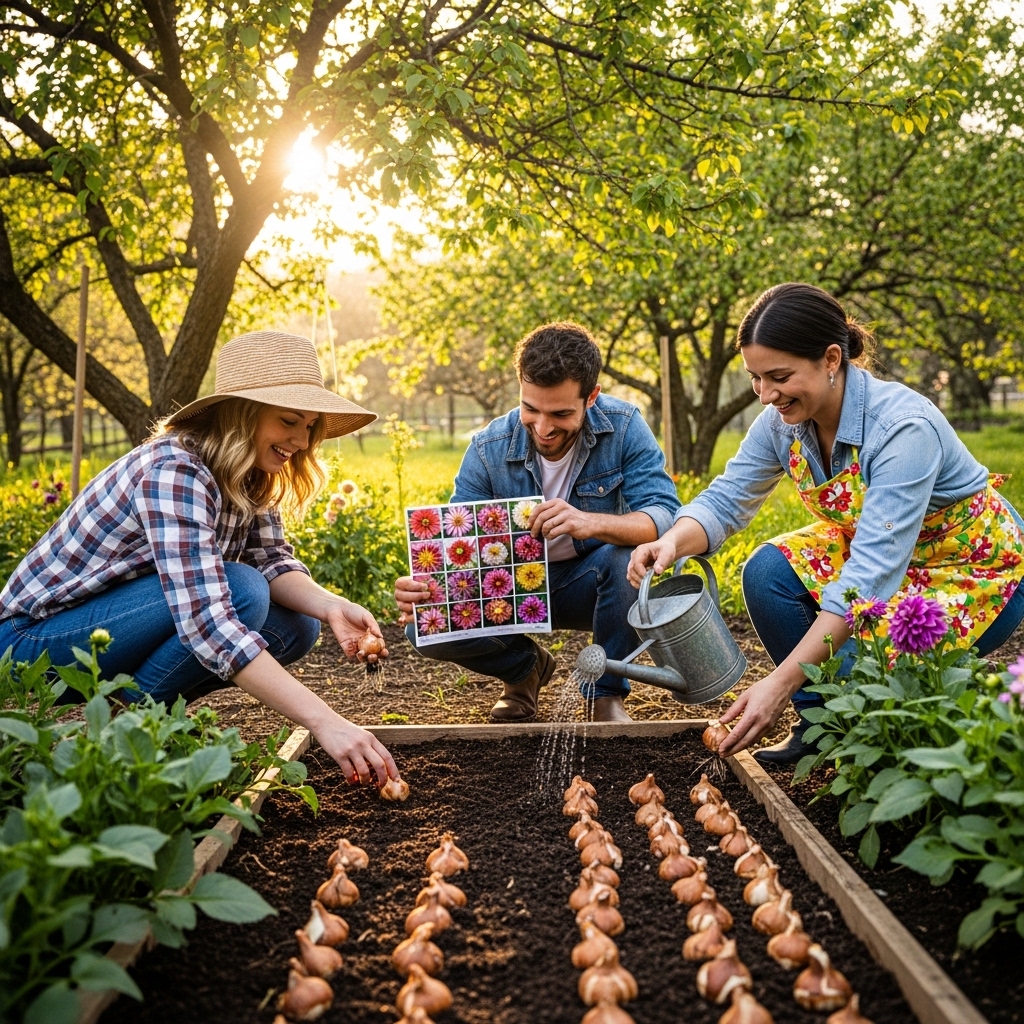
Types of Dahlias
There are numerous types of dahlias, each boasting its unique shapes, sizes, and colors. The most common types include:
- Decorative Dahlias: These are full, round blooms that come in many colors.
- Ball Dahlias: Perfectly spherical blooms that are compact and bushy.
- Cactus Dahlias: These have spiky petals that give them a unique, playful look.
- Pompom Dahlias: Small, round flowers that are super cute and cheerful.
- Single Dahlias: Featuring a single row of petals, these have a more delicate appearance.
When I first started, I was drawn to the vibrant colors and diverse types, and I found myself experimenting with several varieties to see which ones flourished in my garden. Each type has its own charm and can add a different flair to your landscaping.
Benefits of Planting Dahlias
Planting dahlias comes with a host of benefits. For one, they are incredibly versatile. They can thrive in garden beds, borders, or even in containers. Their bright, bold flowers add a splash of color to any space, and they bloom from mid-summer until the first frost, providing a long season of enjoyment. I love how they attract pollinators, such as bees and butterflies, which helps to create a vibrant ecosystem in my garden.
Aside from their beauty, dahlias are also low-maintenance compared to other flowering plants. Once established, they require minimal care, making them perfect for busy gardeners or those who may not have a green thumb. Plus, they can be divided and multiplied, giving you more plants for years to come. It’s like a little gift that keeps on giving!
Preparing to Plant Dahlia Bulbs
Choosing the Right Location
When it comes to planting dahlias, location is key. I’ve found that they thrive in full sun, so selecting a spot that receives at least six hours of sunlight each day is crucial. I remember choosing a sunny corner of my yard, and it made all the difference in the health and vibrancy of the flowers. If you’re unsure, observe the sunlight patterns in your garden throughout the day before deciding.
Soil Requirements
Dahlias prefer well-draining, fertile soil. I learned this the hard way when I first planted them in heavy clay soil, resulting in poor growth and rot. Amend your soil with compost or well-rotted manure to enhance its fertility and drainage capabilities. A pH level between 6.0 and 7.0 is ideal, and I often test my soil before planting to ensure it’s suitable. If you notice any heavy clay, consider raised beds or adding plenty of organic material to improve drainage.
Tools Needed for Planting
Having the right tools makes planting dahlias much easier. Here’s a quick list of what you’ll need:
- Shovel or Trowel: For digging holes and planting the tubers.
- Garden Fork: To loosen the soil and amend it with compost.
- Watering Can or Hose: For watering after planting.
- Mulch: To help retain moisture and suppress weeds.
When I started planting dahlias, I also found having a good pair of gardening gloves handy, as it protects my hands from dirt and thorns while digging and planting. Make sure you have these essentials ready before you begin, and the process will go smoothly!
When to Plant Dahlia Bulbs
Ideal Planting Time
Timing is everything when it comes to planting dahlias. I’ve found that the best time to plant these beautiful tubers is in the spring after the danger of frost has passed. For most regions, this means planting between mid-April and early June. I remember my first year; I was so eager to see those blooms that I wanted to plant them as soon as the snow melted. But, I learned the hard way that patience is key! If you plant too early, the cold soil can stunt their growth or even kill the tubers.
Climate Considerations
Understanding your climate is vital for successful dahlia growth. Dahlias thrive in warmer temperatures, ideally between 70°F to 75°F during the day. I’ve noticed that in cooler climates, it’s best to wait until the soil warms up before planting. If you live in an area with short growing seasons, consider starting your dahlias indoors in pots a few weeks before the last frost. This approach has worked wonders for me, allowing for more extended blooming periods in my garden.
Frost Dates and Their Importance
Knowing your local frost dates is crucial for planting dahlias. I’ve become quite attached to checking the local weather reports, especially in spring. The last frost date can vary significantly from year to year. I remember marking my calendar and closely watching the forecast; it was worth it! If you plant your dahlias too close to a late frost, you risk losing them. I recommend keeping a journal of these dates for future reference, as it helps me plan better each season.
How to Plant Dahlia Bulbs
Step-by-Step Planting Guide
Once the time is right, it’s time to get those dahlia bulbs in the ground! Here’s how I do it:
- Prepare the Soil: Before planting, I always ensure the soil is well-tilled and amended with organic matter. This makes a big difference.
- Dig Holes: Using my shovel or trowel, I dig holes about 4-6 inches deep. I always remember to space the holes about 18-24 inches apart to give the plants room to grow.
- Place the Tubers: Each tuber should be placed with the “eye” facing upwards. I like to gently push them into the soil and cover them lightly.
- Water: After planting, I give them a good watering to help settle the soil around the tubers.
This simple method has always worked for me, ensuring that my dahlias have a solid start! Read Interesting article: How to Plant Bulbs for Beautiful Blooms
Planting Depth and Spacing
As I mentioned earlier, planting depth is crucial. For dahlias, 4 to 6 inches is ideal, depending on the size of the tuber. I also learned that spacing is essential; keeping them 18 to 24 inches apart allows for good air circulation. I once planted them too close together, and it ended up leading to overcrowding and poor blooms. Now I always err on the side of caution and give them plenty of room to flourish.
Watering Techniques
Watering is a big part of the planting process. After planting, I make sure to water the area thoroughly but avoid creating puddles. I’ve found that a gentle spray from my watering can works best to avoid displacing the soil. During the first few weeks, I keep an eye on the moisture level, ensuring the soil remains consistently damp but not soggy. I’ve learned that too much water can lead to rot, so it’s a balance I always strive to maintain.
Caring for Dahlia Plants
Watering and Fertilizing
Caring for dahlias doesn’t stop after planting. Proper watering and fertilizing are crucial to keeping them healthy. I usually water my dahlias once a week, allowing deep soaking to encourage strong root growth. If the weather gets particularly hot, I increase the frequency. Fertilizing is also important; I recommend using a balanced fertilizer every four to six weeks. I’ve found that this helps promote lush foliage and abundant blooms.
Pest and Disease Management
Like any plant, dahlias can be susceptible to pests and diseases. I’ve encountered aphids and spider mites before, and they can be a real hassle. My go-to method is to check the plants regularly for any signs of trouble. If I spot pests, I use insecticidal soap or neem oil to treat them. Additionally, I’ve learned that ensuring good air circulation around my plants can help prevent diseases like powdery mildew. I try to keep the area around my dahlias clear of debris and weeds, as this makes a big difference.
Supporting Tall Varieties
If you’re growing tall varieties of dahlias, support is essential. I remember watching my beautiful blooms bend and break in the wind because I hadn’t staked them properly. Now, I use sturdy stakes or cages to provide extra support as they grow. I always place these supports at planting time to avoid disturbing the roots later. It’s a small step that pays off immensely when those stunning blooms start to emerge.
Encouraging Big Blooms
Pruning and Deadheading
One of the most rewarding aspects of growing dahlias is witnessing their stunning blooms. To encourage big, beautiful flowers, I’ve learned that regular pruning and deadheading are essential. Deadheading is the process of removing spent blooms, which promotes further flowering. I remember when I first started, I was hesitant to cut anything off my plants, but I quickly realized that it actually encourages them to produce more buds. Every week or so, I check my dahlias and snip off any wilting flowers. This keeps the plants looking tidy and allows them to focus their energy on creating new blooms.
Pruning is slightly different; it helps shape the plant and encourages bushier growth. I often pinch back the tips of the stems when the plants are around a foot tall. This process encourages side branching, which ultimately results in more flowers. I find that a little bit of maintenance goes a long way in enhancing the overall appearance and bloom production of my dahlias.
Sunlight Requirements
As I mentioned earlier, dahlias love sunlight, and I’ve learned that providing them with enough light is crucial for encouraging big blooms. These plants thrive in full sun, ideally receiving at least six to eight hours of direct sunlight each day. I remember one year, I planted some dahlias in a partially shaded area, thinking they would do just fine. Unfortunately, the blooms were smaller and fewer than those in the sunniest spots. Since then, I always ensure that my dahlias are basking in sunlight. If you notice that your plants are stretching or leaning toward the light, it’s a sign they might need more sun. Adjusting their location or trimming back nearby plants can help maximize their exposure.
Seasonal Care Tips
Throughout the growing season, there are several care tips I’ve found helpful in promoting healthy growth and big blooms. Regularly checking the moisture level in the soil is key, especially during hot summer months. I’ve learned that deep, infrequent watering is better than frequent light watering. This encourages the roots to stretch deeper into the soil, promoting stronger growth. I usually water my dahlias in the early morning to allow any excess moisture to evaporate during the day, preventing rot.
Additionally, mulching around the base of the plants can help retain moisture and regulate soil temperature. I often use organic mulch, such as shredded leaves or straw, which breaks down over time and adds nutrients back into the soil. I also keep an eye on the overall health of my plants. If I notice any nutrient deficiencies, I might apply a liquid fertilizer to give them a little extra boost.
Common Mistakes to Avoid
Overwatering vs. Underwatering
Finding the right balance when it comes to watering can be tricky. I’ve experienced both overwatering and underwatering, and each comes with its challenges. Overwatering can lead to root rot, which is a death sentence for dahlias. I remember one season where I was overly enthusiastic and watered my plants every day. The leaves started to yellow, and I quickly realized my mistake. Now, I check the soil moisture with my fingers; if the top inch feels dry, it’s time to water. On the flip side, underwatering can also be detrimental. During hot periods, I’ve learned to monitor my plants more closely, ensuring they receive adequate moisture. It’s all about finding that sweet spot—consistent, but not excessive watering.
Planting Too Early or Late
Timing can make or break your dahlia experience. As I mentioned, I once got too excited and planted my dahlias too early, and the frost ended up ruining my efforts. It’s essential to pay attention to the weather and the frost dates in your area. I’ve learned to mark my calendar and stay updated on local forecasts to ensure I plant at the right time. On the other hand, waiting too long can also limit the blooming season. If you live in a region with a short growing season, consider starting your dahlias indoors for a head start. This strategy has worked wonders for me, allowing my flowers to bloom earlier and longer.
Ignoring Soil Quality
Soil quality is another factor I can’t stress enough. I’ve made the mistake of planting directly into poor-quality soil, and the results were disappointing. Dahlias thrive in well-drained, nutrient-rich soil. I always take the time to amend my soil with organic matter like compost before planting. Not only does it improve drainage, but it also adds essential nutrients. I’ve found that investing a little time in soil preparation pays off exponentially with healthier plants and more vibrant blooms. If you’re unsure about your soil quality, consider doing a soil test; it’s a small step that can guide your gardening decisions.
Harvesting and Storing Dahlia Bulbs
When to Harvest Dahlias
As the season comes to a close, one of the most exciting parts is harvesting those beautiful blooms. For me, the best time to harvest dahlias is when the flowers are fully opened and vibrant. I usually wait until the morning after the dew has dried, making it easier to handle the plants without damaging them. I’ve found that cutting the flowers at a 45-degree angle not only helps them absorb water better but also encourages further blooming. I often take the time to enjoy the blooms in a vase, which serves as a lovely reminder of the hard work I put into growing them.
How to Properly Store Bulbs
After the first frost, it’s time to dig up the tubers for winter storage. I carefully remove them from the soil, ensuring I don’t damage any of the tubers. Once harvested, I rinse off any excess soil and let them dry for a few hours. I then store them in a cool, dark, and dry place, preferably in peat moss or vermiculite to prevent moisture build-up. I’ve learned that labeling each tuber with its variety helps me keep track of what I have for the next planting season. Proper storage is crucial to ensure they remain healthy and viable for the next year.
Preparing for Next Season
As the gardening season wraps up, I always take the time to reflect on what worked and what didn’t. I keep a gardening journal documenting my experiences, successes, and challenges. This has been invaluable for planning next year’s garden layout and bulb selection. I also take note of any lessons learned, whether it’s about pest management or specific dahlia varieties that thrived in my garden. Preparing for the next season is just as important as the growing season itself, and I find that staying organized helps me feel ready for the exciting journey ahead. Read Interesting article: Hvor lang tid tager det for kartoffelplanter at vokse? Tidslinje guide
Frequently Asked Questions
What are dahlia bulbs?
Dahlia bulbs are actually tubers that store nutrients and energy for the plant. Unlike traditional bulbs, dahlias have a unique structure that allows them to grow vigorously and produce stunning flowers.
What are the common types of dahlias?
The most common types of dahlias include Decorative Dahlias, Ball Dahlias, Cactus Dahlias, Pompom Dahlias, and Single Dahlias, each with its unique shapes, sizes, and colors.
What are the benefits of planting dahlias?
Planting dahlias offers versatility, as they can thrive in various locations and bloom from mid-summer until the first frost. They attract pollinators, are low-maintenance, and can be divided and multiplied for more plants in subsequent seasons.
What are the soil requirements for dahlias?
Dahlias prefer well-draining, fertile soil with a pH level between 6.0 and 7.0. Amending the soil with compost or well-rotted manure enhances its fertility and drainage capabilities.
When is the ideal time to plant dahlia bulbs?
The best time to plant dahlia bulbs is in the spring after the danger of frost has passed, typically between mid-April and early June, depending on the region.
How deep should dahlia bulbs be planted?
Dahlia bulbs should be planted about 4 to 6 inches deep, depending on the size of the tuber. Spacing them 18 to 24 inches apart allows for good air circulation.
How often should dahlias be watered?
Dahlias should be watered once a week, allowing for deep soaking to encourage strong root growth. During hot weather, the frequency may need to be increased.
What are common pests and diseases that affect dahlias?
Dahlias can be susceptible to pests like aphids and spider mites, as well as diseases like powdery mildew. Regularly checking for signs of trouble and ensuring good air circulation can help manage these issues.
When should dahlia tubers be harvested?
Dahlia tubers should be harvested when the flowers are fully opened and vibrant, typically after the first frost. Cutting the flowers at a 45-degree angle encourages further blooming.
How should dahlia bulbs be stored for winter?
After harvesting, dahlia tubers should be rinsed, dried, and stored in a cool, dark, and dry place, preferably in peat moss or vermiculite to prevent moisture build-up.