
The key to planting dahlia tubers for big blooms lies in proper preparation, planting techniques, and ongoing care. By following the right steps, you can cultivate stunning dahlias that will brighten up your garden and home. If you want to learn more about these beautiful flowers, check out the article on Dahlia Flower – Meaning, Symbolism, Colors & What Special About It.
Understanding Dahlia Tubers
What are Dahlia Tubers?
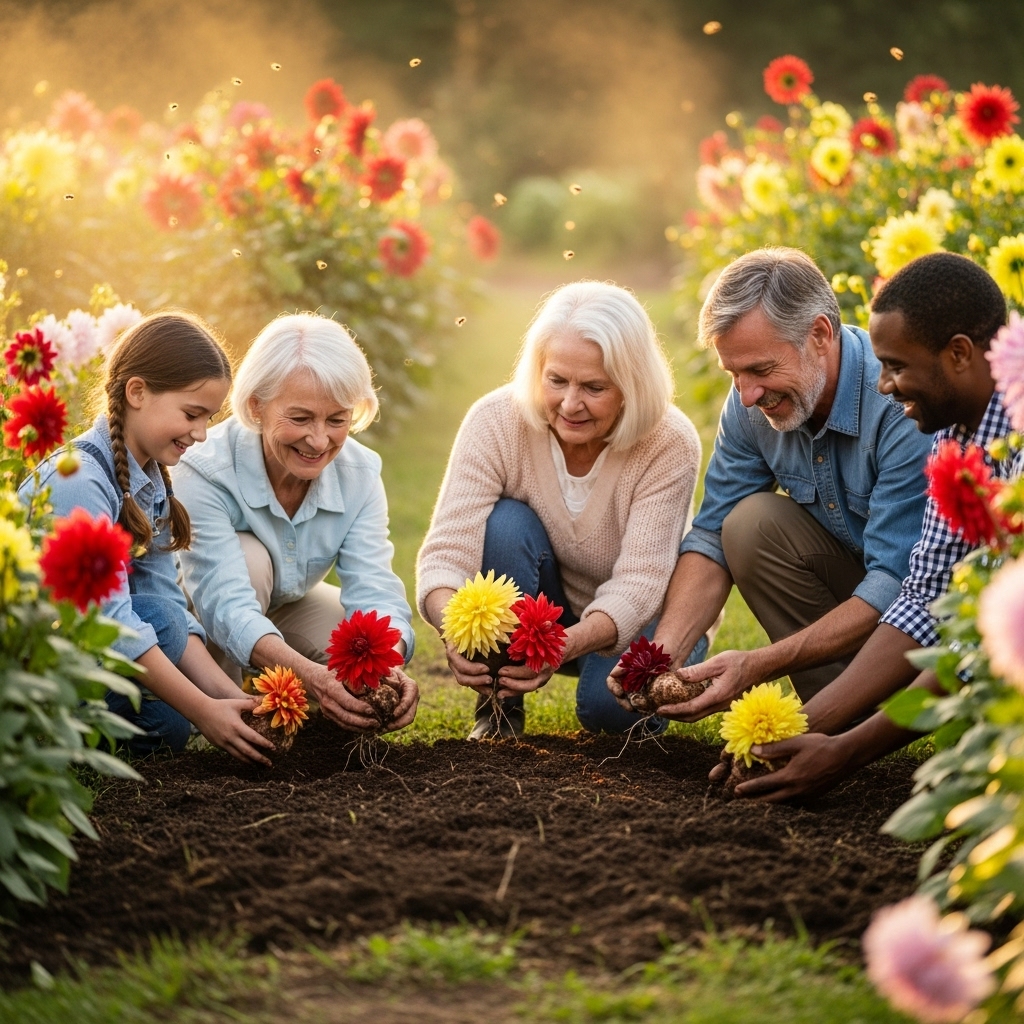
Dahlia tubers are the underground storage organs of the dahlia plant, a perennial flower known for its vibrant colors and intricate shapes. These tubers store nutrients and energy, allowing the plant to thrive and produce stunning blooms during the growing season. When we plant tubers in the spring, we give the dahlia plant a head start, ensuring a bountiful display of flowers by summer.
Different Types of Dahlia Tubers
As someone who has dabbled in dahlia gardening, I’ve come across various types of dahlia tubers, each producing unique blooms. Dahlias come in a range of sizes, shapes, and colors, which can be divided into several categories:
- Decorative Dahlias: These have broad, flat petals and come in various colors. They are perfect for creating a lush garden.
- Cactus Dahlias: Featuring spiky, pointed petals, these dahlias add an interesting texture to arrangements.
- Ball Dahlias: With their round, compact blooms, ball dahlias make a great choice for small spaces.
- Pompon Dahlias: Similar to ball dahlias but smaller, they are perfect for bouquets and arrangements.
- Single Dahlias: These have a more open structure and often resemble daisies, adding a whimsical touch to gardens.
Each type has its own charm, and I love experimenting with different varieties to see what works best in my garden.
Why Choose Dahlias for Your Garden?
I believe dahlias are fantastic additions to any garden for several reasons. Their blooms are not just beautiful but come in an incredible variety of colors and shapes, making them versatile for any garden design. They can serve as focal points or complement other plants perfectly. In my experience, dahlias also have a relatively long flowering period, often blooming from mid-summer to the first frost. This means you can enjoy their beauty for months! Plus, they attract pollinators like bees and butterflies, which is a bonus for anyone looking to encourage wildlife in their garden. If you’re curious whether dahlias are annuals or perennials, you can find out more in this article: Are Dahlias Annuals or Perennials? – Know Everything.
Preparing to Plant Dahlia Tubers
When is the Best Time to Plant Dahlia Tubers?
Timing is crucial when it comes to planting dahlia tubers. I find that the best time to plant them is in the spring, after the frost has passed and the soil has warmed up—typically around late April to early May in many regions. I keep an eye on local weather forecasts to ensure I’m not planting too early, as dahlias don’t like cold, wet soil.
Choosing the Right Location in Your Garden
When selecting a spot for my dahlias, I always look for a location that gets plenty of sunlight—at least 6 to 8 hours of direct sunlight per day. Dahlias thrive in bright, warm conditions. I also prefer a place that has some protection from strong winds, as their tall stems can be vulnerable. It’s important to consider their height when planning the layout, as I’ve learned the hard way that taller varieties can overshadow shorter plants!
Soil Requirements for Dahlias
Dahlia tubers prefer well-draining soil rich in organic matter. I usually mix in compost or well-rotted manure to enrich the soil before planting. The ideal pH for dahlias is around 6.0 to 7.0. To test my soil, I use a simple pH test kit, which can be found at garden centers. Good drainage is essential; I’ve seen tubers rot in waterlogged soil, so if your garden has heavy clay, consider raised beds to improve drainage.
Gathering Necessary Tools and Supplies
Before I start planting, I make sure to gather all the necessary tools and supplies to make the process smoother. Here’s what I usually prepare:
- Garden spade or trowel for digging
- Gloves to protect my hands
- Compost or well-rotted manure
- Watering can or hose
- A marker or labels to track different dahlia varieties
Having everything on hand saves me time and allows me to focus on planting and caring for my dahlias, rather than running back and forth to the shed.
Steps for Planting Dahlia Tubers
How to Prepare the Soil
Preparing the soil is one of my favorite parts of planting. I start by loosening the soil to a depth of about 12 inches. This can be done with a garden spade or tiller. After loosening, I mix in compost to enhance fertility. I also remove rocks and weeds to create a clean planting area, since competition for nutrients can affect dahlia growth. In my garden, I often add a bit of bone meal to the soil; it provides phosphorus, which promotes healthy root development.
How to Plant Dahlia Tubers
Now comes the fun part—planting the tubers! I make sure to plant the tubers when the soil temperature is consistently above 60°F. Here’s how I do it:
Planting Depth and Spacing
I dig a hole about 6 to 8 inches deep for each tuber. Depending on the size of the tuber and the variety, I usually space them 18 to 24 inches apart to allow for growth. This spacing helps ensure that each plant gets enough sunlight and air circulation, which I’ve learned is vital for preventing disease.
Orientation of the Tubers
When placing the tuber in the hole, I make sure the “eyes” or growth points are facing upwards. This may seem small, but I’ve found that planting them upside down can delay growth. After placing the tuber, I gently cover it with soil and press down lightly to eliminate air pockets.
Watering After Planting
Once the tubers are planted, I give them a good drink of water to help settle the soil. I always water the tubers thoroughly but try to avoid soaking them too much, as this can lead to rot. It’s important to keep the soil evenly moist but not soggy during the initial weeks, which helps the tubers establish themselves. As the plants start to grow, I adjust my watering routine based on weather conditions and soil moisture levels.
Care and Maintenance for Big Blooms
Watering Guidelines for Dahlias
Watering is one of the most crucial aspects of caring for dahlias. I’ve learned that striking the right balance is key. Once the plants are established, I typically water them about once a week, but I adjust this based on the weather. During hot, dry spells, I find that I may need to water more frequently. I make sure to soak the soil deeply to encourage the roots to grow downwards. This helps the plants become more resilient in the heat. I like to water in the morning, which gives the plants time to absorb moisture before the sun gets too strong. Watering in the evening can sometimes lead to fungal issues, so I’ve steered clear of that practice.
Fertilizing Dahlias for Optimal Growth
Fertilizing my dahlias has been a game changer for their growth and blooming. I’ve found that a balanced fertilizer works wonders. I usually apply a fertilizer with a ratio like 5-10-10, which supports strong blooms without promoting too much foliage. Right after planting, I like to mix some slow-release granular fertilizer into the soil. Then, I give my dahlias another boost with a liquid fertilizer every four to six weeks as they grow. This has really helped me achieve those big, beautiful blooms that I love so much. Just like with watering, I pay close attention to the plants; if they look a bit yellow or stunted, it’s usually a sign they need more nutrients.
Supporting Your Dahlias as They Grow
Dahlias can get quite tall, and I’ve learned the hard way that they need some support to keep them upright, especially when they’re in full bloom. I usually stake my dahlias when they’re about a foot high. I’ve found that bamboo stakes work well, and I use soft ties to secure the stems without damaging them. This is crucial, especially for the larger varieties. I remember one season when I didn’t stake them early enough, and a heavy rain knocked many of them over. It was such a disappointment! Now, I make it a point to check on my dahlias regularly and adjust the stakes as needed. This way, they can stand tall and showcase their stunning blooms without any worries.
Pest and Disease Management
Keeping my dahlias healthy also means being vigilant about pests and diseases. I’ve encountered a few common pests, like aphids and spider mites. Early detection is key, so I spend time examining the leaves and stems. If I see any infestations, I usually spray them with insecticidal soap or a neem oil solution. I also try to introduce beneficial insects, like ladybugs, which help to keep pests in check naturally.
Another issue I’ve faced is powdery mildew. It tends to show up when the weather is warm and humid. To prevent this, I ensure my plants have good air circulation by spacing them appropriately and avoiding overhead watering. If I do notice powdery mildew, I spray a mixture of baking soda and water on the affected areas, which has proven effective for me. Keeping an eye on my dahlias and taking proactive steps has made a huge difference in maintaining their health and vibrancy.
Harvesting and Enjoying Your Dahlias
When to Harvest Dahlias
One of the most rewarding parts of growing dahlias is the harvest. I watch eagerly as the blooms develop and begin to take on their full colors. Typically, I find the best time to cut dahlias is in the morning when the blooms are fully open but not yet wilting. This ensures the flowers are at their freshest. I’ve learned that waiting too long can lead to droopy blooms, so I keep an eye on them. I cut the stems at an angle, about 12 to 18 inches long, which helps the flowers absorb water better after being cut.
How to Cut Dahlias for Bouquets
Creating bouquets with my dahlias is something I truly enjoy. I always make sure to use clean, sharp scissors or garden shears to avoid damaging the stems. I find that combining different varieties and colors creates stunning arrangements. I often pair them with some greenery from my garden, like eucalyptus or ferns, which adds a nice contrast. Once I’ve made my arrangements, I place them in water immediately to keep them fresh. I also change the water every couple of days and trim the stems slightly to prolong their life. It’s amazing how a little care can keep those beauties looking vibrant for weeks!
Storing Dahlia Tubers for Next Season
After the growing season ends, and the first frost hits, it’s time to dig up the tubers for storage. This part can be bittersweet for me, as I say goodbye to my beautiful blooms until next year. I carefully lift the tubers from the ground using a garden fork, being careful not to damage them. I brush off any excess soil and allow them to dry for a day or two in a cool, shaded area. Once they’re dry, I store them in a cardboard box or paper bags, making sure to keep them in a cool, dark place. I’ve found that wrapping each tuber in newspaper helps keep them protected during winter. It’s a little work, but knowing I’ll have a fresh start with my dahlias in the spring makes it all worthwhile!
Common Questions About Planting Dahlia Tubers
Can I Plant Dahlia Tubers in Containers?
Absolutely! I’ve actually found that growing dahlias in containers can be a fantastic option, especially if you have limited space or want to add some color to a patio or balcony. When I decided to try container gardening, I learned a few tips that made a big difference. Firstly, I ensure that I use a pot that’s at least 12 to 16 inches in diameter. This gives the tubers enough room to grow and establish healthy roots.
It’s essential to choose a pot with good drainage holes to prevent waterlogging, as dahlias don’t like sitting in soggy soil. I fill the container with a mix of potting soil and compost for that organic goodness. One thing I particularly enjoy about container planting is that I can easily move the pots around to find the perfect sunlight. Just remember to water regularly, especially during hot spells, as containers can dry out faster than garden beds.
What to Do if My Dahlias Aren’t Blooming?
This is a question I’ve faced more than once in my gardening journey. If my dahlias aren’t blooming, I start by reviewing a few key factors. First, I check their sunlight exposure. Dahlias need at least six hours of direct sunlight daily, so I make sure they’re not overshadowed by taller plants or structures. Next, I consider the watering schedule; too much or too little water can hinder blooming. I adjust my watering if the soil seems too dry or overly wet.
Another aspect I pay attention to is fertilization. If I notice that the foliage is lush but there are no flowers, it might be a sign that I need to reduce the nitrogen in my fertilizer. I often switch to a fertilizer that is higher in phosphorus and potassium, as these nutrients encourage blooming.
Lastly, I check for any signs of pests or disease that could be affecting the plant’s health. If everything seems in order but there are still no blooms, I remind myself that some varieties may simply take longer to flower. Patience is key in gardening!
How to Overwinter Dahlia Tubers?
Overwintering dahlias is a bit of a ritual for me, and I actually look forward to it every year as it means preparing for the next season. Once the first frost hits, I carefully dig up the tubers, just like I mentioned earlier. After brushing off the excess soil, I allow them to dry in a shaded area for a day or two. This step is crucial because it helps to prevent rot during storage.
I store my tubers in a cardboard box or paper bags, ensuring they’re kept in a cool, dark place where temperatures remain above freezing but not too warm. I’ve learned that wrapping the tubers in newspaper helps to insulate them and protect them from light. I check on them occasionally throughout the winter to ensure they’re still firm and healthy, discarding any that seem to have gone bad.
In my experience, the best way to ensure a successful overwintering process is to keep the tubers dry and cool. I’ve made the mistake of storing them in plastic bags before, and that led to rot. Now, I stick to my tried-and-true methods for a successful start to the next growing season. Knowing that I’ll have beautiful dahlias to look forward to always makes the effort worth it!
Frequently Asked Questions
What are Dahlia Tubers?
Dahlia tubers are the underground storage organs of the dahlia plant, a perennial flower known for its vibrant colors and intricate shapes. They store nutrients and energy, allowing the plant to thrive and produce stunning blooms during the growing season.
When is the best time to plant dahlia tubers?
The best time to plant dahlia tubers is in the spring, after the frost has passed and the soil has warmed up—typically around late April to early May in many regions.
How deep should I plant dahlia tubers?
You should dig a hole about 6 to 8 inches deep for each tuber when planting them.
What type of soil do dahlias prefer?
Dahlia tubers prefer well-draining soil rich in organic matter with an ideal pH of around 6.0 to 7.0.
How often should I water my dahlias?
Once the plants are established, you should typically water dahlias about once a week, adjusting based on weather conditions. During hot, dry spells, more frequent watering may be necessary.
What kind of fertilizer is best for dahlias?
A balanced fertilizer with a ratio like 5-10-10 supports strong blooms without promoting too much foliage. It’s beneficial to mix slow-release granular fertilizer into the soil after planting and to apply liquid fertilizer every four to six weeks as they grow.
How can I support my dahlias as they grow?
You should stake your dahlias when they are about a foot high using bamboo stakes and soft ties to secure the stems. This helps prevent them from falling over, especially in wet weather.
When is the best time to harvest dahlias?
The best time to cut dahlias is in the morning when the blooms are fully open but not yet wilting. This ensures the flowers are at their freshest.
Can I plant dahlia tubers in containers?
Yes, growing dahlias in containers is a fantastic option, especially for limited spaces. Use a pot that’s at least 12 to 16 inches in diameter with good drainage holes to prevent waterlogging.
How should I store dahlia tubers for the next season?
After the first frost, dig up the tubers and allow them to dry in a cool, shaded area for a day or two. Store them in a cardboard box or paper bags in a cool, dark place, ideally wrapped in newspaper to protect them during winter.