
To plant elephant ear bulbs for huge leaves, choose a sunny location, prepare the soil well, and plant them during the warm growing season. With proper care, these plants can grow impressively large leaves, creating a tropical feel in your garden.
Understanding Elephant Ear Plants
What are Elephant Ear Bulbs?
Elephant ear bulbs are the underground storage organs of perennial plants known for their oversized, heart-shaped leaves. They belong to the genera Colocasia and Alocasia, which are often grouped together due to their similar appearance and growing needs. I remember the first time I encountered these giant foliage plants; I was captivated by their lush, tropical vibe, which instantly transported me to a serene, exotic paradise. These bulbs are typically planted in spring when the soil warms up, allowing the plants to establish robust root systems that support their impressive foliage. Read Interesting article: Elephant Ear Plant Broken Stem: 6 Effective Solutions
Types of Elephant Ear Plants
There are several types of elephant ear plants, each with unique characteristics and growing requirements. The most common types include Colocasia esculenta, also known as taro, and Alocasia amazonica, known for its striking, glossy leaves. I’ve experimented with both types in my garden, and each has its charm. Colocasia tends to be hardier and can tolerate wet conditions, while Alocasia prefers drier soil and can be a bit more finicky, but the reward is absolutely stunning foliage.
Common Varieties and Their Features
Within these types, there are numerous varieties with distinct features. For example, ‘Black Magic’ Colocasia boasts deep purple-black leaves, while ‘African Mask’ Alocasia showcases striking, sculptural leaves with prominent veins. I have found that mixing a few varieties can create a breathtaking display of colors and textures in any garden. Other popular varieties include ‘Hawaiian Punch,’ known for its striking red stems and vibrant green leaves, and ‘Mojito,’ which features leaves that look like a refreshing cocktail blend of greens. Each variety brings its flair, and experimenting with them can be a rewarding journey in plant gardening. Additionally, understanding the difference between animal and plant cells can enhance your appreciation of these fascinating plants.
Choosing the Right Location for Planting
Sunlight Requirements
Finding the perfect spot for planting elephant ear bulbs is crucial for their growth and leaf size. These plants thrive in full sun to partial shade, with a preference for bright, indirect sunlight. In my experience, placing them in an area that receives at least 6 hours of sunlight a day leads to the best results. However, in hotter climates, I’ve noticed that they appreciate some afternoon shade to prevent leaf scorch. If you’re unsure, start by observing how much sunlight the area gets throughout the day before making a final decision.
Soil Conditions and Preparation
Next, the soil conditions play a significant role in the health of your elephant ear plants. They prefer rich, loamy soil that retains moisture while still draining well. To prepare the soil, I recommend mixing in compost or well-rotted manure; this not only improves the soil structure but also provides essential nutrients. When I first started gardening, I learned the hard way that compacted soil can stunt growth, so I always ensure to loosen the soil to a depth of about 12 inches before planting. This makes it easier for the roots to spread and absorb nutrients efficiently.
Drainage Considerations
Drainage is another critical factor to consider when planting elephant ear bulbs. While they enjoy moist conditions, sitting in water can lead to rot. I’ve found that creating raised beds or mounding the soil can help with drainage, especially in areas prone to heavy rains. Another trick I learned is to add a layer of gravel or coarse sand at the bottom of the planting hole, allowing excess water to drain away from the bulbs. Ensuring that your planting area has good drainage will set the stage for your elephant ear plants to thrive.
When to Plant Elephant Ear Bulbs
Ideal Planting Season
Timing can make all the difference when planting elephant ear bulbs. I’ve found that the best time to plant these beauties is in the spring, after the last frost has passed. Typically, this means waiting until the soil temperature reaches around 65°F (18°C). In my gardening experiences, I’ve seen that planting too early can lead to disappointing results, as the bulbs won’t thrive in chilly soil. When I finally figured out the right timing, it felt like a game-changer for my garden. Watching them burst to life once the weather warms up is truly magical!
Climate Considerations
Understanding your local climate is also essential for planting elephant ear bulbs successfully. These plants thrive in tropical and subtropical climates, but I’ve learned that with a bit of extra care, they can also flourish in temperate regions. If you live in a cooler area, consider starting the bulbs indoors a few weeks before the last frost. I’ve done this several times, and it gives the plants a head start. As they grow, the anticipation of moving them outdoors becomes part of the fun! If you’re in a warmer climate, you can plant them directly in the garden once the threat of frost has passed.
Frost Dates and Soil Temperature
Knowing the average frost dates in your area can help you determine the best time to plant. I always keep a calendar or an app handy to track these dates because nothing is more disheartening than seeing my hard work get nipped by an unexpected frost. In addition to frost dates, it’s crucial to monitor the soil temperature. I use a simple soil thermometer to check, and it’s made a world of difference. If the soil is too cold, I’ve found that the bulbs tend to rot or fail to sprout. Once I’ve ensured both factors align, that’s when I get excited about planting my elephant ears!
How to Plant Elephant Ear Bulbs
Preparing the Bulbs for Planting
Once the timing is right, it’s time to prepare the bulbs. I always inspect mine for signs of damage or rot before planting. Healthy bulbs will feel firm and solid. If I notice any soft spots, I simply cut them away with a clean knife. I also like to soak the bulbs in water for a few hours before planting. This helps rehydrate them and gives them the best chance to flourish. The first time I did this, I was amazed at how much more vibrant my plants looked compared to my previous attempts!
Steps for Planting the Bulbs
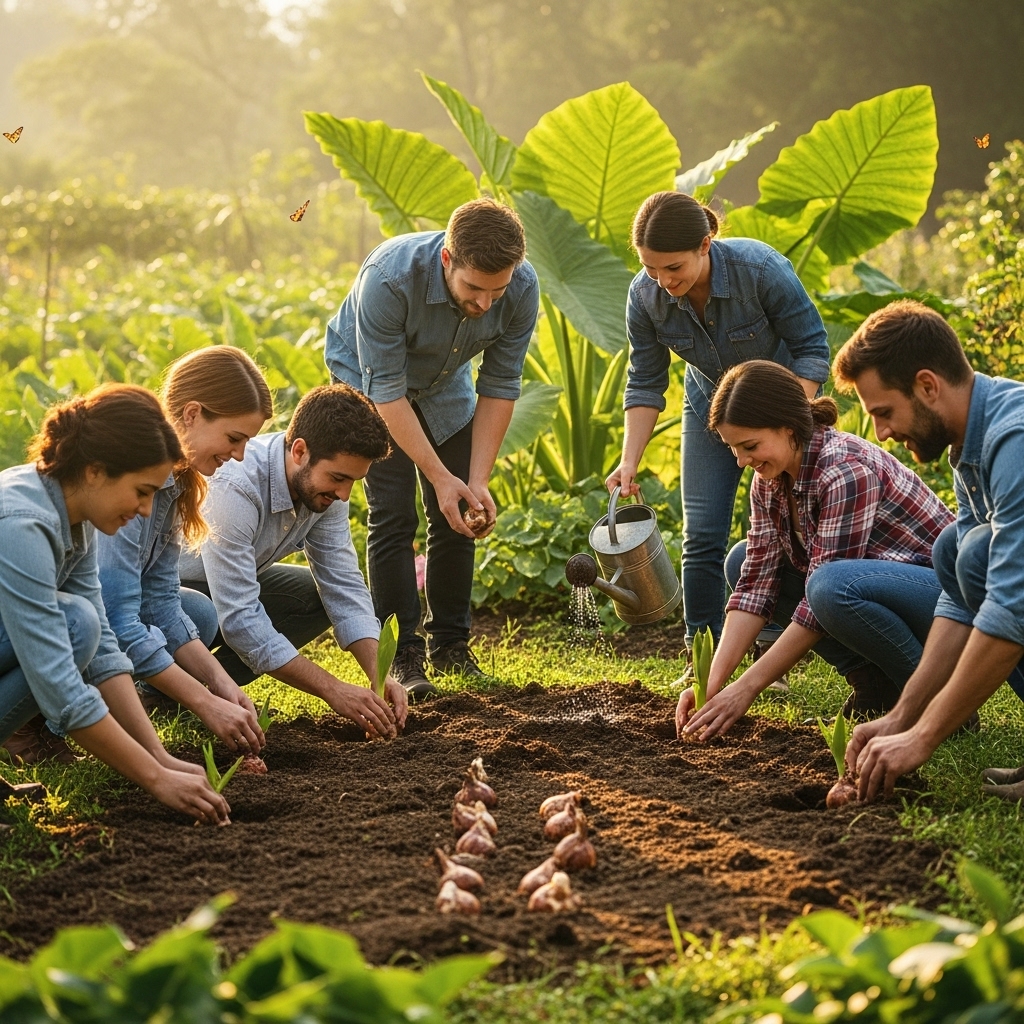
Planting the bulbs is straightforward, but I’ve learned to follow several key steps. First, I dig holes that are about 4 to 6 inches deep, depending on the size of the bulb. I’ve found that the larger the bulb, the deeper the hole should be. Then, I place the bulb in the hole with the pointed end facing up. I cover it with soil and gently pat it down to ensure good contact. One little trick I’ve picked up is to label each bulb with a small marker or stake, especially if I’m planting different varieties. This way, I can easily keep track of what’s what as they grow.
Spacing and Depth Guidelines
Spacing is another crucial factor for successful elephant ear growth. I usually give them at least 3 to 4 feet of space apart to ensure they have room to spread and grow those impressive leaves. When I first started planting them too close together, I noticed they competed for resources and didn’t reach their full potential. So now, I make sure to follow these guidelines carefully. After planting, I always water them well to settle the soil around the bulbs. It’s a simple step, but I’ve seen firsthand how it can impact overall growth!
Care and Maintenance for Huge Leaves
Watering Needs
Watering is vital for the health of elephant ear plants. They love moisture, and I’ve learned that keeping the soil consistently damp is key. In hot weather, I find myself checking them daily, especially if I don’t get any rain. I aim for a balance; too little water can lead to wilting, while too much can cause rot. A soaker hose works wonders for me, allowing the water to penetrate deeply without saturating the surface too quickly. I remember the first summer I used one—the difference in growth was remarkable!
Fertilization Tips
Feeding my elephant ear plants has become one of my favorite gardening activities. I usually start with a balanced fertilizer when I see new growth emerging. I’ve found that using a liquid fertilizer every few weeks during the growing season really boosts their health. In my experience, these plants respond well to nutrients, and I love seeing the results in their lush foliage. Just be careful not to over-fertilize; I made that mistake once, and it was a lesson learned! A little goes a long way.
Pruning and Deadheading Techniques
As the season progresses, I often find myself pruning my elephant ear plants to maintain their shape and remove any yellowing leaves. I’ve noticed that this helps promote new growth and keeps the plants looking fresh. Deadheading isn’t usually necessary for these plants, but if I see any flowers, I trim them off to redirect energy back to the leaves. It’s a small task, but it makes a big difference in keeping my garden looking its best!
Pest and Disease Management
Common Pests Affecting Elephant Ear Plants
Just like any other plant, elephant ears can attract a few pests that can pose a threat to their vibrant foliage. I remember the first time I spotted aphids on my elephant ear plants; it was alarming! These tiny, sap-sucking insects thrive on the new growth, causing leaves to curl and stunt their development. Another common pest is the spider mite, which can create webbing on the undersides of leaves and lead to discoloration. I’ve also encountered the occasional leaf miner, which leaves trails that can be quite unsightly. To combat these pests, I’ve found that a strong blast of water often dislodges them, and a natural insecticidal soap can be very effective. It’s always a good idea to regularly inspect your plants, as catching these pests early makes a huge difference in managing them.
Signs of Disease and Treatment Options
Besides pests, diseases can also affect elephant ear plants, and I’ve learned to watch out for a few specific signs. One common issue is root rot, typically caused by overwatering or poor drainage. If I notice the leaves turning yellow and mushy, I know it’s time to check the roots. If they’re brown and slimy, I reluctantly cut back on watering and improve drainage. Fungal infections, like leaf spot, can also occur, presenting as dark spots on the leaves. I’ve had success treating this by applying a fungicide and ensuring proper air circulation around the plants. Identifying and treating these issues promptly can help keep my elephant ears thriving.
Preventive Measures for Healthy Growth
Taking preventive measures has been key in maintaining healthy elephant ear plants in my garden. I always start with healthy bulbs, as I’ve found that poor-quality bulbs are more susceptible to diseases. Additionally, I ensure proper spacing between my plants, which enhances airflow and reduces the risk of fungal diseases. Regularly cleaning up fallen leaves and debris around the base can also help prevent potential issues. I’ve discovered that a balanced watering routine—keeping the soil moist but not soggy—can prevent many problems. And when I see my plants thriving, I know I’m doing something right!
Harvesting and Seasonal Care
When to Harvest Bulbs
Harvesting elephant ear bulbs can be quite a rewarding experience, especially after watching them grow all season. I typically wait until the leaves start to turn yellow in the fall, signaling that the plant is preparing for dormancy. This usually happens when nighttime temperatures begin to dip consistently. I’ve learned to dig up the bulbs gently, using a spade or fork to avoid damaging them. It’s essential to take your time during this process, as I’ve had a few mishaps in the past where I cut into the bulbs, and that can lead to rot when stored.
Storing Bulbs for the Off-Season
After harvesting, I make sure to clean the bulbs thoroughly, removing any soil. I then let them dry for a few days in a cool, shaded area. Once they’re dry, I store them in a paper bag or a cardboard box. I avoid plastic as it can trap moisture and lead to rot. I’ve found that keeping the bulbs in a cool, dark place, like a basemínkat or garage, is ideal for preventing them from sprouting too early. I also check them periodically to ensure they remain healthy, as it’s always a bit nerve-wracking to wait until the next planting season!
Preparing for the Next Planting Season
As the off-season rolls around, I start thinking about the next planting season long before spring arrives. I usually take notes on what worked well and what didn’t during the last growing season. This practice has helped me refine my care techniques and prepare for any challenges I may face. I also make sure to research any new varieties I might want to try, which always adds excitement to my gardening plans! As spring approaches, I begin to gather my supplies, ensuring I have everything ready for another round of planting. The anticipation of seeing those giant leaves unfurl once again makes all the off-season care worth it! Read Interesting article: How to Plant Sugarcane in Minecraft (Easy Guide)
Common Questions About Elephant Ear Bulbs
How Long Does it Take for Leaves to Grow?
One question I often hear is about the growth rate of elephant ear leaves. From my experience, once planted, you can expect to see noticeable growth within a few weeks, especially if conditions are right. Typically, the leaves may reach their full size in about 10 to 14 weeks. It’s fascinating to watch them unfurl, and I’ve found that they can grow several feet tall in just one season, creating a stunning focal point in the garden!
Why Aren’t My Elephant Ear Leaves Huge?
If you’re wondering why your elephant ear leaves aren’t as large as expected, there are a few factors to consider. In my case, I learned that stressors like inadequate sunlight, poor soil quality, or insufficient watering can hinder their growth. Ensuring they have enough space to grow and that they’re receiving proper nutrients is also crucial. I once had a few plants that didn’t reach their potential because I didn’t give them enough room to spread out.
Can Elephant Ears Be Grown in Containers?
Yes, elephant ears can definitely be grown in containers, and I’ve found it to be a fun way to add them to small spaces or patios. Just ensure that the container is large enough to accommodate their root system and has good drainage holes. I always use a rich potting mix and make sure to water them consistently. In containers, I’ve noticed they may need a bit more attention, but seeing them thrive up close is truly rewarding!
Frequently Asked Questions
What are Elephant Ear Bulbs?
Elephant ear bulbs are the underground storage organs of perennial plants known for their oversized, heart-shaped leaves. They belong to the genera Colocasia and Alocasia, which share similar appearances and growing needs.
When is the best time to plant elephant ear bulbs?
The best time to plant elephant ear bulbs is in the spring, after the last frost has passed, typically when the soil temperature reaches around 65°F (18°C).
What sunlight conditions do elephant ear plants prefer?
Elephant ear plants thrive in full sun to partial shade, preferring bright, indirect sunlight. They generally need at least 6 hours of sunlight a day, but in hotter climates, some afternoon shade is beneficial.
How deep should I plant elephant ear bulbs?
Elephant ear bulbs should be planted in holes that are about 4 to 6 inches deep, depending on the size of the bulb. The larger the bulb, the deeper the hole should be.
What kind of soil is best for elephant ear plants?
Elephant ear plants prefer rich, loamy soil that retains moisture while still draining well. Mixing in compost or well-rotted manure is recommended to improve soil structure and provide essential nutrients.
How often should I water elephant ear plants?
Elephant ear plants love moisture and should have their soil kept consistently damp. In hot weather, daily checks are necessary to ensure they do not wilt or suffer from overwatering.
What are common pests that affect elephant ear plants?
Common pests that can affect elephant ear plants include aphids, spider mites, and leaf miners. Regular inspections and treatments like a strong blast of water or natural insecticidal soap can help manage these pests.
When should I harvest elephant ear bulbs?
Elephant ear bulbs should be harvested in the fall when the leaves start to turn yellow, indicating the plant is preparing for dormancy. This usually coincides with consistently cooler nighttime temperatures.
Can elephant ears be grown in containers?
Yes, elephant ears can be grown in containers, but it is important to use a large enough container with good drainage holes and to provide a rich potting mix. They may require more attention in containers than in the ground.
What should I do if my elephant ear leaves aren’t growing large?
If your elephant ear leaves aren’t as large as expected, it may be due to inadequate sunlight, poor soil quality, or insufficient watering. Ensuring they have enough space and receive proper nutrients is crucial for their growth.