
To successfully plant ginger at home, start by selecting a healthy ginger rhizome, prepare your planting area with rich soil, and provide the right conditions for growth. I’ve grown ginger in my own garden, and with a little care and attention, it’s a rewarding and flavorful plant to cultivate. Read Interesting article: How to Grow Ginger Plants Successfully at Home
Understanding Ginger: An Overview
What is Ginger?
Ginger, scientifically known as Zingiber officinale, is a flowering plant that is widely recognized for its rhizome, which is commonly used as a spice and for medicinal purposes. I remember the first time I stumbled upon fresh ginger at a local market; the aroma was vibrant, hinting at the culinary and health benefits it could bring. It has a long history of use, particularly in Asian cuisines and traditional medicine.
Health Benefits of Ginger
Ginger is more than just a tasty addition to meals; it’s packed with health benefits that have been praised for centuries. From my experience, ginger can help with digestion, reduce nausea, and even alleviate inflammation. Studies have shown that it may also help with pain relief, particularly for arthritis and menstrual discomfort. I often brew ginger tea when I feel under the weather, and it never fails to soothe my throat and improve my overall wellbeing. For more detailed insights, check out How to Grow Ginger Plants at Home (Simple Steps).
Common Varieties of Ginger
There are several varieties of ginger, each with its own unique flavor profile and uses. The most common type you’ll find in stores is called “common ginger,” which is the one I usually opt for in my cooking. However, there’s also “galangal,” which has a more citrusy flavor, often used in Thai dishes. Then there’s “white ginger,” known for its milder taste. Experimenting with different types has been a delightful journey for me in the kitchen, adding a new twist to familiar recipes.
Preparing to Plant Ginger
Choosing the Right Ginger Rhizome
When it comes to planting ginger, the first step is selecting the right rhizome. I’ve learned that the best rhizomes are plump and firm with several “eyes” or growth buds. These eyes are where new shoots will emerge. I usually pick a rhizome that feels heavy in my hand, as that often indicates freshness and vitality. Avoid any that are shriveled or have mold, as this can affect your plant’s growth.
Where to Buy Ginger Rhizomes
You can find ginger rhizomes at various places, including grocery stores, farmer’s markets, and garden centers. Personally, I prefer to visit local farmers’ markets because I enjoy supporting local growers and often find organic options. If you’re looking for specific varieties, online gardening stores can also be a great resource. Just ensure that the rhizomes are labeled as “certified disease-free” to avoid introducing any pests to your garden.
Preparing Your Planting Area
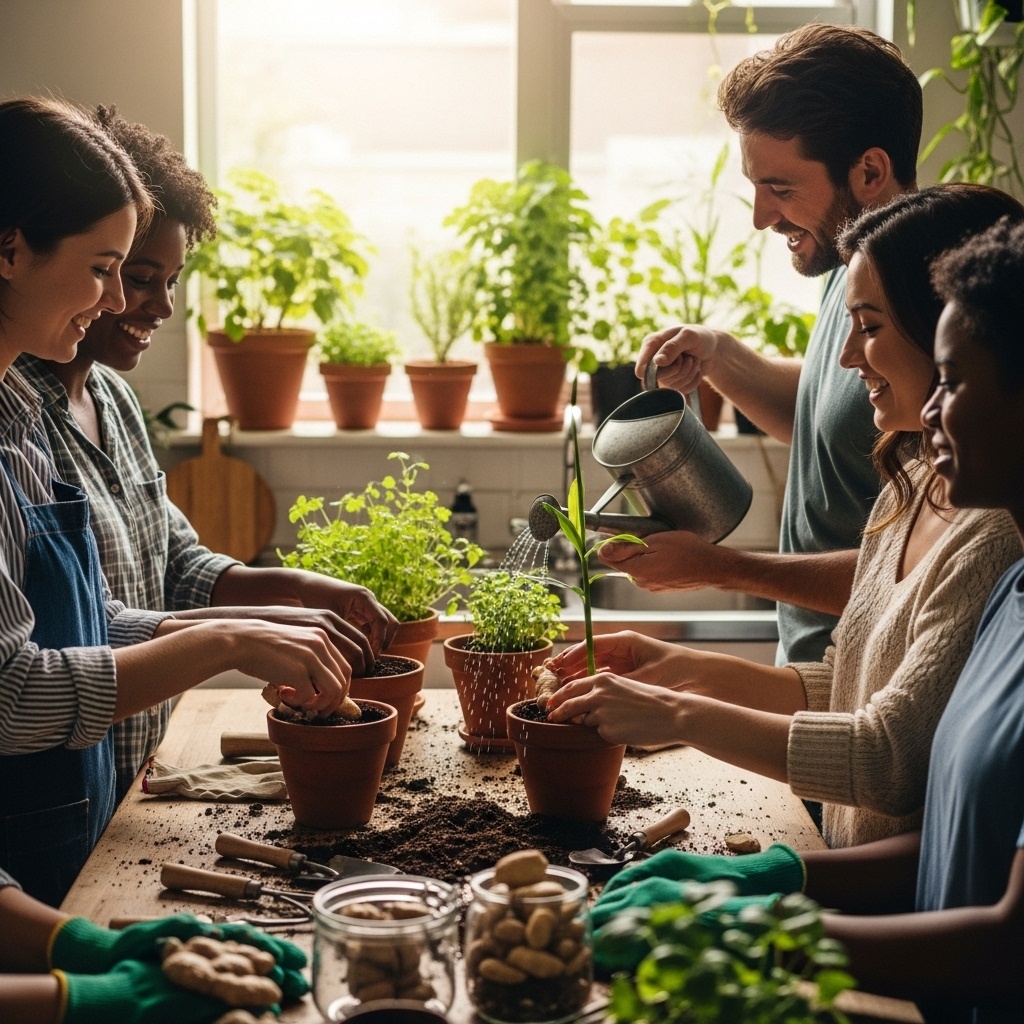
Creating the right environment for your ginger plants is crucial. Ginger thrives in warm, humid conditions, so I usually select a spot in my garden that receives partial shade. If you’re planting indoors, a sunny kitchen window works wonders. The soil should be rich in organic matter, so I mix in compost or well-rotted manure before planting. This not only provides nutrients but also improves drainage, which is essential for ginger’s growth.
Choosing the Right Container
If you’re growing ginger in pots, it’s important to choose the right container. I’ve found that wide, shallow pots are ideal because ginger’s roots spread horizontally rather than deep. A pot that’s at least 12 inches wide and 8 inches deep works perfectly. Ensure there are drainage holes at the bottom to prevent water from pooling, as excess moisture can lead to root rot, which I learned the hard way during my early gardening days.
Planting Ginger Successfully
When to Plant Ginger
The timing of planting ginger can significantly affect your success. I generally plant ginger in the spring, once the risk of frost has passed, and the soil temperature is consistently above 60°F. This allows the rhizomes to sprout and grow in warm conditions, which are ideal for their development. In warmer climates, you might be able to plant ginger year-round, but I’ve found that spring gives the best results for most gardeners.
How to Prepare the Ginger Rhizome
Before planting, it’s important to prepare your ginger rhizome properly. I typically let mine sit for about 24 hours after purchasing, allowing it to dry out a bit. This helps to prevent rot once it’s planted. If you have larger rhizomes, you can cut them into pieces, ensuring each piece has at least one growth bud. Just remember to let the cut surfaces heal for a day or two before planting to reduce the risk of disease.
Soil Requirements for Ginger
Ginger loves well-draining, loamy soil rich in organic matter. I usually mix in compost to enhance the nutrient content. The pH level should be between 6.0 and 6.8 for optimal growth. During my first attempt at growing ginger, I didn’t pay much attention to soil quality, which resulted in stunted growth. Now, I make sure to pay close attention to the soil mix, and it has made a world of difference in how my ginger plants thrive.
Planting Technique: Depth and Spacing
When it comes time to plant, I make sure to dig a hole about 2-4 inches deep for each rhizome piece. Space them about 12 inches apart to give them room to grow. I plant them with the buds facing up, covering them gently with soil. It’s a simple step, but I’ve learned that the correct depth and spacing can help avoid overcrowding and allow for adequate airflow around the plants.
Caring for Your Ginger Plants
Watering Guidelines
Caring for ginger plants is just as important as the planting process. One of the key aspects I’ve learned is the importance of watering. Ginger likes to stay moist but not soggy. I usually check the top inch of soil; if it feels dry, it’s time to water. I’ve found that watering deeply and less frequently encourages the roots to grow deeper into the soil. Over time, I’ve noticed that maintaining a consistent moisture level helps the plants thrive, especially during dry spells. However, I avoid watering the leaves directly to prevent fungal issues.
Fertilization Tips
Fertilizing ginger can significantly boost its growth and overall health. I recommend using a balanced, organic fertilizer, as it nourishes the soil without introducing harsh chemicals. During the growing season, I typically fertilize every four to six weeks. I’ve discovered that a good mix of nitrogen and potassium works wonders. I sometimes even add a bit of compost around the base of the plant, which not only provides nutrients but also improves soil structure. Just remember, moderation is key—too much fertilizer can lead to excessive leaf growth at the expense of the rhizome.
Sunlight Requirements
Ginger thrives in partial shade, which I’ve found to be essential for preventing stress on the plants. In my garden, I’ve planted ginger where it gets about 4-6 hours of indirect sunlight each day. Too much direct sun can scorch the leaves and hinder growth. If you’re growing ginger indoors, placing the pots near a bright window that gets indirect sunlight has worked well for me. I’ve even rotated the pots occasionally to ensure all sides of the plant receive light evenly, promoting balanced growth.
Pest and Disease Management
Keeping an eye out for pests and diseases is crucial in ginger gardening. I’ve learned to check my plants regularly for signs of trouble. Common pests like aphids and spider mites can be problematic, but I often use natural remedies like neem oil or insecticidal soap to manage them. Additionally, I’ve found that healthy plants are less susceptible to disease, so maintaining good watering and fertilization practices really pays off. If I notice any yellowing leaves or wilting, I take it as a sign to investigate further, as early intervention can save the plant from more serious issues.
Harvesting Ginger
When to Know It’s Time to Harvest
The moment of harvest is so exciting! I usually wait about 8-10 months after planting before digging up my ginger. By this time, the leaves will start to yellow and die back, which I take as a cue that the rhizomes are ready. I’ve learned that if I want young ginger with a milder flavor, I can harvest earlier, around 4-6 months. It’s a balance between flavor and the size of the rhizomes. I often sneak a peak by gently brushing away some soil to check the size of the rhizomes before making my final decision.
How to Harvest Ginger Properly
When it’s time to harvest, I use a garden fork to gently loosen the soil around the rhizome. I’m careful not to damage the roots, as this can affect the plant’s health. I lift the rhizomes out of the soil, and I feel a sense of accomplishment when I see the plump, healthy pieces that I’ve nurtured over the months. After harvesting, I rinse them gently to remove any soil, but I make sure not to soak them too long, as excess moisture can lead to spoilage. I often leave them in a cool, shaded area to dry for a day or two before storing.
Post-Harvest Care and Storage
Proper storage of harvested ginger is essential for keeping it fresh. I usually store my ginger in a cool, dry place, often in a paper bag or wrapped in a cloth to allow for some airflow. I’ve found that keeping it in the refrigerator can extend its shelf life, but I try to avoid storing it in a plastic bag, as that can lead to mold. If I’ve harvested a large quantity, I sometimes freeze some of it for later use. I simply peel and slice it before placing the pieces in an airtight container. This way, I always have fresh ginger on hand for cooking or health remedies.
Troubleshooting Common Issues
Yellowing Leaves: Causes and Solutions
If I notice my ginger leaves turning yellow, it’s usually a sign that something is off. In my experience, this could be due to overwatering or nutrient deficiency. I’ve learned to check the soil moisture and make adjustments accordingly. If the soil is too wet, I allow it to dry out before watering again. For nutrient issues, I often add a balanced fertilizer to give my plants a boost.
Root Rot: Prevention and Treatment
Root rot is a nightmare that I’ve encountered before. It usually happens when the soil retains too much moisture. To prevent this, I ensure my pots have good drainage and avoid overwatering. If I suspect root rot, I carefully lift the plant and inspect the roots. Healthy roots should be firm and white, while rotting roots are mushy and brown. If I find rot, I trim away the affected areas and repot the ginger in fresh, well-draining soil.
Pests to Watch Out For
Keeping an eye on pests has become second nature to me. Aphids and spider mites are the usual suspects, but I also keep an eye out for whiteflies and scale. Regular checks and maintaining plant health through proper care really help keep these pests at bay. If I do spot them, I quickly spray with neem oil or insecticidal soap, which has worked well for me in managing infestations without harming my plants.
Using Homegrown Ginger
Culinary Uses of Ginger
Ginger is such a versatile ingredient in my kitchen. From adding a kick to stir-fries to infusing flavor into soups, I find it enhances many dishes. I love making ginger tea by boiling slices in water, and it’s always my go-to remedy for digestion. I’ve even started experimenting with ginger in desserts, like ginger cookies or cakes, which have become some of my family’s favorites.
Health Remedies with Ginger
Beyond its culinary uses, I often turn to ginger for its health benefits. I’ve found that ginger tea is excellent for soothing an upset stomach, and I sometimes sip it when I feel a cold coming on. Additionally, I’ve read about ginger’s anti-inflammatory properties, and I sometimes make a ginger paste to apply to sore muscles or joints. It’s amazing how this humble root can be so beneficial!
Preserving and Storing Ginger
To ensure I always have ginger on hand, I’ve experimented with different preservation methods. Freezing is my favorite, as it retains the flavor and nutrients. I’ve also tried pickling ginger, which adds a wonderful, zesty flavor to meals. I thinly slice the fresh ginger, then soak it in a vinegar solution. This method not only extends its shelf life but also transforms it into a delicious condiment for sushi and other dishes.
Frequently Asked Questions (FAQs)
Can I Grow Ginger Indoors?
Absolutely! I’ve successfully grown ginger in pots indoors. The key is to provide enough light and warmth. A sunny window works wonders, and I make sure to keep an eye on moisture levels.
How Long Does Ginger Take to Grow?
Typically, ginger takes about 8-10 months to grow fully. However, you can harvest smaller rhizomes as early as 4-6 months if you prefer a milder flavor.
Is Ginger Easy to Grow at Home?
In my experience, ginger is relatively easy to grow as long as you provide the right conditions. With a bit of care, you can enjoy a wonderful harvest right from your garden or pots!