
To plant ginger root for fast sprouting, start by selecting a healthy rhizome, prepare your soil properly, and provide the right moisture and warmth. With the right conditions, you can enjoy fresh ginger in no time!
Table of Contents
Ginger is not only a fantastic culinary ingredient but also an easy-to-grow plant that can thrive indoors or outdoors. I’ve had my fair share of experiences planting ginger, and I’ve learned that understanding its needs is key to speedy growth. If you’re curious about identifying different plants, check out this What Type of Plant Is This? Quick Identification Guide.
Understanding Ginger: An Overview
What is Ginger Root?
Ginger root, known scientifically as Zingiber officinale, is a rhizome that belongs to the family Zingiberaceae. It’s widely recognized for its pungent flavor and aroma, making it a staple in many kitchens worldwide. I remember the first time I used fresh ginger in a stir-fry; the burst of flavor transformed an ordinary dish into something special. Beyond its culinary uses, ginger is also praised for its medicinal properties.
Health Benefits of Ginger
Ginger is more than just a flavor enhancer; it offers numerous health benefits. From my own experience, I’ve found it to be particularly effective in alleviating nausea and aiding digestion. Studies have shown that ginger can help with motion sickness, morning sickness during pregnancy, and even digestive issues. Additionally, its anti-inflammatory properties make it a popular choice for those dealing with arthritis or muscle pain. I often brew ginger tea when I’m feeling under the weather, and it always seems to help boost my recovery.
Common Varieties of Ginger
There are several varieties of ginger, each with its unique characteristics. The most common type is the culinary ginger, which is what you’ll typically find in grocery stores. However, there are other varieties like baby ginger, known for its tender texture and milder flavor, and black ginger, which is often used in traditional medicine. I’ve experimented with different types, and while they all add flavor, the culinary ginger has become my go-to for planting due to its availability and reliability.
When to Plant Ginger Root
Best Season for Planting Ginger
The best time to plant ginger root really depends on your climate. Generally, I’ve found that ginger thrives when planted in the spring after the last frost. This timing allows the plant to take advantage of the warm temperatures and longer growing days. If you’re in a warmer climate, you might even get away with planting in late winter. I remember the excitement of planting my ginger in early spring; watching it grow throughout the summer was a rewarding experience.
Climate Considerations
Ginger prefers a warm, humid climate, which is why it grows so well in tropical and subtropical regions. When I started growing ginger, I realized that it flourishes in temperatures between 70°F and 85°F. If you live in a cooler area, don’t worry! You can still grow ginger indoors or in a greenhouse, as long as you can maintain the right temperature and humidity. Keeping your ginger warm and cozy is crucial for fast sprouting.
Signs of Suitable Planting Conditions
Before planting ginger, there are a few signs to look for to ensure conditions are right. The soil temperature should be warm, ideally around 70°F to 80°F. I’ve learned that if the soil feels warm to the touch, it’s likely a good time to plant. Additionally, check for moisture in the soil; it should be damp but not soggy. I often test the soil by digging a small hole and checking how it feels. If it clumps together but doesn’t drip water, you’re good to go!
Choosing the Right Ginger Root
Types of Ginger for Planting
When it comes to planting ginger, selecting the right type of ginger root is crucial. The most common choice is culinary ginger, which is what most of us are familiar with. However, I’ve also experimented with some lesser-known varieties, like turmeric and galangal. While they are not exactly the same as ginger, they belong to the same family and can offer unique flavors and health benefits. For me, culinary ginger has always provided the best results, and it’s the one I recommend to fellow gardeners. If you’re looking to grow something a bit different, baby ginger is another excellent option. Its tender texture and mild taste can add a lovely twist to your dishes. If you want to learn more about plant identification, consider checking this article on What Kind of Plant Is This? Easy Plant ID Tips.
Where to Buy High-Quality Ginger Root
Finding high-quality ginger root is essential for successful planting. I typically start my search at local farmers’ markets or specialty grocery stores. These places often have fresher produce than regular supermarkets. When buying ginger, I always look for firm, plump rhizomes without any signs of mold or shriveling. If you can, choose organic ginger; I’ve found that it tends to sprout better and has a more robust flavor. Online retailers also offer good options, especially if you’re looking for specific varieties. I once ordered ginger from a gardening supply website, and it arrived healthy and ready to plant.
Identifying Healthy Ginger Rhizomes
Now that we know where to buy ginger, let’s discuss how to identify healthy rhizomes. A healthy ginger root should feel firm and solid to the touch. I always check for eyes (the little bumps on the surface); these are essential for sprouting. The more eyes, the better, as they indicate multiple growth points. I’ve made the mistake of planting soft or shriveled pieces before, and the results were disappointing. It’s worth taking the time to choose the best ginger root, as it can make all the difference in your planting success.
Preparing to Plant Ginger Root
Choosing the Right Container or Garden Bed
Once I’ve selected my ginger root, the next step is preparing for planting. I often grow ginger in large containers since they allow for good drainage and make it easy to manage soil conditions. If you prefer planting directly in the garden, choose a spot with loose, well-draining soil. Raised garden beds work wonderfully, too. I remember the first time I planted ginger in a container; it was so easy to move it around to catch the sunlight! Just make sure whatever you choose has enough space for the rhizomes to spread out.
Soil Requirements for Ginger
Ginger thrives in rich, loamy soil that retains moisture but drains well. I always add organic compost to my soil to improve its fertility and structure. It’s interesting how much of a difference this makes! A great tip I learned is to mix in some sand or perlite if your soil is too dense. This combination allows for good aeration, which ginger roots love. I usually make a little mound in the middle of my planting area to help with drainage, especially in a container. It’s like giving the ginger a cozy, warm bed to grow in!
Preparing the Ginger Root for Planting
Before planting, I prepare the ginger root to encourage sprouting. I typically cut the rhizome into smaller pieces, ensuring that each piece has at least one eye. This is a trick I learned from seasoned gardeners – by planting multiple sections, you can get a more abundant harvest. After cutting, I let the pieces sit out for a day or two to callous over. This step helps prevent rot once they’re in the soil. I’ve rushed this process before, and it taught me the importance of patience. A little extra care goes a long way!
How to Plant Ginger Root
Step-by-Step Planting Instructions
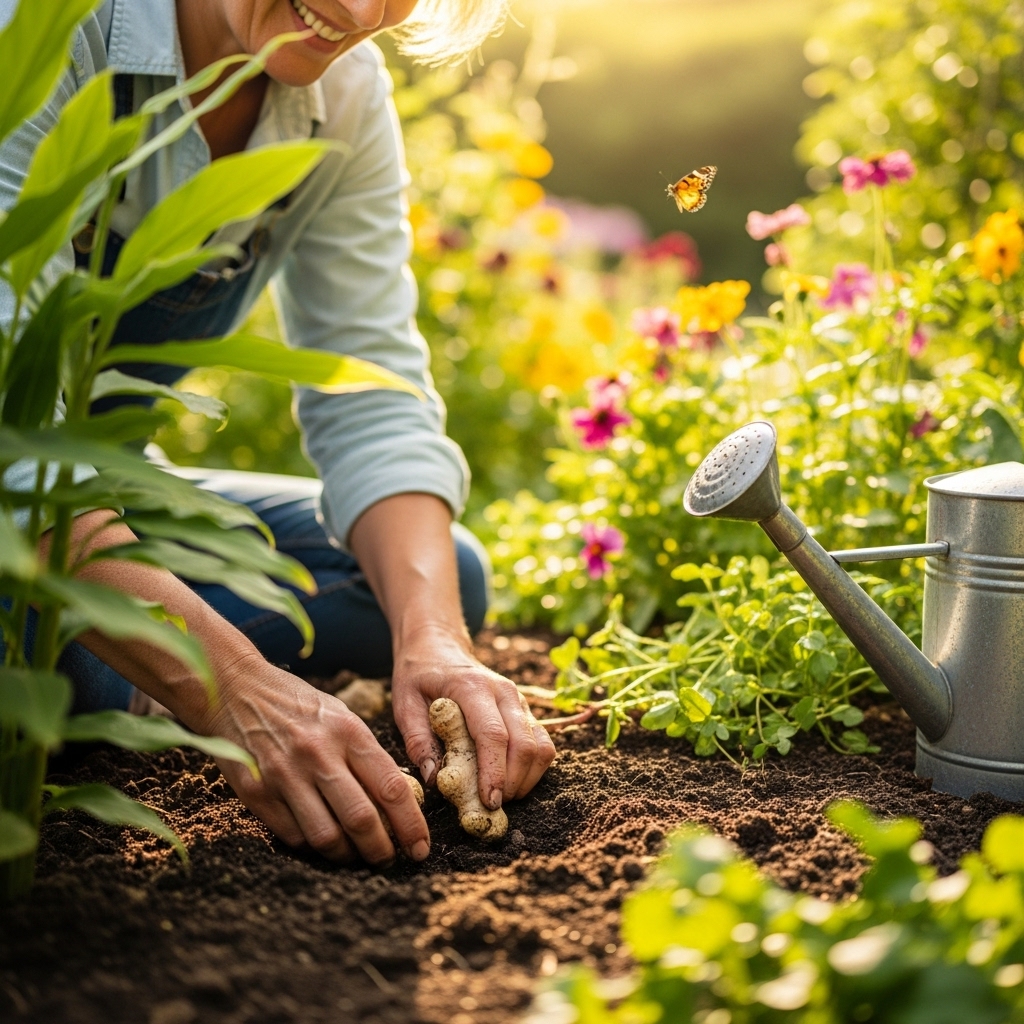
Now that we’ve prepared everything, let’s dive into the planting process. First, I fill my container or garden bed with the prepared soil, leaving about an inch or two of space at the top. Next, I create shallow holes about 3 inches apart to plant the ginger pieces. Carefully place the rhizomes in the holes with the eyes facing upward. I gently cover them with soil, making sure not to pack it down too tightly. After that, I give it a good watering. I remember the excitement I felt the first time I planted ginger; it felt like I was starting an adventure!
Optimal Planting Depth and Spacing
For optimal growth, I typically plant the ginger pieces about 2 to 4 inches deep. This depth allows them to anchor well while still getting enough light and warmth. Keeping the spacing around 12 inches apart gives them room to grow without crowding each other. When I first started planting ginger, I tended to plant them too close together, which limited their growth. Learning about proper spacing made a significant difference in my harvest size!
Watering and Moisture Needs
After planting, maintaining moisture is key. I always ensure that the soil is consistently damp but not soggy. I usually check the soil every few days; if it feels dry to the touch, it’s time to water. Ginger loves humidity, so if I’m growing it indoors, I sometimes mist the leaves or place a humidity tray nearby. I’ve found that keeping the environment comfortable helps kickstart the sprouting process. Watching those little green shoots emerge is one of the most rewarding parts of growing ginger!
Caring for Your Ginger Plants
Sunlight and Temperature Requirements
Caring for ginger plants is just as important as planting them correctly. I’ve learned that ginger loves bright, indirect sunlight. When I first started, I placed my pots in direct sunlight, thinking that would help them grow faster. I quickly realized that too much sun can scorch the leaves and stunt growth. Instead, I recommend finding a spot where they can bask in filtered light. If you’re growing ginger indoors, a south-facing window usually works best.
Temperature plays a crucial role in the health of ginger. As I mentioned earlier, ginger thrives in a warm environment, ideally between 70°F and 85°F. I use a simple thermometer to monitor the temperature of my growing area, especially during colder months or if I’m using a greenhouse. If you notice the temperature dropping, it might be worth investing in a small space heater or heat lamp to keep your ginger cozy.
Fertilizing Ginger Plants
To keep my ginger plants healthy and growing strong, I’ve found that regular fertilization is key. I typically use a balanced organic fertilizer every few weeks during the growing season. This provides the essential nutrients that ginger needs to flourish. When I first started, I used a chemical fertilizer, but I noticed that my plants thrived much better when I switched to organic options. I like to mix the fertilizer into the top layer of the soil to ensure the roots can access it easily.
In my experience, adding compost can also work wonders. It not only enriches the soil but helps retain moisture, which is vital for ginger. I remember the first time I mixed in compost; the plants seemed to perk up almost overnight! I try to apply a layer of compost every month, especially as the plants begin to grow taller.
Pest and Disease Management
Like any plant, ginger can be susceptible to pests and diseases. I’ve faced my share of battles with aphids and spider mites. To combat these uninvited guests, I often inspect my plants regularly for any signs of trouble. If I spot any pests, I usually wash them off with a gentle spray of water. For more stubborn infestations, I’ve turned to neem oil, which is a natural solution that works effectively without harming the plant. I’ve found that keeping the area around my ginger clean and free of debris helps reduce pest problems as well.
Diseases like root rot can also be a concern, especially if the soil is too soggy. I remember losing a batch of ginger to this issue and learned the hard way about the importance of proper drainage. As I mentioned earlier, using well-draining soil and avoiding overwatering can significantly reduce the risk of root rot. If you notice yellowing leaves, it’s usually a sign that something isn’t right, and I recommend checking the moisture level of the soil immediately.
Encouraging Fast Sprouting
Techniques for Quick Germination
Once you’ve planted your ginger, you might be eager to see those sprouts emerge. I know I was! There are a few techniques I’ve learned that can help speed up germination. One of my favorites is soaking the ginger pieces in water for a few hours before planting. This helps to kickstart the sprouting process. I usually leave them to soak overnight and then plant them the next day. It’s like giving them a little head start!
Another method I’ve tried is using a warm, damp paper towel to wrap the ginger pieces before planting. I place them in a warm area, like on top of the refrigerator, for a couple of days. This method often results in quick sprouting, and I love watching the tiny shoots emerge from the ginger roots.
Using Heat Mats or Greenhouses
If you’re serious about getting your ginger to sprout quickly, consider using a heat mat. I invested in one when I started growing ginger indoors, and it has made a noticeable difference. The extra warmth encourages faster sprouting, and I find that the ginger develops stronger roots as well. If you have a greenhouse, you’re in luck! The controlled environment can really help ginger thrive. I remember when I first used a greenhouse; it felt like I was nurturing my plants in a mini paradise.
Maintaining Ideal Humidity Levels
Ginger loves humidity, and I’ve found that maintaining the right levels can significantly impact growth. If you’re growing ginger indoors, consider placing a humidity tray filled with water near your plants. I also mist the leaves occasionally, especially during dry months. I learned that keeping the air around the plants moist helps promote healthy growth and can even prevent some diseases. After a good misting, I love checking on my plants to see how happy they look.
If I notice the air is particularly dry, I sometimes use a small humidifier in the room. It’s surprising how much a little extra moisture can encourage growth. I feel like I’m creating a mini rainforest for my ginger!
Frequently Asked Questions
What is ginger root and why is it popular?
Ginger root, scientifically known as Zingiber officinale, is a rhizome belonging to the Zingiberaceae family. It’s popular for its pungent flavor and aroma, making it a staple in many kitchens worldwide, and it is also praised for its medicinal properties.
What are the health benefits of ginger?
Ginger is known to alleviate nausea, aid digestion, and has anti-inflammatory properties. It can help with motion sickness, morning sickness during pregnancy, and digestive issues, and is often used for relief from arthritis or muscle pain.
When is the best time to plant ginger root?
The best time to plant ginger root is in the spring after the last frost. In warmer climates, planting can occur in late winter. This timing allows the plant to benefit from warm temperatures and longer growing days.
What are the signs of suitable planting conditions for ginger?
Suitable planting conditions include warm soil temperatures between 70°F to 80°F and moist but not soggy soil. The soil should feel warm to the touch and damp when checked.
What type of ginger root is best for planting?
The most common choice for planting is culinary ginger, which is widely available. Other varieties like baby ginger and black ginger can also be used, but culinary ginger is recommended for reliable results.
How should ginger root be prepared for planting?
Before planting, ginger root should be cut into smaller pieces, ensuring each piece has at least one eye. The pieces should then be left to callous for a day or two to prevent rot once planted.
What are the optimal planting depth and spacing for ginger?
Ginger pieces should be planted about 2 to 4 inches deep, with spacing of around 12 inches apart to allow for proper growth and avoid crowding.
What are the sunlight and temperature requirements for ginger plants?
Ginger plants thrive in bright, indirect sunlight and prefer temperatures between 70°F and 85°F. Direct sunlight can scorch the leaves, so filtered light is ideal.
How can I encourage fast sprouting of ginger?
To encourage fast sprouting, soak ginger pieces in water for a few hours before planting or wrap them in a warm, damp paper towel and keep them in a warm area for a couple of days. Using a heat mat can also help speed up the process.
What should be done to manage pests and diseases in ginger plants?
Regular inspection of ginger plants for pests like aphids and spider mites is important. Washing pests off with water and using neem oil for stubborn infestations can help. Proper drainage and avoiding overwatering can reduce the risk of diseases like root rot.