
To plant grass seed effectively, prepare the soil, select the right type of grass, sow the seeds evenly, and maintain moisture for proper germination.
Table of Contents
Planting grass seed is a straightforward yet critical task for achieving a vibrant lawn. Understanding the key steps—from soil preparation to watering techniques—can significantly enhance your chances of success, ensuring a lush green space for your enjoyment.

Understand Your Lawn Type and Grass Seed Selection
Selecting the right grass seed is essential for a healthy lawn. Your choice depends on your region, climate, and how you plan to use your lawn. Understanding the differences between cool-season and warm-season grasses will help you make an informed decision.
Choosing the Right Grass Seed for Your Area
Different regions thrive with specific types of grass. Understanding your local climate is crucial:
- Cool-Season Grasses: Best for regions with cold winters and moderate summers. They grow actively in spring and fall. Examples include Kentucky bluegrass and fescue.
- Warm-Season Grasses: Thrive in warmer climates with hot summers. They grow actively in late spring and summer. Examples include Bermuda and Zoysia.
Characteristics of Cool-Season vs Warm-Season Grasses
| Characteristic | Cool-Season Grasses | Warm-Season Grasses |
|---|---|---|
| Optimal Growth Temperature | 60°F to 75°F | 80°F to 95°F |
| Soil Type Preference | Moist, well-drained soils | Sandy, well-drained soils |
| Drought Resistance | Moderate | High |
| Common Uses | Residential lawns, parks | Sports fields, golf courses |
Factors Influencing Grass Selection
Consider these factors when selecting grass seed:
- Climate: Choose based on average temperatures and rainfall patterns.
- Sunlight: Assess how much sun your lawn receives daily.
- Foot Traffic: Determine how much wear and tear your lawn will endure.
- Maintenance Level: Some grasses require more care than others.
For beginners, a Lawn Care Starter Kit can provide essential tools and resources to ensure a successful planting season. Check Price on Amazon.
Prepare Your Soil for Grass Seed Planting
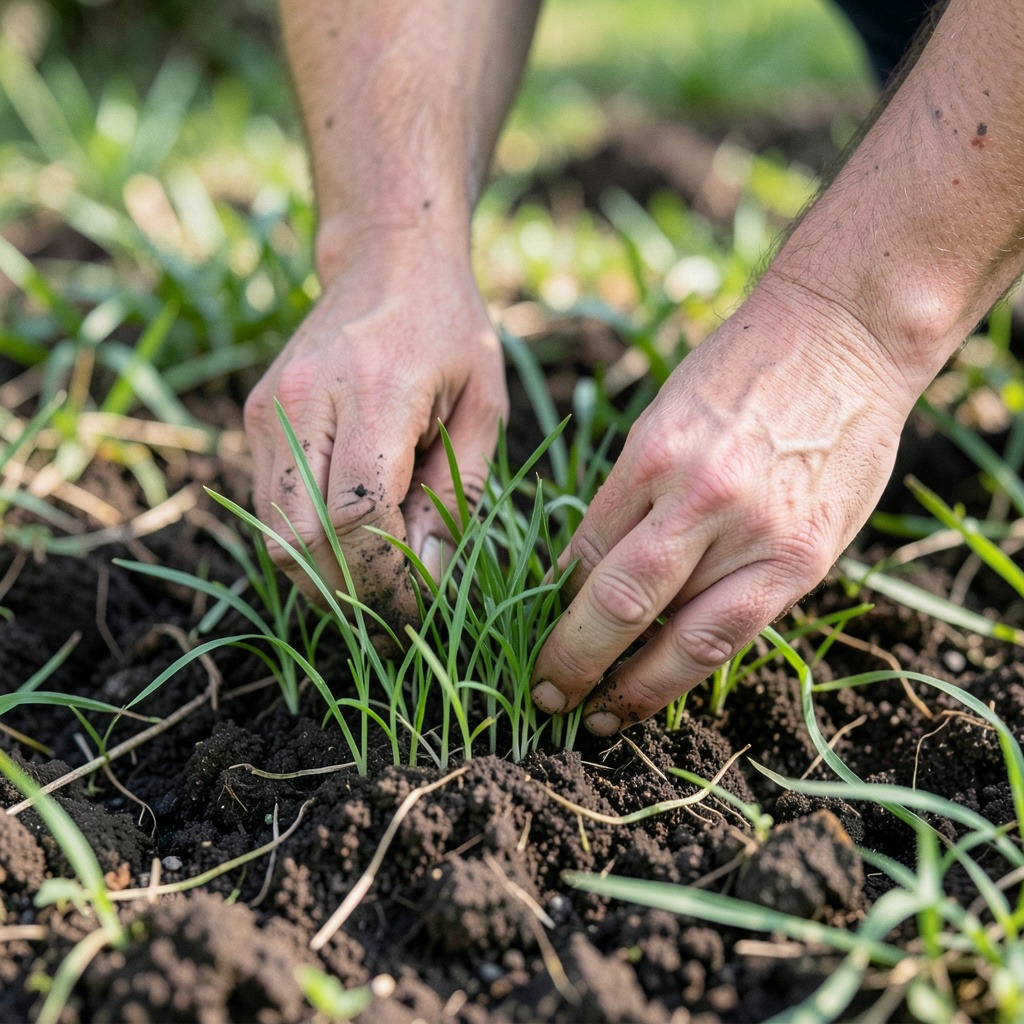
Healthy soil is essential for successful grass seed germination. Proper preparation ensures that your lawn receives the nutrients it needs to thrive. Follow these steps to prepare your soil effectively.
Testing Your Soil for Optimal pH Levels
Before planting grass seed, it’s crucial to test your soil’s pH levels. Grass generally prefers a pH between 6.0 and 7.0. Here’s how to test your soil:
1. Purchase a Soil Test Kit: Available at garden centers or online.
2. Collect Soil Samples: Gather samples from various spots in your lawn.
3. Follow Kit Instructions: Mix your soil samples with the provided solution.
4. Evaluate Results: Determine the pH level and adjust as necessary.
If your soil is too acidic (below 6.0), consider adding lime. If it’s too alkaline (above 7.0), sulfur can help lower the pH.
Amending Your Soil for Nutrient Richness
Once you have your soil test results, amend the soil to enhance nutrient content. Common amendments include:
- Compost: Adds organic matter and improves soil structure.
- Fertilizer: Choose a starter fertilizer high in phosphorus to promote root growth.
- Peat Moss: Increases moisture retention and aeration.
A simple checklist for amending soil based on common deficiencies:
| Nutrient Deficiency | Recommended Amendment |
|---|---|
| Nitrogen | Organic fertilizer or compost |
| Phosphorus | Starter fertilizer |
| Potassium | Potassium-rich fertilizers |
Tilling and Aerating the Soil
Tilling and aerating the soil improves its structure and allows for better water and nutrient absorption. Follow these steps:
1. Clear the Area: Remove debris, rocks, and weeds.
2. Till the Soil: Use a rototiller or garden fork to loosen the soil to a depth of 4 to 6 inches.
3. Aerate if Necessary: If your soil is compacted, use a core aerator to create holes in the soil for improved air and water flow.
By preparing your soil properly, you set the foundation for a lush, healthy lawn. For beginners, a Lawn Care Starter Kit can provide essential tools and resources to ensure a successful planting season. Check Price on Amazon.
The Best Time to Plant Grass Seed
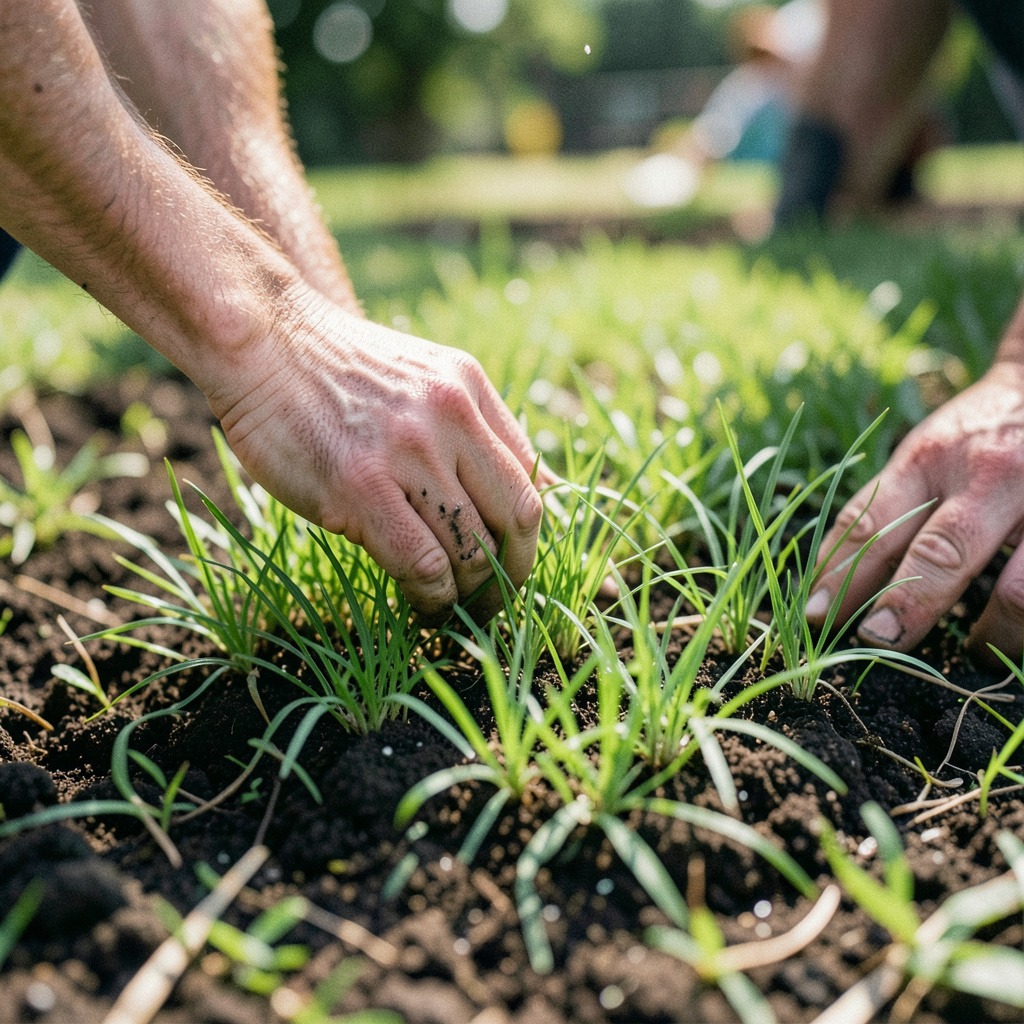
Timing significantly impacts the success of your grass seed planting. Understanding seasonal factors, such as soil temperature and climate patterns, is crucial for establishing a healthy lawn.
When to Plant Cool-Season Grasses
Cool-season grasses thrive in the northern regions where temperatures are cooler. The best time to plant these grasses is typically:
- Early Spring: Late March to early May. Soil temperatures should be between 50°F to 65°F for optimal germination.
- Early Fall: Late August to early October. This period allows for ideal growing conditions before winter.
When to Plant Warm-Season Grasses
Warm-season grasses are suited for southern regions with hotter climates. The optimal planting times include:
- Late Spring: Late April to early June. Soil temperatures should reach 65°F to 70°F for best results.
- Early Summer: Continue planting through June for areas that experience longer warm seasons.
How Temperature Affects Seed Germination
Soil temperature plays a critical role in seed germination. Grass seeds require specific temperature ranges to sprout effectively. Here’s a quick overview:
| Grass Type | Optimal Soil Temperature | Best Planting Times |
|---|---|---|
| Cool-Season Grasses | 50°F – 65°F | Early Spring, Early Fall |
| Warm-Season Grasses | 65°F – 70°F | Late Spring, Early Summer |
Consider local climate conditions and potential frost dates when planning your planting schedule. For best results, monitor soil temperatures with a soil thermometer, ensuring they align with these ranges.
By adhering to these guidelines, you can enhance the likelihood of successful germination and establish a resilient lawn.
Tools and Materials Needed for Planting Grass Seed
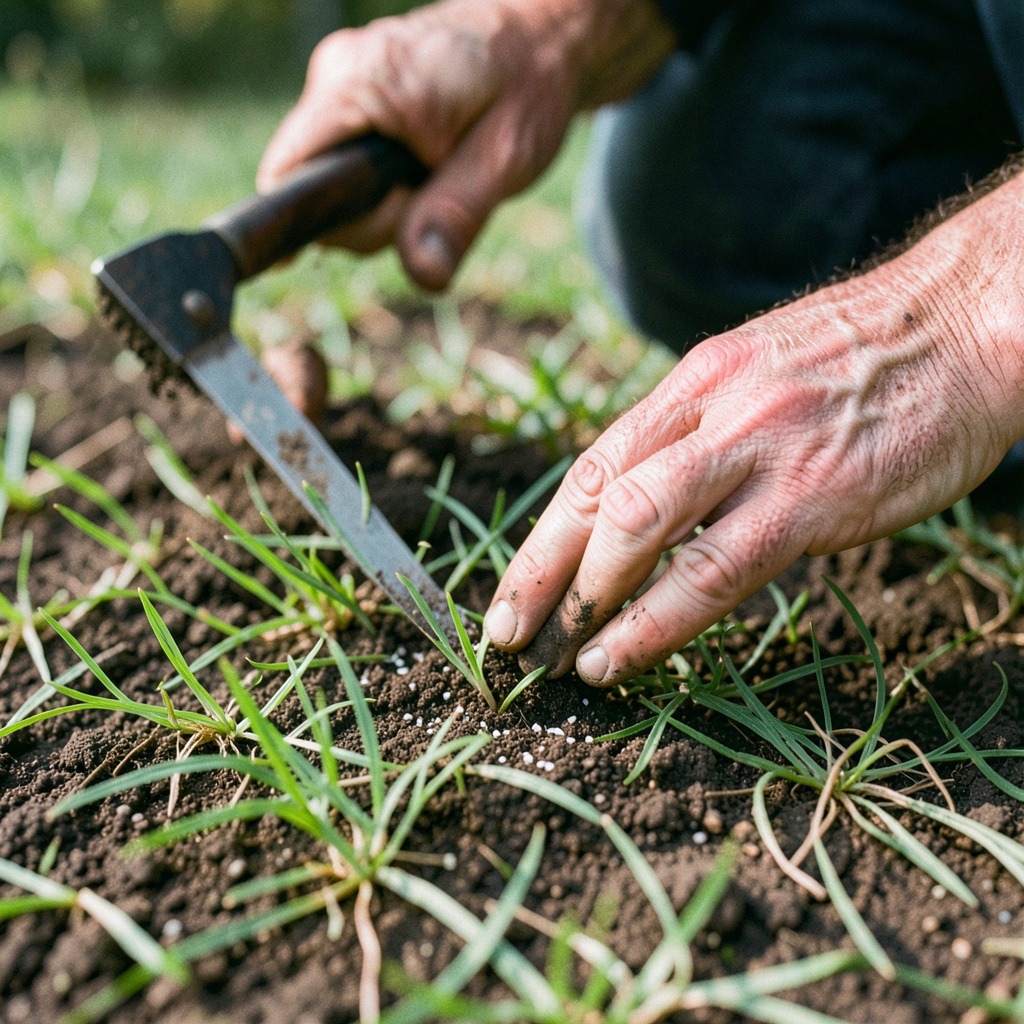
Having the right tools and materials is crucial for successfully planting grass seed. Proper equipment ensures effective soil preparation, accurate seed distribution, and ongoing maintenance.
Essential Tools for Planting Grass Seed
1. Soil Test Kit: Determines soil pH and nutrient levels. Essential for informed amendments.
2. Rototiller or Garden Fork: Helps to aerate and mix soil amendments into the existing soil.
3. Rake: Levels the soil surface and helps create a smooth seedbed.
4. Seed Spreader: Ensures even distribution of grass seed across the lawn area.
5. Watering Can or Hose with Spray Nozzle: For gentle watering after seeding to avoid displacing seeds.
Recommended Materials for Soil Preparation
- Compost or Organic Matter: Enhances soil structure and nutrient content.
- Fertilizer: A starter fertilizer can help promote strong root development.
- Mulch (Optional): Protects seeds from birds and retains moisture.
Optional Tools for Better Results
- Grass Seed Roller: Presses seeds into the soil for better contact and germination rates.
- Soil Moisture Meter: Monitors soil moisture levels, guiding your watering schedule.
Comparison Table of Tools
| Tool | Pros | Cons | Price Range |
|---|---|---|---|
| Soil Test Kit | Easy to use, provides key soil insights | May require multiple tests for accuracy | $10 – $30 |
| Rototiller | Efficient soil mixing | Can be heavy and hard to maneuver | $150 – $500 |
| Rake | Simple and effective for leveling | Labor-intensive on larger areas | $10 – $30 |
| Seed Spreader | Ensures even coverage | Requires calibration for different seeds | $20 – $100 |
| Watering Can | Portable and easy to control | Limited capacity | $5 – $30 |
Use this checklist to ensure you have all necessary items before starting your grass seed planting project. Proper preparation and the right tools will set the foundation for a lush, healthy lawn.
Step-by-Step Guide to Planting Grass Seed
Planting grass seed effectively involves several key steps, from preparing the soil to ensuring proper care post-planting. Follow this guide to achieve a lush, green lawn.
Preparing the Ground
1. Test the Soil: Begin by testing your soil’s pH and nutrient levels. This will help you understand what amendments are needed for optimal grass growth.
2. Clear the Area: Remove any debris, rocks, or old grass. A clean area promotes better seed-to-soil contact.
3. Amend the Soil: Based on your soil test results, add necessary fertilizers or soil conditioners. Incorporate organic matter to improve soil structure.
4. Level the Surface: Rake the soil to create an even surface. This prevents pooling water and encourages uniform seed germination.
Sowing Grass Seed Evenly
1. Choose the Right Seed: Select grass seed appropriate for your climate—cool-season grasses for northern regions and warm-season grasses for southern areas.
2. Determine Seed Rate: Check the seed packaging for the recommended sowing rate. This ensures proper density.
3. Use a Seed Spreader: For even distribution, use a seed spreader. Walk in straight lines to avoid overlap and gaps.
4. Hand Sowing: If sowing by hand, divide the seed into two portions. Sow one portion in a north-south direction and the other in an east-west direction to ensure even coverage.
Covering and Protecting the Seed
1. Lightly Rake the Surface: After sowing, lightly rake the area to cover the seeds with a thin layer of soil. This protects seeds from birds and helps retain moisture.
2. Watering: Water the area gently but thoroughly. Aim for consistent moisture without saturating the soil. This encourages germination.
3. Mulching: Consider applying a thin layer of straw or mulch to retain moisture and protect seedlings from extreme temperatures and pests.
Post-Planting Care
1. Monitor Moisture Levels: Keep the soil consistently moist but not waterlogged. Water lightly every few days until the grass establishes.
2. Fertilization: After the grass reaches about 2-3 inches in height, apply a starter fertilizer to promote healthy growth.
3. Mowing: Wait until the grass is 3-4 inches tall before the first mow. This helps establish strong roots.
Checklist for Successful Planting
- [ ] Soil test kit
- [ ] Rake and hoe
- [ ] Seed spreader or hand-seeding method
- [ ] Grass seed appropriate for your climate
- [ ] Fertilizer (starter type)
- [ ] Mulch (optional)
- [ ] Watering equipment
By following these steps, you will set the stage for a thriving lawn. Adjust your approach based on local conditions and specific grass types for the best results.
Watering Techniques for Newly Planted Grass Seed
Watering is crucial for the germination and establishment of grass seed. Proper moisture levels support seed growth and prevent the soil from drying out, which can hinder germination.
How Much Water is Needed?
Newly planted grass seed requires consistent moisture. Aim for about 1 to 1.5 inches of water per week, including rainfall. This amount supports seed germination and root development.
- Initial Watering: Water the area lightly immediately after planting.
- Daily Watering: For the first two weeks, water lightly every day to keep the soil consistently moist.
- Transition Phase: After germination, reduce watering frequency but increase depth to encourage deep root growth.
When to Water After Planting
Timing is essential for effective watering. Follow this schedule:
- First Week: Water in the morning to minimize evaporation. Aim for light sessions every day.
- Second Week: Start watering every other day, deepening the watering sessions.
- Post-Germination: Once grass reaches 2-3 inches, switch to watering every 3-4 days, ensuring each session provides enough moisture to penetrate 4-6 inches into the soil.
Signs of Overwatering and Underwatering
Monitoring your lawn is key. Look for these indicators:
- Overwatering:
- Water pooling on the surface.
- Grass appears limp or yellow.
- Soil feels soggy.
- Underwatering:
- Grass blades turn brown or crispy.
- Soil feels dry several inches down.
- Grass wilts or shows signs of stress.
Watering Schedule Template
| Grass Type | Watering Frequency (First 2 Weeks) | Watering Frequency (Post-Germination) |
|---|---|---|
| Cool-Season Grasses | Daily (light) | Every 3-4 days (deep) |
| Warm-Season Grasses | Daily (light) | Every 4-5 days (deep) |
By adhering to these guidelines, you can optimize moisture levels and ensure successful grass seed germination.
Common Mistakes to Avoid When Planting Grass Seed
Planting grass seed can be rewarding, but common mistakes can hinder your success. Understanding these pitfalls helps ensure a healthy, lush lawn.
Mistakes in Soil Preparation
Soil preparation is critical for seed germination. Neglecting this step can lead to poor growth. Here are common mistakes to avoid:
- Skipping Soil Testing: Testing your soil reveals pH levels and nutrient content. Without this, you may not apply the right amendments.
- Insufficient Tilling: Failing to till the soil properly can result in compacted earth, making it hard for seeds to penetrate.
- Ignoring Drainage: Poor drainage leads to waterlogged soil. Ensure you address any drainage issues before planting.
Checklist for Proper Soil Preparation:
- Test soil pH and nutrients.
- Till to a depth of 3-4 inches.
- Amend soil with organic matter for better drainage.
Improper Watering Techniques
Watering is essential after planting, but many homeowners make mistakes here.
- Overwatering: This can suffocate roots and promote fungal diseases. Signs include water pooling and grass turning yellow.
- Underwatering: Conversely, insufficient moisture causes grass to dry out and die. Look for brown patches or wilting.
Watering Guidelines:
- Water lightly daily for the first two weeks.
- After germination, shift to deeper watering every 3-5 days.
Choosing the Wrong Grass Seed
Selecting the appropriate grass type is vital for your climate and lawn conditions.
- Cool-Season vs. Warm-Season Grasses: Understand the difference. Cool-season grasses thrive in northern climates, while warm-season grasses are suitable for southern regions.
- Neglecting Sunlight Needs: Grass types have varying sunlight requirements. Planting shade-tolerant grass in sunny areas can lead to poor lawn health.
Decision Framework for Grass Types:
- Cool-Season Grasses: Ideal for temperatures 60-75°F. Examples include Kentucky bluegrass and fescue.
- Warm-Season Grasses: Thrive when temperatures are 80-95°F. Examples include Bermuda and zoysia.
By avoiding these common mistakes, you can significantly enhance your chances of establishing a robust lawn.
Maintaining Your Lawn After Seeding
Post-seeding care is crucial for ensuring healthy grass growth. Proper maintenance practices support seed germination and establish a lush lawn.
When to Mow Your New Lawn
Mowing your newly seeded lawn is essential but must be done at the right time. Wait until the grass reaches about 3 inches in height before your first mow. This height helps the roots establish better.
- Mow at the highest setting: This promotes deeper root growth and reduces stress on the new grass.
- Frequency: Mow every 1-2 weeks to maintain an even height as the lawn matures.
Fertilizing for Optimal Growth
Fertilization plays a pivotal role in developing a robust lawn. Apply a starter fertilizer shortly after seeding to provide essential nutrients for seedling growth.
- Timing: Fertilize 4-6 weeks after seeding to support root development.
- Type: Use a slow-release nitrogen fertilizer to ensure a steady nutrient supply.
- Application rates: Follow package instructions for proper coverage, usually around 1 pound of nitrogen per 1,000 square feet.
Controlling Weeds and Pests
Weeds and pests can threaten your new lawn. A proactive approach minimizes their impact.
- Weed control: Avoid herbicides until the grass has been mowed at least three times. Hand-pull or spot-treat weeds if necessary.
- Pest monitoring: Regularly inspect the lawn for signs of pests, such as discolored patches or unusual growth patterns. Early identification allows for effective treatment.
Lawn Care Timeline Post-Seeding
Here’s a quick checklist for maintaining your lawn after seeding:
| Time Frame | Activity |
|---|---|
| Immediately | Water daily for the first two weeks. |
| 3 weeks after seeding | Mow for the first time. |
| 4-6 weeks | Apply starter fertilizer. |
| 6-8 weeks | Begin weed monitoring. |
| 8 weeks and beyond | Regular mowing and pest checks. |
By following these guidelines, you can significantly enhance the health and appearance of your new lawn.
Troubleshooting: What to Do If Your Grass Seed Doesn’t Germinate
Germination issues can frustrate even the most dedicated lawn care enthusiast. Understanding the causes and implementing corrective actions will help you achieve a lush lawn.
Identifying the Causes of Poor Germination
Several factors can impact grass seed germination. Here are the key areas to investigate:
- Soil Quality: Test the soil pH and nutrient levels. Ideal pH ranges from 6.0 to 7.0 for most grasses.
- Seed Quality: Ensure your grass seed is fresh and appropriate for your climate (cool-season vs. warm-season).
- Moisture Levels: Seeds need consistent moisture. The soil should be damp but not waterlogged.
- Temperature: Grass seeds require specific temperature ranges to germinate, typically between 65°F and 75°F.
- Sunlight: Ensure your lawn receives adequate sunlight. Most grass types prefer at least 6 hours of sun daily.
Steps to Take When Seeds Fail
If your grass seed fails to sprout, follow these troubleshooting steps:
1. Check Soil pH: Use a soil testing kit. If the pH is too low or high, amend the soil accordingly.
2. Reseed: If the seed was old or of poor quality, consider reseeding with fresh seed.
3. Adjust Watering Schedule: Water lightly every day to keep the soil consistently moist until the seeds germinate.
4. Monitor Temperature: If conditions are too cold or hot, delay seeding until the weather is suitable.
5. Evaluate Sunlight Exposure: Ensure the area receives adequate sunlight. If not, consider trimming nearby trees or selecting shade-tolerant grass types.
When to Reseed Your Lawn
Timing is critical when reseeding. Follow these guidelines:
- Wait 2-3 weeks: If no germination occurs within this period, it’s time to reassess and reseed.
- Seasonal Considerations: Reseed in early spring or early fall, depending on your grass type. This timing aligns with optimal growing conditions.
Checklist for Diagnosing Germination Issues
- [ ] Test soil pH and nutrients.
- [ ] Check seed quality and type.
- [ ] Assess moisture levels.
- [ ] Monitor temperature and sunlight exposure.
- [ ] Adjust watering as needed.
By systematically addressing these factors, you can identify and resolve common germination issues, ensuring your grass seed thrives.
Frequently Asked Questions
These quick answers cover the most common questions about this topic, including key details, practical tips, and common concerns.
Can you just throw grass seed down to grow?
While you can scatter grass seed on the soil, this method often leads to uneven growth and poor germination. For best results, prepare the soil by testing its pH, tilling, and amending it with nutrients. Afterward, evenly distribute the seeds using a seed spreader, ensuring good seed-to-soil contact for optimal germination.
What is the proper way to plant grass seed?
The proper way to plant grass seed includes several key steps: First, prepare the soil by testing its pH and amending it as needed. Next, clear the area of debris and level the soil. Then, sow the seeds evenly with a seed spreader, lightly rake the area to cover the seeds, and water gently to keep the soil moist. Regular watering and care after planting are crucial for successful germination.
What month do you plant grass seed?
The best time to plant grass seed depends on the type of grass and your location. For cool-season grasses, early spring (late March to early May) and early fall (late August to early October) are ideal. For warm-season grasses, late spring (late April to early June) and early summer (through June) are optimal. Check local climate conditions to ensure the timing aligns with optimal soil temperatures.
Can you just put grass seed on a lawn?
Simply placing grass seed on an existing lawn is not recommended. This method can lead to poor seed-to-soil contact, resulting in low germination rates. Instead, consider overseeding, which involves mowing the existing grass short, aerating the soil, and then spreading the new seed to ensure it reaches the soil effectively.
How do I prepare my lawn for seeding?
To prepare your lawn for seeding, start by testing the soil for pH and nutrient levels. Clear the area of any debris, rocks, and old grass. Amend the soil based on test results by adding compost or fertilizer. Finally, till the soil to a depth of 4-6 inches and level the surface to create a smooth seedbed.
What should I do if my grass seed doesn’t germinate?
If your grass seed fails to germinate, first check the soil’s pH and moisture levels. Ensure the soil is consistently moist but not waterlogged. If conditions are too dry or too wet, adjust your watering schedule. If the seed was old or of poor quality, consider reseeding with fresh, high-quality grass seed that suits your climate. Wait 2-3 weeks after planting to assess germination before reseeding if necessary.
Are you planting a brand new lawn or overseeding an old one?
Determining whether you are planting a new lawn or overseeding an existing one is crucial. New lawns require extensive soil preparation, while overseeding involves less intensive work. For overseeding, focus on aerating the existing lawn and ensuring the new seeds can penetrate the soil. Each approach has different steps and care requirements, so clarify your goals before starting.