
To plant green onions for continuous harvest, you can start with either seeds or sets in well-draining soil in a sunny location. By following proper care and harvesting techniques, you can enjoy fresh green onions throughout the year. For more information on timing, check out When to Plant Onions for Best Growth.
Understanding Green Onions
What Are Green Onions?
Green onions, also known as scallions or spring onions, are a versatile vegetable that can enhance the flavor of many dishes. They have a mild taste and can be used both raw in salads or cooked in various recipes. What I love about them is their ability to be harvested continuously, making them a staple in my kitchen garden. The part we usually eat is the long, green tops and the white bulb, which can be enjoyed together or separately depending on the dish.
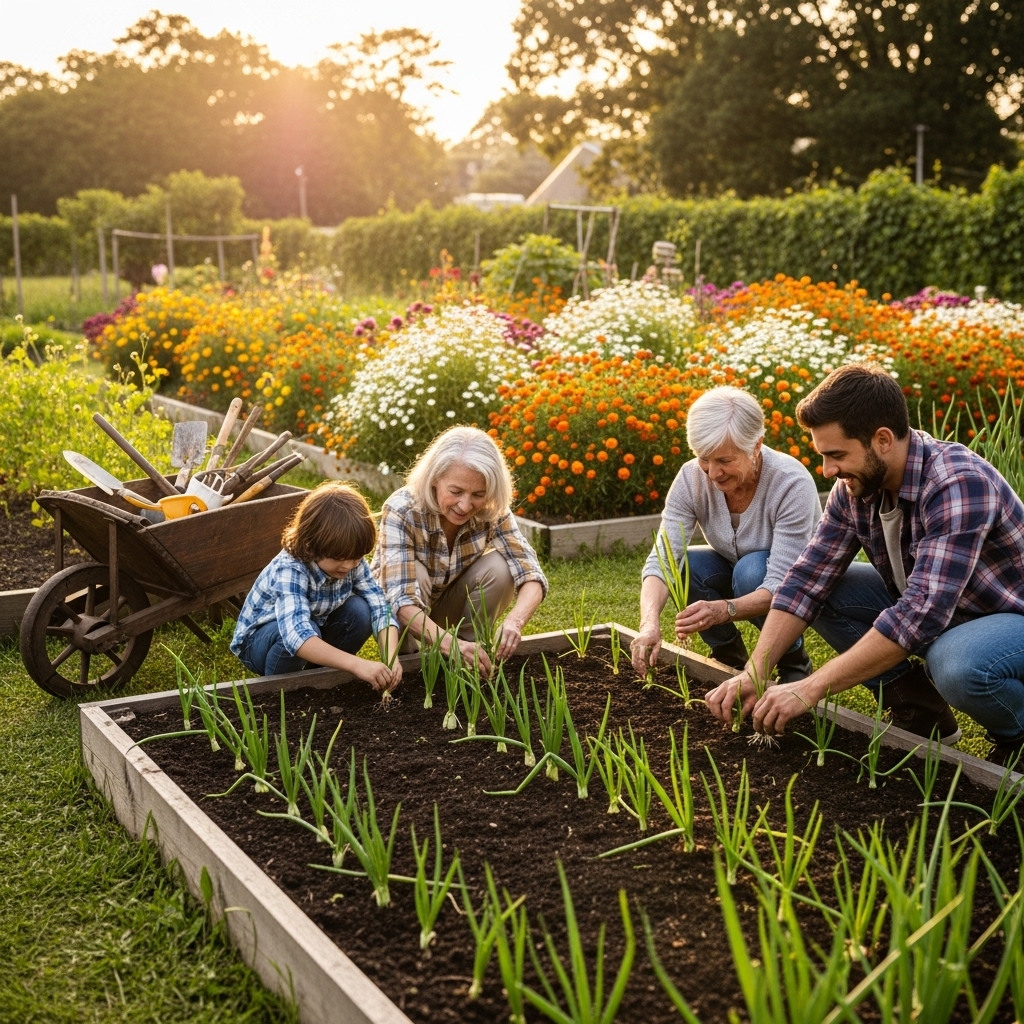
Types of Green Onions
There are a few different types of green onions, and each has its own unique flavor and growth habits. The most common types include:
- Scallions: These are the most widely recognized green onions, with a mild flavor and long green tops. They are harvested young before the bulb develops.
- Spring Onions: These have a more developed bulb than scallions and are slightly stronger in flavor. They are harvested when they are still young, but the bulb is more prominent.
- Bunching Onions: These are similar to scallions but do not form bulbs. They are perfect for continuous harvesting, as they grow in clusters.
In my experience, scallions are my go-to because they are easy to grow and versatile in the kitchen. However, trying different types can add variety to your meals!
Nutritional Benefits of Green Onions
Green onions aren’t just tasty; they also pack a nutritional punch. They are low in calories and high in vitamins A, C, and K. I appreciate how they can add a burst of flavor without adding much to the calorie count of a dish. Additionally, green onions contain antioxidants and have anti-inflammatory properties. Adding them to my meals feels like a small, healthy choice I can make every day.
Preparing for Planting
Choosing the Right Location
Finding the perfect spot for planting green onions is key to their growth. They thrive in full sun, so I always look for a location that gets at least 6 to 8 hours of sunlight each day. If you’re short on space, I’ve had great success growing them in containers on my balcony. Just ensure that the containers receive ample sunlight throughout the day.
Soil Requirements
Green onions prefer well-draining, loamy soil that is rich in organic matter. I like to enrich my soil with compost or well-rotted manure before planting. This not only improves drainage but also adds essential nutrients that help the onions grow strong. A pH level between 6.0 and 7.0 is ideal, so I often check this with a simple soil test kit. If the soil is too acidic or alkaline, I make adjustments using lime or sulfur.
Tools and Materials Needed
Before I start planting, I gather a few essential tools and materials to make the process smoother. Here’s what I typically use:
- Garden Trowel: Perfect for digging holes and mixing soil.
- Rake: Helps to level the soil and remove any debris.
- Watering Can or Hose: Necessary for keeping the soil moist.
- Plant Markers: Useful for keeping track of what I’ve planted, especially if I’m trying different types at once.
Having these tools ready ensures that I can plant efficiently and enjoy the process without feeling rushed or unprepared. I remember how my first planting attempt was a bit chaotic because I didn’t have everything organized, and it made the experience less enjoyable.
When to Plant Green Onions
Best Seasons for Planting
Timing is everything when it comes to planting green onions. I’ve found that they are best planted in early spring or late summer for a fall harvest. If you live in a region with mild winters, you can even plant them in the fall, allowing for an earlier spring harvest. I love the thought of having fresh green onions ready to go as soon as spring rolls around! For more details on timing, check out When to Plant Onions for Best Growth.
Climate Considerations
Green onions are quite hardy, but they do prefer milder climates. I’ve noticed that they thrive in temperatures ranging from 60°F to 75°F. If it gets too hot, the plants may bolt, which means they will flower and go to seed rather than continue to produce edible tops. This happened to me one summer when I was caught off guard by a sudden heatwave. I learned to keep an eye on the weather and be ready to provide some shade if needed.
Choosing Between Seeds and Sets
When it comes to planting green onions, I usually debate between starting from seeds and using sets. Seeds take longer to germinate but allow for a broader variety. I often choose this route when I want to experiment with different types. On the other hand, sets are small, immature bulbs that can be planted directly into the soil. They tend to grow faster and are great for beginners. In my case, I like to keep both options on hand, so I can plant seeds for a long-term supply while also using sets for quicker results.
Step-by-Step Guide to Planting Green Onions
Preparing the Soil
Once I’ve chosen the right location and gathered my tools, I dive into preparing the soil. I usually start by clearing out any weeds or debris, as they can compete with my green onions for nutrients. After that, I like to loosen the soil with my garden trowel. This helps create a nice, aerated environment for the roots to grow. It’s amazing how much better my plants do when I take the time to prep the soil properly. To enrich it further, I mix in compost to add nutrients and improve drainage. I’ve found that a well-prepared bed makes all the difference when it comes to the health of my green onions.
Planting Seeds vs. Sets
The next step is planting! If I’m using seeds, I usually scatter them lightly in rows and then cover them with a thin layer of soil, no more than half an inch deep. I’ve learned that they need some light to germinate, so I make sure not to bury them too deep. If I’m using sets, I create small holes in the soil, placing them about an inch deep. I love the instant gratification that comes from using sets since I can actually see them take off. No matter which method I choose, I always water gently afterward to settle the soil around them. It’s such a rewarding feeling to see those tiny green shoots start to poke through the soil a few weeks later!
Spacing and Depth Guidelines
Spacing is crucial for my green onions to thrive. I usually space seeds about 2 inches apart in each row, allowing enough room for them to grow tall and healthy without crowding. If I’m planting sets, I tend to place them about 4 inches apart. This way, they have plenty of room to spread out and develop. I remember when I first started, I didn’t pay enough attention to spacing, and my onions ended up competing for nutrients, which wasn’t ideal. Now, I always remind myself that a little extra care in this stage leads to a bigger, better harvest.
Watering and Care Techniques
Watering Frequency and Techniques
Watering is one of the most important aspects of caring for my green onions. I typically keep the soil consistently moist, especially during the germination phase. If I notice the top inch of soil is dry, I give them a good soak. I’ve found that deep, infrequent watering works best, rather than a little bit every day. This encourages the roots to grow deeper into the soil, which helps the plants become more resilient. I can’t stress enough how essential it is to monitor the moisture levels, as overwatering can lead to rot, and underwatering can stunt their growth.
Fertilizing Green Onions
Fertilizing is another task I take seriously. I usually apply a balanced, all-purpose fertilizer about four weeks after planting to give my green onions a nutrient boost. I like to use organic options, such as fish emulsion or compost tea, which have worked wonders for my garden. I’ve noticed a significant difference in growth when I consistently fertilize at the right times. I try to follow up with another application a few weeks later to keep them nourished throughout their growing season.
Pest and Disease Management
As with any garden, pests can be a concern. I’ve encountered aphids and onion flies in the past, so I always keep an eye out for any unusual activity on my plants. If I spot pests, I usually opt for organic insecticidal soap or neem oil, which are effective and safe for my garden. Additionally, I’ve found that planting marigolds nearby helps deter pests naturally. Preventing diseases is equally important, so I make sure to practice crop rotation each season. This helps avoid soil-borne diseases, ensuring that my green onions stay healthy and vibrant.
Harvesting Green Onions
Signs of Maturity
After all the hard work, one of the most exciting parts is harvesting my green onions. I usually know they’re ready when the tops are about 6 to 8 inches tall and the bulbs start to swell slightly. It’s a thrill to pull them from the soil and see how well they’ve grown. I’ve learned that harvesting too early can lead to a less flavorful onion, so I try to be patient and wait for the right time. Sometimes, I can’t resist and pull one up early just to see how it tastes!
How to Harvest for Continuous Growth
I’ve discovered that there’s an art to harvesting green onions for continued growth. Instead of pulling the entire plant, I cut the green tops with scissors, leaving about an inch of the bulb in the soil. This way, they keep producing new greens, and I can enjoy fresh onions over and over again. It’s become a routine for me to snip off what I need for cooking, then watch as they regrow, making my garden feel productive and rewarding.
Storing and Using Fresh Green Onions
Once I’ve harvested, I like to store my green onions properly to prolong their freshness. I usually wrap them in a damp paper towel and place them in a plastic bag in the fridge. This helps keep them crisp for a week or more. I love using them in various recipes, from salads to stir-fries, or even as a garnish on soups. The versatility they offer makes them a favorite in my kitchen, and I feel proud knowing that I’ve grown them myself.
Common Mistakes to Avoid
Overwatering and Underwatering
One of the most common mistakes I’ve made when starting my green onion journey was not getting the watering right. I remember the first time I planted them; I was so eager to see them grow that I watered them every day. Unfortunately, this led to soggy soil and ultimately, rot. I learned that green onions prefer consistent moisture but not to be waterlogged. Now, I check the top inch of the soil—if it’s dry, I give them a good soak, but I avoid watering again until it’s dry. Finding that balance can take a little practice, but it’s worth the effort for healthier plants.
Neglecting Soil Quality
Another lesson I learned the hard way was the importance of soil quality. When I first started, I thought any soil would do, and I didn’t pay much attention to enriching it. My green onions struggled to grow, and I was left feeling frustrated. Now, I make it a priority to add organic matter to my soil, like compost, which not only improves the texture but also provides necessary nutrients. I’ve found that good soil is the foundation for thriving plants. If you give your green onions a healthy environment, they’ll reward you with lush growth.
Ignoring Pest Control
Pest management is another area where I initially dropped the ball. I remember noticing some tiny insects on my plants but thought they wouldn’t be a big deal. A few days later, those little pests multiplied, and my green onions were looking worse for wear. I quickly realized that keeping an eye on pests is crucial. Now I check my plants regularly for signs of trouble and take action immediately. I recommend using organic pest control methods, like insecticidal soap or even introducing beneficial insects like ladybugs. These little actions can save your crop and keep your garden flourishing.
Extending the Harvest Season
Techniques for Year-Round Growth
One of my favorite aspects of gardening is finding ways to extend the harvest season. I’ve experimented with various techniques to ensure I have green onions available year-round. One method I’ve had success with is succession planting. This means I stagger my planting dates, so I always have a fresh batch ready to harvest. For example, I might plant new green onions every few weeks during the growing season. This way, when one batch is ready to harvest, I have another one just starting to grow. It keeps my kitchen stocked and my cooking interesting!
Indoor vs. Outdoor Growing
If you’re limited on outdoor space or live in a colder climate, I’ve found that growing green onions indoors can be a game changer. I started growing a small batch in pots on my kitchen windowsill, and it’s been fantastic! They thrive in bright light, and having fresh green onions just a snip away feels luxurious. When planting indoors, I use good potting soil and ensure they get plenty of sunlight. If my window isn’t bright enough, I’ve even tried using grow lights to give them that extra boost. It’s a simple way to guarantee a steady supply, no matter the season.
Using Hydroponics for Continuous Supply
Hydroponics is another exciting method I’ve explored for growing green onions. I was a bit intimidated at first, thinking that it would be too complicated, but once I got started, I realized how rewarding it could be. Hydroponics allows me to grow green onions without soil, using nutrient-rich water instead. I set up a simple system in my basemínkat, and the results have been impressive. Not only do they grow rapidly, but I also find that I have fewer pest issues. If you’re looking for a way to produce a constant supply of green onions, I wholeheartedly recommend giving hydroponics a try!
Frequently Asked Questions
Can I regrow green onions from kitchen scraps?
Absolutely! One of the easiest things I’ve done is regrow green onions from kitchen scraps. Simply take the white root ends and place them in a glass of water, making sure they are submerged. Set the glass on a sunny windowsill and change the water every few days. Within a week or two, you’ll see new green tops sprouting. This method not only saves money but also reduces waste—talk about a win-win!
How long does it take for green onions to grow?
From my experience, green onions can grow fairly quickly. If you’re starting from seeds, it typically takes about 8 to 12 weeks to reach maturity. However, if you’re using sets, you might be able to start harvesting in as little as 4 to 6 weeks. The best part is that once they’re established, you can keep harvesting regularly, leading to a continuous supply.
What are companion plants for green onions?
Companion planting is something I love to explore. I’ve found that green onions grow well alongside carrots, beets, and even tomatoes. These plants can benefit from each other, helping to deter pests and improve growth. I always try to plan my garden layout to include these companions. It feels good knowing that my garden is working together harmoniously, contributing to a healthier ecosystem.
Frequently Asked Questions
What are green onions?
Green onions, also known as scallions or spring onions, are a versatile vegetable that can enhance the flavor of many dishes. They have a mild taste and can be used both raw in salads or cooked in various recipes.
What types of green onions are there?
The most common types of green onions include scallions, spring onions, and bunching onions. Scallions are widely recognized with a mild flavor, spring onions have a more developed bulb with a stronger flavor, and bunching onions do not form bulbs, making them perfect for continuous harvesting.
What are the nutritional benefits of green onions?
Green onions are low in calories and high in vitamins A, C, and K. They also contain antioxidants and have anti-inflammatory properties, making them a healthy addition to meals.
When is the best time to plant green onions?
Green onions are best planted in early spring or late summer for a fall harvest. In regions with mild winters, they can even be planted in the fall for an earlier spring harvest.
How should I prepare the soil for planting green onions?
Green onions prefer well-draining, loamy soil rich in organic matter. It is beneficial to enrich the soil with compost or well-rotted manure, and a pH level between 6.0 and 7.0 is ideal.
What is the proper way to water green onions?
Watering should keep the soil consistently moist, especially during germination. Deep, infrequent watering is preferred over daily watering to encourage deeper root growth and prevent rot.
How can I harvest green onions for continuous growth?
To harvest green onions for continuous growth, cut the green tops with scissors, leaving about an inch of the bulb in the soil. This allows the plants to keep producing new greens.
What common mistakes should I avoid when growing green onions?
Common mistakes include overwatering or underwatering, neglecting soil quality, and ignoring pest control. Monitoring moisture levels, enriching soil, and checking for pests regularly can help ensure healthy growth.
Can green onions be grown indoors?
Yes, green onions can be successfully grown indoors in pots on a windowsill. They thrive in bright light, and if natural light is insufficient, using grow lights can support their growth.
How can I regrow green onions from kitchen scraps?
You can regrow green onions by placing the white root ends in a glass of water, ensuring they are submerged. Place the glass on a sunny windowsill and change the water every few days, and new green tops will sprout within a week or two.