
To plant groundnut (peanut) for high yield, choose the right variety, prepare your soil properly, and ensure optimal growing conditions. From my experience, understanding the nuances of planting and maintaining groundnuts is essential for a fruitful harvest. Read Interesting article: Growing American Groundnuts: Tips & Tricks for Home Garden Success
Understanding Groundnuts (Peanuts)
What are Groundnuts?
Groundnuts, commonly known as peanuts, are legumes that grow underground, unlike most other nuts that grow on trees. They are rich in proteins, healthy fats, and essential nutrients, making them a popular food source worldwide. I remember my first encounter with these charming little legumes; I was amazed to learn they are not actually nuts but rather part of the legume family, like beans and lentils. Their unique growing method, where they develop pods beneath the soil, fascinated me and drew my interest in cultivating them.
Nutritional Benefits of Groundnuts
Groundnuts offer a plethora of nutritional benefits. They’re an excellent source of plant-based protein, making them a staple for vegetarians and anyone looking to incorporate more protein into their diet. Packed with vitamins and minerals, including vitamin E, magnesium, and folate, they also contain healthy fats, particularly monounsaturated fats, which are beneficial for heart health. In my own diet, I’ve found that adding groundnuts not only enhances the flavor of dishes but also boosts their nutritional profile. Whenever I snack on roasted peanuts, I feel good knowing I’m choosing a healthy option.
Types of Groundnuts
There are several varieties of groundnuts, each with its own unique characteristics. The main types include Virginia, Runner, Spanish, and Valencia peanuts. Virginia peanuts are often larger and are typically used for roasting and in snacks. Runner peanuts are commonly grown in the southern United States and are known for their high yield. Spanish peanuts have a distinctive reddish-brown skin and are often used for making peanut butter. Valencia peanuts are small and sweet, often found in organic products. I learned that selecting the right type for my climate and soil can significantly impact my harvest, and I encourage others to consider this carefully when planning their planting. Read Interesting article: Tree Diameter Growth Rate Calculation and Growth Formula
Preparing for Planting Groundnuts
Choosing the Right Variety
The first step in preparing to plant groundnuts is selecting the right variety for your region. Different varieties thrive in different climates and soil types. For instance, if you live in a warmer area, Runner or Virginia varieties might be ideal. I personally experimented with several types before settling on the Runner variety, which has produced consistently high yields in my garden. It’s crucial to choose a variety that suits your local growing conditions to set yourself up for success.
Soil Requirements and Preparation
Groundnuts thrive in well-drained, sandy loam soils with good organic content. While they can tolerate various soil types, I found that preparing the soil adequately is key to achieving a bountiful harvest. Before planting, I recommend tilling the soil to a depth of at least 12 inches and mixing in organic matter like compost or well-rotted manure. This not only improves soil structure but also boosts nutrient availability, giving the plants a great start. I remember how my soil preparation made a noticeable difference in the growth of my groundnuts compared to previous years when I neglected this step.
Testing Soil pH and Nutrients
Testing your soil pH and nutrient levels is another important step. Groundnuts prefer a pH range of 6.0 to 7.0. I found that using a simple soil testing kit helped me identify any deficiencies or excesses in nutrients. When I first started growing groundnuts, I learned the hard way that ignoring soil tests can lead to poor growth and yield. If your soil is too acidic or alkaline, you can amend it with lime or sulfur to reach the optimal pH. Regular testing not only helps in understanding your soil but also guides fertilization strategies.
How to Improve Soil Fertility
If your soil fertility is lacking, there are several ways to improve it before planting. Adding organic matter like compost is one of the best methods I’ve found. Additionally, incorporating cover crops such as clover or vetch can enhance soil fertility by fixing nitrogen in the soil. I often rotate my crops to allow the soil to recover and replenish its nutrients naturally. Remember, healthy soil leads to healthy plants, and the effort you put into improving soil fertility will pay off with a higher yield of groundnuts.
Optimal Planting Conditions
Best Time to Plant Groundnuts
Timing can make a huge difference in the success of any crop, and groundnuts are no exception. I’ve found that the best time to plant groundnuts is typically in the spring after the last frost. The soil temperature should be around 65°F (18°C), which ensures that the seeds germinate effectively. I remember the first year I planted too early, thinking I could get a head start, only to have the seeds rot in the cold soil. Now, I always wait until late April or early May, depending on my local climate. This patience pays off with healthier plants and better yields.
Climate and Weather Considerations
Groundnuts thrive in warm climates, which is why they’re often grown in southern regions. They need plenty of sunlight and warmth to grow successfully. I’ve learned to monitor the weather closely during planting season. Ideally, groundnuts need around 120 to 150 frost-free days to mature fully. If you live in an area with unpredictable weather, it’s wise to check the forecast and plan accordingly. I recall being caught off-guard by an unexpected cold snap, which set back my crop significantly. Keeping an eye on the weather helps me avoid such surprises.
Choosing the Right Location
Finding the perfect spot in your garden is essential for planting groundnuts. I always look for areas with full sun exposure, as these plants love the heat. Additionally, I make sure the location has good drainage, as standing water can cause root rot. In my garden, I’ve designated a section that gets plenty of sunlight and has gently sloping ground, which helps with drainage. I also avoid planting near trees or large shrubs that might cast shade. In my experience, the right location can significantly impact the growth and yield of groundnuts.
Step-by-Step Guide to Planting Groundnuts
Seed Selection and Treatment
Choosing the right seeds is just as important as selecting the variety. When I first began my journey with groundnuts, I learned that using certified seeds can make a big difference in yield and disease resistance. I usually purchase seeds from a reputable source to ensure quality. Before planting, I also treat the seeds with a fungicide or soak them in water for a few hours. This helps protect them from soil-borne diseases. It’s a simple step that I’ve found increases the chances of successful germination.
Planting Techniques (Row vs. Broadcast)
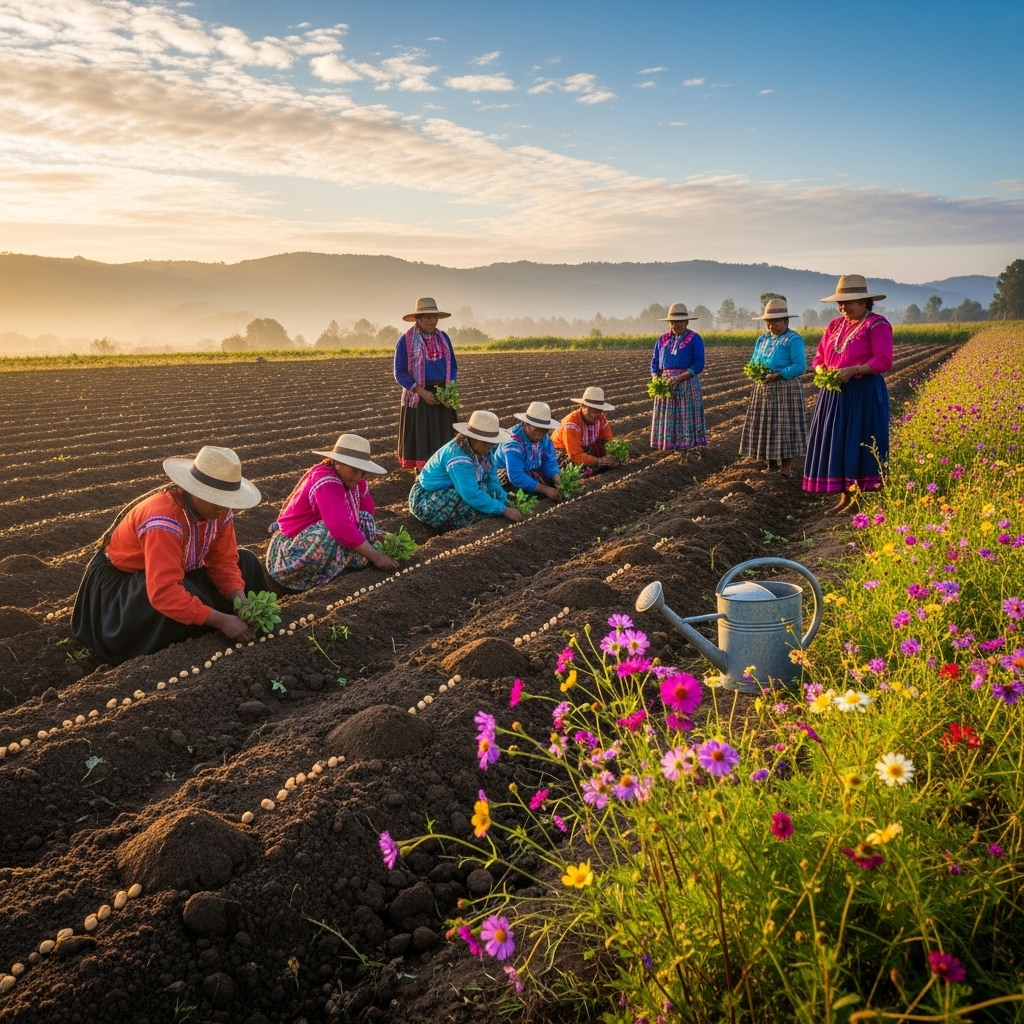
There are a couple of methods for planting groundnuts: row planting and broadcasting. Personally, I prefer row planting because it makes it easier to manage the plants as they grow. I plant the seeds in rows about 30 inches apart, which allows for good air circulation and makes it easier to weed around them. Some gardeners opt for broadcasting, which involves scattering the seeds over the soil. While this method can work, I feel that row planting gives each plant more space to grow and leads to higher yields.
Spacing and Depth for High Yield
When it comes to spacing, I’ve learned that giving groundnuts enough room is crucial. I usually plant the seeds about 4 to 6 inches apart in the rows. For the depth, I plant them about 1 to 2 inches deep. This depth helps the seeds stay moist while allowing them to emerge easily. I remember a time when I planted too deep, and it took forever for the seedlings to break through the soil. Now, I make sure to follow these guidelines for better results.
Watering Requirements After Planting
Watering is another critical aspect after planting. Groundnuts need consistent moisture, especially during germination. I typically water my newly planted seeds thoroughly, then monitor the soil moisture for the following weeks. I use a mulch layer to retain moisture and suppress weeds, which has made a difference in reducing the frequency of watering. It’s essential not to overwater, though, as this can lead to root rot. I check the soil by sticking my finger in about an inch deep; if it feels dry, then it’s time to water. Keeping the soil evenly moist has helped me achieve a robust and healthy crop.
Caring for Groundnut Plants
Weed Management Strategies
Weeds can be the bane of any gardener’s existence, and I’ve learned that managing them early on is vital. After planting my groundnuts, I make it a point to regularly check for weeds. I often use mulch to prevent weeds from sprouting, but when they do appear, I hand-pull them to avoid disturbing the groundnut plants. I remember a season when I neglected weed control, and it significantly impacted my yield. Now, I set aside time weekly to keep my plots clean and free of competition for nutrients and water.
Pest and Disease Control
Keeping an eye out for pests and diseases is crucial for maintaining healthy groundnut plants. I’ve encountered aphids and spider mites in the past, so I’ve started using organic insecticidal soap as a preventative measure. Additionally, I regularly inspect the leaves for any signs of disease, like yellowing or wilting. When I notice issues, I act quickly—removing affected leaves or treating the plants with organic fungicides. This proactive approach helps me keep the plants healthy and productive.
Fertilization Schedule
Fertilizing my groundnuts has proven to be essential for robust growth. After planting, I apply a balanced fertilizer with an N-P-K ratio appropriate for legumes. I’ve learned that too much nitrogen can lead to excessive foliage growth at the expense of pods, which is something I want to avoid. I usually fertilize again when the plants are about 6 inches tall, and then once more about halfway through the growing season. Observing how my plants respond to fertilization has taught me the importance of tailoring my approach to their needs.
Watering Practices for Optimal Growth
In addition to initial watering, I’ve found that maintaining consistent moisture throughout the growing season is critical. Groundnuts require about 1 inch of water per week, either from rainfall or irrigation. I usually water deeply and less frequently, allowing the soil to dry slightly between waterings. I’ve found that this encourages the plants to develop deeper root systems, which leads to healthier plants. Regularly checking the soil moisture has become a part of my routine to ensure my groundnuts thrive.
Harvesting Groundnuts
Signs of Maturity
Knowing when to harvest groundnuts is crucial for getting the best yield. From my experience, the signs of maturity can be quite subtle but are essential to watch for. Typically, groundnuts are ready to be harvested about 120 to 150 days after planting. I’ve learned to look for yellowing leaves and the pods starting to harden. One of the most telling signs is when the lower leaves begin to drop off; this is nature’s way of telling you that the plant has finished its life cycle. I remember the excitement I felt the first time I dug into the soil and found perfectly formed pods. It’s a rewarding moment when you realize all your hard work has paid off!
Best Practices for Harvesting
When it comes to actually harvesting groundnuts, I’ve found that a gentle approach works best. Using a garden fork or spade, I carefully loosen the soil around the plants, making sure not to damage the pods. I usually start digging a few inches away from the base of the plant to avoid breaking any roots. Once I’ve loosened the soil, I pull the plants out gently, ensuring I bring up the entire root system. I remember the first time I was too rough and ended up losing some pods in the soil—definitely not an experience I wanted to repeat! After pulling them out, I shake off the excess soil and lay the plants out to dry in a shaded, well-ventilated area.
Post-Harvest Handling and Storage
After harvesting, proper handling is key to preserving the quality of your groundnuts. I typically let them dry for about two weeks, which helps reduce moisture and prevents mold. During this time, I keep them in a cool, dry place away from direct sunlight. Once they’re adequately dried, I remove the pods from the plants. I’ve found that using my hands is the most effective way to do this, gently squeezing the pods to release the nuts inside. I remember being overly eager and trying to rush the process, but taking my time has always yielded better results.
For storage, I recommend placing the dried groundnuts in breathable bags or containers to allow for air circulation. In my experience, keeping them in a cool, dark place helps maintain their freshness for months. I’ve tried storing them in the pantry, but they tend to lose their quality faster. Instead, I now use a cabinet in my basemínkat where the temperature remains stable. Regularly checking for any signs of spoilage is also a good practice to ensure your harvest lasts as long as possible. Read Interesting article: Straw Bale Gardening: A Beginner’s Guide to this Amazing Technique
Maximizing Groundnut Yield
Crop Rotation Benefits
One of the best ways I’ve found to maximize my groundnut yield is through crop rotation. Rotating my crops not only helps prevent soil depletion but also minimizes the risk of pest and disease buildup. I usually alternate groundnuts with crops like corn or soybeans, which can help balance nutrient levels in the soil. This practice has made a noticeable difference in the health of my plants. I remember a year when I neglected rotation, and my groundnuts seemed weaker and produced less. Since then, I’ve made crop rotation a priority, and it has genuinely improved my overall yield.
Companion Planting for Groundnuts
Companion planting is another technique I’ve embraced to enhance my groundnut harvest. Pairing groundnuts with plants like corn or sunflowers has proven beneficial. These companion plants provide shade and support, which helps groundnuts thrive. I also like to include marigolds in my garden, as they attract beneficial insects that help keep pests at bay. I often notice that my groundnuts grow stronger and produce more when they have good companions around them. It’s fascinating how nature works together, and utilizing these relationships has been a game-changer in my gardening experience.
Monitoring and Adjusting Growing Conditions
Monitoring and adjusting growing conditions is essential for any gardener, and it’s something I’ve learned to do diligently. Regularly checking the moisture levels in the soil, observing how plants react to different weather conditions, and adjusting my watering schedule accordingly has made a big difference. For example, during particularly hot spells, I’ve learned to increase watering frequency to keep the soil consistently moist. I remember a season when I didn’t adjust quickly enough, and my groundnuts suffered from stress. Since then, I’ve committed to staying vigilant about my plants’ needs, leading to healthier growth and a more bountiful harvest.
Frequently Asked Questions
What are groundnuts?
Groundnuts, commonly known as peanuts, are legumes that grow underground. They are rich in proteins, healthy fats, and essential nutrients, making them a popular food source worldwide.
What nutritional benefits do groundnuts offer?
Groundnuts are an excellent source of plant-based protein, vitamins, and minerals, including vitamin E, magnesium, and folate. They contain healthy fats, particularly monounsaturated fats, which are beneficial for heart health.
What are the main types of groundnuts?
The main types of groundnuts include Virginia, Runner, Spanish, and Valencia peanuts, each with unique characteristics suitable for different uses and growing conditions.
What soil conditions are best for planting groundnuts?
Groundnuts thrive in well-drained, sandy loam soils with good organic content. It’s important to prepare the soil by tilling and mixing in organic matter like compost or well-rotted manure.
When is the best time to plant groundnuts?
The best time to plant groundnuts is typically in the spring after the last frost, when the soil temperature is around 65°F (18°C), to ensure effective seed germination.
How should I space groundnut seeds when planting?
Groundnut seeds should be planted about 4 to 6 inches apart in rows, with a planting depth of about 1 to 2 inches to ensure they stay moist and emerge easily.
What watering practices should I follow after planting groundnuts?
Groundnuts need consistent moisture, especially during germination. Water thoroughly after planting and monitor soil moisture, using mulch to retain moisture and suppress weeds.
What are the signs of maturity for harvesting groundnuts?
Groundnuts are typically ready to harvest about 120 to 150 days after planting. Signs of maturity include yellowing leaves and hardened pods, as well as the dropping of lower leaves.
How should groundnuts be stored after harvesting?
After harvesting, groundnuts should be dried for about two weeks in a cool, dry place away from direct sunlight. They should then be stored in breathable bags or containers in a cool, dark place to maintain freshness.
How can crop rotation benefit groundnut yield?
Crop rotation helps prevent soil depletion and minimizes the risk of pest and disease buildup. Alternating groundnuts with crops like corn or soybeans can help maintain balanced nutrient levels in the soil.