
To plant mint without it taking over your garden, use containers or create barriers in the soil to control its spread. This way, you can enjoy its fresh flavor without the invasive tendencies that often accompany this delightful herb. Read Interesting article: Planting a Spring Herb Garden: Guide for Herbal Teas
Understanding Mint: The Plant and Its Varieties
Mint is one of those herbs that can transform a dish from ordinary to extraordinary. I’ve always loved the refreshing taste of mint, whether in a cool drink or a savory dish. But I quickly learned that it can be a bit of a diva in the garden if not properly managed. Before diving into the best ways to plant mint, let’s explore what makes this plant so special and why we need to be cautious about its growth.
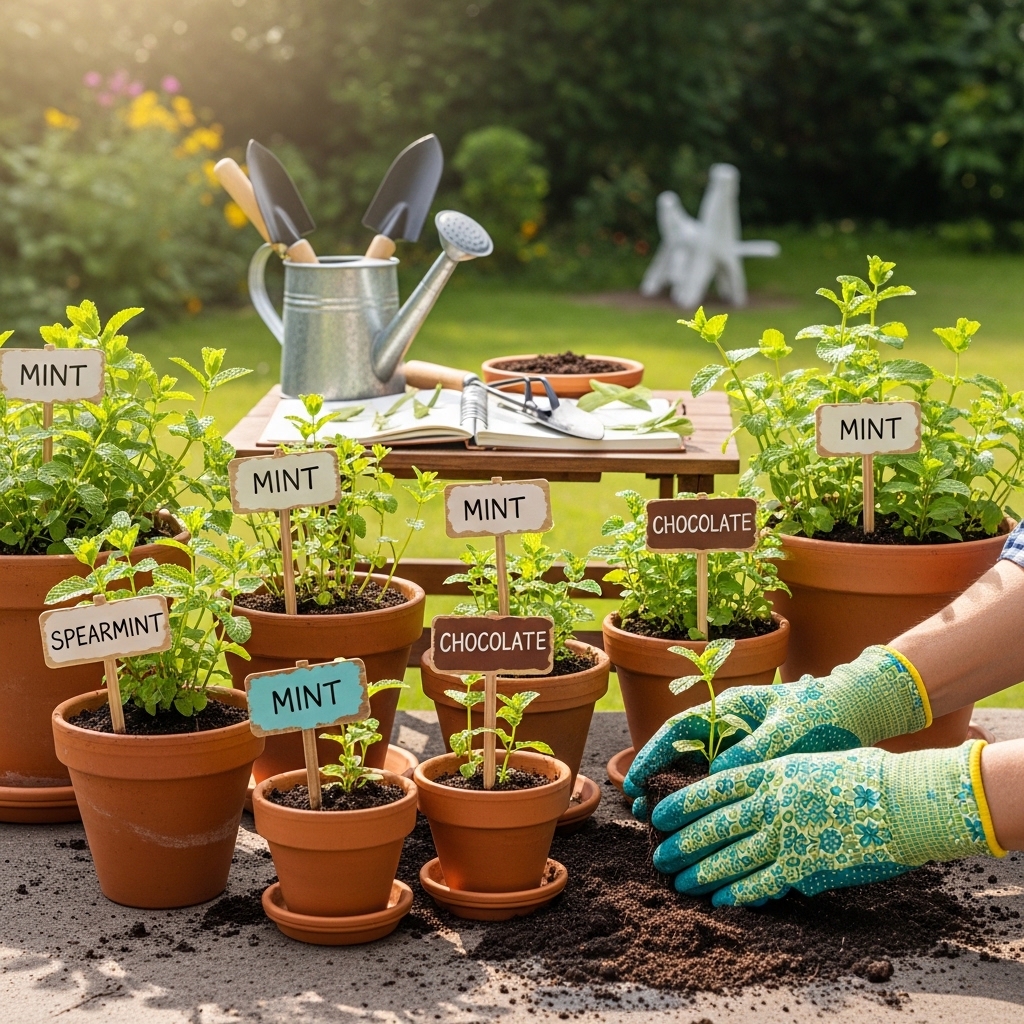
Common Types of Mint
When we talk about mint, we’re not just referring to a single type. There are several varieties, each with its own unique flavor and aroma. The most common types include:
- Spearmint: This is the mint most people think of when they picture mint. It’s sweet and refreshing, making it perfect for beverages and desserts.
- Peppermint: Known for its strong flavor, peppermint is commonly used in candies, teas, and essential oils.
- Chocolate Mint: This variety adds a delightful twist, combining the flavors of mint and chocolate. It’s great for desserts!
- Apple Mint: With a fruity flavor, apple mint is perfect for fruit salads or refreshing beverages.
Each type of mint has its own growing needs and characteristics. I’ve found that the type you choose can influence how you manage its growth, so it’s worth considering what you plan to use it for. Read Interesting article: Grow Vietnamese Coriander: Best Tips for a Delicious Herb Harvest
Characteristics of Mint Plants
Mint plants are known for their square stems and serrated leaves, which are often fuzzy. They typically grow in clumps and can reach heights of 12 to 36 inches. One thing I’ve noticed is their vibrant green color; it really stands out in any garden setting. Mint also produces small flowers that can attract bees and other pollinators, which is a nice bonus for your garden ecosystem.
However, what’s most important to note is mint’s growth habit. It has a tendency to spread rapidly through underground runners, which is why people often end up with a mint jungle if they’re not careful. Understanding these characteristics can help us manage its growth effectively.
Why Mint Can Become Invasive
Having mint in your garden can be a double-edged sword. On one hand, it’s a fantastic herb to have on hand. On the other hand, its invasive nature can quickly lead to chaos in your garden. I learned this the hard way when I planted a few sprigs of mint, only to find it taking over my vegetable patch a few weeks later.
Growth Habits of Mint
Mint grows aggressively by sending out underground rhizomes, which are stems that spread horizontally. These rhizomes can pop up several feet away from the parent plant, leading to an explosion of mint where you might not want it. I remember when I first planted mint; it seemed innocent enough, but before I knew it, I had mint sprouting in places I didn’t even plant it! It’s essential to realize that if you don’t establish some boundaries, mint can easily monopolize your garden space.
Impact on Garden Ecosystems
The rapid growth of mint can disrupt the balance in your garden ecosystem. When mint spreads, it can overshadow other plants, stealing sunlight and nutrients necessary for their growth. I’ve seen this happen when I planted it too close to my tomatoes. The mint thrived, while my tomatoes struggled to compete. It’s not just the space; mint can also affect soil quality and moisture levels, which is something to keep in mind as you plan your garden layout.
To enjoy the benefits of mint without it taking over, it’s crucial to take a proactive approach to planting and maintaining it. In the next sections, I’ll share some valuable tips on how to prepare for planting mint and techniques to keep its growth in check.
Preparing to Plant Mint
Choosing the Right Location
When it comes to planting mint, I’ve realized that choosing the right location is crucial. Mint loves sunlight, so I typically look for a spot that gets at least six hours of direct sun each day. However, I also noticed that it can tolerate partial shade, which can be perfect for those hot summer days when I want to protect it from too much heat. If you have a sunny spot, that’s ideal, but make sure it has some airflow to prevent any dampness that can lead to problems.
In my experience, I’ve found that mint does particularly well near pathways or in corners of my garden where I can keep an eye on it. This way, I can easily monitor its growth and make sure it doesn’t start to spread out of control. I also recommend avoiding areas where other plants might get overshadowed by mint’s rapid growth; it’s all about balance in the garden.
Soil Requirements for Mint
Mint is not overly fussy about soil, but I’ve come to appreciate the benefits of starting with a good quality, well-draining soil. I usually mix in some compost to provide extra nutrients. Mint prefers slightly acidic to neutral soil (around pH 6.0 to 7.0), which I’ve found helps it grow lush and healthy. If you’re unsure about your soil’s acidity, a simple pH test can guide you in the right direction. I remember when I didn’t pay attention to soil quality, and my mint didn’t thrive as I had hoped. Now, I always take care to prepare the soil properly before planting.
Selecting Mint Varieties for Limited Spread
If you’re worried about mint taking over your garden, I can relate. I’ve learned that selecting the right variety can make all the difference. Some types are less aggressive than others. For example, I’ve found that apple mint tends to spread less compared to spearmint or peppermint. Chocolate mint is another option that’s a bit more contained in its growth. I think it’s important to consider what you want to use the mint for, as each variety has its own charm and flavor, but also its own growth habits.
In my garden, I like to mix a couple of varieties in containers to enjoy different flavors while keeping everything under control. It’s a fun way to experiment without letting the mint monopolize my garden space. Read Interesting article: Buttermint Camellia: A Stunning Addition to Your Garden
Planting Techniques to Control Mint Growth
Using Containers for Mint
One of the best decisions I made was using containers to plant my mint. It allows me to enjoy all the benefits of fresh mint without worrying about it spreading like wildfire. I usually opt for a pot that’s at least 12 inches deep, which gives the roots enough room to grow while keeping them contained. I’ve even painted some of my pots in bright colors, which adds a fun touch to my garden décor.
When planting in containers, I fill them with a high-quality potting mix and ensure there’s good drainage. I’ve learned that mint doesn’t like to sit in water, so I make sure to check the soil moisture regularly. Plus, having mint in containers makes it super easy to move them around if the weather changes or if I want to show off my mint on the patio.
Creating Barriers in the Ground
If you prefer to plant mint directly in the ground, I recommend using barriers to keep its growth in check. I’ve used landscape fabric or even old garden edging to create a physical barrier around the mint. This helps to prevent those sneaky rhizomes from escaping and invading other parts of the garden. When I first tried this method, I was pleasantly surprised by how well it worked; my mint thrived without wreaking havoc on my other plants.
When installing barriers, I dig a trench about 12 inches deep and place the material in. This way, even the sneakiest root runners can’t escape. I’d say it’s a small investment for peace of mind!
Raised Beds vs. Ground Planting
Raised beds can be another great option for planting mint. I’ve found that they provide excellent drainage and can help control the growth of mint. If you choose to go this route, make sure the bed is at least 12 inches high. I love the look of raised beds in my garden, and it’s a simpler way to keep all my herbs organized.
On the flip side, if you decide to plant mint directly in the ground, just remember to take precautions. In my experience, it’s all about your gardening style and how much control you want over your plants. Either way, mint can be a wonderful addition to your garden when you plant it thoughtfully.
Care and Maintenance of Mint Plants
Watering Needs
Taking care of mint is relatively straightforward, but I’ve found that watering is a crucial aspect that shouldn’t be overlooked. Mint enjoys moist soil, but it doesn’t like to be waterlogged. I usually check the top inch of the soil; if it feels dry, it’s time to water. My mint plants thrive when I give them a good soak, allowing the water to penetrate deeply. I’ve learned that it’s better to water less frequently but deeply than to give them a little sip every day. This approach encourages the roots to stretch down into the soil, making the plants stronger.
During hotter months, I’ve noticed that I need to increase my watering frequency. If I’m growing mint in containers, I make sure to monitor them more closely, as they can dry out faster than those in the ground. Also, if you’re in an area with high humidity, be cautious; sometimes too much moisture can lead to root rot. Keeping an eye on the weather and adjusting my watering routine has made a significant difference in the health of my mint.
Pruning and Harvesting Mint
Pruning mint is one of my favorite tasks because it keeps the plant healthy and encourages bushier growth. I usually start pruning when the plants are around 6-8 inches tall. I’ve noticed that if I pinch off the tips of the stems, it encourages more branching and results in a fuller plant. Plus, it’s a great way to keep mint from getting too leggy.
When it comes to harvesting, I like to snip off leaves as needed, starting from the top and working my way down. I’ve found that the best flavor is in the younger leaves, so I often reserve those for fresh dishes. If I’m planning to dry mint for later use, I wait until the plant is well-established and then cut back stems in the morning after the dew has dried. This timing seems to help preserve the essential oils and flavor. It’s so satisfying to see my mint thriving and to know that I can use it in so many ways!
Fertilizing Mint Correctly
Mint isn’t particularly demanding when it comes to nutrients, but I’ve found that a little fertilizer can go a long way in keeping it healthy. I typically use an organic fertilizer, like a balanced 10-10-10, once in early spring and again mid-summer. I remember when I first started gardening; I didn’t fertilize my mint, and it didn’t grow as lush as I had hoped. Since I incorporated fertilizing into my routine, my plants have flourished.
In addition to regular fertilization, I also like to apply a layer of compost around the base of my mint plants. This not only provides nutrients but also helps retain moisture in the soil. It’s a simple method that I’ve found makes a noticeable difference in the vigor of my mint. Just be careful not to over-fertilize, as too many nutrients can lead to a growth spurt that may encourage more invasive tendencies!
Dealing with Mint Overgrowth
Signs of Invasion
It’s essential to keep an eye on mint, as it can quickly go from a cute little plant to a garden tyrant. One sign of overgrowth is if you start finding mint sprouting in unexpected places, like your flower beds or vegetable patches. I remember taking a stroll through my garden and discovering mint popping up next to my squash plants—definitely not the company I wanted my squash to keep!
Another sign is when mint starts to overshadow other plants. If you notice that your other herbs or flowers are struggling for sunlight, it might be time to take action. I’ve also found that if your mint leaves are looking sparse or leggy, it may be a sign that it’s competing too fiercely with neighboring plants. Regular checks of your garden help catch these issues before they become overwhelming.
Methods to Control Mint Spread
To keep mint from becoming a problem, I’ve adopted several strategies. First, I regularly check the boundaries of my mint plants, especially if they’re in the ground. If I see any rhizomes attempting to escape the designated area, I quickly pull them out. I’ve learned that consistent monitoring is key to managing its growth.
Another method I use is to dig up and divide my mint every couple of years. This not only helps control the spread but also rejuvenates the plant. I usually choose a cool day to do this, gently lifting the root ball and separating it into smaller sections. It’s a great way to share with friends or plant new pots around my garden. I’ve found that by being proactive, I can enjoy mint without feeling overwhelmed by its vigorous nature.
Frequently Asked Questions
1. How can I plant mint without it taking over my garden?
To plant mint without it taking over, use containers or create barriers in the soil to control its spread.
2. What are the common types of mint?
The most common types of mint include spearmint, peppermint, chocolate mint, and apple mint, each with its unique flavor and aroma.
3. What are the characteristics of mint plants?
Mint plants have square stems, serrated leaves, and typically grow in clumps reaching heights of 12 to 36 inches. They produce small flowers that attract pollinators.
4. Why can mint become invasive in the garden?
Mint can become invasive due to its aggressive growth habit, sending out underground rhizomes that can spread several feet away from the parent plant, quickly taking over garden space.
5. What soil conditions are best for growing mint?
Mint prefers slightly acidic to neutral soil (around pH 6.0 to 7.0) and benefits from good quality, well-draining soil mixed with compost for extra nutrients.
6. What planting techniques can help control mint growth?
Using containers or creating physical barriers in the ground, such as landscape fabric, can help keep mint’s growth in check and prevent it from spreading uncontrollably.
7. How often should I water mint plants?
Mint enjoys moist soil but does not like to be waterlogged. Water when the top inch of soil feels dry, ensuring deep watering less frequently rather than daily sips.
8. When is the best time to prune and harvest mint?
Prune mint when it’s 6-8 inches tall to encourage bushier growth and snip off leaves as needed, preferably from the top down for the best flavor.
9. How can I deal with mint overgrowth in my garden?
Regularly check for rhizomes attempting to escape designated areas, and consider digging up and dividing your mint every couple of years to control its spread.
10. What signs indicate that mint is becoming invasive?
Signs of mint overgrowth include finding it sprouting in unexpected places, overshadowing other plants, or if neighboring plants struggle for sunlight.