
To achieve a bigger harvest of peas, it’s essential to choose the right type of peas, plant them at the right time, and provide optimal growing conditions. I’ve found that understanding these factors makes all the difference in my garden. Read Interesting article: When to Plant: Beginner Guide for Every Season
Peas are not only delicious but also pack a nutritional punch, making them a favorite in many gardens. Let’s dive into how to plant them effectively for the best possible yield.
Understanding Peas: Types and Varieties
Before I got serious about gardening, I didn’t realize how many different types of peas there were. Knowing the specific types can help us choose the best ones for our needs and growing conditions. There are mainly three types of peas that I think every gardener should consider: Garden Peas, Snow Peas, and Snap Peas.
Garden Peas (Pisum sativum)
Garden peas, also known as shelling peas, are the classic variety we often think of. These peas are harvested when the pods are fully developed but still green. They’re sweet and tender and are best eaten fresh, although they can also be frozen for later use. I remember the first time I shelled a handful of garden peas; the taste was incredibly fresh compared to anything I had bought from the store. They’re perfect for soups, salads, and side dishes.
Snow Peas (Pisum sativum var. saccharatum)
Snow peas are different from garden peas in that they are harvested while the pods are still flat, and the seeds inside are tiny. These pods are edible, making them a crunchy and sweet addition to stir-fry dishes and salads. I love tossing snow peas into quick meals because they add both texture and color. They’re typically ready to harvest sooner than garden peas, which is always a nice bonus!
Snap Peas (Pisum sativum var. macrocarpon)
Snap peas are a delightful hybrid between garden and snow peas. They have sweet, plump seeds and edible pods, making them perfect for snacking straight from the vine. I usually find myself munching on snap peas while gardening! They can be eaten raw or cooked, making them versatile. Plus, their beautiful texture and sweet flavor often impress guests when I serve them in salads or as appetizers.
When to Plant Peas for Optimal Growth
Timing is everything when it comes to planting peas. I’ve learned that understanding the climate requirements and the best planting seasons can lead to a fruitful harvest. Read Interesting article: What Is a Plant-Based Diet? Beginner Guide + Benefits
Understanding the Climate Requirements
Peas thrive in cool weather, so understanding the climate in your area is crucial. I usually check the average last frost date in spring. Peas can be planted 4-6 weeks before the last frost, as they can tolerate some frost. In fact, I’ve noticed that a little frost can actually sweeten the peas! They prefer temperatures between 55°F and 70°F. If it gets too hot, the plants can become stressed, and the pods may not fill out properly.
Best Planting Seasons (Spring and Fall)
While spring is the most common time to plant peas, fall planting is also an option in milder climates. I’ve experimented with both and found that spring yields a more robust harvest for me. However, if you live in an area where winters are mild, planting in late summer or early fall can give you a chance to enjoy a second harvest before the cold sets in.
Frost Tolerance and Timing
As I mentioned earlier, peas are quite frost-tolerant. When I plant my peas, I often keep an eye on the weather. If there’s a late frost predicted, I cover the seedlings with a light cloth or row cover to protect them. This extra measure has saved my plants more than once! It’s about knowing your local weather patterns and being prepared.
Preparing Your Garden for Pea Planting
Once I’ve decided when to plant, the next step is preparing the garden. I’ve learned that the right location and good soil preparation are essential for a bountiful harvest.
Choosing the Right Location
Peas prefer full sun, so I always look for a spot in my garden that gets at least 6-8 hours of sunlight. I’ve found that well-drained soil is vital, too. Too much moisture can cause the roots to rot, which was a mistake I made in my early gardening days. If you have heavy clay soil, consider raised beds or mixing in compost to improve drainage.
Soil Preparation: Testing and Amending Soil
Before planting, I like to test my soil to ensure it’s in good shape. A simple soil test can tell you the nutrient levels and pH. This step has helped me avoid issues down the line. If your soil is lacking in nutrients, adding organic matter such as compost can work wonders. I remember the difference I saw in my peas after enriching the soil; they were healthier and more productive!
Optimal Soil pH Levels for Peas
Peas prefer slightly acidic to neutral soil, ideally around 6.0 to 7.0 pH. I’ve learned from experience that if the pH is too low or high, it can hinder nutrient absorption. If my soil test shows a pH imbalance, I adjust it with lime to raise the pH or sulfur to lower it. This attention to detail has really paid off in my garden.
Planting Techniques for Maximum Yield
When it comes to planting peas, I’ve discovered that the right techniques can truly make a difference in yield and overall plant health. Over the years, I’ve experimented with various methods, and I want to share what I’ve learned.
Seed Selection and Sourcing
Choosing the right seeds is crucial for a successful harvest. I often spend time researching different pea varieties that suit my climate and taste preferences. I recommend sourcing seeds from reputable garden centers or online suppliers. I’ve found that heirloom varieties often have unique flavors and better resilience against local pests. If you’re a beginner, I suggest starting with a few different types to see which ones thrive best in your garden. The thrill of finding that perfect variety is something I think every gardener should experience.
Spacing and Depth Recommendations
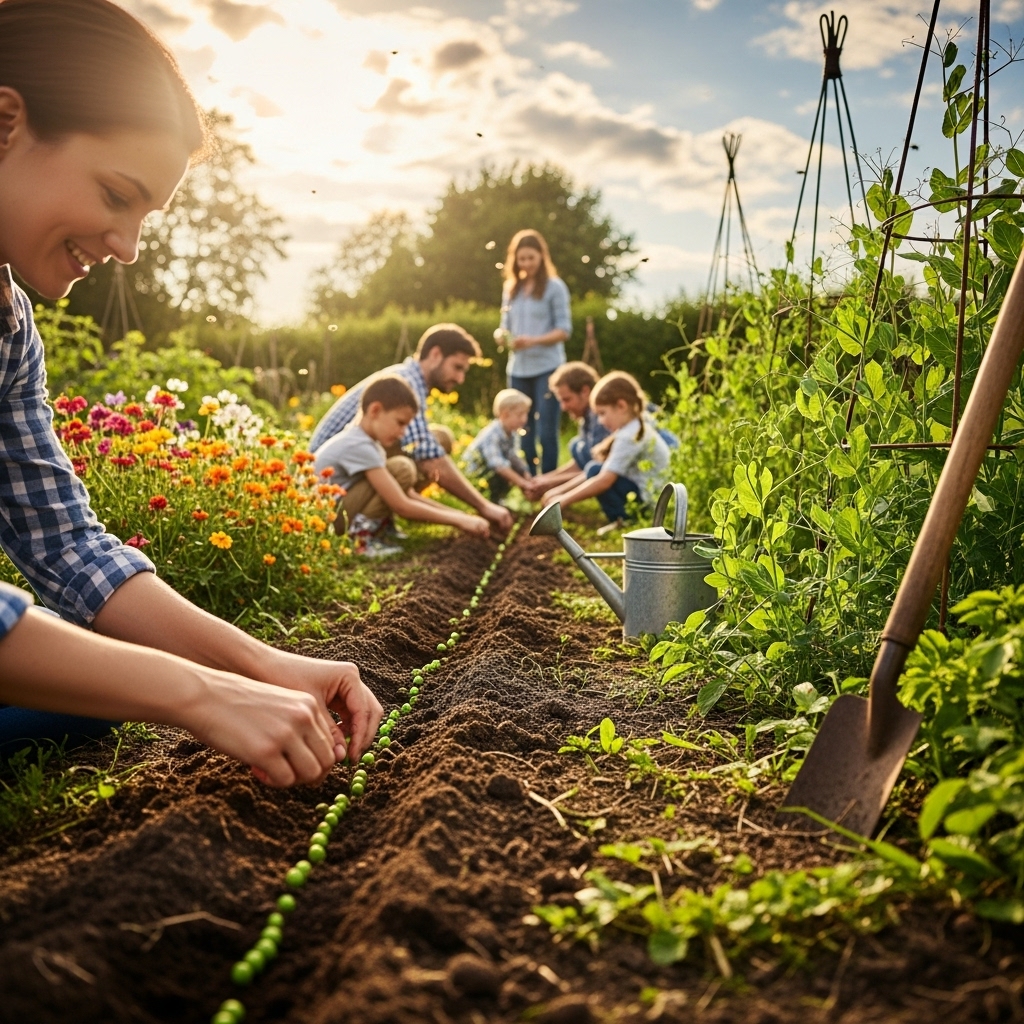
Spacing and planting depth can also greatly impact your harvest. From my experience, peas should be planted about 1-2 inches deep and spaced 2-4 inches apart. I’ve learned that adequate spacing allows for better airflow, which helps prevent diseases. If you’re planting rows, I usually space them about 18-24 inches apart to give the plants room to grow. I remember a time when I crammed too many peas into one spot, and the result was a tangled mess. Now, I take care to plan my planting layout in advance.
Direct Sowing vs. Transplanting
Peas are best suited for direct sowing, which means planting seeds directly into the garden soil, as they don’t like to be moved once they start growing. I’ve tried transplanting them in the past, and the results were underwhelming. Direct sowing allows the seeds to establish themselves in their ideal environment right from the start. I usually plant my seeds in early spring as soon as the soil is workable, and it’s such a rewarding experience to see them sprout in just a few weeks!
Watering and Nutrient Needs
Understanding how to water and nourish my pea plants has been key to achieving a bountiful harvest. I’ve learned a few strategies that I think could help anyone looking to grow peas successfully. Read Interesting article: How Do Plants Reproduce? Easy Guide for Beginners
Irrigation Techniques for Peas
Peas don’t require a ton of water, but consistent moisture is essential, especially during their early growth stages. I usually water them once a week, giving them about an inch of water. I’ve found that using a soaker hose or drip irrigation helps deliver moisture directly to the roots without wetting the foliage, which can prevent disease. I also pay close attention to the weather; if it’s been particularly hot and dry, I increase watering to keep the plants happy. Keeping an eye on the soil moisture has been a game changer for me!
Fertilization Tips for Healthy Growth
When it comes to fertilizing peas, I prefer to use organic options like compost or well-rotted manure. I usually mix this into the soil before planting, which gives the plants a strong start. I remember a year when I tried a synthetic fertilizer, and while it gave an initial boost, it didn’t promote the same rich flavor that organic matter did. I’ve also learned to avoid over-fertilizing, as this can lead to excessive foliage growth at the expense of pod development.
Understanding Nitrogen Fixation
One of the fascinating aspects of growing peas is their ability to fix nitrogen in the soil, thanks to their symbiotic relationship with Rhizobium bacteria. I’ve discovered that planting peas can actually improve soil health for future crops. After harvesting peas, I often leave the roots in the ground to decompose, enriching the soil even more. It’s like a natural fertilizer that keeps giving back. Understanding this has made me appreciate my pea plants even more, knowing they contribute to the overall health of my garden.
Pest and Disease Management
No matter how careful we are, pests and diseases can creep in and threaten our beautiful pea plants. I’ve had my fair share of battles in the garden, and it’s taught me a lot about prevention and management.
Common Pests Affecting Peas
One of the most common pests I’ve encountered is the aphid. These tiny green insects can wreak havoc on pea plants by sucking out their juices. I’ve found that introducing ladybugs into my garden can help control the aphid population naturally. Another pest to watch for is the pea weevil, which can damage seeds and pods. I’ve learned that inspecting my plants regularly helps catch these pests early before they do significant damage.
Recognizing and Treating Diseases
Peas can also fall victim to a few diseases, such as powdery mildew and root rot. I remember when I first faced powdery mildew; I didn’t realize how quickly it could spread! Now, I take care to ensure proper spacing for airflow and avoid watering the leaves to reduce humidity around the plants. If I spot mildew, I use a mixture of water and baking soda to treat it. I’ve found that being proactive with plant care can prevent many issues before they start.
Organic and Chemical Control Methods
While I prefer to stick to organic pest control methods whenever possible, I understand that some situations may call for stronger measures. If I find myself dealing with a serious infestation, I might resort to organic insecticidal soap. I’ve learned that it’s crucial to follow instructions carefully and apply it during the early evening hours to minimize harm to beneficial insects.
Supporting Your Pea Plants
Once my pea plants start growing, I’ve learned that providing them with adequate support can significantly enhance their yield and overall health. Supporting these delicate vines helps them grow upright and can prevent disease by promoting good airflow. Let me share some techniques I’ve found effective.
Staking and Trellising Techniques
Staking is one of the simplest ways to support my pea plants. I’ve often used bamboo stakes or metal fencing to give them something to climb on. When I first started, I used string to create a grid-like structure, which worked surprisingly well! I usually place the stakes or trellis close to the seedlings when they’re about 6 inches tall. This way, as they begin to vine and reach for the sky, they have something to grab onto right from the start. I remember a time when I didn’t stake my peas, and they ended up sprawling all over the ground. It was a tangled mess, and many pods were damaged by the soil. Now, I make it a priority to ensure they have the support they need.
Benefits of Vertical Gardening
Vertical gardening has numerous benefits, especially when it comes to growing peas. I’ve found that growing them upward not only saves space but also makes harvesting easier. Instead of bending down to pick peas from the ground, I can simply reach up, which is a real back-saver. Plus, the increased sunlight exposure and airflow around the plants reduce the risk of mildew and other diseases. I’ve seen a noticeable difference in the health of my plants when I utilize vertical gardening techniques. Using a trellis or mesh allows me to create a beautiful green wall in my garden that’s not only functional but also visually appealing.
Harvesting Peas for Maximum Yield
When it comes time to harvest, I’ve learned that timing and technique can make all the difference in enjoying the fruits of my labor. The anticipation of fresh peas is always exciting!
When to Harvest: Signs of Readiness
Knowing when to harvest peas can be a bit tricky, but I’ve found that observing the pods is key. For garden peas, I usually wait until the pods are plump and bright green. If you’re growing snow or snap peas, I’ve learned to pick them when they’re still flat and tender. A quick taste test can often confirm if they’re ready. I remember the first time I harvested snap peas; I couldn’t resist eating a few right off the vine! When you bite into a fresh pea, that crisp sweetness is just unmatched. I’ve also noticed that the sooner you pick them after they’re ready, the sweeter they taste.
Best Practices for Harvesting Peas
When harvesting, I gently pull the pods from the vine without damaging the plant. Using scissors can help prevent tearing, especially if the pods are tightly packed. I typically harvest my peas in the morning after the dew has dried but before the heat of the day sets in. This way, they remain crisp and fresh for longer. I also like to keep a basket handy to collect the pods, which makes the process feel a bit more organized and enjoyable.
Post-Harvest Care and Storage
After I’ve harvested my peas, I make sure to handle them with care. I’ve learned that peas are delicate, so I avoid crushing them in a bag or container. It’s best to store them in the refrigerator wrapped in a damp paper towel to maintain their moisture. I usually aim to use them within a few days for the best flavor, but they can last up to a week if stored properly. Freezing is another option I often consider if I have a large harvest. Blanching them briefly before freezing helps preserve their sweet taste and vibrant color. It’s always gratifying to enjoy the fruits of my labor long after the gardening season has ended.
Frequently Asked Questions
What are the different types of peas that can be grown in the garden?
The three main types of peas to consider are Garden Peas, Snow Peas, and Snap Peas. Garden Peas are sweet and tender, Snow Peas are harvested while flat with tiny seeds, and Snap Peas are a hybrid with edible pods and sweet seeds.
When is the best time to plant peas?
Peas thrive in cool weather and can be planted 4-6 weeks before the last frost in spring. They can also be planted in late summer or early fall in milder climates for a second harvest.
What soil conditions do peas prefer?
Peas prefer well-drained soil that is slightly acidic to neutral, ideally with a pH level of 6.0 to 7.0. Good soil preparation and testing are essential for optimal growth.
How deep should peas be planted?
Peas should be planted about 1-2 inches deep and spaced 2-4 inches apart. Rows should be spaced about 18-24 inches apart to allow for proper growth and airflow.
What watering techniques are recommended for growing peas?
Peas require consistent moisture, especially during early growth stages. It’s suggested to water them once a week with about an inch of water, using methods like soaker hoses or drip irrigation to avoid wetting the foliage.
How can nitrogen fixation benefit the soil when growing peas?
Peas can fix nitrogen in the soil due to their symbiotic relationship with Rhizobium bacteria, improving soil health for future crops. Leaving the roots in the ground after harvesting can further enrich the soil.
What are common pests that affect pea plants?
Common pests that can affect pea plants include aphids and pea weevils. Introducing ladybugs can help control aphid populations, while regular plant inspections can catch pests early.
What are the signs that peas are ready for harvest?
Garden peas should be harvested when the pods are plump and bright green, while snow and snap peas should be picked when they are still flat and tender. A taste test can confirm readiness.
What is the best practice for harvesting peas?
When harvesting peas, gently pull the pods from the vine without damaging the plant. Using scissors can help prevent tearing, and it’s best to harvest in the morning after the dew has dried.
How should harvested peas be stored for freshness?
Harvested peas should be handled carefully to avoid crushing. They can be stored in the refrigerator wrapped in a damp paper towel for a few days or frozen after blanching for longer preservation.