
To plant peonies for big blooms, choose the right type, time, and location, ensuring proper care after planting. These stunning flowers can be a showstopper in any garden when planted correctly. Read Interesting article: When to Plant Peonies for Beautiful Blooms
Peonies are a favorite among gardeners for their large, fragrant blooms and lush foliage. With a bit of planning and care, you can enjoy their beauty year after year.
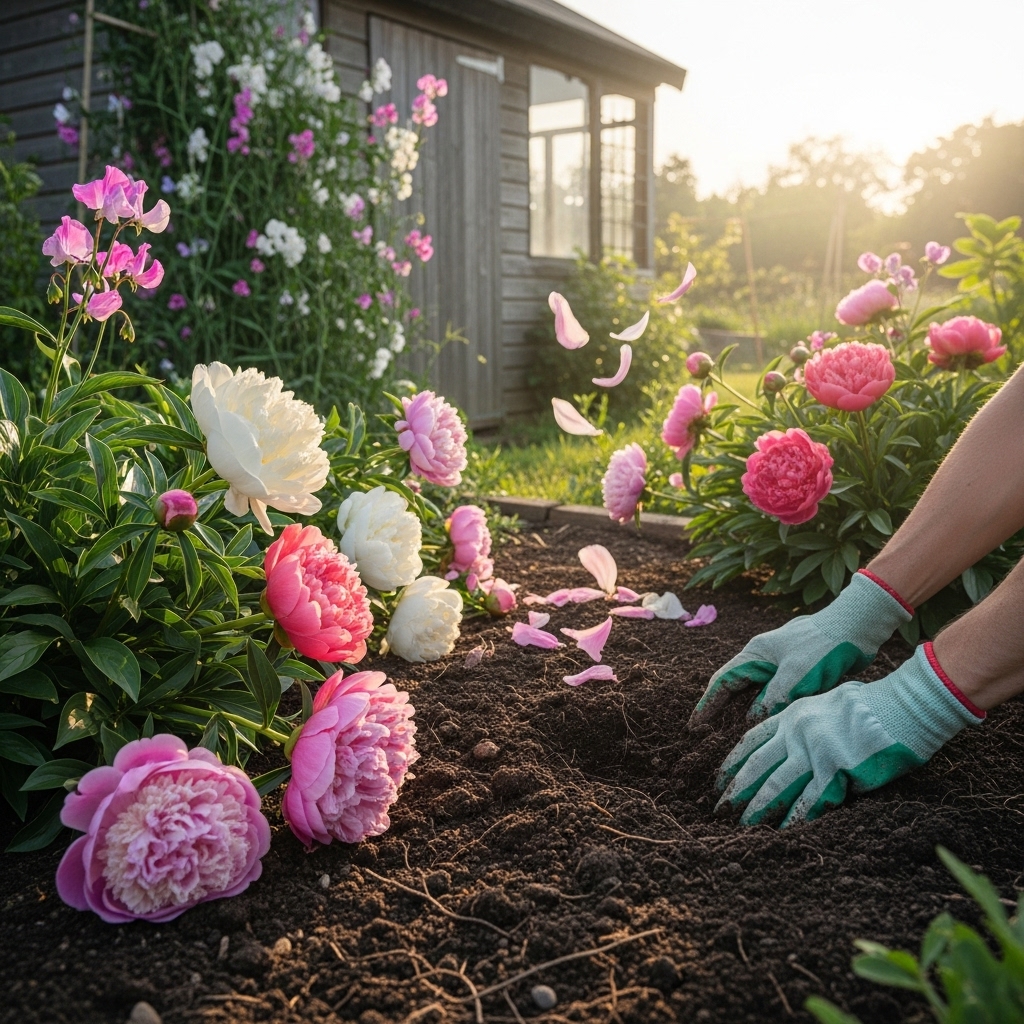
Understanding Peonies: An Overview
Types of Peonies
Peonies come in several types, each offering unique characteristics. I’ve come to appreciate the differences among them while tending to my own garden. The three main categories are herbaceous, tree, and intersectional peonies. Herbaceous peonies die back to the ground each winter, returning in spring with lush growth. Tree peonies, on the other hand, have woody stems that remain year-round, giving them a more permanent presence in the garden. Intersectional peonies are a hybrid of herbaceous and tree varieties, showcasing the best features of both. They tend to be more vigorous and produce larger blooms, which is something I absolutely love.
Peony Varieties for Big Blooms
When selecting peonies, I always look for varieties known for their big blooms. Some of my favorites include ‘Sarah Bernhardt’, with its beautiful soft pink flowers, and ‘Festiva Maxima’, which is famous for its striking white blooms with crimson flecks. Another variety that has captured my heart is ‘Bowl of Beauty’, which offers unique, layered flowers. I’ve noticed that these varieties not only provide stunning visual impact but are also relatively easy to grow, making them perfect for both novice and seasoned gardeners.
Peony Growing Zones
Understanding the growing zones for peonies is crucial. Peonies thrive best in USDA Zones 3 to 8. I’ve found that knowing your zone helps determine which peonies will flourish in your garden. If you’re in a warmer region, be careful with the selection as some varieties may struggle with the heat. I remember when I mistakenly planted a variety that was not suited for my zone; it didn’t thrive and was a learning moment for me. Always take a moment to check the growing recommendations for each peony variety before planting.
When to Plant Peonies
Best Time of Year for Planting Peonies
The best time to plant peonies is in the fall, ideally around September to October. I’ve experienced firsthand how fall planting gives the roots a chance to establish before the winter chill sets in. This timing allows the peonies to burst forth in spring with vigor and vitality. However, if you miss the fall window, early spring is the next best option, just before growth begins.
Factors Affecting Planting Time
There are a couple of factors that can influence when you should plant your peonies. Weather plays a significant role; if the ground is still frozen in early spring, you might want to wait a bit longer. Additionally, how established your plants are can affect the timing. I’ve found that bare-root peonies are best planted in the fall, while container-grown peonies can often be planted in spring or fall, giving you a bit more flexibility. Observing the environment around you has always helped me make the right call. Read Interesting article: How to Divide And Transplant Peonies (Propagation Guide)
Choosing the Right Location for Peonies
Sunlight Requirements
Peonies love sunlight, and I’ve learned that they thrive best in a spot where they can soak up at least six hours of sun each day. I’ve tried planting them in partially shaded areas, hoping they’d still put on a show, but they simply didn’t bloom as profusely. The sun isn’t just a luxury for peonies; it’s a necessity for those big, beautiful blooms we all desire.
Soil Conditions and Preparation
Good soil is a foundation for healthy peonies. They prefer well-draining, fertile soil with a pH level between 6.0 and 7.0. Over the years, I’ve made soil preparation a top priority. I usually mix in compost or well-rotted manure to enrich the soil. This not only promotes growth but also improves drainage, which is vital for preventing root rot. I remember when I neglected this step once; my peonies struggled to establish and never really recovered.
Drainage Considerations
Drainage is crucial for peonies, as they are susceptible to root rot if left sitting in water. I’ve learned to choose locations that aren’t prone to pooling water. Raised beds or sloped areas in the garden can be ideal for planting peonies. If you’re unsure about your soil drainage, a simple test can help: dig a hole about a foot deep and fill it with water. If the water drains within a few hours, you’re likely in good shape. I often check this before planting to ensure my peonies have the best chance.
Preparing for Planting Peonies
Soil Testing and Amendments
Before planting my peonies, I always make it a point to test my soil. This step has been a game-changer in my gardening journey. A simple soil test can reveal pH levels and nutrient content, helping me understand what amendments might be necessary. I remember the first time I tested my soil; I was surprised to find it too acidic for peonies. After adding lime to balance the pH, my plants thrived in ways I hadn’t expected. I recommend using a home soil test kit, which is easy to find and provides quick results. Once I have the results, I add organic matter like compost or peat moss to improve the soil structure and fertility, creating an ideal environment for my peonies to flourish.
Choosing Healthy Peony Roots
Selecting healthy peony roots is crucial for successful planting. I’ve learned that when I buy bare-root peonies, I look for those with at least three to five eyes, which are the growing points. Healthy roots should be firm and plump, not shriveled or mushy. I once made the mistake of purchasing roots that didn’t look vibrant, thinking they would bounce back. Unfortunately, they didn’t. When I shop for peonies, I often visit local nurseries where I can inspect the roots in person, but I also use reputable online sources if I can’t find what I’m looking for locally. Ensuring I start with strong, healthy roots sets the stage for the spectacular blooms I desire.
Planting Tools and Supplies
Having the right tools on hand makes planting peonies a breeze. I always gather a few essentials before I get started. A good shovel is a must, along with a garden fork and trowel for digging and loosening the soil. I also keep a measuring tape handy to ensure I’m spacing my peonies appropriately, which I’ve found important for their growth. I often use a watering can for gentle watering after planting, as I want to avoid disturbing the soil too much. Additionally, I recommend having some mulch ready; it’s helpful for maintaining moisture and suppressing weeds. Preparing these tools in advance makes the process smoother and more enjoyable.
Steps to Plant Peonies for Big Blooms
How to Dig Holes for Peonies
Digging holes for peonies is an important step, and I’ve found that the right depth and width can make all the difference in their establishment. Generally, I dig a hole that’s about 12-18 inches deep and wide, allowing ample space for the roots to spread out. I remember when I first planted peonies, I dug the holes too shallow, thinking it was enough. The plants struggled to establish, and I learned that, in most cases, the deeper the hole, the better. Once I’ve dug the hole, I loosen the soil at the bottom to help the roots penetrate easily.
Proper Planting Depth and Spacing
When it comes to planting depth, I aim for about 2 inches below the soil surface for the eyes. This depth has worked wonders for me; if I plant them too deep, they may not bloom as beautifully, and if they are too shallow, they risk being damaged by frost. I also make sure to space my peonies at least 3 feet apart. This spacing allows each plant to grow without competing for nutrients and sunlight. I’ve found that following these guidelines plays a huge role in achieving those stunning, full blooms that we all want to admire in our gardens.
Watering Techniques Post-Planting
After planting, I always give my peonies a good drink, ensuring the soil is moist but not soggy. I learned the hard way that overwatering can lead to root rot, which is especially risky for newly planted peonies. I’ve developed a gentle watering routine, using a watering can or a soaker hose to avoid disturbing the soil. For the first few weeks after planting, I check the soil moisture regularly. If the top inch feels dry, it’s time to water again. This simple practice has helped my peonies establish strong root systems, setting them up for success in the seasons to come.
Caring for Peonies After Planting
Watering Schedule
Caring for peonies after planting is just as important as the planting process itself. I’ve learned that establishing a consistent watering schedule helps my peonies thrive. Generally, I aim to keep the soil consistently moist during their first growing season. I water my peonies deeply once a week, especially during dry spells, ensuring that the water reaches the root zone. Over time, I’ve noticed that these plants prefer deep watering less frequently rather than light watering every day. It allows their roots to stretch deeper into the soil, promoting stronger plants. As the weather warms up, I keep a close eye on the soil moisture and adjust my schedule accordingly.
Fertilization Tips for Optimal Growth
Fertilizing my peonies has been a game-changer for their growth and bloom production. I typically apply a balanced fertilizer in early spring, just as the new growth appears. A 10-10-10 or a slow-release fertilizer works well for my peonies. I remember the first time I neglected to fertilize, and I was disappointed by the fewer blooms that season. After that, I made it a point to feed them annually. In late summer, I also give them a light feeding to help them store energy for the next year. I’ve found that careful fertilization promotes lush foliage and vibrant blooms, helping me achieve the eye-catching garden I dream of.
Mulching Techniques
Applying mulch around my peonies has made a significant difference in their health. I usually add a layer of organic mulch, like shredded bark or straw, about 2-3 inches deep. This not only helps retain moisture but also suppresses weeds that try to compete with my peonies for nutrients. I remember a summer when I forgot to mulch, and the weeds became overwhelming, robbing my plants of the resources they needed. Mulch also insulates the roots, keeping them cool in the summer and protecting them during the winter months. My peonies seem to flourish with this extra care, so I never skip this step!
Pest and Disease Management
Keeping an eye out for pests and diseases has become second nature for me as a gardener. Peonies can attract aphids and botrytis blight, which can be detrimental if not managed. I’ve found that a gentle spray of water can dislodge aphids from the plants, and if they persist, I’ll use insecticidal soap as a last resort. I also regularly inspect my peonies for any signs of disease, especially during the rainy season. Preventing issues early has saved me from losing blooms. If I notice any affected leaves, I promptly remove them to prevent the spread. Over the years, these simple management practices have helped me keep my peonies healthy and vibrant.
Encouraging Big Blooms on Peonies
Pruning Techniques
Pruning is another essential part of caring for my peonies. I’ve learned that deadheading spent blooms encourages the plant to channel its energy into new growth rather than seed production. Once the flowers have faded, I cut the stems back to the nearest leaf node. This technique not only keeps my garden looking tidy but also promotes additional blooming. Additionally, in the fall, after the foliage has died back, I cut the plants down to about 2-3 inches above the ground. This helps prevent disease and prepares my peonies for the next growing season.
Staking and Support for Heavy Blooms
As my peonies grow, I’ve noticed that some varieties produce heftier blooms that can cause their stems to droop. To address this, I started staking my peonies for support. I usually do this in early spring, before the blooms appear. I’ve found that using circular supports or bamboo stakes helps keep the plants upright. This is especially important for varieties like ‘Sarah Bernhardt,’ which can be quite top-heavy. Using support not only preserves the beautiful shape of the flowers but also prevents breakage from heavy rain or wind. It’s a small step that has made a big difference in my garden.
Seasonal Care and Maintenance Tips
Seasonal care is a vital aspect of ensuring my peonies perform at their best. I’ve developed a routine to prepare my garden for each season. In spring, I make sure to remove any winter debris to prevent pests and diseases. As summer approaches, I regularly check for any signs of stress or disease. In fall, I apply a layer of mulch and cut back the foliage to keep the plants healthy through winter. I even take a moment to admire their beauty before they go dormant. These seasonal maintenance practices have helped me create a thriving peony garden that I look forward to enjoying year after year.
Frequently Asked Questions
What are the main types of peonies?
The three main categories of peonies are herbaceous, tree, and intersectional peonies. Herbaceous peonies die back to the ground each winter, tree peonies have woody stems that remain year-round, and intersectional peonies are hybrids of the two, known for their vigor and larger blooms.
When is the best time to plant peonies?
The best time to plant peonies is in the fall, ideally around September to October. If you miss this window, early spring is the next best option, just before growth begins.
What conditions do peonies need for optimal growth?
Peonies thrive in well-draining, fertile soil with a pH level between 6.0 and 7.0, and they require at least six hours of sunlight each day. Good drainage is crucial to prevent root rot.
How deep should I plant peonies?
Peonies should be planted about 2 inches below the soil surface for the eyes, ensuring they have enough depth to establish without being too shallow or too deep.
How often should I water newly planted peonies?
After planting, peonies should be watered deeply once a week to keep the soil consistently moist, especially during dry spells. It’s important to avoid overwatering to prevent root rot.
What type of fertilizer is best for peonies?
A balanced fertilizer, such as a 10-10-10 or slow-release formula, should be applied in early spring when new growth appears. A light feeding in late summer can also help the plants store energy for the next year.
What should I do if my peonies attract pests?
If peonies attract pests like aphids, a gentle spray of water can dislodge them. If they persist, insecticidal soap may be used as a last resort. Regular inspections for signs of disease are also recommended.
How can I encourage bigger blooms on my peonies?
To encourage bigger blooms, deadhead spent flowers to promote new growth, and consider staking heavy blooms to prevent drooping. Regular care and attention to seasonal maintenance also contribute to healthier plants.
What is the ideal spacing for planting peonies?
Peonies should be spaced at least 3 feet apart to allow each plant sufficient room to grow without competing for nutrients and sunlight.
What soil amendments should I consider before planting peonies?
Before planting, it’s beneficial to test your soil and add amendments like compost or well-rotted manure to improve soil structure and fertility, creating an ideal environment for peonies to flourish. Read Interesting article: Do Peonies Spread? – My Plant Care