
You can successfully plant pistachio nuts and grow a tree by selecting the right variety, preparing the soil, and following proper planting techniques. I’ve found that with the right care and climate, growing a pistachio tree can be a rewarding experience. Read Interesting article: Chinese Pistache Tree Growth Rate: Urban Tolerance Ranked
Understanding Pistachio Trees
Botanical Classification
Pistachio trees belong to the Anacardiaceae family, which also includes cashews and mangoes. Their scientific name is *Pistacia vera*, and they are deciduous trees that can grow up to 10 meters tall. I’ve learned that these trees are known for their resilience and can live for decades, making them an excellent long-term investment for any gardener.
Origin and Habitat
Pistachio trees are native to regions like Central Asia and the Middle East, particularly around Iran and Turkey. I remember reading about ancient civilizations that cultivated them thousands of years ago. They thrive in semi-arid climates, and their adaptability to drought makes them ideal for regions with hot summers and cold winters. In my experience, they do best in areas where the temperature can range from 40°F to over 100°F, as long as they have a dormancy period during winter.
Growth Conditions and Climate Requirements
One thing I’ve noticed is that pistachio trees require specific growth conditions to flourish. They prefer well-drained soil with a pH level between 7.0 and 7.5. I often recommend checking your local climate, as these trees need a minimum of 300–500 chilling hours during winter to produce nuts. If you live in a warmer, more humid climate, you might find it challenging to grow pistachios successfully. In my case, planting in a location with full sunlight and good airflow made a significant difference in growth. Read Interesting article: Dietary Needs of Karner Blue Butterfly Larvae and Adults
Preparing to Plant Pistachio Nuts
Choosing the Right Variety
When I decided to grow pistachios, I learned that selecting the right variety is crucial. There are many types, but the most common ones include ‘Kerman’ and ‘Peters’. ‘Kerman’ is known for its high yield and quality nuts, while ‘Peters’ is often used as a pollinator. I recommend researching and choosing varieties that suit your local climate to ensure the best results.
Purchasing Quality Pistachio Nuts
Not all pistachio nuts are suitable for planting. I remember my excitement when I found a reputable nursery specializing in pistachios. It’s essential to buy raw, unsalted nuts that haven’t been treated with chemicals or heat. Look for nuts that are plump and intact. I’ve found that local agricultural extension services often have resources to help you find quality seeds.
Understanding Male and Female Trees
Here’s something I wish I had known earlier: pistachio trees are dioecious, meaning there are male and female trees. Only female trees produce nuts, so you need at least one male tree for every 8 to 10 female trees for effective pollination. I made sure to plant a male tree alongside my females, which greatly improved my nut yield. If you’re unsure about identifying the sexes, consult a local nursery or gardening expert.
Soil Requirements
Preparing the right soil is vital for nurturing your pistachio tree. I learned that they thrive in sandy loam or gravelly soils that drain well. Heavy clay soils can lead to root rot, which is something I definitely wanted to avoid! Conducting a soil test is a great way to determine nutrient levels and pH. If your soil is too acidic, you can add lime to raise the pH level.
Site Selection and Preparation
Choosing the right site is just as important as the soil. I remember spending a weekend analyzing my yard to find the perfect spot. Pistachio trees need full sunlight, so look for an area that receives at least six hours of direct sunlight each day. Also, ensure there’s good airflow to prevent fungal diseases. Before planting, I cleared the area of weeds and debris, creating a clean workspace for my young trees.
Steps to Plant Pistachio Nuts
When to Plant Pistachio Nuts
The best time to plant pistachio nuts is in early spring when the risk of frost has passed. I’ve always found that this timing allows the nuts to germinate as the soil warms up. If you’re in a warmer climate, you might also consider planting in the fall after the first rains, which helps establish roots before winter. Timing can significantly affect the growth cycle, so pay attention to your local weather conditions.
Cold Stratification Process
One step I initially overlooked was cold stratification, which is essential for pistachio nuts. This process mimics winter conditions, helping the nuts to germinate. I soaked the nuts in water for 24 hours, then placed them in a damp paper towel inside a plastic bag, and kept them in the refrigerator for about six weeks. This step drastically improved my germination rates. If you skip this, you might find that your nuts don’t sprout at all.
Planting Techniques
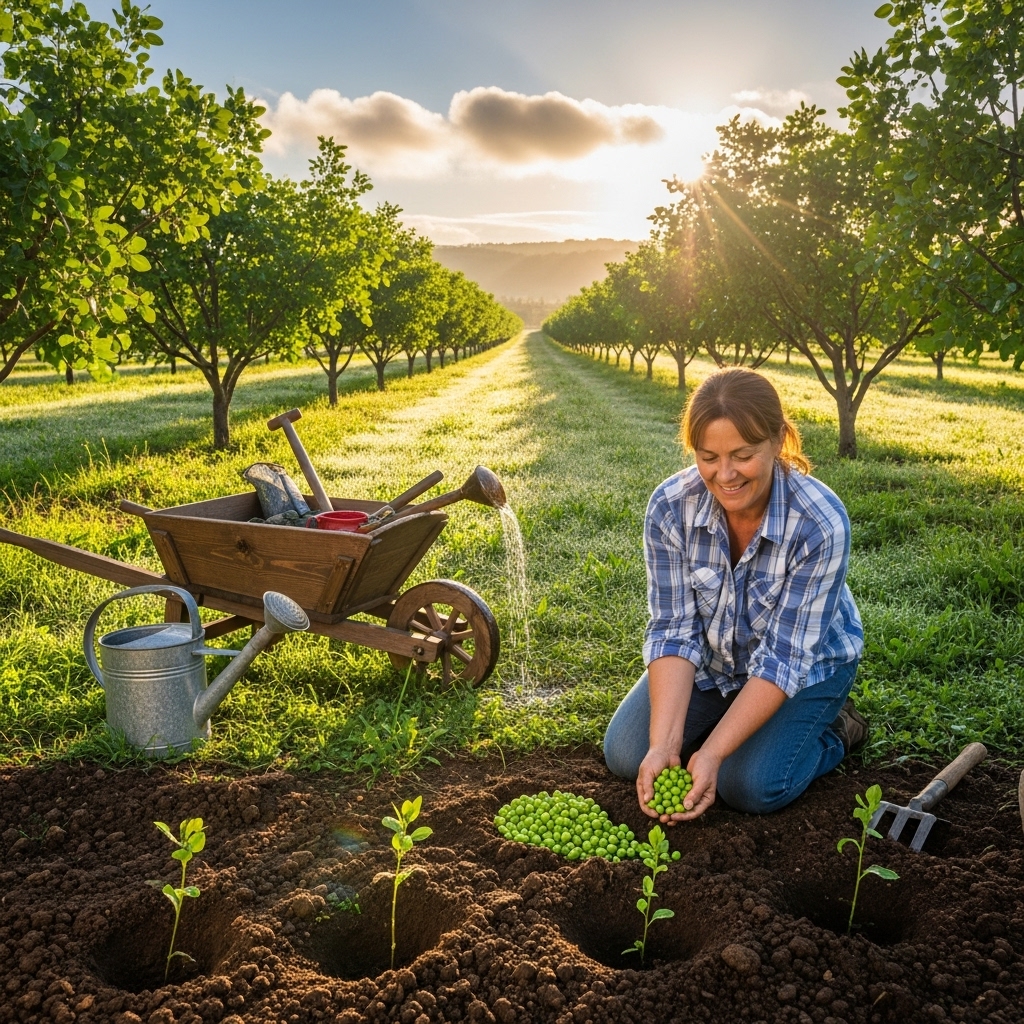
When it was finally time to plant, I made sure to dig holes that are about 2 inches deep and spaced them at least 20 feet apart. I placed the nuts in the soil with the pointed end facing down. After covering them with soil, I gently pressed down to ensure good soil contact. It was exciting to do this and think about the tree that would emerge! I watered the area thoroughly after planting to help settle the soil.
Watering and Fertilization
After planting, I realized that watering is crucial, especially during the first few weeks. I kept the soil moist but not soggy. Once the trees were established, I learned to water less frequently, as pistachios are drought-resistant. I recommend using a balanced fertilizer low in nitrogen but rich in potassium and phosphorus. Fertilizing in early spring and again in mid-summer helped my trees grow strong and healthy. Read Interesting article: Winter Pruning for Hardier and Healthier Deciduous Trees
Caring for Young Pistachio Trees
Watering Guidelines
Caring for young pistachio trees is an essential step I learned about as I watched my plants grow. In the early stages after planting, I found that it’s vital to keep the soil consistently moist, but not overly saturated. I usually watered them every few days, making sure the soil felt just right. As they began to establish their roots, I gradually reduced the frequency of watering. I’ve discovered that pistachios are quite drought-tolerant once established, but during the first year, they need a little extra love. I always kept a close eye on the weather, watering more during hot spells and less when it rained. It’s all about finding that balance!
Fertilization Schedule
When it comes to fertilization, I initially felt overwhelmed by all the options available. After some research, I learned that young pistachio trees benefit from a balanced fertilizer, particularly one that’s low in nitrogen but high in potassium and phosphorus. In my experience, applying fertilizer in early spring as the trees wake up and again in mid-summer helped provide the nutrients they needed. I remember using a slow-release granular fertilizer, which made it easier to manage the feeding schedule. I also made sure to follow the manufacturer’s instructions on how much to apply, as over-fertilizing can cause more harm than good.
Pest and Disease Management
Pest management was another area where I had to be vigilant. I quickly learned that young pistachio trees can attract pests like aphids and spider mites. In my case, I found that regular inspections of the leaves helped me catch any infestations early. If I noticed any pests, I would spray them off with a strong stream of water or use insecticidal soap if the problem persisted. I also made it a habit to keep the area around my trees clean and free from debris, which helped minimize the risk of disease. I’ve read that maintaining good airflow around the trees is key to preventing fungal issues, so I always ensured they had plenty of space to breathe.
Pruning Techniques
Pruning was something I was a bit hesitant about at first, but I soon realized how important it is for shaping the trees and promoting healthy growth. I learned to prune my pistachio trees during their dormancy in late winter or early spring before new growth began. This timing seemed to encourage stronger branches. I typically focused on removing any dead or crossing branches and thinning out areas that were too dense. I remember feeling a sense of satisfaction as I shaped my trees, knowing that each cut would help them grow better. While pistachios don’t require aggressive pruning, a little attention can go a long way in ensuring they develop a solid structure.
Harvesting Pistachios
When to Harvest
The moment I had been waiting for finally arrived when my pistachio trees were ready for harvest! I learned that timing is everything. Generally, pistachios are harvested in late summer to early fall when the hulls begin to split and turn from green to a brownish color. I would check the nuts regularly, looking for that telltale sign of a split hull. I remember the excitement that came with seeing my first split nuts, which signified that the harvest was near. It’s also important to ensure that the surrounding weather conditions are dry, as this helps to prevent mold and spoilage.
Harvesting Techniques
Harvesting pistachios is a unique experience. I initially tried to pick them by hand, but I quickly realized that using tools made the process much easier. I invested in a nut harvester, which helped me gather nuts efficiently. I would spread tarps beneath the trees and shake the branches gently, allowing the nuts to fall onto the tarps. If you don’t have a nut harvester, I found that using a long pole to shake the branches can also work well. It’s an exhilarating feeling to see the nuts collected in one place, ready for the next stage!
Post-Harvest Processing
Once I had gathered all the nuts, I learned that proper post-harvest processing is vital to preserve their quality. I rinsed the nuts to remove any debris and then laid them out to dry in a shaded area for a few days. My goal was to ensure they reached a moisture content of around 8-10%. After drying, I stored them in airtight containers to keep them fresh. I found that proper storage not only preserves the flavor but also prevents spoilage. It was exciting to think I could enjoy the fruits of my labor for months to come!
Common Problems and Solutions
Identifying Nutrient Deficiencies
As I delved deeper into growing pistachios, I quickly learned that nutrient deficiencies can crop up and affect the health of my trees. One of the most common signs I noticed was yellowing leaves, which indicated a potential nitrogen deficiency. I felt a little panic at first, wondering if I had done something wrong. However, I learned that a balanced fertilizer can usually help. I remember applying a slow-release fertilizer and watching my trees recover over a couple of weeks, which was incredibly satisfying.
Another deficiency I encountered was phosphorus, evident through stunted growth and dark, purplish hues on the leaves. When this happened, I took the time to test my soil and amend it with a phosphorus-rich fertilizer. By paying close attention to my trees, I could catch these issues early and take action, ensuring they remained healthy and productive.
Dealing with Pests
Pests were another challenge I faced while nurturing my pistachio trees. I initially felt overwhelmed by the different pests I might encounter, including aphids, spider mites, and even the dreaded navel orangeworm. I learned the importance of regular inspections, often walking my garden with a cup of coffee in hand, just observing my trees. If I spotted any pests, I would take action immediately, like spraying them off with water or using insecticidal soap if necessary.
For prevention, I found that planting companion plants, such as marigolds, helped deter some pests naturally. I also made a habit of keeping the area around my trees tidy, removing fallen leaves and debris that could harbor pests. This simple step really minimized my pest problems and allowed me to focus more on enjoying my garden rather than battling infestations.
Addressing Environmental Stress
Environmental stress can be a sneaky issue that I had to learn to manage. I remember one particularly hot summer when my trees showed signs of stress, with wilting leaves and reduced growth. I quickly realized that while pistachios are drought-tolerant, they still need adequate water during extreme heat. I adjusted my watering schedule, ensuring they received enough moisture without overwatering.
Another key factor I learned was the importance of protecting my young trees from strong winds. I found that staking them in windy conditions helped prevent damage to their delicate branches. Additionally, I noticed that applying a layer of mulch around the base helped retain soil moisture and regulate temperature, which made a significant difference in their resilience.
Benefits of Growing Pistachio Trees
Nutritional Value of Pistachios
As I enjoyed the fruits of my labor, I discovered just how nutritious pistachios are. These little green gems are packed with protein, fiber, and healthy fats, making them an excellent snack choice. I often shared my homegrown pistachios with family and friends, and it was satisfying to see their surprised expressions when they learned I had grown them myself. I love snacking on them straight from the shell or adding them to salads and baked goods. Knowing I could provide something so healthy made my gardening journey feel even more worthwhile.
Economic Benefits
Growing pistachios also offered a unique economic benefit. After my first successful harvest, I realized that I could sell my surplus nuts at local farmers’ markets. I remember the thrill of chatting with customers, telling them about my growing process, and sharing recipes. It felt rewarding to not only enjoy my harvest but also share it with my community. Plus, pistachios can be quite profitable, especially if you have a good-sized orchard. I felt like I was making a sustainable investment for my future while doing something I loved.
Environmental Impact
One of the aspects I hadn’t considered initially was the positive environmental impact of growing pistachio trees. I learned that these trees help improve soil health and prevent erosion, which is crucial in many regions. Their deep root systems help retain water and provide habitat for local wildlife. Knowing that I was contributing positively to my environment made me feel proud of my gardening efforts. I even began to think more about how I could incorporate sustainable practices into my gardening routine, ensuring that I was being kind to the earth while enjoying my pistachio adventure.
Frequently Asked Questions
What family do pistachio trees belong to?
Pistachio trees belong to the Anacardiaceae family, which also includes cashews and mangoes.
What is the scientific name of the pistachio tree?
The scientific name of the pistachio tree is Pistacia vera.
What are the ideal climate conditions for growing pistachio trees?
Pistachio trees thrive in semi-arid climates with hot summers and cold winters, requiring temperatures ranging from 40°F to over 100°F and a minimum of 300–500 chilling hours during winter.
How should I prepare the soil for planting pistachio nuts?
Pistachio trees prefer well-drained sandy loam or gravelly soils with a pH level between 7.0 and 7.5. Conducting a soil test can help determine nutrient levels and pH.
What varieties of pistachio trees are recommended for planting?
The most common varieties include ‘Kerman’, known for high yield and quality nuts, and ‘Peters’, often used as a pollinator.
How can I ensure good pollination for my pistachio trees?
Pistachio trees are dioecious, meaning you need at least one male tree for every 8 to 10 female trees for effective pollination.
When is the best time to plant pistachio nuts?
The best time to plant pistachio nuts is in early spring after the risk of frost has passed. In warmer climates, planting in the fall after the first rains is also an option.
What is the cold stratification process for pistachio nuts?
Cold stratification involves soaking the nuts in water for 24 hours, then placing them in a damp paper towel inside a plastic bag and refrigerating them for about six weeks to mimic winter conditions and improve germination rates.
How should I care for young pistachio trees after planting?
Young pistachio trees require consistent moisture in the soil, balanced fertilization low in nitrogen but rich in potassium and phosphorus, and regular inspections for pests.
What are the benefits of growing pistachio trees?
Growing pistachio trees offers nutritional benefits, economic advantages through potential sales at farmers’ markets, and positive environmental impacts by improving soil health and preventing erosion.