
The best way to plant pumpkins is to start with healthy seeds, ensure optimal soil conditions, and follow a step-by-step process for planting and care. I’ve found that with a bit of planning and understanding, anyone can grow their own pumpkins successfully. Read Interesting article: How to Plant Pumpkins for a Bigger Harvest
Understanding Pumpkins
Before diving into the planting process, it’s essential to understand pumpkins, not just as a seasonal decoration but as a valuable crop that can bring joy and health benefits. Pumpkins are part of the gourd family and are known for their vibrant color and versatility. Let’s explore the fascinating world of pumpkins.
Types of Pumpkins
There are several types of pumpkins, and each has its unique characteristics. I remember the first time I wandered through a pumpkin patch; I was amazed at the variety! Here are some common types:
- Jack-o’-Lantern: These are the classic pumpkins used for carving during Halloween. They have a sturdy skin and a good shape for cutting.
- Sugar Pumpkins: Smaller and sweeter than Jack-o’-Lanterns, these pumpkins are perfect for baking pies and other desserts.
- Giant Pumpkins: Grown primarily for competitions, these pumpkins can reach hundreds of pounds. I’ve seen some impressive ones at fairs!
- White Pumpkins: Known as “Ghost Pumpkins,” these are gaining popularity for their unique color and are often used in fall décor.
Health Benefits of Pumpkins
Pumpkins are not just pretty to look at; they’re also packed with nutrients! I always feel good about serving pumpkin dishes because they are rich in vitamins and minerals. Here are a few health benefits:
- Rich in Nutrients: Pumpkins are high in vitamins A and C, potassium, and fiber, making them great for eye health and digestion.
- Low in Calories: With their low-calorie count, they’re perfect for those looking to maintain a healthy weight while enjoying delicious meals.
- Antioxidant Properties: The antioxidants in pumpkins can help fight oxidative stress and inflammation in the body.
Uses of Pumpkins
When I think of pumpkins, I think beyond just Halloween. There are so many uses for this versatile fruit. From culinary delights to home décor, here are a few ways to enjoy pumpkins:
- Cooking and Baking: I love making pumpkin bread, soups, and pies. The sweet and savory flavors of pumpkin are simply delightful.
- DIY Crafts: Pumpkins can be used for crafting, such as painting them for fall decorations or using the seeds for fun projects.
- Animal Feed: After the harvest season, leftover pumpkins can be fed to livestock, which makes good use of every part of the plant.
Preparing to Plant Pumpkins
Now that we’ve established some background on pumpkins, let’s get ready to plant them. I remember my first pumpkin patch; it was a learning experience that taught me the importance of preparation. Here are the key steps to get started.
Choosing the Right Pumpkin Variety
Picking the right variety is crucial for your success. Depending on what you want—whether it’s for decoration, baking, or competitions—your choice will determine your care routine. I recommend considering your space and intended use. For instance, if you’re looking for culinary purposes, go for sugar pumpkins. If you’re after something for a fall festival, Jack-o’-Lanterns or even giant pumpkins would be the way to go. Read Interesting article: When to Plant Pumpkins for a Big Harvest
Ideal Growing Conditions
Pumpkins thrive in specific growing conditions, and getting this right can make all the difference. From my experience, I’ve learned that understanding soil, sunlight, and climate helps ensure a healthy harvest.
Soil Type
Good soil is the foundation of any successful garden. Pumpkins prefer well-draining, loamy soil rich in organic matter. I often mix in compost to boost the nutrient levels. It’s also important to have a pH level between 6.0 and 7.0 for optimal growth. Regular testing can help you keep track of this.
Sunlight Requirements
Sunlight is key for pumpkins. Ideally, they need at least 6 to 8 hours of direct sunlight each day. I’ve noticed that in shadier spots, the growth is stunted, and the pumpkins don’t develop as well. Find a sunny spot in your yard, and you’ll be setting your pumpkins up for success.
Climate Considerations
Pumpkins are warm-season crops, thriving in temperatures between 70°F and 90°F. I’ve found that planting too early in cold soil can stunt growth, while planting too late can lead to premature frost. Knowing your local frost dates can help you plan better.
Gathering Necessary Tools and Materials
Before you start planting, gather the right tools and materials. I’ve learned that being prepared makes the process smoother and more enjoyable.
Seeds
Choose high-quality seeds from a reputable source. I usually opt for heirloom varieties, as they often have richer flavors and are better suited for my local growing conditions. Make sure to read the descriptions to ensure you’re selecting the best option for your needs.
Gardening Tools
Having the right tools at hand can save you time and effort. I recommend a spade for digging, a hoe for weeding, and a watering can for gentle watering. If you have larger areas to cover, consider a tiller to prepare the soil more efficiently.
Fertilizers and Soil Amendments
Adding fertilizers or soil amendments can give your pumpkins a much-needed boost. I prefer organic fertilizers, like compost or well-rotted manure, as they enhance soil health over time. A good fertilizer with a balanced N-P-K ratio will promote healthy growth.
Planting Pumpkins: Step-by-Step Guide
When to Plant Pumpkins
Timing can make all the difference when it comes to planting pumpkins. I’ve learned that the best time to plant depends on your local climate and frost dates. Generally, I like to wait until the soil temperature reaches at least 70°F, which usually happens after the last frost in spring. I remember the excitement I felt planting my first seeds in late May; the anticipation of watching them grow is truly special. It’s always a good idea to consult a planting calendar for your region to ensure you’re planting at the right time.
Preparing the Soil
Preparing the soil is a crucial step that I can’t stress enough. I’ve seen firsthand how well-prepared soil can enhance the growth of pumpkin plants. Before planting, I make sure to clear the area of any weeds or debris. It’s also helpful to loosen the soil to a depth of about 12 inches, allowing the roots to spread easily. Incorporating compost or organic matter into the soil not only improves drainage but also adds vital nutrients. Doing this makes me feel like I’m giving my pumpkins the best start possible!
Planting Seeds
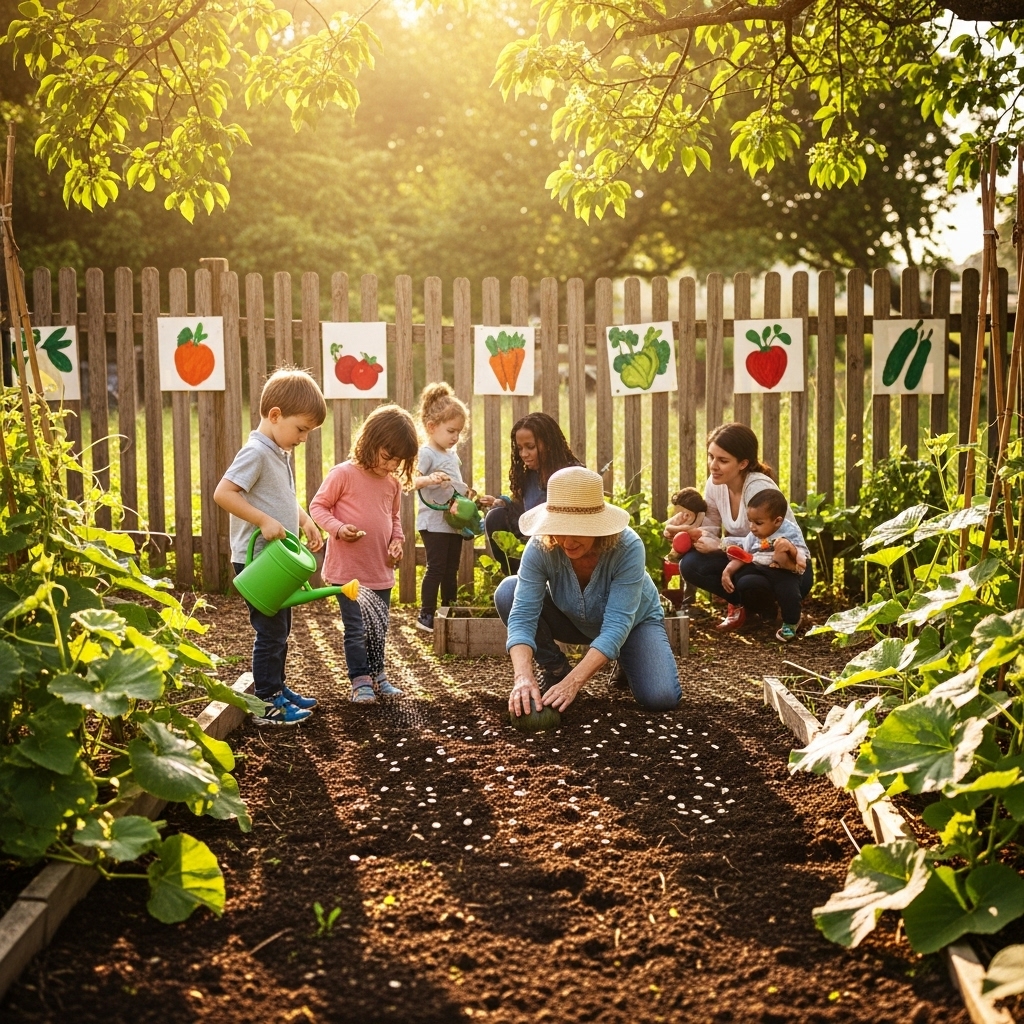
Now comes the fun part—planting the seeds! I typically plant my seeds directly in the ground, but I know some people prefer starting them indoors. If you choose to start them indoors, transplant them carefully after a few weeks. For me, though, I enjoy the whole process of sowing seeds in the garden. Here’s how I do it:
Spacing Requirements
When planting pumpkins, spacing is essential for their growth. I usually leave about 3 to 4 feet between each seed to give them room to grow. If you’re planting larger varieties, you might want to increase that space to about 5 to 6 feet. This gives each plant enough air circulation and space for sprawling vines. I remember thinking, “Will this be enough room?” but trust me, it’s crucial to avoid overcrowding!
Depth of Planting
I typically plant pumpkin seeds about 1 inch deep. I’ve found that planting them too deep can hinder their ability to sprout. After placing the seeds in the ground, I cover them with soil and gently pat it down. It’s always exciting to think about what’s happening under the surface as those little seeds start to germinate!
Watering Techniques
Watering is another vital aspect of pumpkin planting. I’ve discovered that pumpkins need consistent moisture, particularly during their early growth stages. I usually water them deeply once a week, but if the weather is especially hot or dry, I increase the frequency. A good strategy I use is to place a layer of mulch around the base of the plants. This helps retain moisture and suppresses weeds, making my life easier!
Caring for Your Pumpkin Plants
Fertilizing Pumpkin Plants
Once my pumpkins start to grow, I pay close attention to their nutrient needs. I’ve learned that fertilizing at the right time can lead to bigger and healthier pumpkins. I typically fertilize my pumpkin plants about a month after they sprout, using a balanced organic fertilizer. I’ve found that a fertilizer high in phosphorus helps promote strong root development and flowering. It’s always rewarding to see the difference it makes in growth!
Weed Control Strategies
Weeds can be the nemesis of any gardener, including me. I’ve experienced the struggle of trying to keep my pumpkin patch weed-free. To manage weeds, I often lay down a layer of mulch, as I mentioned earlier, which helps suppress their growth. Hand-pulling weeds is also an effective method, although it can be labor-intensive. I make it a habit to check for weeds regularly, especially in the early stages of growth, as this is when they tend to compete the most for nutrients and water.
Pest and Disease Management
I’ve run into my fair share of pests and diseases while growing pumpkins. Being proactive about managing these issues has saved me a lot of headaches. I try to keep an eye out for common pests and take action early. Here are a couple of things I keep in mind:
Common Pests
One of the most common pests I’ve encountered is the squash bug. They can be quite damaging, so I check for them regularly on the leaves and stems. If I spot any, I remove them by hand. Another pest that can be a problem is the cucumber beetle, which I’ve found can be controlled by using row covers until the plants are strong enough to withstand them.
Common Diseases
Powdery mildew is a disease that I’ve struggled with in the past. It’s important to space plants appropriately and provide good air circulation to prevent it. If I notice any signs of mildew, I spray the affected areas with a mixture of water and baking soda, which I’ve found to be surprisingly effective! Staying vigilant and practicing good hygiene in the garden has been key to keeping my pumpkins healthy.
Harvesting Pumpkins
When to Harvest Pumpkins
Harvesting pumpkins is one of the most exciting times for me as a gardener. There’s just something rewarding about seeing all your hard work pay off! I’ve learned to look for specific signs that indicate it’s time to gather my pumpkins. Typically, I wait until the pumpkins have reached their desired color—whether that’s a vibrant orange for Jack-o’-Lanterns or a lovely cream for white pumpkins. The skin should feel firm, and I can’t resist giving it a gentle tap to check for that satisfying sound indicating ripeness.
Another important detail I watch for is the stem. When the stem begins to turn brown and dry, that’s a good signal that it’s time to harvest. I remember my first time harvesting; I was so eager that I nearly picked one too early! Waiting for the right moment makes all the difference in the flavor and longevity of the pumpkins. Generally, I aim to harvest in late September or early October, right before the first frost threatens.
How to Harvest Pumpkins
Harvesting pumpkins is a straightforward process, but there are a few tips I’ve picked up along the way to make it easier. First, I always wear gloves when handling the pumpkins; it helps protect my hands and also prevents any damage to the skin. Using a sharp knife or garden shears, I cut the stem about 2 to 4 inches above the top of the pumpkin. I’ve found that leaving a bit of stem attached helps prevent rot and gives the pumpkin a more appealing look.
While harvesting, I make sure to gently lift the pumpkins from the ground instead of yanking them, which can cause bruising. I remember my friend once mishandled a pumpkin and ended up with a cracked one—it was heartbreaking! After gathering the pumpkins, I place them on a soft surface, like a blanket or some straw, to avoid any bumps or bruises.
Storing Pumpkins Properly
Once I’ve harvested my pumpkins, the next step is storage. I’ve learned that correct storage can significantly extend their life. Here’s what I do:
- Clean Them: I gently wipe the pumpkins with a damp cloth to remove dirt. I avoid soaking them in water, as that can lead to rot. Keeping them clean is one of the first steps in ensuring they last longer.
- Choose the Right Environment: I store my pumpkins in a cool, dry place, away from direct sunlight. I’ve found that a temperature between 50°F and 60°F works best. Too much heat can cause them to spoil quickly.
- Monitor Regularly: I make it a habit to check on my stored pumpkins every week. If I spot any soft spots or signs of decay, I remove that pumpkin immediately to prevent it from affecting the others.
For me, knowing how to properly store my pumpkins means I can enjoy them throughout the fall season and often into the winter months! Plus, if I’m lucky, I can save some seeds for next year’s planting. Read Interesting article: Female Gamete of Pumpkin Plant: Simple Answer Explained
Common Questions about Pumpkin Planting
How Much Space Do Pumpkins Need?
Space is an essential consideration when planting pumpkins. I’ve realized that these plants love to sprawl! Depending on the variety, I generally leave about 3 to 6 feet between each plant. For my Jack-o’-Lanterns, I stick closer to 4 feet apart, while giant pumpkins definitely need more elbow room. Proper spacing helps ensure that each plant gets enough sunlight, air circulation, and nutrients. I remember when I overcrowded my first pumpkin patch; the plants competed fiercely, and it was a lesson learned!
Can Pumpkins Grow in Containers?
Yes, pumpkins can grow in containers, but there are a few caveats! I’ve tried container gardening for pumpkins, and it’s definitely possible, especially with smaller varieties like sugar pumpkins. To do this successfully, I use containers that are at least 5 gallons in size. I make sure to choose a rich potting mix and ensure that the container has good drainage. I also have to be more vigilant about watering, as containers can dry out faster than garden beds. It’s a fun way to grow pumpkins if you’re short on space!
What Are the Signs of Healthy Pumpkin Plants?
Watching my pumpkin plants thrive is always a joy. I’ve come to recognize the signs of healthy plants, which include vibrant green leaves and sturdy stems. The leaves should be large and not wilted, indicating that they’re receiving enough water and nutrients. Another sign is the presence of flowers; healthy female flowers are essential for fruit development, while male flowers help with pollination. I also keep an eye on the soil moisture; healthy plants need consistent watering. I remember being truly thrilled when I first spotted those bright yellow flowers—it felt like a sign that I was on the right track!
Frequently Asked Questions
What are the best conditions for planting pumpkins?
Pumpkins thrive in well-draining, loamy soil rich in organic matter with a pH level between 6.0 and 7.0. They also need at least 6 to 8 hours of direct sunlight each day and grow best in temperatures between 70°F and 90°F.
What types of pumpkins can I grow?
Common types of pumpkins include Jack-o’-Lanterns for carving, sugar pumpkins for baking, giant pumpkins for competitions, and white pumpkins known as “Ghost Pumpkins” for décor.
How much space do pumpkins need when planting?
Space is essential when planting pumpkins. Generally, you should leave about 3 to 4 feet between each seed for smaller varieties and about 5 to 6 feet for larger varieties to ensure proper growth.
When is the best time to plant pumpkins?
The best time to plant pumpkins is after the last frost in spring, typically when the soil temperature reaches at least 70°F. This usually occurs in late May, depending on local climate conditions.
How do I care for my pumpkin plants?
Caring for pumpkin plants involves regular watering, fertilizing about a month after they sprout with a balanced organic fertilizer, managing weeds with mulch, and checking for pests and diseases regularly.
What are the signs that pumpkins are ready to be harvested?
Pumpkins are ready to be harvested when they have reached their desired color, the skin feels firm, and the stem begins to turn brown and dry. Harvesting is usually done in late September or early October.
How should I store harvested pumpkins?
To store harvested pumpkins, gently wipe them clean, keep them in a cool, dry place away from direct sunlight at a temperature between 50°F and 60°F, and check them regularly for any signs of decay.
Can pumpkins be grown in containers?
Yes, pumpkins can be grown in containers, especially smaller varieties like sugar pumpkins. Use containers that are at least 5 gallons in size and ensure good drainage, while keeping a close eye on watering.
What are the health benefits of pumpkins?
Pumpkins are rich in vitamins A and C, potassium, and fiber, making them beneficial for eye health and digestion. They are low in calories and contain antioxidants that help fight oxidative stress and inflammation.
What common pests and diseases should I watch for while growing pumpkins?
Common pests include squash bugs and cucumber beetles, while powdery mildew is a common disease. It’s important to monitor plants regularly and take action if any pests or signs of disease are spotted.