
Planting radishes for a fast harvest is all about timing, soil preparation, and care. If you follow the right steps, you can enjoy these crunchy vegetables in as little as three to four weeks after planting.
Radishes are a great choice for beginner gardeners because of their quick growth and low maintenance requirements.
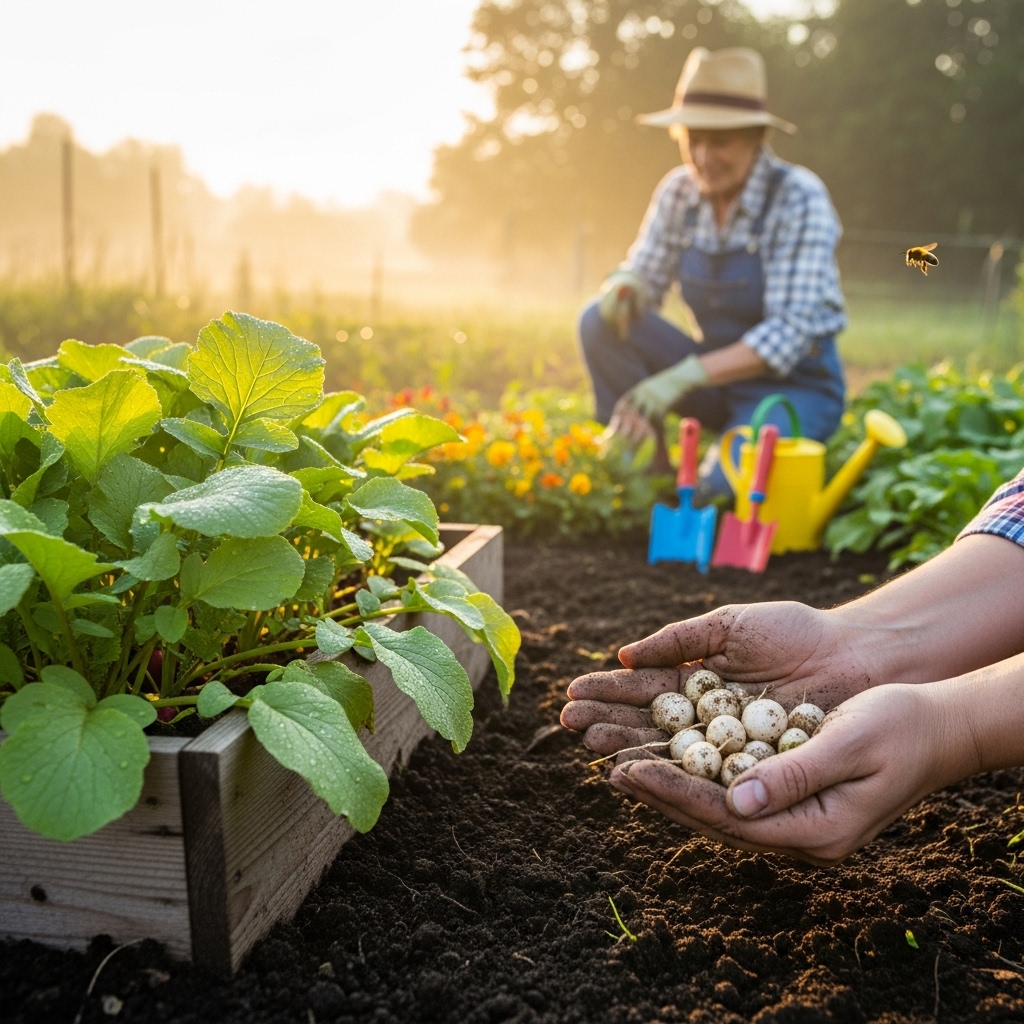
Understanding Radishes: A Quick Overview
What Are Radishes?
Radishes are root vegetables belonging to the Brassicaceae family, which includes other favorites like broccoli and cabbage. They come in various shapes, sizes, and colors. Some are round, while others are elongated, and they can be white, red, purple, or even black. I remember the first time I tried homegrown radishes; I was amazed at how much more flavorful they were compared to store-bought ones. The crisp texture and peppery taste make them a delightful addition to salads and dishes.
Health Benefits of Radishes
Not only are radishes delicious, but they also pack a nutritional punch. They are low in calories and high in vitamin C, which helps boost our immune system. I learned that they also provide dietary fiber, which is essential for good digestion. Additionally, radishes contain antioxidants that can help reduce inflammation. Incorporating radishes into our diet can be a tasty way to support overall health.
Types of Radishes for Quick Harvest
If you’re looking for fast-growing radish varieties, I highly recommend trying the following:
- Cherry Belle: A popular choice, these round, red radishes mature in about 25 days. They have a mild flavor and crisp texture.
- French Breakfast: These are elongated with a unique and slightly spicy taste. They typically take around 28 days to harvest.
- Daikon: While they can take longer than others (up to 60 days), they are worth the wait for their sweet and juicy flavor.
- Black Spanish: These black radishes have a strong taste and can be harvested in about 50 days. They’re great for winter storage.
Choosing the right type of radish can make all the difference in how quickly you can enjoy your harvest. I often mix different varieties in my garden to experience a range of flavors and textures. Additionally, you might want to consider what to plant with strawberries as companion plants to enhance your gardening experience.
When to Plant Radishes
Best Seasons for Planting Radishes
Radishes thrive in cool weather, making them ideal for spring and fall planting. I’ve found that planting them early in the spring, as soon as the soil can be worked, leads to a fantastic crop. In warmer climates, a fall planting can yield great results, too. I love the idea of harvesting fresh radishes as the temperatures begin to cool down.
Understanding Frost Dates
Knowing your local frost dates is crucial. Radishes can tolerate light frosts, but for the best results, I usually plant them after the last frost in spring. In my experience, checking a local gardening calendar or using a gardening app can help you pinpoint the right time. It’s amazing how a little knowledge about frost dates can make such a difference!
Soil Temperature Requirements
Radishes prefer soil temperatures between 45°F and 85°F. I remember the first time I planted radishes too early, and the seeds just sat there, waiting for warmth. To avoid this, I often check the soil temperature using a simple thermometer. Planting when the soil is warm enough ensures that the seeds germinate quickly, leading to faster growth.
Choosing the Right Location
Sunlight Requirements
Radishes love sunlight! Ideally, they should get at least 6 hours of direct sun each day. I’ve noticed that planting them in a spot with full sun not only helps them grow faster but also enhances their flavor. If you’re planting in a shadier area, you might find that your radishes take longer to mature and could be less flavorful.
Soil Quality and Texture
Good soil is the foundation for a successful radish crop. I always make sure my garden soil is loose and well-draining, as compacted soil can lead to stunted growth. Radishes grow best in loamy or sandy soil that allows their roots to expand easily. If your soil is too heavy, consider amending it with compost or sand to improve its texture.
Drainage Considerations
Proper drainage is essential for radishes. I learned the hard way that standing water can lead to root rot. To avoid this, I make sure to plant radishes in raised beds or mounds to encourage water to drain away. I also check that the planting area isn’t prone to flooding after heavy rains.
Preparing the Soil
Testing Soil pH
The ideal pH for growing radishes is between 6.0 and 7.0. I usually test my soil using a simple pH kit that can be found at garden centers. If the pH is too low (acidic) or too high (alkaline), I adjust it with amendments like lime or sulfur. Getting this right makes a noticeable difference in the growth and flavor of the radishes.
Adding Organic Matter
Before planting, I always enrich my soil with organic matter, such as well-rotted manure or compost. This not only improves soil fertility but also enhances its structure. I remember my first garden without adding organic matter; the radishes were small and lacked flavor. Now, I can’t imagine planting without it!
Tilling the Soil
Tilling the soil helps to break up compacted areas and create a fine seedbed for planting. I usually till my garden beds to a depth of about 8 inches. This gives the radishes plenty of room to grow and helps to aerate the soil. Just be careful not to over-till, as that can destroy beneficial soil organisms.
Planting Radishes
Choosing Seeds
When selecting seeds, I like to choose high-quality, organic seeds. This often leads to better germination rates and healthier plants. I’ve found that many local garden centers carry a variety meant for my climate, which is a big plus. Plus, supporting local businesses feels good.
Planting Depth and Spacing
Radish seeds should be planted about half an inch deep and spaced 1 to 2 inches apart. I often use a seed drill or just my fingers to make small holes in the soil. If you plant them too closely, the radishes will compete for nutrients and space, which can lead to smaller roots. I usually thin them out to give the remaining plants more room to grow.
Watering After Planting
After planting, I give the area a gentle watering to settle the soil around the seeds. It’s important to keep the soil consistently moist during germination. I’ve learned that overwatering can wash the seeds away or create a soggy environment, which leads to rot. A fine mist from a spray nozzle works well for this initial watering.
Care and Maintenance for Fast Growth
Watering Techniques
Once my radishes are planted, I realize that they need consistent care, especially when it comes to watering. I’ve learned that keeping the soil evenly moist is crucial, especially during the germination phase. I usually water my radish bed every few days, depending on the weather. If it’s particularly hot or dry, I might check it daily. I prefer to water in the early morning or late afternoon to minimize evaporation. A gentle soaking is much better than a quick sprinkle; this encourages the roots to grow deeper. I’ve noticed that using a soaker hose can save time and ensure that the water reaches the roots effectively.
Fertilization Tips
Fertilizing radishes can enhance their growth, but I’ve found that it’s essential to be cautious about how much I use. Since radishes are root vegetables, I prefer a fertilizer that’s lower in nitrogen to prevent excessive leafy growth at the expense of the roots. I typically apply a balanced, slow-release fertilizer about two weeks after planting. Organic options, like fish emulsion or bone meal, have worked well for me. Just a light application is usually enough; I once over-fertilized and ended up with radishes that were more leaves than roots!
Pest and Disease Management
As much as I love gardening, I’ve faced my fair share of pest problems. I’ve noticed that radishes can attract pests like aphids and flea beetles, which can be quite the nuisance. To keep them at bay, I often use row covers, especially when the plants are young. This simple step has saved my crops many times! If I do spot pests, I tend to use insecticidal soap or neem oil for a natural approach. I also make a habit of checking my plants regularly for any signs of disease, such as downy mildew or root rot. Being proactive has helped me keep my radish plants healthy and thriving.
Harvesting Radishes
Signs That Radishes Are Ready to Harvest
The anticipation of harvesting my radishes is one of the most exciting parts of gardening! Usually, I start checking my radishes a few weeks after planting. Generally, they’re ready to harvest when they reach a desirable size—about 1 inch in diameter for smaller varieties. I’ve learned to gently poke around the soil to feel for their size without uprooting them. The tops of the radishes will often peek out above the soil, and I’ve found that if they’re looking good above ground, they’re probably ready below.
How to Harvest Radishes Properly
When it’s time to harvest, I make sure to handle the radishes carefully. I usually grasp the tops and gently twist them out of the ground. If the soil is compacted, I might use a garden fork to help lift them out without damaging the roots. I also like to wash them right away to remove any soil, which makes them look fresh and appealing. I remember my first harvest; I was so excited that I just yanked them out and ended up with a few broken roots. Now, I take my time to avoid that mistake!
Storage and Usage of Radishes
How to Store Fresh Radishes
After harvesting, I want to make sure my radishes stay fresh for as long as possible. I usually cut off the greens, as they can draw moisture away from the roots. Then, I rinse the radishes in cold water and pat them dry. I store them in a breathable container in the fridge, often wrapped in a damp paper towel or in a perforated plastic bag. I’ve noticed that they can last for a couple of weeks this way. If I want to keep them longer, I sometimes try pickling them, which transforms their flavor and gives me a tasty snack later on!
Ways to Use Radishes in Cooking
Radishes are incredibly versatile, and I love experimenting with different ways to use them in my meals. I often add them raw to salads for a crunchy texture and a peppery kick. One of my favorite dishes is a simple radish and cucumber salad with a light vinaigrette. I also enjoy roasting radishes; it softens their flavor and makes them sweeter. Sometimes, I’ll sauté them with a bit of garlic and olive oil for a quick side dish. I’ve even tried using radishes in tacos, which was a delightful surprise! They really can be a star ingredient.
Common Mistakes to Avoid
Overcrowding and Spacing Issues
One lesson I’ve learned the hard way is the importance of proper spacing. If I plant my radishes too closely together, they compete for nutrients and space, which can lead to smaller roots. I remember one year where I was eager to plant a lot and ended up with a crowded garden bed. The radishes turned out tiny and not as flavorful! Now, I make sure to follow the recommended spacing guidelines and thin them out early if needed.
Neglecting Soil Health
I’ve come to realize that soil health is everything. I used to focus solely on planting without considering the condition of my soil. Poor soil can lead to poor crops. By regularly testing my soil and adding organic matter, I’ve seen a marked improvement in my radish harvests. It’s all about creating a healthy environment for my plants!
Ignoring Pests and Diseases
I’ve faced issues when I ignored early signs of pests and diseases. A small aphid problem can quickly become a larger infestation if not addressed. Staying vigilant and acting quickly has allowed me to enjoy a bountiful harvest rather than dealing with losses. It’s become part of my routine to check on my plants regularly and address any issues as soon as I spot them.
FAQs About Planting Radishes
How Long Does It Take for Radishes to Grow?
Radishes are one of the fastest-growing vegetables, typically maturing in about 25 to 30 days, depending on the variety. I remember being amazed at how quickly I could go from seed to salad!
Can Radishes Be Grown in Containers?
Absolutely! I’ve successfully grown radishes in containers on my balcony. Just ensure the container is deep enough—at least 6 inches for most varieties—and provide adequate drainage.
What Are Companion Plants for Radishes?
Companion planting can enhance growth and help with pest control. I’ve found that planting radishes near cucumbers and beans is beneficial. They can help deter pests while the other plants grow, creating a harmonious garden environment. For more information on companion planting, check out what to plant in March.
What Types of Radishes Are Best for Quick Harvest?
Some fast-growing radish varieties include Cherry Belle, which matures in about 25 days, French Breakfast at around 28 days, and Black Spanish, which takes about 50 days.
When Is the Best Time to Plant Radishes?
Radishes thrive in cool weather, making spring and fall the ideal seasons for planting. It’s best to plant them after the last frost in spring or during the fall in warmer climates. To learn more about the best planting times, refer to when to plant: beginner guide for every season.
What Soil Temperature Is Ideal for Planting Radishes?
Radishes prefer soil temperatures between 45°F and 85°F for optimal growth.
How Should Radish Seeds Be Planted?
Radish seeds should be planted about half an inch deep and spaced 1 to 2 inches apart to allow for proper growth and prevent competition for nutrients.
What Are Signs That Radishes Are Ready to Harvest?
Radishes are ready to harvest when they reach a desirable size—about 1 inch in diameter for smaller varieties—and the tops of the radishes begin to peek out above the soil.
How Should Fresh Radishes Be Stored?
After harvesting, radishes should have their greens cut off, be rinsed in cold water, patted dry, and stored in a breathable container in the fridge, often wrapped in a damp paper towel or in a perforated plastic bag.
What Are Common Mistakes to Avoid When Growing Radishes?
Common mistakes include overcrowding plants by not following spacing guidelines, neglecting soil health, and ignoring early signs of pests and diseases.