
To achieve the best yield when planting raspberries, it’s crucial to choose the right variety, prepare the soil properly, and provide ideal growing conditions. I’ve learned that with the right care, you can enjoy an abundant harvest of these delicious berries. Read Interesting article: How to Plant Raspberries for Bigger Harvests
Understanding Raspberry Varieties
Types of Raspberries: Red, Black, and Yellow
When I first started my raspberry garden, I was amazed to discover the different types of raspberries available. The most common varieties are red, black, and yellow. Red raspberries are the most popular and are known for their sweet-tart flavor. I remember biting into my first freshly picked red raspberry; it was like tasting summer itself! Black raspberries are smaller, with a rich, deep flavor that I find quite unique. Yellow raspberries, while less common, are equally delightful, offering a milder sweetness that’s perfect for fresh eating. Each variety brings its own charm, and I encourage you to try different types to see what you love best.
Choosing the Right Variety for Your Climate
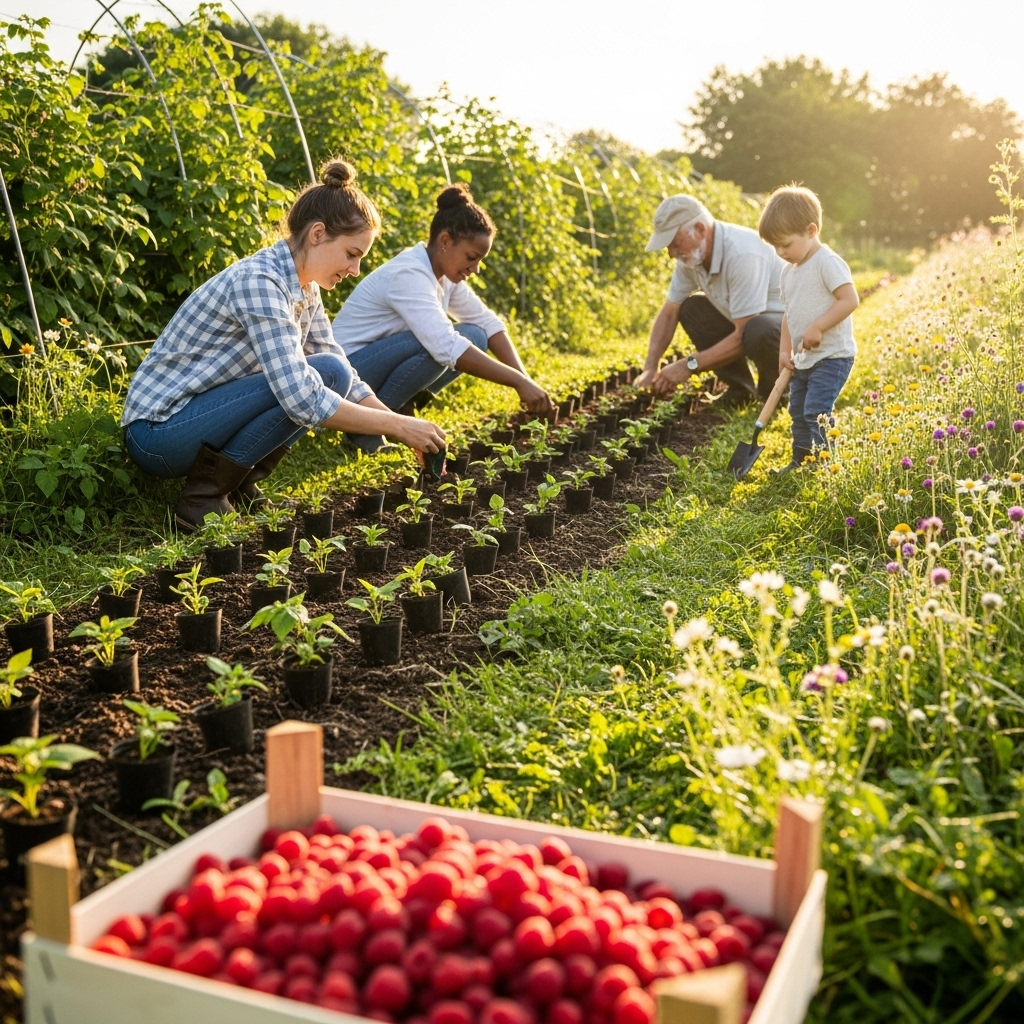
Before I planted my first raspberry bush, I did a bit of research on which variety would thrive in my area. It’s essential to consider your climate because different raspberry varieties have different tolerances to heat and cold. For instance, if you live in a warmer region, you might want to go with black raspberries, as they tend to do well in those conditions. On the other hand, if you’re in a cooler area, red raspberries are often more resilient. I found that checking the hardiness zone of my location helped me make the right choice. Visiting local nurseries and talking to experienced gardeners can also provide valuable insights into what grows best in your area.
Ideal Growing Conditions for Raspberries
Soil Requirements: pH and Nutrients
Once I decided on the type of raspberries I wanted to grow, the next step was to prepare the soil. Raspberries thrive in well-drained soil with a pH between 5.6 and 6.2. I learned that testing the soil is crucial because nutrient levels can vary significantly from one garden to another. You can easily buy a soil testing kit online or at a garden center. When I tested my soil, I found it was a bit too acidic, so I added some lime to balance it out. Additionally, mixing in organic matter such as compost not only improves soil structure but also provides essential nutrients that help the plants flourish.
Sunlight Needs: Full Sun vs. Partial Shade
Raspberries love sunshine! I found that planting them in a spot that receives at least six to eight hours of direct sunlight daily makes a huge difference in their growth and fruit production. I remember when I planted some in a partially shaded area, and they simply didn’t produce as many berries. If you don’t have a fully sunny spot, try to maximize light exposure by clearing any overhanging branches or nearby plants that might cast shade. Ensuring your raspberries get the sun they crave can lead to a bountiful harvest.
Watering Needs: Irrigation Techniques
Watering is another vital aspect of raspberry cultivation that I learned through experience. Raspberries require consistent moisture, especially during the growing season. I usually water my plants deeply once a week, ensuring the soil stays moist but not soggy. Drip irrigation has worked wonders for me, allowing the water to penetrate directly to the roots without wetting the leaves, which can lead to diseases. Mulching around the plants also helps retain moisture and suppress weeds, making my life a bit easier in the garden.
When to Plant Raspberries
Best Planting Seasons: Spring vs. Fall
Timing is everything when it comes to planting raspberries. From my experience, the best time to plant them is either in early spring, after the last frost, or in the fall, before the ground freezes. I remember my first planting was in spring, and watching the new growth emerge was so rewarding. If you plant in the fall, be sure to choose a variety that will establish roots before winter sets in. I’ve found that spring planting tends to yield fruit sooner, which is a definite plus for eager gardeners like myself!
Regional Considerations for Planting Times
Your location can significantly influence when to plant raspberries. In warmer southern climates, I noticed that planting can happen as early as late winter, while in northern regions, it’s best to wait until the danger of frost has passed. I often check local gardening calendars and even chat with seasoned gardeners in my community to get a sense of the best planting windows. It’s fascinating how much regional differences can affect gardening practices. Keeping an eye on the weather and soil temperature helps ensure that I’m planting at just the right time.
Preparing the Site for Raspberry Planting
Choosing the Right Location in Your Garden
Finding the perfect spot in my garden for my raspberry plants was a fun journey. I learned that raspberries need room to grow, so I looked for a location that wasn’t overly crowded with other plants. They prefer slightly elevated areas to prevent waterlogging, which can damage the roots. When I finally picked my spot, I made sure it was not only sunny but also convenient for me to access for watering and harvesting. It’s amazing how much easier gardening becomes when you start with the right location.
Soil Preparation: Testing and Amending Soil
Soil preparation is a task that I can’t stress enough. After testing my soil, I took the time to amend it properly. I mixed in compost, aged manure, and other organic materials to enrich the soil. The texture of the soil is also important; it should be loose enough to allow for good root development. I remember spending an afternoon turning the soil and adding amendments, and it felt satisfying to know I was setting the stage for healthy raspberry plants. This foundational work really pays off in the long run!
Creating Rows and Spacing Guidelines
Once I had the soil ready, I turned my attention to how I would plant the raspberries. I chose to create rows, spacing my plants about two to three feet apart to allow for adequate air circulation and sunlight penetration. This spacing also makes it easier for me to move around while pruning and harvesting. I used stakes to mark the rows, giving me a clear guide to follow as I planted. Having a plan in place not only made the planting process smoother but also helped me visualize how my raspberry patch would look as it matured.
Planting Techniques for Raspberries
How to Properly Plant Raspberry Canes
Planting raspberry canes is an exciting part of the process, and I remember feeling a rush of anticipation as I got ready to put my plants in the ground. The first step I took was to dig a hole that was about twice the size of the root ball of the cane. This gives the roots plenty of space to grow and establish themselves. I made sure to loosen the soil at the bottom of the hole, which helps with drainage and encourages root development. When I placed the cane in the hole, I positioned it so that the crown is just at soil level. I found that burying it too deep can lead to rot, while leaving it too high can dry out the roots. After positioning the cane correctly, I gently backfilled the hole with soil and watered it thoroughly to settle the soil around the roots.
Spacing and Depth Considerations
Spacing is one of those details that can make a big difference down the line. I learned that giving each raspberry plant enough room is crucial for air circulation and sunlight exposure. As I mentioned before, I spaced my plants about two to three feet apart. This distance has worked really well for me, allowing each plant to grow without competing for resources. When planting, I also paid attention to the depth. For my canes, I made sure the roots were well-covered, but not too deep. A good rule of thumb I found is to ensure that the roots are surrounded by about 2-3 inches of soil. This depth helps protect the roots while still allowing the top growth to emerge easily.
Using Support Structures: Trellises and Stakes
As my raspberry plants started to grow, I quickly realized how important support structures are for their success. I decided to invest some time into building a trellis system, which has made managing the plants so much easier. Raspberries can grow tall and become bushy, so providing them with vertical support keeps them healthy and productive. I used sturdy wooden stakes and wire to create a trellis that is about four to five feet high. This has not only helped the plants stay upright but also allowed for better air circulation, which is crucial in preventing diseases. I remember the first time I saw my canes climbing up the trellis; it felt rewarding to see my efforts pay off. Plus, it made harvesting a breeze!
Care and Maintenance for Raspberry Plants
Watering Schedule and Techniques
Once my raspberry plants were in the ground, I knew that establishing a good watering routine was essential. I found that raspberries prefer consistently moist soil, especially during their growing season. I usually water them deeply about once a week, but I always check the soil moisture before deciding. If the top inch of soil feels dry, it’s time to give them a drink. I’ve learned that using a soaker hose or drip irrigation can be really effective because it delivers water directly to the roots, minimizing evaporation and reducing the risk of fungal diseases. This technique has saved me so much time and effort, allowing me to focus on other gardening tasks while ensuring my plants are well-hydrated.
Fertilization: What and When to Use
Feeding my raspberry plants has been another important aspect of their care. I discovered that applying a balanced fertilizer in early spring helps give them a nutrient boost as they start to grow. I typically use an organic fertilizer, as I prefer to keep my garden as natural as possible. After a few weeks, I can see the difference in growth; the leaves look greener, and the plants become more vigorous. I also learned to apply a second round of fertilizer after the first harvest to help support the plants for the next year’s growth. It’s amazing how much better my berries have done since I started paying attention to their nutritional needs. Read Interesting article: How to Care for a Basil Plant (Keep It Alive Longer)
Weed Control Strategies
Weeds can be a real nuisance in the garden, and I quickly learned that staying on top of them is crucial for the health of my raspberry plants. I make it a habit to check for weeds regularly and pull them out by hand. This method works well for me, as it allows me to keep an eye on the health of my raspberry plants at the same time. I also found that applying a layer of mulch around the base of the plants helps suppress weed growth. I use straw or wood chips, which not only keep the weeds at bay but also retain moisture in the soil. It’s a win-win situation that has made my gardening experience much more enjoyable.
Pest and Disease Management
Managing pests and diseases has been one of the more challenging aspects of growing raspberries, but I’ve learned a lot along the way. I’ve noticed that keeping the area around my plants clean and mulched helps reduce pest problems. I also keep a close eye on my plants for any signs of trouble. For instance, I’ve had issues with aphids and spider mites in the past, but I found that a strong spray of water can knock them off the plants. Additionally, I’ve tried using insecticidal soap when the infestations become too severe. I believe that being proactive about pest management has resulted in healthier plants and a more fruitful harvest. Read Interesting article: How to Plant and Harvest Garlic (Complete Guide)
Frequently Asked Questions
What are the main types of raspberries?
The most common varieties of raspberries are red, black, and yellow. Red raspberries are popular for their sweet-tart flavor, black raspberries have a rich, deep flavor, and yellow raspberries offer a milder sweetness.
How do I choose the right raspberry variety for my climate?
It’s essential to consider your climate when choosing a raspberry variety. Black raspberries do well in warmer regions, while red raspberries are more resilient in cooler areas. Checking your hardiness zone and consulting local nurseries can help you make the right choice.
What soil conditions are ideal for growing raspberries?
Raspberries thrive in well-drained soil with a pH between 5.6 and 6.2. Testing the soil and adding organic matter like compost can improve soil structure and provide necessary nutrients.
How much sunlight do raspberries need?
Raspberries require at least six to eight hours of direct sunlight daily for optimal growth and fruit production. Planting them in a sunny location will lead to a bountiful harvest.
When is the best time to plant raspberries?
The best time to plant raspberries is either in early spring after the last frost or in the fall before the ground freezes. Spring planting typically yields fruit sooner.
How should I prepare the site for planting raspberries?
To prepare the site, choose a sunny location with enough space for the plants to grow, test and amend the soil as needed, and create rows with adequate spacing of two to three feet between plants for air circulation.
What is the correct method for planting raspberry canes?
To plant raspberry canes, dig a hole twice the size of the root ball, loosen the soil at the bottom, position the cane so the crown is at soil level, backfill with soil, and water thoroughly to settle the soil around the roots.
What is the recommended watering schedule for raspberries?
Raspberries prefer consistently moist soil, so watering deeply about once a week is recommended. Using a soaker hose or drip irrigation can effectively deliver water directly to the roots.
How can I control weeds in my raspberry garden?
Regularly checking for and pulling out weeds by hand is effective. Applying a layer of mulch around the base of the plants can also suppress weed growth and retain moisture in the soil.
What are some common pest management strategies for raspberries?
To manage pests, keep the area around the plants clean and mulched, monitor for signs of trouble, and use strong water sprays to remove pests like aphids and spider mites. In severe cases, insecticidal soap can be effective.