
To achieve bigger harvests of raspberries, choose the right variety for your climate, plant in a location with ample sunlight and well-draining soil, and provide proper care throughout the growing season. My own experience with raspberries has shown me that the right practices can lead to bountiful yields. For more tips on gardening, you can also explore Perennial Plant Meaning With Indoor Outdoor Examples.
Table of Contents
Understanding Raspberry Varieties
When diving into the world of raspberries, the first step is understanding the different varieties available. Each type has its own unique traits and growing conditions, which can significantly affect your harvest. I remember when I first started my raspberry garden; I was overwhelmed by the choices. But once I learned about the varieties, it became easier to select the best options for my space.
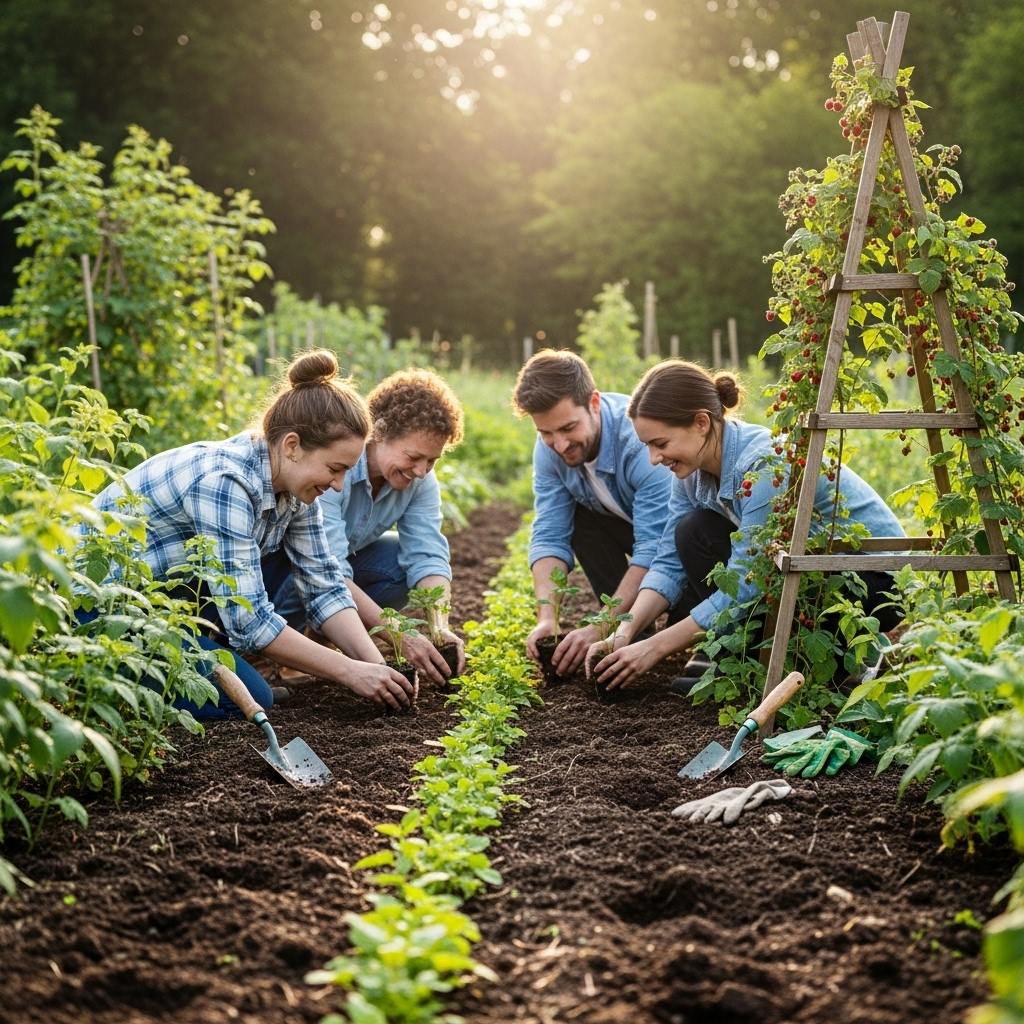
Red Raspberries
Red raspberries are the most common variety and for good reason. They are sweet, juicy, and versatile, making them perfect for fresh eating, baking, or preserving. I’ve found that red raspberries thrive in a variety of climates and are generally robust against pests and diseases. There are many cultivars to choose from, including ‘Heritage’ and ‘Latham’, which are particularly beloved for their great flavor and high yields. If you’re just starting, I’d recommend starting with red raspberries due to their hardiness and productivity.
Black Raspberries
Black raspberries are another delicious choice. Their rich, unique flavor is one of the reasons I decided to plant them in my garden. They are often smaller than red varieties but pack a punch in taste. Black raspberries prefer slightly cooler climates, so if you live in a warmer area, you might need to provide some afternoon shade to help them thrive. They are also less common, so they can add a bit of uniqueness to your berry patch.
Yellow Raspberries
Yellow raspberries, which are essentially a variant of red raspberries, offer a milder flavor and can be a delightful addition to any garden. I personally love their golden hue, which adds a pop of color to my berry patches. They tend to have a slightly lower yield compared to red raspberries but are still a fun variety to grow. A great cultivar to try is ‘Fall Gold’, which is known for its sweet flavor and produces fruit in late summer.
Purple Raspberries
Purple raspberries are a hybrid of red and black raspberries, combining the best of both worlds. They have a unique flavor profile and are typically larger than their red and black counterparts. I found that purple raspberries need a bit more care than other varieties, but the payoff can be worth it. They are great for jams and desserts, and their vibrant color makes them visually appealing in the garden. If you’re feeling adventurous, give purple raspberries a try!
Choosing the Right Location
Once you have selected your raspberry variety, the next step is choosing the right location for planting. I’ve learned that the success of your raspberry plants largely depends on where you plant them. Here are some critical factors to consider when selecting the ideal spot in your garden.
Sunlight Requirements
Raspberries thrive in full sunlight, requiring at least 6 to 8 hours a day. I once planted a few raspberry bushes in a partially shaded area, hoping they’d do okay. Unfortunately, they produced far fewer berries than those in full sun. When planning your raspberry patch, look for a spot that gets plenty of sunshine, as this will contribute to healthier plants and bigger yields.
Soil Type and Quality
Raspberries prefer well-drained, loamy soil that is rich in organic matter. I remember testing my soil before planting and realized it was too sandy, which led me to amend it with compost. This made all the difference! Aim for a pH between 5.5 and 6.5 for optimal growth. If your soil isn’t ideal, don’t worry! With some effort, you can easily improve its quality before planting. For more gardening insights, check out 10 Easy Fruits You Can Grow in Buckets.
Drainage Considerations
Good drainage is essential for raspberry plants, as they are prone to root rot in overly wet conditions. I learned this the hard way after planting in a low-lying area that retained water. Assess your location for drainage, and if necessary, consider raised beds or mounds to keep your plants dry. This not only helps prevent disease but also encourages vigorous growth.
Spacing and Layout in the Garden
When planting raspberries, spacing is crucial for healthy growth. I learned that I needed to give each plant enough room to breathe and spread out. Aim for 2 to 3 feet between each plant to allow for air circulation and sunlight penetration. This spacing also makes it easier to manage weeds and pests. Plan your layout carefully, keeping in mind how tall and wide your chosen varieties will grow.
Preparing the Soil for Planting
Now that we’ve covered how to choose the right location for your raspberry plants, let’s dive into preparing the soil for planting. I realized early on that the quality of your soil can make or break your raspberry garden. A little effort here can lead to healthier plants and bigger yields down the line.
Testing Soil pH
Before I started planting, I decided to test my soil’s pH. I learned that raspberries prefer a slightly acidic pH between 5.5 and 6.5. To test the pH, I used a simple home kit, which was super easy and affordable. I remember being a bit nervous about the results, but it turned out my soil was in the right range. If your results show a higher pH, you can lower it by adding sulfur or organic materials. It’s fascinating how something so simple can have such a significant impact on plant health!
Amending Soil with Organic Matter
After testing, I found that my soil could use a little boost in organic matter. So, I decided to amend it with compost. This was a game-changer for me! I mixed in plenty of well-rotted compost and aged manure, which helped improve the soil structure and nutrient content. I’ve found that adding organic matter not only benefits raspberries but also enhances the overall ecosystem of the garden. Plus, I loved the idea of recycling kitchen scraps and yard waste into something productive!
Fertilization Recommendations
Once my soil was prepared, I looked into the right fertilizers for my raspberry plants. I learned that a balanced fertilizer with equal parts nitrogen, phosphorus, and potassium works well. When I first planted, I used a slow-release fertilizer to give them a steady supply of nutrients. It made a noticeable difference in their growth! I also discovered that applying a light layer of organic mulch around the plants can help retain moisture and suppress weeds, which is always a plus.
Weed Control Strategies
Weeds can be a real pain when growing raspberries, as they compete for nutrients and water. I remember spending hours pulling weeds early on, which felt like a losing battle. To tackle this, I decided to use landscape fabric in my raspberry patch. This helped suppress the weeds significantly. I also applied mulch around the base of the plants, which not only kept weeds at bay but also helped the soil retain moisture. It was a win-win situation, and my raspberries thrived as a result!
When to Plant Raspberries
Timing is everything when it comes to planting raspberries. I’ve experienced firsthand how the right planting time can lead to a more fruitful harvest. Let’s explore the best time to plant in various climates and the factors to consider.
Best Time to Plant in Different Climates
The ideal planting time for raspberries often depends on your climate. In colder regions, early spring is typically the best time. I remember planting my first batch in April, just after the last frost, and they took off beautifully. If you live in a warmer climate, fall planting can sometimes yield better results, as the plants can establish their roots before the heat of summer. I’ve found that fall planting allows for an earlier harvest the following year!
Spring vs. Fall Planting
Both spring and fall have their advantages. For me, spring planting meant watching my raspberries burst to life after winter, which was incredibly rewarding. However, I’ve also had success with fall planting. The key is to make sure you get them in the ground early enough for them to settle before winter sets in. I usually aim for late September or early October in my area. I’ve learned that this timing allows the plants to develop a strong root system, which helps them bounce back in spring.
Signs of Frost and Temperature Considerations
When planting, it’s crucial to keep an eye on the weather. I remember one year when I got a bit too eager and planted too early; a late frost caught me off guard and damaged my young plants. I now wait until I’m confident that nighttime temperatures will consistently stay above freezing. I recommend checking the local forecast and using a frost blanket if unexpected cold weather is in the cards after planting. It’s amazing how a little planning can protect your investment!
Step-by-Step Planting Guide
With soil preparation complete and the timing right, it’s time to get your raspberry plants in the ground. Here’s a step-by-step guide that I found helpful when I was first getting started.
Choosing Healthy Raspberry Plants
First, it’s essential to select healthy raspberry plants. I learned to look for strong canes with vibrant green leaves and no signs of disease or pests. I often visit local nurseries where I can ask questions and see the plants in person. I’ve found that healthy plants make all the difference in the long run. I also like to check if the roots are well-developed; this usually indicates a stronger plant.
Planting Techniques and Depth
When planting, I place the plants in the ground so that the crown is just above the soil level. I’ve seen some people plant too deeply, which can lead to rot issues. After digging holes about twice as wide as the root ball and mixing in compost, I gently placed the plants in and filled them back in with soil, making sure to firm it down to eliminate air pockets. This technique has worked wonders for me!
Watering Guidelines After Planting
Once planted, I thoroughly watered the raspberries to help them settle in. I’ve learned that consistent watering is vital during the first few weeks as the plants establish themselves. I usually check the soil moisture a couple of times a week, and if it feels dry an inch down, I give them a good drink. It’s amazing how a little attention at this stage can lead to a thriving raspberry patch!
Caring for Raspberry Plants
Caring for raspberry plants is essential to ensure that they thrive and produce an abundant harvest. I’ve learned that a little bit of attention can go a long way in maintaining healthy plants. Here are some key aspects of care that I found helpful throughout the growing season.
Watering Schedule and Techniques
Watering is one of the most critical components of raspberry care. I discovered that raspberries prefer consistent moisture, especially during the hot summer months. I typically water my plants deeply once or twice a week, depending on the weather. An effective way to check if they need water is to stick my finger into the soil about an inch deep; if it feels dry, it’s time to give them a drink. I’ve also found that using a soaker hose or drip irrigation system helps deliver water directly to the roots without wetting the foliage, which can reduce the risk of disease. Keeping the soil evenly moist but not soggy has made a significant difference in my raspberry plants’ health.
Fertilizing Throughout the Growing Season
Fertilization is another important aspect of raspberry care. I remember the first year when I neglected to feed my plants adequately, and the yield was disappointing. Since then, I’ve made it a point to fertilize my raspberries in early spring and again after the first harvest. I prefer using organic fertilizers, like fish emulsion or compost, as they provide nutrients without the risk of burning the plants. When I fertilize, I make sure to apply it evenly around the base of the plants and water it in well. This has helped my raspberries grow strong and produce plentiful fruit.
Pest and Disease Management
Pests and diseases can be a real challenge when growing raspberries. I’ve faced my fair share of issues, from aphids to fungal diseases. To manage pests, I regularly inspect my plants for any signs of trouble. If I spot aphids, I usually spray them off with a strong jet of water or use insecticidal soap, which has been effective in controlling their populations. I also learned the importance of maintaining good air circulation around the plants by pruning and spacing them properly. This helps to prevent diseases like powdery mildew. I’ve found that practicing crop rotation and removing any fallen leaves or debris in the fall can also minimize disease risks.
Pruning for Optimal Growth
Pruning is a task that can seem intimidating at first, but it’s essential for the health and productivity of raspberry plants. I remember feeling unsure about when and how to prune, but with some practice, I’ve come to enjoy it. I typically prune my raspberry plants in late winter or early spring before new growth begins. For red and yellow raspberries, I cut back the previous year’s canes that have produced fruit, while for black and purple raspberries, I focus on thinning out the oldest canes to encourage new growth. Pruning not only helps to shape the plants but also improves air circulation and sunlight exposure, leading to healthier, more productive bushes.
Maximizing Raspberry Yields
If you’re like me and want to get the most out of your raspberry plants, there are a few strategies to consider. I’ve found that taking proactive steps can significantly boost my yields and ensure that my plants remain healthy.
Supporting Raspberry Plants (Trellising and Stakes)
Supporting my raspberry plants has been a game-changer. I’ve learned that trellising not only keeps the canes upright and tidy but also helps to maximize sunlight exposure and air circulation. I typically use a simple trellis system made with sturdy posts and wire. When planting, I make sure to place the trellising system in place right from the start so that as the plants grow, they have something to cling to. This support is especially important for tall-growing varieties. I’ve noticed that my yields increased significantly once I started using trellising, as the plants could focus their energy on producing fruit rather than spreading out on the ground.
Companion Planting Strategies
Companion planting has also proven beneficial for my raspberry garden. I’ve read about and experienced the positive effects of pairing raspberries with certain plants. For example, planting garlic or marigolds nearby helps to deter pests. Additionally, growing herbs like basil or oregano can attract beneficial insects that prey on common pests. I’ve found that these companion plants not only help protect my raspberries but also enhance the overall biodiversity of my garden, making it a more vibrant space.
Mulching Benefits
Mulching is another practice I swear by to maximize my raspberry yields. I usually apply a layer of organic mulch around my plants in early spring. This helps to retain moisture, suppress weeds, and maintain a more consistent soil temperature. I’ve noticed that my raspberries thrive better with a good layer of mulch, as it reduces competition from weeds and keeps the soil healthy. Plus, as the mulch breaks down, it adds organic matter back into the soil, benefiting the plants even more. For more space-saving gardening solutions, check out 10 Bucket Gardening Ideas That Save Space and Money.
Frequently Asked Questions
What are the different types of raspberry varieties?
The main types of raspberry varieties include red raspberries, black raspberries, yellow raspberries, and purple raspberries. Each type has unique traits and growing conditions that can affect your harvest.
Why are red raspberries recommended for beginners?
Red raspberries are recommended for beginners because they are hardy, productive, sweet, juicy, and versatile, thriving in various climates and being relatively robust against pests and diseases.
What kind of climate do black raspberries prefer?
Black raspberries prefer slightly cooler climates. If you live in a warmer area, it may be necessary to provide some afternoon shade to help them thrive.
How much sunlight do raspberry plants require?
Raspberry plants thrive in full sunlight, requiring at least 6 to 8 hours of sunlight per day for optimal growth and yield.
What is the ideal soil type for growing raspberries?
Raspberries prefer well-drained, loamy soil that is rich in organic matter, with a pH level between 5.5 and 6.5 for optimal growth.
When is the best time to plant raspberries in colder regions?
In colder regions, the best time to plant raspberries is typically early spring, just after the last frost.
What are some effective weed control strategies for raspberry plants?
Effective weed control strategies for raspberry plants include using landscape fabric to suppress weeds and applying mulch around the base of the plants to retain moisture and prevent weed growth.
How should raspberry plants be watered after planting?
After planting, raspberry plants should be thoroughly watered to help them settle in, with consistent moisture maintained during the first few weeks as they establish themselves.
What are the benefits of trellising raspberry plants?
Trellising raspberry plants helps keep the canes upright and tidy, maximizes sunlight exposure and air circulation, and can significantly increase yields by allowing the plants to focus on producing fruit.
What is the purpose of mulching around raspberry plants?
Mulching around raspberry plants helps retain moisture, suppress weeds, maintain consistent soil temperature, and adds organic matter back into the soil as it breaks down, benefiting the plants.