
The key to successfully planting rice lies in understanding the crop’s needs, choosing the right variety, and preparing the land properly. From my own experience, I’ve learned that with careful planning and attention to detail, anyone can grow their own rice. Read Interesting article: How to Plant Rice (Easy Growing Guide)
Understanding Rice Cultivation
What is Rice?
Rice is a staple food for more than half the world’s population and belongs to the grass family, specifically the Oryza sativa species. It’s primarily grown in flooded fields, which helps control weeds and pests while promoting healthy growth. The journey of rice from seed to harvest is fascinating, and I remember the first time I planted it; watching the seeds sprout and grow into lush green plants was incredibly rewarding. It really made me appreciate the effort that goes into cultivating this essential grain.
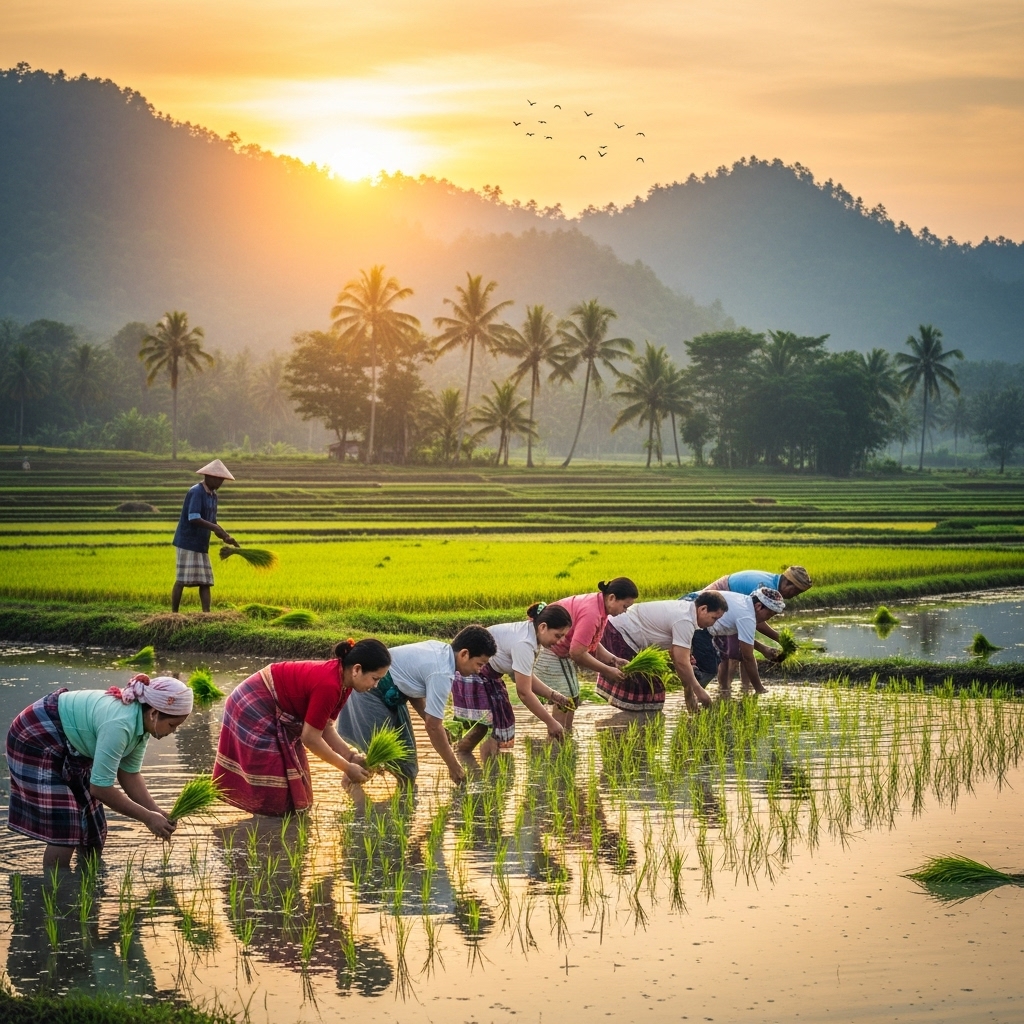
Types of Rice
There are many types of rice, and each variety has its unique characteristics and uses. Some of the most common types include:
- Long Grain Rice: This type remains separate and fluffy when cooked. Examples include Basmati and Jasmine rice.
- Medium Grain Rice: Often moist and tender when cooked, varieties include Arborio and Valencia rice.
- Short Grain Rice: This type is sticky and often used in sushi; examples are sushi rice and glutinous rice.
In my own garden, I started with a medium grain variety because I wanted rice that would be versatile for different dishes. I quickly learned that each type of rice demands specific growing conditions, so it’s essential to choose one that fits your climate and soil type.
Importance of Rice in Global Agriculture
Rice is not just food; it’s a significant economic driver in many countries. For instance, in Asia, rice cultivation supports millions of farmers and their families. In my research, I discovered that rice farming also plays a crucial role in sustaining rural communities and preserving cultural practices. When I see rice fields, I’m reminded of the traditions and history tied to this crop. It’s amazing how something as simple as rice can impact so many lives worldwide. Read Interesting article: Are Snake Plants Toxic to Dogs? Symptoms + Treatment
Preparing for Planting Rice
Choosing the Right Rice Variety
Choosing the right rice variety is crucial for successful cultivation. Factors like climate, soil type, and intended use should influence your decision. I remember when I first started, I was overwhelmed by the options. My local agricultural extension office was instrumental in helping me select a variety that thrived in my region. They suggested a drought-resistant strain, which proved to be a smart choice given the unpredictable weather patterns we often face.
Understanding Soil Requirements
Rice grows best in specific soil conditions, primarily clay or loam, which retains water well. I learned the hard way when I tried planting in sandy soil; my seedlings struggled to establish themselves. Understanding your soil type is essential, as it will determine the crop’s ability to thrive. If you’re unsure about your soil, it’s worth investing time into amending it or even creating raised beds to improve drainage and water retention.
Testing Soil pH and Nutrients
Before planting, testing your soil for pH and nutrient levels is a smart move. Rice prefers slightly acidic to neutral soil, with a pH of around 5.5 to 7. I purchased a simple soil testing kit from a gardening store, which helped me assess my soil’s health. Based on the results, I added lime to raise the pH and organic matter to enhance fertility. This preparation made a noticeable difference in my plants’ growth and overall health.
Selecting the Ideal Location
Choosing the right location for your rice field is just as important as selecting the variety and preparing the soil. Rice needs a lot of sunlight and consistent water, so a flat area with good access to water sources is ideal. In my case, I found a small plot near a natural pond, which proved beneficial. It not only provided water for irrigation but also created a microclimate that was perfect for rice growth.
With these foundational steps in mind, I felt more confident about my rice cultivation journey. Preparing properly sets the stage for what’s to come, and I can’t stress enough how much I appreciated the detailed groundwork before planting. The effort pays off when you see those first sprouts emerging from the soil, and it’s a feeling I highly recommend experiencing for yourself! Read Interesting article: Plant Cell vs Animal Cell: Main Differences Explained
Essential Tools and Equipment
Basic Gardening Tools
Having the right tools can make all the difference in your rice cultivation journey. I remember when I first started, I didn’t think I needed much more than a shovel and a rake. However, as I got deeper into the process, I quickly learned that investing in some basic gardening tools could save me time and effort. Essential tools for rice farming include:
- Shovel: A sturdy shovel is crucial for digging and turning soil. I found it particularly useful for preparing my seedbed.
- Hoe: This tool is great for breaking up soil and removing weeds. I used a hoe to create furrows for planting my rice seeds.
- Rake: Rakes help level the soil and create a nice seedbed. I remember spending quite some time making sure my garden plot was as even as possible.
- Watering Can or Hose: Adequate watering is essential for rice. Having a reliable watering can or hose made it easier for me to keep my seedlings hydrated.
- Gloves: Don’t underestimate the value of a good pair of gardening gloves! They protect your hands while working in the soil and make the whole experience more enjoyable.
For me, having these tools not only made my work easier but also turned the process into a fun and rewarding experience. I felt more connected to the earth and the plants I was nurturing.
Irrigation Systems
Water management is vital for rice cultivation, and having an effective irrigation system can take your farming to the next level. I learned this firsthand when I struggled with inconsistent rainfall during my first growing season. After some research, I decided to invest in a simple drip irrigation system. Here are some options to consider:
- Drip Irrigation: This system delivers water directly to the roots of the plants, which helps conserve water. I found it incredibly efficient and effective.
- Surface Irrigation: This is a more traditional method where water is allowed to flow over the soil surface. It works well if your field is flat and you have good water control.
- Flood Irrigation: Given that rice is traditionally grown in flooded conditions, this method involves flooding the fields to a certain depth. I found this method appealing because it mimicked natural conditions.
Setting up an irrigation system was a game-changer for me. It relieved a lot of my worries about droughts and made sure my rice plants received the right amount of water at the right time.
Fertilizers and Amendments
Proper fertilization is crucial for healthy rice plants. I quickly learned that rice requires specific nutrients to thrive. After testing my soil, I discovered that it was low in nitrogen and potassium, which are essential for robust growth. Here’s what I found helpful:
- Nitrogen Fertilizers: I used urea as a nitrogen source, which helped my plants grow lush and green.
- Potassium Fertilizers: Potassium is critical for root development and disease resistance. I chose a balanced fertilizer that included potassium to support my plants throughout their growth stages.
- Organic Amendments: I also incorporated compost and well-rotted manure into my soil. This not only improved fertility but also enhanced soil structure, which is vital for water retention.
Understanding how to use these fertilizers effectively took time, but after a few growing seasons, I noticed a significant improvement in my crop yields. It was satisfying to see how the right nutrients made my rice plants flourish.
Planting Rice: Step-by-Step Guide
When to Plant Rice
Timing is everything when it comes to planting rice. In my experience, I learned that rice should be planted after the last frost date in your area, typically in late spring to early summer. The soil temperature should be at least 70°F for optimal germination. I remember waiting anxiously for the weather to warm up, eager to get my seeds into the ground. Check your local climate and weather patterns to determine the best time for planting in your region.
Preparing the Seedbed
Preparing the seedbed is one of the most crucial steps in planting rice. I spent a good amount of time ensuring that my seedbed was well-prepared. Here’s what I did:
- I leveled the soil to create a uniform surface, which helps with water distribution.
- I soaked the soil to increase moisture retention, making it easier for the seeds to germinate.
- I cleared any weeds or debris, as they compete with rice seedlings for nutrients and water.
This preparation not only laid a solid foundation for my rice plants but also gave me peace of mind knowing I was starting off on the right foot.
Sowing Methods
There are various methods for sowing rice seeds, and choosing the right one can depend on your specific situation. I tried a couple of methods before settling on what worked best for me:
- Direct Seeding: I found this method to be the most straightforward. It involves sowing seeds directly into the prepared soil. I simply scattered the seeds evenly across the seedbed and covered them lightly with soil.
- Transplanting: This method involves starting seeds in a nursery bed and then moving the seedlings to the main field. Though more labor-intensive, I noticed that transplanted rice often established better and yielded more.
Ultimately, the choice comes down to your available resources, the size of your plot, and personal preference. Experimenting with different methods was a part of my learning process, and it was exciting to see which one worked best for my unique conditions.
Seed Rate and Spacing
Getting the seed rate and spacing right is essential for healthy growth. I learned that too many seeds can lead to overcrowding, which can stunt growth and make it easier for diseases to spread. I aimed for a seed rate of about 100-150 pounds per acre for direct seeding, while for transplanting, I spaced the seedlings about 6 to 12 inches apart. This allowed each plant to access enough nutrients, water, and sunlight, which is crucial for optimal growth.
Irrigation and Water Management
Importance of Water in Rice Farming
Water is the lifeblood of rice farming, and its importance cannot be overstated. I quickly learned that rice plants thrive in consistently moist conditions, which is why they are often grown in flooded fields. I remember the first time I saw my rice paddies after flooding them; the sight of the shimmering water reflecting the sun was not just beautiful, but it also gave me a sense of relief knowing my plants were getting what they needed. Water not only helps the plants grow, but it also plays a significant role in managing weeds and pests, making it essential for a successful harvest.
Flooding Techniques
Implementing effective flooding techniques is key to rice cultivation. One method I found particularly useful was controlled flooding, where I ensured the water level was just right—not too deep to drown the seedlings and not too shallow to stress them. I would adjust the water level as the plants grew, starting with about 4-6 inches at the seedling stage and gradually increasing it as the plants matured. This method not only mimicked the natural conditions rice is accustomed to but also helped suppress weeds, which can be a significant problem in dry conditions. I must say, watching the fields flood felt like I was participating in a delicate dance with nature, ensuring everything was in harmony.
Drainage Management
Just as important as flooding is proper drainage management. I learned this lesson the hard way when an unexpected rainstorm caused my fields to retain too much water. The risk of root rot and disease became apparent, and I lost some of my crop. To avoid this, I implemented drainage ditches that allowed excess water to escape, which helped maintain optimal soil moisture levels. I also made sure to observe my fields regularly to catch any drainage issues early. It’s fascinating how proper management can create a balance that allows rice to flourish while preventing potential problems.
Care and Maintenance of Rice Plants
Weed Control Strategies
Weeds can be a major headache in rice farming, competing for nutrients, water, and sunlight. I initially underestimated their impact and was overwhelmed by how quickly they could take over my rice paddies. I found that a combination of strategies worked best for me. Early in the season, I would hand-pull weeds where possible. As the plants grew taller, I relied on flooding, which helped suppress most weeds. I also experimented with mulching, using straw from a previous season’s crop to help block weed growth. It was rewarding to see my efforts pay off as my rice plants thrived without the aggressive competition from weeds.
Pest and Disease Management
Pests and diseases are another challenge in rice farming. I remember the first time I spotted rice water weevils in my field; I felt a wave of panic. After some research, I learned about integrated pest management strategies that combined cultural, biological, and chemical methods. I introduced beneficial insects to my fields, such as ladybugs, which helped control aphid populations. I also kept a close eye on my plants, checking for early signs of any issues. When necessary, I opted for organic pesticides to minimize harm to the ecosystem. This approach made me feel more in tune with the land and its natural processes.
Nutrient Management and Fertilization
Maintaining the right nutrient balance is vital for healthy rice plants. After my initial soil tests, I began to understand the specific nutrients my plants needed. I developed a fertilization schedule tailored to my rice’s growth stages. For instance, I applied more nitrogen during the early vegetative phase to promote lush growth and reduced potassium later to support grain filling. I also made a habit of adding organic matter throughout the season, which improved soil structure and health. It was enlightening to see how well my plants responded to my dedicated nutrient management, resulting in robust growth and higher yields.
Monitoring Plant Growth
Keeping an eye on the growth of my rice plants became a daily practice. I made it a point to walk through my fields regularly, looking for any changes in color, height, or signs of stress. This hands-on approach allowed me to catch potential problems early. I also documented the growth stages, which helped me plan my maintenance tasks better. By observing my plants closely, I developed a deeper understanding of their needs and how they responded to environmental conditions. There’s something incredibly fulfilling about nurturing a crop and witnessing its journey from seed to maturity.
Harvesting Rice
When to Harvest Rice
Knowing when to harvest rice is crucial for getting the best yield. I remember my excitement as the plants began to turn golden brown, signaling that it was almost time to reap the rewards of my hard work. The general rule is to wait until about 80% of the grains have turned golden and the moisture content is around 20%. I often checked the grains by pinching them between my fingers; if they felt firm and hard, I knew the time had come. Harvesting too early can lead to lower yields, while waiting too long can result in losses from shattering or pests.
Harvesting Techniques
When it came to harvesting, I explored a couple of techniques. The first was manual harvesting, which involved using a sickle to cut the stalks close to the ground. I found this method rewarding and allowed me to be in tune with the process. However, for larger areas, I opted for a small motorized harvester, which saved time and effort. Whichever method I chose, I made sure to cut the stalks at the right height to maximize the grain yield and keep the remaining stubble to protect the soil.
Post-Harvest Handling and Storage
After harvesting, proper handling and storage of the rice is vital to maintaining its quality. I quickly learned the importance of drying the grains before storage. Ideally, I aimed for a moisture level of about 13-14%. I spread the harvested rice out in a thin layer under the sun, turning it regularly to ensure even drying. Once dried, I stored the rice in airtight containers to protect it from pests and humidity. The first time I opened a container filled with my homegrown rice was a proud moment; it reminded me of the journey from planting seeds to gathering the harvest.
Frequently Asked Questions
What is rice and why is it important?
Rice is a staple food for more than half the world’s population and belongs to the grass family, specifically the Oryza sativa species. It is important because it serves as a significant economic driver in many countries, particularly in Asia, supporting millions of farmers and sustaining rural communities.
What are the main types of rice?
The main types of rice include Long Grain Rice (e.g., Basmati, Jasmine), Medium Grain Rice (e.g., Arborio, Valencia), and Short Grain Rice (e.g., sushi rice, glutinous rice), each with unique characteristics and uses.
What factors should be considered when choosing a rice variety?
When choosing a rice variety, it’s crucial to consider factors like climate, soil type, and intended use. Selecting a variety that thrives in your region’s specific conditions is essential for successful cultivation.
What soil conditions are ideal for growing rice?
Rice grows best in specific soil conditions, primarily clay or loam, which retain water well. Understanding your soil type and amending it as necessary is vital for the crop’s success.
When is the best time to plant rice?
Rice should be planted after the last frost date in your area, typically in late spring to early summer, when the soil temperature reaches at least 70°F for optimal germination.
What are some essential tools for planting rice?
Essential tools for planting rice include a shovel, hoe, rake, watering can or hose, and gloves. These tools help in preparing the land, planting seeds, and maintaining the crop.
How important is water management in rice farming?
Water management is vital for rice farming as rice plants thrive in consistently moist conditions. Proper irrigation techniques, including controlled flooding and drainage management, are essential to ensure the plants receive adequate water without risking root rot or disease.
What strategies can be used for weed control in rice fields?
Weed control strategies include hand-pulling weeds, using flooding to suppress them, and experimenting with mulching, such as using straw from previous crops to block weed growth.
When should rice be harvested?
Rice should be harvested when about 80% of the grains have turned golden and the moisture content is around 20%. Checking the firmness of the grains is a good way to determine the right time for harvest.
What are the key steps in post-harvest handling of rice?
After harvesting, it is important to dry the grains to a moisture level of about 13-14% and to store them in airtight containers to protect against pests and humidity, maintaining the quality of the rice.