
To plant rosemary for strong growth, choose a sunny location with well-draining soil, and ensure you provide consistent water without overwatering. I’ve learned that the right conditions can make all the difference in nurturing this aromatic herb. Read Interesting article: When to Plant Lavender for Best Growth
Understanding Rosemary: An Overview
What is Rosemary?
Rosemary (Rosmarinus officinalis) is a fragrant evergreen herb native to the Mediterranean region. With its needle-like leaves and woody stems, it’s not just a culinary delight; it’s also cherished for its aromatic properties. I remember the first time I caught a whiff of fresh rosemary; it instantly transported me to sun-soaked gardens. Growing rosemary brings a bit of that Mediterranean charm right to our homes or gardens.
Benefits of Growing Rosemary
Growing rosemary offers numerous benefits. For starters, it’s incredibly versatile in the kitchen. I often use fresh rosemary to flavor roasted meats, potatoes, and even breads. Beyond its culinary uses, rosemary is known for its potential health benefits, including improving digestion and boosting memory. Having a pot of rosemary at home means I have easy access to this wonderful herb whenever I need it. Plus, it’s a hardy plant that can thrive in various conditions, making it a great choice for both beginner and experienced gardeners. Read Interesting article: How to Grow Broccoli Plants Successfully
Common Varieties of Rosemary
There are several varieties of rosemary, each offering unique flavors and appearances. The most common types include:
- Common Rosemary (Rosmarinus officinalis): This is the classic variety, known for its robust flavor and aroma.
- Trailing Rosemary: Perfect for hanging baskets or ground cover, this variety has a beautiful cascading growth habit.
- Golden Rosemary: With stunning golden edges on its leaves, this variety is both decorative and flavorful.
- Blue Spires: Features upright growth and vibrant blue flowers, adding visual appeal to any garden.
Each of these varieties has its own charm, and I often find myself experimenting to discover which one I prefer in my dishes. Choosing the right variety depends on your personal taste and garden space.
When to Plant Rosemary
Best Time of Year for Planting
The best time to plant rosemary depends on your local climate, but generally, it’s best to do so in the spring after the last frost. I’ve found that planting at this time gives the seedlings a full growing season to establish themselves. If you live in a warmer area, you might even consider planting in late winter. Timing your planting can significantly affect the growth and health of your rosemary plants.
Ideal Climate and Temperature Conditions
Rosemary thrives in warm, sunny climates. Ideally, it likes temperatures between 70°F and 75°F. I’ve noted that if temperatures dip below 30°F, rosemary can suffer, so it’s important to consider your local weather when deciding when to plant. If you live in a cooler climate, starting your rosemary indoors or in a greenhouse can be a good strategy. This way, you can ensure it has the warmth it needs to thrive.
Frost Considerations
Frost can be detrimental to rosemary plants, especially when they are young. I remember planting my first rosemary outdoors too early in the season, only to have it wilt from unexpected frost. To protect your plants, wait until all chances of frost have passed, or consider using row covers if frost threatens after planting. If you want to get a jump on the season, starting your seeds indoors 8-10 weeks before the last frost can help ensure a healthy crop come spring.
Where to Plant Rosemary
Choosing the Right Location in Your Garden
When choosing a location for rosemary, consider a spot that receives full sunlight for at least 6-8 hours a day. I’ve seen firsthand how rosemary flourishes in sunny spots—its leaves become more aromatic and vibrant. If you’re planting in a garden bed, make sure it’s an area with good air circulation to help prevent diseases.
Container vs. Ground Planting
Both container and ground planting have their benefits. When I first started my herb garden, I opted for containers because they allow for easy mobility and can be moved to capture more sunlight. Containers are also great for those with limited space or poor soil conditions. On the other hand, planting directly in the ground can lead to more robust growth, as rosemary plants often develop deeper roots. If you choose container gardening, ensure your pot has good drainage to prevent waterlogging.
Soil Requirements and Preparation
Rosemary prefers sandy or loamy soil with excellent drainage. I learned the hard way that overly rich or heavy soils can lead to root rot. A good mix is about 50% potting soil, 25% sand, and 25% perlite or vermiculite to improve drainage. If you’re planting in the ground, you might want to amend your soil with sand or gravel to enhance drainage. Testing your soil’s pH is also key; rosemary thrives in slightly acidic to neutral soil (pH 6.0 to 7.0). Preparing the soil well can set a solid foundation for your rosemary’s growth.
How to Plant Rosemary
Starting from Seeds
Starting rosemary from seeds can be a rewarding challenge. I remember my first attempt, which required patience as rosemary seeds can be slow to germinate. To start, soak the seeds for 24 hours to enhance germination, then sow them in a seed tray filled with a well-draining mix. Keep the soil moist but not soggy, and place the tray in a warm, sunny location. Germination may take a few weeks, so patience is key here. Once the seedlings have a few sets of true leaves, you can transplant them into individual pots.
Using Cuttings for Propagation
One of my favorite ways to propagate rosemary is through cuttings. It’s quick and tends to be more successful than starting from seeds. I simply take a 4-6 inch cutting from a healthy plant, remove the lower leaves, and place it in a glass of water until roots develop, which usually takes about two weeks. Alternatively, you can plant the cutting directly into moist soil. Just keep it in a warm spot and cover it with a plastic bag to create humidity until it roots. This method has worked wonders for me, as I’ve multiplied my rosemary plants without much fuss.
Transplanting Established Plants
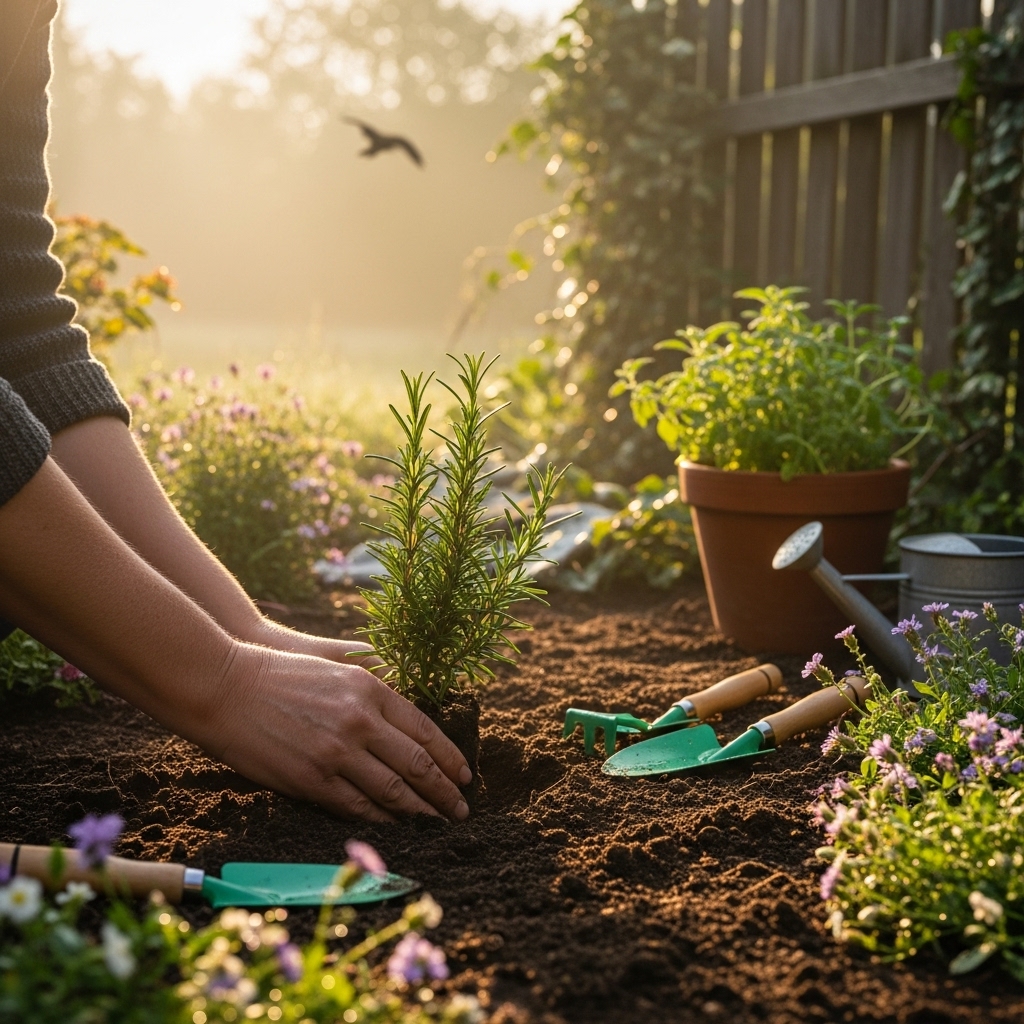
If you have started your rosemary in pots or have healthy plants that need more space, transplanting is the next step. I’ve found that the best time to transplant is in the spring or early fall. When transplanting, be gentle with the roots to avoid shock. Dig a hole that is slightly larger than the root ball, and make sure to water the plant thoroughly after moving it. This helps it settle into its new home and reduces transplant shock. Keeping the soil around the plant moist for a few weeks will help establish those roots.
Caring for Rosemary for Strong Growth
Watering Guidelines
When it comes to watering rosemary, I’ve learned that it’s a fine balance. Rosemary prefers to be on the drier side rather than too wet. I usually check the top inch of soil; if it feels dry, then it’s time to water. Overwatering is one of the quickest ways to stress this herb. I remember my early days of gardening, where I was overly eager and ended up with droopy, yellow leaves. Now, I water deeply but infrequently, allowing the plant to dry out completely between waterings. This encourages the roots to grow deeper, making the plant more resilient.
Fertilization Practices
Fertilizing rosemary isn’t always necessary, but I’ve found that a little boost can help during the growing season. I typically use a balanced, organic fertilizer diluted to half strength once in the spring. Too much fertilizer can lead to excessive leaf growth at the expense of flavor, so I tread lightly. If your rosemary is in poor soil, a light application can do wonders, but in most cases, I believe that good soil preparation at planting time is often enough to keep it thriving.
Sunlight Requirements
Sunlight is crucial for rosemary to flourish. I’ve noticed that my plants thrive best when they receive at least 6-8 hours of direct sunlight each day. If the weather is particularly hot, I’ve found that providing some afternoon shade can prevent the leaves from scorching. If you’re growing rosemary indoors, placing it near a south-facing window has worked well for me. The more light it gets, the more aromatic and flavorful the leaves become, which is a huge plus for my cooking!
Pruning and Maintenance Tips
Pruning rosemary is essential for maintaining its shape and encouraging new growth. I usually trim my plants in the spring, right before the growing season kicks in. I like to remove any dead or woody stems and shape the plant to encourage a bushier growth. It’s also a great way to harvest fresh rosemary for cooking! I’ve found that regular trimming helps keep the plant healthy and productive. Additionally, if I notice any branches that are starting to look sparse or woody, I’ll cut them back to stimulate new growth. Just be sure to use clean, sharp scissors to avoid any damage to the plant.
Pest and Disease Management
Common Pests Affecting Rosemary
Like any plant, rosemary is not immune to pests. I’ve encountered aphids and spider mites, which can be quite pesky. When I first noticed a few leaves curling or turning yellow, I did some research and found that these pests love to hide under leaves. I’ve had success with a simple solution: a mixture of water and a few drops of dish soap sprayed on affected areas. This helps to suffocate the pests without harming the plant. Regularly inspecting my plants has been key in catching these infestations early on.
Identifying and Managing Diseases
Rosemary can also be susceptible to root rot if the soil is too wet. I remember losing a plant because I didn’t realize how waterlogged it had become. Signs of disease include yellowing leaves and a general lack of vigor. If I suspect a disease, I’ll check the roots for any blackened or mushy areas. If I find problems, I’ve learned that repotting the plant in fresh, dry soil can sometimes save it. I always ensure that my pots have good drainage to prevent this issue from arising.
Natural Remedies and Prevention Strategies
To keep my rosemary healthy, I’ve adopted a few natural prevention strategies. I’ve found that companion planting with herbs like basil or mint can help deter pests and promote overall health. Additionally, I like to keep the area around my plants free from debris and weeds, which can harbor pests. Another trick I’ve used is to scatter crushed eggshells around the base of the plant; this not only adds calcium to the soil but also helps deter slugs and snails. By being proactive, I’ve managed to keep my rosemary thriving year after year. Read Interesting article: What Plants Keep Mosquitoes Away? Best Natural Repellents
Harvesting and Using Rosemary
When and How to Harvest
Harvesting rosemary can be one of the most rewarding parts of growing it. I generally start harvesting once the plant is well-established, usually after it has been growing for several months. I love to snip off sprigs in the morning after the dew has dried, as I find the flavor is more intense then. To harvest, I simply use scissors to cut the stems, making sure to leave enough foliage for the plant to continue growing. I’ve learned that taking cuttings regularly encourages bushiness, which is another bonus!
Storing Fresh Rosemary
After harvesting, I want to keep my rosemary fresh for as long as possible. I’ve tried a few different methods, and my favorite is to wrap the sprigs in a damp paper towel, place them in a plastic bag, and store them in the fridge. This keeps them fresh for about a week. If I have a larger harvest, I’ll dry some by hanging the sprigs upside down in a cool, dark place. Once dried, I store the leaves in an airtight container. The aroma is incredible and reminds me of sunny days in my garden!
Cooking and Medicinal Uses
In the kitchen, rosemary is one of my go-to herbs. I love adding it to roasted vegetables, grilled meats, and even homemade bread. The flavor is so distinct and elevates my dishes. Beyond culinary uses, rosemary also has some medicinal properties that I’ve explored. I’ve brewed rosemary tea for its purported benefits of improving digestion and boosting memory. Whether I’m using it in cooking or for a relaxing tea, I find that rosemary brings a unique and wonderful touch to my culinary adventures.
Frequently Asked Questions
What are the ideal conditions for planting rosemary?
To plant rosemary for strong growth, choose a sunny location with well-draining soil, and ensure you provide consistent water without overwatering.
What is rosemary and where is it native to?
Rosemary (Rosmarinus officinalis) is a fragrant evergreen herb native to the Mediterranean region, known for its needle-like leaves and woody stems.
What are some benefits of growing rosemary?
Growing rosemary is beneficial as it is versatile in the kitchen, known for improving digestion and boosting memory, and is a hardy plant that thrives in various conditions.
What are the common varieties of rosemary?
The most common varieties include Common Rosemary, Trailing Rosemary, Golden Rosemary, and Blue Spires, each with unique flavors and appearances.
When is the best time to plant rosemary?
The best time to plant rosemary is in the spring after the last frost, or in late winter in warmer areas, allowing seedlings a full growing season to establish themselves.
What soil conditions are best for rosemary?
Rosemary prefers sandy or loamy soil with excellent drainage, ideally with a pH of 6.0 to 7.0. A mix of 50% potting soil, 25% sand, and 25% perlite or vermiculite is recommended.
How should rosemary be watered?
Rosemary prefers to be on the drier side, so it’s important to water deeply but infrequently, checking that the top inch of soil is dry before watering again.
What pests commonly affect rosemary?
Common pests that affect rosemary include aphids and spider mites. Regular inspection and using a mixture of water and dish soap can help manage these pests.
How can rosemary be harvested and stored?
Harvest rosemary once the plant is well-established by snipping off sprigs with scissors. To store, wrap sprigs in a damp paper towel, place in a plastic bag, and refrigerate, or dry them by hanging upside down in a cool, dark place.
What are some culinary uses of rosemary?
In cooking, rosemary is used to flavor roasted vegetables, grilled meats, and homemade bread. It also has medicinal properties, such as being brewed into tea for digestion and memory improvement.