
To plant roses for healthy blooms, choose the right type of rose, find a sunny location with well-drained soil, and follow a proper planting technique. My journey into rose gardening taught me that small details make a big difference in achieving those stunning blossoms. Read Interesting article: How to Plant Rose Cuttings Successfully
Understanding Roses: Types and Varieties
Roses come in various types and varieties, each with unique characteristics and care requirements. I remember the first time I stood before a vibrant rose garden, captivated by the diversity before me. It’s essential to understand the different types of roses to choose the one that will thrive in your garden and meet your aesthetic desires.
Hybrid Tea Roses
Hybrid tea roses are perhaps the most popular type of rose, known for their elegant long stems and classic bloom shape. They are perfect for cutting and displaying indoors, and they offer a wide range of colors and fragrances. I’ve grown hybrid tea roses in my garden, and I find that they require regular care, including deadheading spent blooms to encourage new growth. They thrive best in full sun and need nutrient-rich soil to produce those beautiful, large flowers.
Floribunda Roses
Floribunda roses are slightly different; they produce clusters of blooms on shorter stems, creating a more abundant display. I’ve always loved how these roses can fill a garden bed with color. They are generally more resilient than hybrid teas and can bloom continuously throughout the growing season. These roses are great for those who want a vibrant, low-maintenance option that doesn’t require as much fuss as their hybrid counterparts. Read Interesting article: What Type of Plant Is This? Quick Identification Guide
Climbing Roses
If you’re looking to add vertical interest to your garden, climbing roses might be the way to go. These beauties can grow up trellises, fences, or even arbors, creating a stunning visual effect. I recall the day I decided to plant climbing roses; I felt like I was transforming my garden into a secret garden oasis. They do need support as they grow, and I learned to train them as they develop to ensure they fill the space beautifully.
David Austin Roses
For those who appreciate old-fashioned charm, David Austin roses combine the best of both worlds—classic fragrance and modern disease resistance. I’ve planted a few of these in my garden, and their unique blooms and scents take me back to an English garden. They come in various forms, including shrub roses and climbers, and are typically very hardy, making them a fantastic choice for novice gardeners and seasoned pros alike.
Choosing the Right Location for Planting Roses
Finding the perfect spot for your rose plants can be as crucial as the type of rose you choose. I’ve learned through trial and error that roses thrive in certain conditions, so let’s dive into what you should consider when selecting a location.
Sunlight Requirements
Roses are sun-worshippers and need at least six hours of direct sunlight each day for optimal growth. I once planted roses in a partially shaded area, thinking they would be fine, but the blooms were sparse and lackluster. After moving them to a sunnier spot, they flourished! When choosing your planting site, observe how the sunlight moves across your garden throughout the day to ensure your roses get the light they need.
Soil Type and Drainage
Good soil is the foundation of healthy roses. They prefer well-drained, loamy soil rich in organic matter. I remember feeling frustrated when my roses struggled in heavy clay soil. After amending the soil with compost and sand to improve drainage, I noticed a remarkable improvement in their health. Before planting, it’s wise to test your soil to understand its composition and pH levels. Roses typically prefer a slightly acidic to neutral pH between 6.0 to 6.8.
Spacing and Airflow Considerations
When planting roses, spacing is vital for their growth and health. I learned this the hard way after overcrowding my plants, which led to poor airflow and increased disease susceptibility. Ideally, you should space hybrid tea roses about 18 to 24 inches apart, while floribundas can be planted slightly closer. Proper spacing allows air to circulate, reducing the chances of fungal diseases and promoting better growth.
Preparing the Soil for Rose Planting
Once you’ve chosen the right location, the next step is preparing the soil. This part of the process was an eye-opener for me, as I realized that healthy soil directly translates to healthy plants. Here’s how to get it right.
Soil Testing and pH Levels
Before planting roses, I recommend testing your soil to understand its nutrient levels and pH. Home testing kits are easy to use and can provide valuable insights. I once discovered that my soil was too alkaline, which explained the struggle my plants faced. Amending the soil with sulfur helped lower the pH, creating a more suitable environment for my roses.
Amending Soil with Organic Material
After testing, it’s time to amend your soil. I love mixing in organic compost or well-rotted manure, as it boosts nutrients and improves soil structure. I remember how my roses responded positively to the rich, dark soil I created. Aim for a balance of nutrients, and you’ll likely see a significant difference in growth and bloom quality.
Using Mulch for Moisture Retention
Mulching is another crucial step in preparing your rose bed. I’ve found that applying a layer of mulch not only helps retain moisture but also suppresses weeds that compete for nutrients. Organic mulch, like shredded bark or straw, breaks down over time and further enriches the soil. Just be sure to keep the mulch a few inches away from the base of the roses to prevent rot.
When to Plant Roses
Timing is everything when it comes to planting roses. I’ve experienced firsthand how the right planting time can set the stage for growth and blooming. Let’s break down the best times to plant roses so you can give your plants the best start possible.
Spring vs. Fall Planting
When I first started my rose garden, I was unsure whether to plant in spring or fall. After doing some research and experimenting, I found that both seasons have their pros and cons. Spring is often recommended for planting bare-root roses, as they have the entire growing season to establish their roots. I planted my first roses in early spring, and they thrived! However, fall can also be a good time, especially in milder climates. The cooler temperatures help reduce stress on the plants, allowing them to settle into the ground without the pressure of the heat.
In my experience, if you’re in a cooler region, I recommend spring planting. But if you live in a warmer climate, fall planting can lead to strong root systems before winter sets in. Just be sure to give your roses enough time to establish before the cold hits!
Regional Climate Considerations
Climate plays a significant role in determining the best planting time for roses. I remember visiting a friend in the south who planted roses in late winter. Their mild winters allowed for an earlier start. However, in my cooler northern climate, I had to wait until after the last frost in spring. Understanding your local climate can save you from a lot of heartache as you embark on your rose gardening journey.
Consider the hardiness zone in your area. This information can guide you in selecting the types of roses that will thrive in your climate. I once tried to grow a variety that wasn’t suited for my zone, and let’s just say it didn’t end well. Always check the hardiness rating when selecting rose varieties!
Signs of Frost and Temperature Guidelines
Knowing when the risk of frost has passed is crucial. I’ve learned to keep an eye on the forecast during the weeks leading up to my planting time. A sudden frost can be detrimental to newly planted roses. I’ve seen my excitement turn to disappointment when unexpected cold snaps hit my freshly planted beds. A good rule of thumb is to wait until nighttime temperatures consistently stay above 32°F (0°C).
Another sign to look for is the blooming of forsythia or the appearance of daffodils, which often indicate that it’s safe to plant roses. I remember the thrill of seeing those vibrant yellow forsythia blooms, which meant spring was finally here, and it was time to get my hands dirty in the garden. Trusting these natural indicators can help ensure you plant at the right moment. Read Interesting article: What Plants Like Coffee Grounds? Best Plants List
How to Plant Roses: Step-by-Step Guide
Now that you’ve got the timing down, let’s dive into the actual planting process. I found that following a step-by-step guide made the experience smoother and more rewarding. Here’s how I go about planting roses, ensuring they have the best chance to thrive.
Choosing the Right Rose Plant
Before I even dig a hole, I make sure I have the right rose plant. I’ve learned to select healthy roses from reputable nurseries. Inspecting for strong stems and healthy foliage is key. Sometimes, I’ll even ask the nursery staff for advice on the best varieties for my garden conditions. I once picked a rose that looked beautiful but turned out to be high maintenance. Learning to choose wisely has been one of my biggest takeaways!
Digging the Right Hole
When it’s time to plant, digging the right-sized hole is crucial. I typically dig a hole that’s about twice the width of the root ball and just as deep. This gives the roots plenty of room to spread out. I remember how, in my early days, I’d just dig a small hole and wonder why my roses weren’t growing well! The more space for those roots, the better chance of healthy growth.
Planting Techniques: Depth and Angle
When placing the rose in the hole, I always make sure to keep the graft union (the bulge where the rose variety was grafted onto the rootstock) at soil level. I’ve learned that if it’s too deep or too high, it can affect the plant’s health. Once positioned correctly, I backfill the hole with soil, gently firming it around the roots. I’ve found that being careful not to damage the roots during this step is essential for a successful planting.
Watering After Planting
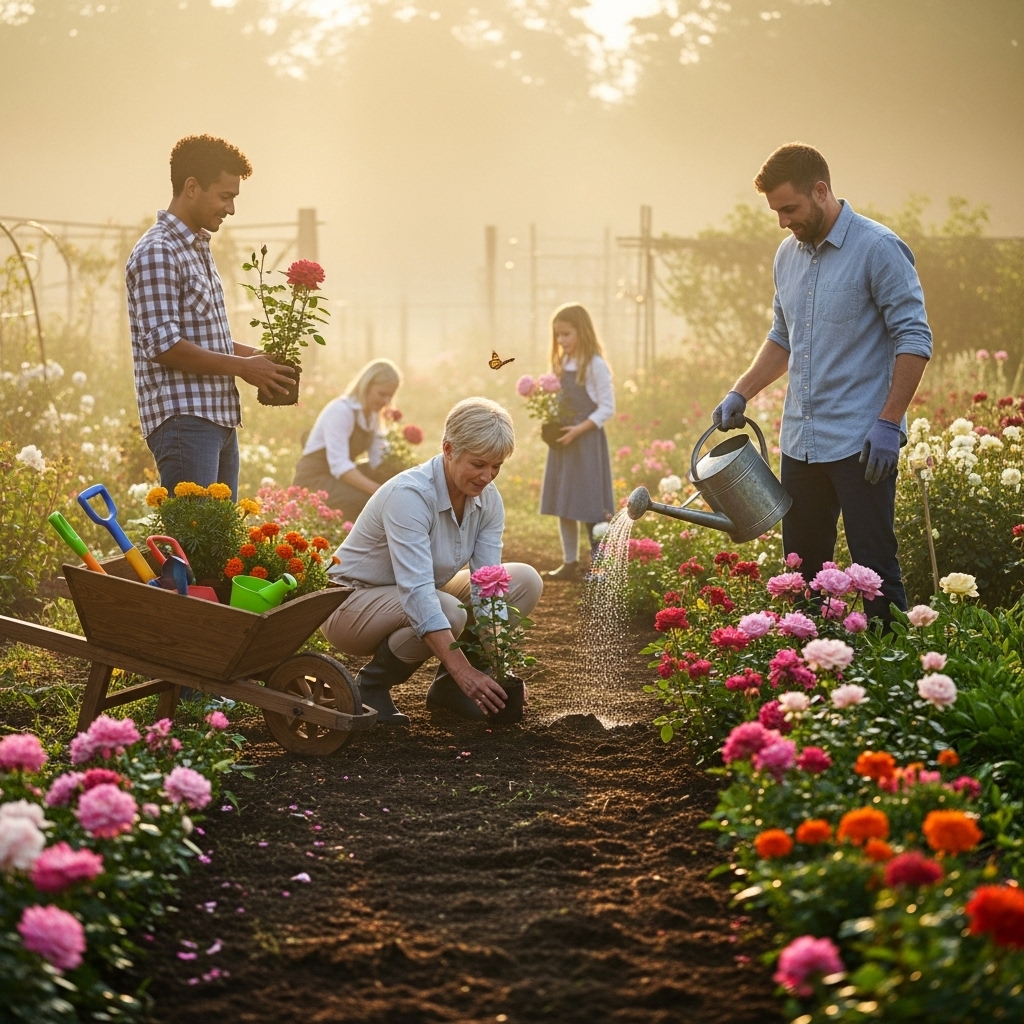
After planting, I give my new roses a good drink. I like to soak the area thoroughly to encourage the roots to take hold. In my experience, keeping the soil consistently moist (but not soggy) in the weeks following planting helps the roses establish themselves. I’ve learned that consistent moisture is key, especially in the first few weeks. It’s exciting to watch them start to grow, and giving them a good start with watering makes all the difference!
Post-Planting Care for Healthy Blooms
Once your roses are in the ground, the journey doesn’t end there; it’s just the beginning! I’ve learned that post-planting care is essential for ensuring those beautiful blooms thrive. Here’s a look at what I’ve discovered about caring for roses after planting.
Watering Schedule and Techniques
Watering roses after planting is crucial, but I quickly realized that it’s not just about giving them a drink and walking away. I’ve found that establishing a consistent watering schedule is key. During the first few weeks, I water my roses deeply about two to three times a week, depending on the weather. If it’s hot or windy, I might need to water more often.
When I water, I focus on the base of the plant rather than soaking the foliage. This helps prevent diseases that can arise from moisture sitting on the leaves. I also like to use soaker hoses or drip irrigation systems, which deliver water directly to the roots and conserve moisture. It’s amazing how much healthier my roses looked once I started paying attention to their watering needs!
Fertilizing Roses: When and How
Fertilizing is another important aspect of rose care that I had to learn over time. I remember my first spring of gardening, after planting my roses, I was eager to give them a boost. I discovered that using a balanced fertilizer helps encourage strong root growth and vibrant blooms. Typically, I start fertilizing a few weeks after planting, using a slow-release rose fertilizer.
In my experience, fertilizing in early spring as the new growth begins is ideal. I also give my roses a second application in mid-summer to keep them nourished. I’ve learned to follow the package directions carefully, as over-fertilizing can burn the plants. Watching my roses respond to the right amount of nutrients has been incredibly satisfying!
Pest and Disease Management
As much as I love my roses, I’ve had to face the reality that pests and diseases can threaten their beauty. I remember feeling overwhelmed the first time I spotted aphids on my plants. I quickly learned that early detection and treatment are vital. I’ve started inspecting my roses regularly, checking under leaves and along stems for any signs of trouble.
For pests, I’ve found that a simple blast of water can often dislodge them. If the infestation is severe, I might use insecticidal soap, which is gentle on the plants but tough on pests. I also try to attract beneficial insects like ladybugs to my garden, as they are natural predators of aphids.
In terms of disease management, I’ve learned that keeping my roses well-spaced and pruning them regularly can improve airflow and prevent fungal problems. When I see any discolored or spotted leaves, I promptly remove them to avoid spreading any potential diseases. It’s about staying proactive rather than reactive!
Pruning Techniques for Growth and Blooming
Pruning has become one of my favorite tasks in rose gardening. I remember my first experience with pruning; I was hesitant but soon discovered its importance. Pruning helps shape the plant and encourages bushier growth and more blooms. I typically prune in late winter or early spring before new growth starts.
When pruning, I focus on removing dead, damaged, or crossing branches. I’ve learned to cut at a slight angle, about a quarter-inch above a bud facing outward from the center of the plant. This encourages growth outward, which helps with airflow and sunlight exposure. I’ve seen how a good pruning can invigorate my roses, leading to a more robust display of flowers throughout the season.
As the blooming season progresses, I also deadhead spent flowers. It took me a while to realize that by cutting off the faded blooms, I could encourage more buds to form. Now, I make it a point to keep an eye on my roses and enjoy the process of grooming them regularly.
Frequently Asked Questions
What are the different types of roses mentioned in the article?
The article mentions several types of roses, including Hybrid Tea Roses, Floribunda Roses, Climbing Roses, and David Austin Roses.
What are Hybrid Tea Roses known for?
Hybrid Tea Roses are known for their elegant long stems and classic bloom shape, making them ideal for cutting and displaying indoors. They thrive best in full sun and require regular care.
How do Floribunda Roses differ from Hybrid Tea Roses?
Floribunda Roses produce clusters of blooms on shorter stems, creating a more abundant display. They are generally more resilient and can bloom continuously throughout the growing season, making them a low-maintenance option.
What should I consider when choosing a location for planting roses?
When choosing a location for planting roses, consider sunlight requirements (at least six hours of direct sunlight), soil type and drainage (well-drained, loamy soil rich in organic matter), and proper spacing for airflow.
How should I prepare the soil before planting roses?
Before planting roses, you should test the soil for nutrient levels and pH, amend it with organic material like compost or well-rotted manure, and apply mulch for moisture retention.
What is the best time to plant roses?
The best time to plant roses is typically in spring for bare-root roses, as they have the entire growing season to establish their roots. Fall can also be a good time, especially in milder climates.
What factors should I consider regarding regional climate when planting roses?
Consider your local climate and hardiness zone, as these factors affect the best planting time and the types of roses that will thrive in your area.
What watering techniques should be used after planting roses?
After planting, establish a consistent watering schedule, focusing on watering the base of the plant rather than the foliage. Deeply water two to three times a week, especially in hot or windy conditions.
When should I fertilize my roses?
Fertilize roses a few weeks after planting, using a balanced fertilizer. It’s ideal to fertilize in early spring as new growth begins and again in mid-summer to keep them nourished.
What pruning techniques are recommended for roses?
Prune roses in late winter or early spring, removing dead, damaged, or crossing branches. Cut at a slight angle above a bud facing outward to encourage outward growth and better airflow.