
The key to planting roses for healthy blooms is to choose the right variety, prepare the soil properly, and provide adequate care. From my experience, roses thrive when they have the right environment and consistent attention. For a comprehensive guide, check out How to Plant Roses for Healthy Blooms.
Understanding Rose Varieties
When I first started my journey into gardening, I was overwhelmed by the sheer number of rose varieties available. Each type has its unique charm, requirements, and bloom characteristics, which can significantly influence your gardening experience. Understanding these varieties is essential to making an informed choice for your garden.
Hybrid Tea Roses
Hybrid tea roses are often considered the classic rose variety. They have long stems and large blooms, making them perfect for cut flowers. I remember planting my first hybrid tea rose and being thrilled by its stunning, fragrant blossoms. They typically bloom once in spring and then sporadically throughout the summer. These roses do require a bit more care, so if you’re ready to invest time, they’re a beautiful choice.
Floribunda Roses
Floribunda roses are a fantastic option for gardeners who want continuous blooms. They produce clusters of flowers, creating vibrant displays in the garden. I planted a few floribunda roses in my flower bed, and I was delighted to see how they filled the space with color. They are generally hardy and more forgiving than hybrid teas, making them suitable for both beginners and experienced gardeners.
Climbing Roses
If you’re looking to embellish fences or trellises, climbing roses are perfect. They can grow tall and need support to reach their full potential. I once used climbing roses to add vertical interest to my garden, and they became a focal point. Just keep in mind that they require regular pruning to encourage growth and maintain their shape.
Ground Cover Roses
Ground cover roses are my go-to for filling gaps and preventing weed growth. These low-growing varieties create a beautiful carpet of blooms and are fantastic for sloping areas. I remember discovering how resilient these roses are; they can thrive in less-than-ideal conditions and are usually disease resistant. Their spreading nature makes them perfect for creating colorful borders or covering unsightly patches in the garden.
Miniature Roses
Miniature roses are charming little plants that can fit into almost any space. I’ve found them particularly delightful for container gardening, as they bring a pop of color to porches and patios. Though small, they still require just as much care as larger varieties. They bloom abundantly, bringing joy in compact forms, making them a lovely choice for those with limited space or for those who want to try their hand at growing roses without too much commitment.
Essential Tools for Planting Roses
Before getting my hands dirty, I learned that having the right tools can make a world of difference in my rose-planting experience. Here’s a list of essential tools that I found to be invaluable when planting roses.
Soil Testing Kit
A soil testing kit is a must-have for any gardener, especially when planting roses. I remember feeling unsure about the quality of my soil until I tested it. The kit helps you determine the pH and nutrient levels, ensuring that your roses will thrive. It’s a small investment that can significantly impact your garden’s success.
Garden Trowel
A sturdy garden trowel is essential for digging holes and planting. I’ve used mine so much that it feels like an extension of my hand! Look for one with a comfortable grip and a sharp blade. It makes the process of planting much easier and more enjoyable.
Pruning Shears
Good pruning shears are crucial for maintaining the health of your roses. I’ve found that regular pruning helps shape the plants and encourages new growth. Investing in a quality pair of shears will not only make the job easier but also help prevent damage to the plants. Always keep them sharp for the best results.
Watering Can or Hose
Proper watering is key to healthy rose plants. I prefer using a watering can for smaller areas, as I can control the amount of water more easily. For larger gardens, a hose with a spray nozzle works well. Just remember that roses prefer deep watering rather than frequent light sprinklings.
Mulching Materials
Mulching is something I learned the importance of through trial and error. A good layer of mulch around your roses helps retain moisture, suppress weeds, and regulate soil temperature. I often use organic materials like wood chips or straw, which also enrich the soil as they decompose over time.
Choosing the Right Location
The location of my roses has a huge impact on their growth. I learned that roses need the right environment to flourish, and here are some crucial factors to consider.
Sunlight Requirements
Roses thrive in full sunlight, needing at least six hours of direct sun each day. I once planted my first roses in a partially shaded area, and they struggled to bloom. After moving them to a sun-drenched spot, they flourished. Pay attention to how much sunlight your chosen location receives.
Soil Drainage Considerations
Good drainage is critical for healthy roses. I learned this lesson the hard way when my roses sat in waterlogged soil and developed root rot. Make sure your planting site has well-draining soil. If your soil retains too much water, consider amending it with sand or organic matter to improve drainage.
Spacing and Airflow
Proper spacing allows for airflow, which helps prevent diseases. In my experience, I’ve noticed that overcrowded roses tend to attract pests and develop mildew more easily. Following the recommended spacing guidelines for your chosen variety will help keep your roses healthy and happy.
Preparing the Soil
Once you’ve chosen the right location, preparing the soil is the next big step. This part can be quite fulfilling, as it sets the foundation for your roses to thrive.
Soil Type for Roses
Roses prefer loamy soil, which is a mix of sand, silt, and clay. This type of soil retains moisture while allowing excess water to drain. I’ve tested various soil types in my garden, and loamy soil has consistently produced the best results. If your soil is too sandy or clay-heavy, consider amending it before planting.
Amending Soil with Organic Matter
Adding organic matter, like compost or well-rotted manure, greatly enhances soil fertility. I make it a point to enrich my garden soil with organic matter each season. This not only improves nutrient availability but also helps with moisture retention. Plus, it’s a great way to recycle kitchen scraps!
pH Level Adjustments
Roses prefer a slightly acidic to neutral pH level (around 6.0 to 6.8). I always check my soil’s pH before planting. If it’s too high or too low, I make adjustments using lime to raise the pH or sulfur to lower it. This simple step can be the difference between thriving roses and struggling ones.
When to Plant Roses
Timing is everything when it comes to planting roses. I’ve found that planting at the right time can make a significant difference in their success. For more detailed information, refer to When to Plant Roses for the Best Blooms.
Best Seasons for Planting
The best time to plant roses is in the spring or fall. Spring planting gives roses time to establish roots before the heat of summer. I’ve also had success planting in the fall, as long as I’m in a region with mild winters. This allows the roses to settle in before the colder months.
Climate Considerations
Your climate plays a crucial role in determining when to plant. I’ve noticed that in warmer climates, planting in early spring is ideal, while in cooler areas, waiting until later in the spring might be better. Always pay attention to your local weather patterns and how they affect your planting schedule.
Regional Planting Guides
Consulting regional planting guides can provide valuable insights tailored to your specific area. I’ve found that local gardening clubs and extension services offer excellent resources. They can help you understand the best times for planting based on your climate, soil type, and other local considerations.
Steps to Plant Roses
Planting roses can be an incredibly rewarding experience, and I’ve learned that following a few straightforward steps makes all the difference. With the right approach, you can ensure your roses get a great start in life.
Digging the Hole
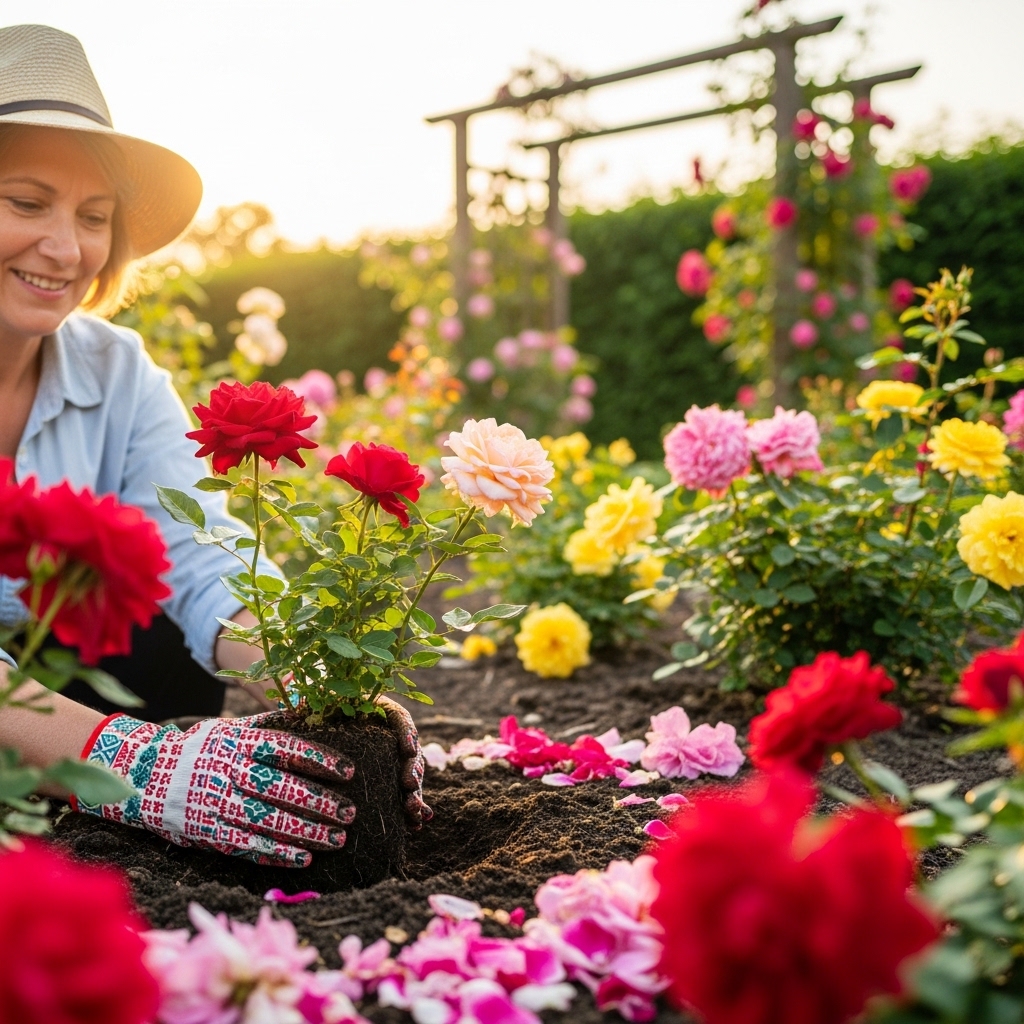
When it comes to digging the hole for your rose, I found that size really matters. Generally, the hole should be about twice the width and the same depth as the root ball of the rose. I remember the first time I neglected this step and ended up with a hole that was too shallow. As a result, my rose struggled to establish itself. To make digging easier, you can water the soil a day prior, which softens it up nicely. Once you’ve got your hole ready, it’s time to think about the next steps.
Arranging the Roots
Arranging the roots properly is crucial for the health of your rose. I usually gently loosen any tightly bound roots and spread them out in the hole. It’s like giving them a cozy bed to settle into! If your rose is bare-root, make sure the graft union (the bulge where the stem meets the roots) is at soil level. This little detail can make a huge impact on how well the rose grows. I found that taking the time to do this step right pays off in the long run.
Backfilling and Watering
After arranging the roots, it’s time to backfill the hole with the soil you removed earlier. I like to mix in some compost at this stage, which gives the roots a nutrient boost. Once the hole is filled, give the rose a good drink of water. This helps eliminate air pockets and settles the soil around the roots. I always take care to water deeply, ensuring moisture reaches the root zone. The first watering is crucial, and I’ve seen my roses respond beautifully when I do this step right!
Caring for Newly Planted Roses
After planting, the work isn’t over yet. I discovered that caring for newly planted roses is essential to help them establish strong roots and thrive in their new environment.
Watering Techniques
Watering is super important for new roses. In the first few weeks, I make it a point to check the soil frequently. I water when the top inch of soil feels dry, ensuring the roots remain moist but not waterlogged. A soaker hose is one of my favorite tools for watering; it delivers water slowly and evenly, reducing the chance of overwatering. I’ve found that deep watering encourages deeper root growth, which is beneficial as the plants mature.
Fertilization Schedule
Fertilizing can be a bit tricky with new roses. I usually wait about six weeks after planting to give them time to settle in before applying fertilizer. When I do fertilize, I opt for a balanced rose fertilizer. I follow the instructions carefully; too much can damage the young plants. This balanced approach helps to kickstart their growth without overwhelming them. I’ve seen how the right nutrients can make a difference in their vigor.
Mulching Benefits
Mulch is one of my secret weapons when it comes to keeping my roses happy. I often spread a layer of organic mulch around my newly planted roses. This helps retain soil moisture, suppresses weeds, and regulates soil temperature. Plus, as the mulch breaks down, it adds nutrients back into the soil. I remember the first time I mulched my roses; they looked so much happier and healthier compared to the ones I hadn’t mulched. A little effort goes a long way!
Pest and Disease Management
As my roses grew, I quickly learned that they can attract pests and diseases. Keeping an eye on these issues is vital for maintaining their health.
Common Pests Affecting Roses
Some of the most common pests I’ve encountered include aphids, spider mites, and Japanese beetles. I noticed aphids on my roses once, and they can really sap the life out of your plants. A simple spray of insecticidal soap or a strong blast of water can help control them. I’ve also found that introducing ladybugs to my garden can be effective since they feast on aphids. Keeping an eye out for these pests and addressing them promptly has been key in my gardening journey.
Identifying Rose Diseases
Rose diseases can be tricky, but I’ve learned to recognize a few common ones like black spot and powdery mildew. Black spot appears as dark spots on leaves, leading to yellowing and dropping. When I first spotted it, I quickly removed affected leaves and applied a fungicide. Powdery mildew looks like a white, powdery coating on the leaves. I learned that providing good airflow and avoiding overhead watering can help prevent this disease from taking hold. Keeping my roses healthy means being proactive!
Preventive Measures
Preventing pests and diseases has become a regular part of my rose care routine. I always make sure to keep my garden clean by removing fallen leaves and debris, which can harbor pests and diseases. I’ve also found that rotating where I plant my roses each season can help minimize the risk of soil-borne diseases. Lastly, I try to choose disease-resistant varieties whenever possible. This has made a noticeable difference in my garden!
Tips for Encouraging Healthy Blooms
Now that my roses are established, I want to encourage them to bloom beautifully. Over the years, I’ve gathered some tried-and-true tips that have worked wonders for me.
Pruning Techniques
Pruning is one of the most effective ways to encourage blooms. I usually prune my roses in late winter or early spring, cutting back to healthy buds. I remember feeling nervous the first time I pruned, but I learned that it actually promotes new growth. Removing dead or crossing branches allows sunlight and air to reach the center of the plant. It’s amazing how much more vibrant my roses look after a good pruning session!
Deadheading Flowers
Deadheading, or removing spent flowers, is a simple yet powerful technique. I make it a habit to regularly pinch off faded blooms, which encourages the plant to produce new flowers. I’ve found that my roses reward me with a longer blooming period when I keep up with this practice. It’s a small task that brings big rewards.
Seasonal Care Routines
Establishing seasonal care routines has been essential for my rose garden. I tend to my roses differently in spring, summer, and fall. In spring, I focus on pruning and fertilizing, while in summer, I ensure they’re well-watered and deadheaded. As fall approaches, I prepare my roses for winter by mulching and reducing watering. Having a consistent care routine has helped me keep my roses healthy and thriving throughout the seasons.
Common Mistakes to Avoid
Even with the best intentions, there are some common mistakes I’ve made that can hinder the success of growing roses. Learning from these has been invaluable.
Overwatering Issues
One of the biggest mistakes I made early on was overwatering. I thought more water meant happier roses, but I quickly learned that it can lead to root rot. I’ve since adjusted my watering habits and now focus on deep watering rather than frequent light sprinklings. It’s all about finding that perfect balance!
Planting Too Deep
Another mistake I made was planting my roses too deep. I remember burying the graft union, thinking it would provide more stability. Instead, the roses struggled to thrive. Now, I always ensure that the graft union is at soil level to give my roses the best chance for success.
Ignoring Sunlight Needs
I’ve also overlooked sunlight needs in the past. Planting roses in partially shaded areas resulted in weak growth and fewer blooms. Now, I always make sure to choose spots that receive at least six hours of direct sunlight each day. The difference has been remarkable in how my roses bloom and flourish.
Frequently Asked Questions
What are the key factors for planting roses successfully?
The key factors for planting roses successfully include choosing the right variety, preparing the soil properly, and providing adequate care.
What are hybrid tea roses and what care do they require?
Hybrid tea roses are a classic variety with long stems and large blooms, making them ideal for cut flowers. They typically bloom once in spring and sporadically throughout the summer and require more care compared to other varieties.
How do floribunda roses differ from hybrid tea roses?
Floribunda roses produce clusters of flowers for continuous blooms and are generally hardier and more forgiving than hybrid tea roses, making them suitable for both beginners and experienced gardeners.
What is the ideal sunlight requirement for roses?
Roses thrive in full sunlight, needing at least six hours of direct sun each day to flourish.
What type of soil do roses prefer?
Roses prefer loamy soil, which is a mix of sand, silt, and clay, as it retains moisture while allowing excess water to drain.
When is the best time to plant roses?
The best time to plant roses is in the spring or fall. Spring planting allows roses to establish roots before summer heat, while fall planting can be successful in regions with mild winters.
What essential tools are needed for planting roses?
Essential tools for planting roses include a soil testing kit, garden trowel, pruning shears, watering can or hose, and mulching materials.
How often should newly planted roses be watered?
Newly planted roses should be watered when the top inch of soil feels dry, ensuring the roots remain moist but not waterlogged. Deep watering is recommended to encourage deeper root growth.
What are some common pests that affect roses?
Common pests affecting roses include aphids, spider mites, and Japanese beetles. Promptly addressing these pests is crucial for maintaining rose health.
What common mistakes should be avoided when growing roses?
Common mistakes to avoid include overwatering, planting too deep, and ignoring sunlight needs. Proper care and attention to these factors can significantly improve rose growth and blooming.
Read Interesting article: How to Cut and Plant Roses (Propagation Guide)