
The right way to plant succulents involves choosing the right pot, soil, and techniques to prevent rot. My experiences with succulents have taught me that with the right care, these resilient plants can thrive beautifully. Read Interesting article: Step-by-Step Guide to Planting Succulents Like a Pro!
Understanding Succulents
What Are Succulents?
Succulents are fascinating plants known for their thick, fleshy tissues that store water. This unique feature allows them to survive in arid environments, making them a favorite among plant lovers, including myself. I remember the first time I saw a succulent; its vibrant colors and unusual shapes captivated me. Succulents come in various forms, from the well-known Aloe vera to the quirky Echeveria. Each type has its charm, and I’ve found joy in collecting different varieties over the years.
Common Types of Succulents
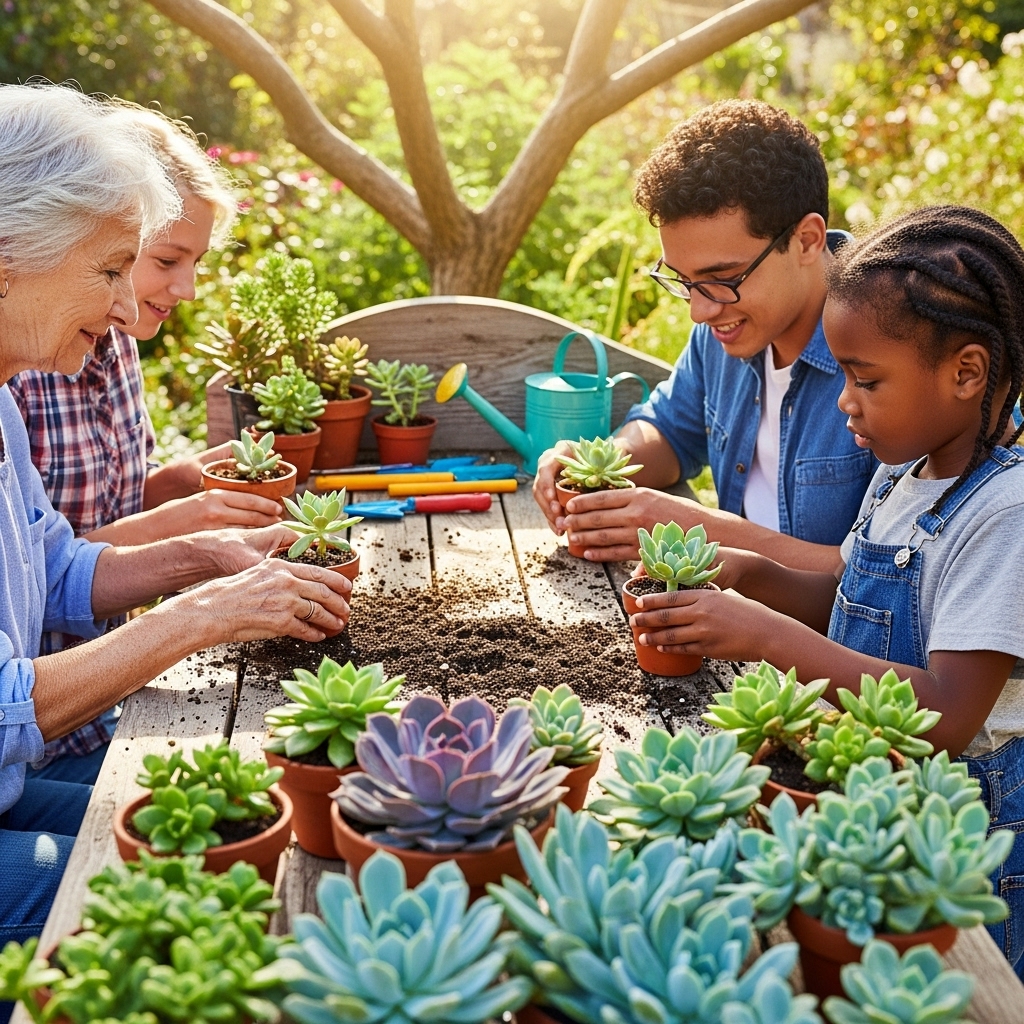
There are numerous varieties of succulents, each with distinct characteristics. Some of my favorites include:
- Aloe Vera: Known for its medicinal properties, Aloe is easy to care for and has striking green leaves.
- Echeveria: These rosette-shaped succulents come in various colors and are perfect for decorative arrangements.
- Jade Plant (Crassula ovata): A symbol of good luck, the jade plant has thick, oval leaves and can grow into a small tree.
- Haworthia: Often mistaken for Aloe, these small succulents have unique patterns on their leaves and thrive indoors.
- Sedum: With its many varieties, Sedum ranges from ground covers to tall, upright plants, often adding texture to gardens.
By exploring different types, I’ve learned that each succulent has unique requirements, which makes understanding them crucial for successful planting and care.
Benefits of Planting Succulents
Planting succulents comes with a host of benefits that go beyond their aesthetic appeal. First, they require minimal maintenance, which is perfect for busy lifestyles. When I first started gardening, I appreciated how forgiving succulents can be. They tolerate neglect and can survive drought, making them great for beginners.
Another great advantage is their air-purifying qualities. I’ve noticed that having succulents around my home enhances the air quality, creating a fresher environment. Additionally, they can adapt to various light conditions, making them suitable for indoor spaces, where I’ve placed them on windowsills or shelves with indirect sunlight. Read Interesting article: Succulent Plant Care Indoors: Expert Tips for Thriving Indoor Succulents
Succulents are also versatile. I’ve turned them into beautiful centerpieces, used them in terrariums, and even arranged them in outdoor gardens. Their ability to thrive in small spaces allows us to get creative with how we display them. Plus, they can be great conversation starters when friends come over!
Finally, growing succulents can be a rewarding hobby. I find joy in nurturing them and watching them grow. For me, planting succulents is not just about decorating; it’s about creating a little green oasis in my home.
Essential Tools and Materials
Choosing the Right Pot
When it comes to planting succulents, selecting the right pot is crucial. I’ve learned that pots with drainage holes are non-negotiable. Excess water can lead to root rot, which is something I’ve experienced firsthand with a few of my plants. Terracotta pots are my go-to because they allow for airflow and help wick away excess moisture. However, I also enjoy using ceramic and plastic pots for their aesthetic appeal.
Size matters too. I’ve found that pots should be just a bit larger than the root ball of the succulent. If the pot is too big, it can hold too much water and lead to problems. I prefer to choose pots that provide some room for growth but not so much that the soil stays wet for too long.
Soil Types for Succulents
Soil is another critical factor in preventing rot. Succulents thrive in well-draining soil, and I often use a special cactus mix that’s available in garden stores. This mix typically includes sand, perlite, or pumice, which improves drainage and aeration. I’ve experimented with homemade mixes too, combining regular potting soil with sand and perlite to achieve the right consistency. The key is to avoid heavy soils that retain moisture.
Necessary Gardening Tools
Having the right tools makes planting succulents a breeze. Here are a few essentials that I can’t live without:
- Small Trowel: Perfect for digging and transferring soil.
- Watering Can: I use one with a long spout for precise watering.
- Gloves: Protecting my hands is important, especially with spiky varieties.
- Pruning Shears: Great for trimming leaves or propagating cuttings.
- Measuring Cup: Handy for mixing soil or measuring water.
With these tools in hand, I feel ready to tackle any succulent planting project that comes my way.
Step-by-Step Guide to Planting Succulents
Preparing the Pot and Soil
Before I dive into planting my succulents, I make sure that my pot and soil are ready. I start by cleaning the pot to remove any residue from previous plants, just to be on the safe side. I remember when I didn’t do this once, and it led to some issues with my new succulent. Once the pot is clean, I place a layer of gravel or small stones at the bottom. This helps with drainage and prevents the soil from clogging the holes. I usually use about an inch of gravel, but it can be more or less depending on the pot size.
Next, I fill the pot with my well-draining soil mix, leaving enough space for the succulent’s roots. I ensure that the soil is slightly moist but not soggy. Sometimes, I mix in a little extra perlite or sand to enhance drainage, especially if I’m using a heavier potting mix. This step is crucial for setting my succulents up for success.
Selecting the Right Succulent
Choosing the right succulent is just as important as preparing the pot. I often think about where I want to place the plant—whether indoors or outdoors—and pick a succulent that suits that environment. For example, if I’m putting a succulent in a sunny spot, I might choose a variety like Sedum or Echeveria, which thrive in bright light.
It’s also essential to consider the size of the plant. I prefer starting with smaller plants, as they adapt more easily to their new environment and grow into their pots over time. I remember picking a larger succulent once, and it just overwhelmed the pot. Now, I opt for smaller varieties that I can nurture and watch grow gradually.
Planting Techniques for Different Succulents
When it comes to the actual planting process, I find it helpful to follow a few tried-and-true techniques. For most succulents, I remove them gently from their nursery pot, being careful not to damage the roots. Sometimes, I lightly shake off the old soil to encourage fresh root growth. I remember the first time I planted a jade plant; I was so nervous about damaging its roots, but I took my time and found that the roots are surprisingly resilient.
Once the succulent is out, I dig a small hole in the center of the prepared soil and place the plant in, making sure it’s not buried too deep—just enough to cover the roots. I gently pack the soil around the base, ensuring it’s stable but not overly compacted, as succulents prefer loose soil. After planting, I like to give it a little shake to settle the soil around the roots.
For taller succulents, I ensure they are planted securely to prevent them from toppling over. Sometimes, I even use stakes for support until they establish themselves. It’s always a joy to see them stand tall and proud as they adapt to their new home!
Watering Guidelines After Planting
Watering is one of the most critical aspects after planting succulents. Right after I plant them, I usually wait a week before giving them any water. This allows the roots to heal from any trauma during the planting process. When I finally do water them, I make sure to soak the soil thoroughly and allow any excess to drain out. I’ve learned that succulents prefer a good soak rather than frequent light watering.
In the following weeks, I pay close attention to the soil moisture. I typically stick my finger in the soil; if it feels dry about an inch down, it’s time for another drink. I find that establishing a watering routine based on the season helps. In winter, I water less often since succulents go into dormancy. However, in the warmer months, I increase the frequency, sometimes watering once a week or more, depending on the weather.
It’s always a thrilling moment when I see new growth in my succulents after following these steps. Watching them thrive brings a sense of accomplishment and joy that I can’t quite explain. I hope these tips help you as much as they’ve helped me in my succulent journey! Read Interesting article: Transform Your Succulents with These Thriving Plant Hacks!
Preventing Rot: Key Tips
Understanding Causes of Rot
When I first started my succulent journey, I quickly learned that rot is one of the biggest threats to these beautiful plants. It usually happens when succulents sit in waterlogged soil for too long. This can lead to root rot, which is often fatal. I remember a few of my succulents drooping and turning mushy, which was a clear sign that I overwatered them. I realized that understanding what causes rot is essential for keeping my plants healthy. It’s usually a combination of poor drainage, excessive moisture, and sometimes even the wrong type of soil.
Choosing Well-Draining Soil
As I mentioned earlier, well-draining soil is crucial for succulents. I can’t stress enough how important it is to invest in a good cactus mix or create your own. I often mix potting soil with sand and perlite to ensure that my succulents have the best chance at thriving. The right soil will allow excess water to escape, preventing rot from setting in. I learned this the hard way when I used regular potting soil without amendments, and it retained too much moisture. Now, I always make it a point to check the soil composition before planting anything new.
Proper Watering Techniques
Watering succulents can be tricky, and I’ve had my share of mistakes. I generally find it helpful to follow a simple rule: water thoroughly but infrequently. This means soaking the soil until water drains out of the bottom, then allowing it to dry completely before watering again. I’ve learned to be patient and resist the urge to water just because the top layer of soil looks dry. Instead, I dig my finger a little deeper to check. This technique has saved me from a lot of heartache and lost plants!
Another tip I’ve picked up is to water only in the morning. Watering in the evening can leave moisture on the leaves overnight, increasing the risk of rot. I’ve found that establishing a routine makes it easier to remember when to water, and my succulents seem to thrive on it.
Signs of Overwatering and Underwatering
Recognizing the signs of overwatering and underwatering has been a game changer for me. When my succulents are overwatered, they often show signs like yellowing leaves, mushy stems, or a drooping appearance. I’ve seen these symptoms before, and it breaks my heart to see my plants suffer. Conversely, when succulents are underwatered, they might appear shriveled or shrunk, and the leaves can feel dry and crisp. It’s a fine line to walk, but once I became more observant, I started to identify these signs more easily. Keeping a close eye on their appearance has saved many of my plants from unnecessary stress.
Care Tips for Healthy Succulents
Optimal Light Conditions
Lighting is another essential factor in keeping my succulents happy. I’ve found that most succulents thrive in bright, indirect sunlight. When I placed some of my plants in direct sunlight, I noticed they started to get sunburned, which was disheartening. Now, I try to give them a spot where they can soak up the light without being scorched. A south-facing window is often a good choice, but I’ve also had success with east-facing windows. It’s all about finding that sweet spot where they get enough light to grow but not too much that they get stressed out.
Temperature and Humidity Requirements
Succulents generally prefer warmer temperatures, which works well for me since I live in a warm climate. However, I’ve learned that they can also tolerate cooler temperatures, as long as they don’t go below 50°F. I remember one winter when I forgot to bring my pots inside, and I lost a few plants to frost. Now, I keep an eye on the weather and bring them indoors if it gets too chilly. As for humidity, I keep it low, as succulents thrive in dry conditions. I’ve noticed that when I water them, I do it in a way that minimizes humidity, allowing them to breathe and dry out properly.
Fertilizing Succulents: Do’s and Don’ts
Fertilizing my succulents has been a bit of a learning curve. While they don’t need much, I’ve found that a light feeding during the growing season can help them thrive. I typically use a diluted cactus fertilizer every few months, especially in spring and summer. One mistake I made early on was over-fertilizing, thinking it would help them grow faster. Instead, it caused my plants to become leggy and weak. Now, I stick to a light hand with fertilizer and always follow the instructions on the label. It’s amazing how little they need!
Common Pests and Diseases
Keeping my succulents pest-free is another key aspect of their care. I’ve encountered a few pests, like mealybugs and aphids, and they can be quite a nuisance. I remember the first time I spotted mealybugs on my jade plant; I panicked! Now, I check my plants regularly and treat any infestations promptly with insecticidal soap or neem oil. Regularly inspecting my plants has become a part of my routine, and I recommend it to anyone who wants to keep their succulents healthy.
Additionally, I keep an eye out for signs of diseases, such as leaf spots or wilting. I’ve learned that early detection is crucial for saving my plants, so I act fast if I notice anything unusual. By being proactive with pest and disease management, I’ve been able to enjoy my succulent collection without too much worry.
Frequently Asked Questions
What are succulents?
Succulents are plants known for their thick, fleshy tissues that store water, allowing them to survive in arid environments. They come in various forms, such as Aloe vera and Echeveria, and are favored by plant lovers for their vibrant colors and unusual shapes.
What are some common types of succulents?
Common types of succulents include Aloe Vera, Echeveria, Jade Plant (Crassula ovata), Haworthia, and Sedum. Each type has distinct characteristics and care requirements.
What are the benefits of planting succulents?
Succulents require minimal maintenance, purify the air, and can adapt to various light conditions. They are versatile for indoor and outdoor arrangements and can be a rewarding hobby for plant enthusiasts.
What should I consider when choosing a pot for succulents?
When choosing a pot for succulents, select one with drainage holes to prevent root rot. Terracotta pots are recommended for their airflow and moisture-wicking properties, and the pot should be slightly larger than the root ball of the plant.
What type of soil is best for succulents?
Succulents thrive in well-draining soil. A special cactus mix that includes sand, perlite, or pumice is ideal, or you can create a homemade mix by combining regular potting soil with sand and perlite.
What tools are essential for planting succulents?
Essential tools for planting succulents include a small trowel, a watering can with a long spout, gloves, pruning shears, and a measuring cup for mixing soil or measuring water.
How do you water succulents after planting?
After planting, wait a week before watering to allow roots to heal. When you do water, soak the soil thoroughly and allow excess to drain out. Establish a watering routine based on the season, watering less in winter and more frequently in warmer months.
What are the signs of overwatering and underwatering succulents?
Signs of overwatering include yellowing leaves, mushy stems, and a drooping appearance, while underwatered succulents may appear shriveled with dry, crisp leaves. Observing these signs can help you maintain their health.
What light conditions do succulents prefer?
Most succulents thrive in bright, indirect sunlight. It’s important to avoid direct sunlight that can cause sunburn and to find a suitable spot, such as a south-facing or east-facing window.
How can I prevent pests and diseases in my succulents?
Regularly inspect your succulents for pests like mealybugs and aphids, treating any infestations promptly with insecticidal soap or neem oil. Watch for signs of diseases, such as leaf spots or wilting, and act quickly to address any issues.