
To achieve a maximum harvest of tomatoes, it’s crucial to select the right varieties, prepare the soil properly, and provide optimal care throughout the growing season. I’ve learned that with a little planning and attention, anyone can enjoy a bountiful tomato harvest.
Understanding Tomato Varieties
The first step in planting tomatoes for a maximum harvest is understanding the different types of tomato varieties available. Each type has its own growing habits, flavors, and best uses. I remember the first time I tried to choose seeds; I was overwhelmed by the options! Here’s a closer look at the main categories that can help you decide what to grow.
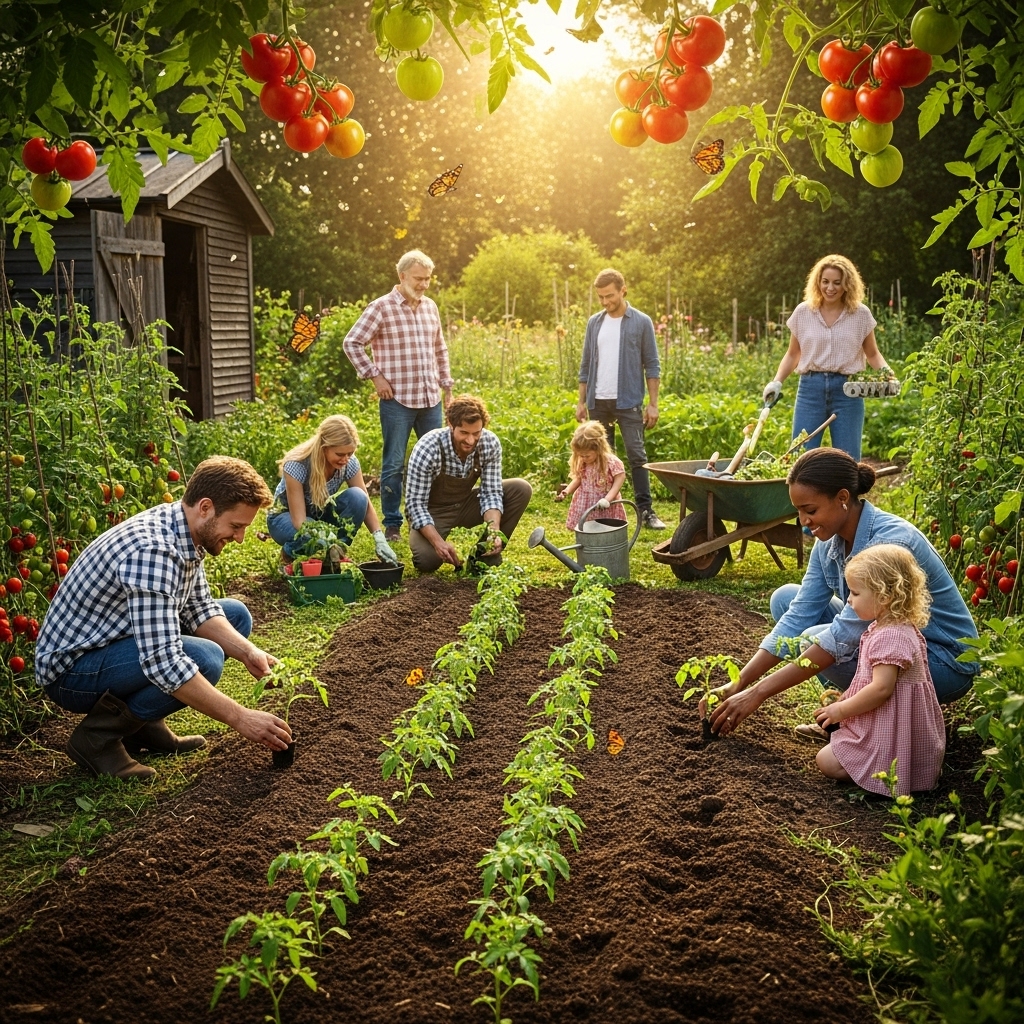
Determinate vs. Indeterminate Tomatoes
Tomatoes fall into two main categories: determinate and indeterminate. Determinate varieties are often referred to as “bush” tomatoes because they grow to a certain height and stop. They tend to ripen all at once, which is great if you want to make salsa or can tomatoes. I grew some ‘Roma’ tomatoes once, and they all came in at the same time, making it perfect for my canning project.
On the other hand, indeterminate tomatoes continue to grow and produce fruit throughout the season until frost hits. They require staking or caging to support their growth, as they can become quite tall and sprawling. I’ve always loved the flavor of indeterminate varieties, especially ‘Brandywine’ and ‘Cherokee Purple,’ which have given me a steady supply of delicious tomatoes all summer long.
Heirloom vs. Hybrid Tomatoes
Another important distinction is between heirloom and hybrid tomatoes. Heirloom tomatoes are open-pollinated varieties that have been passed down through generations. They often have unique flavors and colors, and I find that they tend to be more resilient to pests. However, they sometimes have lower yields than hybrids.
Hybrid tomatoes, on the other hand, are created by cross-breeding two different parent plants. They are often bred for specific traits, such as disease resistance and higher yields. I grew a hybrid variety called ‘Better Boy’ last year, and I was amazed at how many tomatoes I harvested from just a few plants!
Best Tomato Varieties for Your Region
When selecting tomato varieties, it’s essential to consider your local climate and growing conditions. I’ve learned that some tomatoes thrive in cooler climates, while others love the heat. For instance, in cooler regions, ‘Early Girl’ is a popular choice because it matures quickly. In warmer areas, varieties like ‘Sun Gold’ or ‘San Marzano’ tend to perform exceptionally well.
It’s also helpful to reach out to local gardening groups or extension services, as they often have valuable insights on the best varieties for your area. I’ve found that talking to local gardeners can offer tips that you won’t find in books or online.
Essential Tools and Materials
Now that you have a basic understanding of tomato varieties, let’s talk about the tools and materials you’ll need for planting. Having the right equipment can make all the difference in your gardening experience. I remember the first time I went out to plant my tomatoes; I was scrambling to find everything I needed. Here’s a list of the essentials.
Garden Tools for Planting
To get started, you’ll need some basic gardening tools. A trowel is essential for digging holes and transplanting seedlings. I also recommend having a hand rake to smooth out the soil and a watering can or hose for watering your plants. A garden fork can be handy for mixing in compost or amendments, which I always do to enrich my soil.
Don’t forget gloves! I love using my favorite pair of gardening gloves to keep my hands clean while digging around in the dirt. They’re a small investment for the comfort they provide!
Soil and Fertilizers
The quality of your soil directly affects your tomato plants’ health and yield. I always use a good-quality potting mix if I’m growing in containers or ensure that my garden soil is rich and well-draining. Adding organic matter, like compost or well-rotted manure, can significantly enhance soil fertility.
Fertilizers are also essential for nourishing your tomato plants. I’ve learned that a balanced fertilizer with equal parts nitrogen, phosphorus, and potassium works well during the early growth stages. As the plants begin to flower, I switch to a fertilizer higher in phosphorus to encourage fruit development.
Seedlings vs. Seeds
Finally, you’ll need to decide whether to start your tomatoes from seeds or buy seedlings from a nursery. I’ve tried both methods, and each has its advantages. Starting from seeds allows for a wider variety selection and the joy of nurturing the plants from the very beginning. However, buying seedlings can save time and guarantees that you have healthy plants ready to go in the ground.
If you opt to start from seeds, I recommend starting them indoors about 6-8 weeks before the last expected frost. This gives them a good head start, and I’ve found that it leads to healthier plants once it’s time to transplant them outside.
Choosing the Right Location
Location is everything when it comes to planting tomatoes. It’s essential to choose a spot that provides the right conditions for your plants to thrive. I’ve experimented with different areas in my garden, and I can definitely say that the right location can make all the difference.
Sunlight Requirements
Tomatoes love the sun! Ideally, they need at least 6-8 hours of direct sunlight each day. I remember when I planted a few in a partially shaded area; they didn’t produce nearly as many fruits as those in full sun. If you’re unsure about sunlight in your garden, try observing how the light patterns change throughout the day before planting.
Soil Drainage and Quality
Good drainage is crucial for tomatoes, as they don’t like sitting in waterlogged soil. I’ve learned the hard way that poor drainage can lead to diseases such as root rot. If your soil tends to hold water, consider planting in raised beds or containers to encourage proper drainage.
Space Considerations
Finally, consider how much space you have. Tomato plants can get quite large, especially the indeterminate varieties. I’ve found that giving them adequate space not only promotes better airflow but also reduces the risk of disease. A good rule of thumb is to space determinate varieties about 18-24 inches apart and indeterminate varieties 24-36 inches apart. Read more about the best spacing for your tomato plants.
Preparing the Soil
Now that we’ve covered the basics of choosing the right location for our tomatoes, let’s dive into preparing the soil. I’ve found that the health of my tomato plants begins with the soil. A well-prepared garden bed sets the stage for strong, productive plants, so let’s explore how to get it ready.
Testing Soil pH
One of the first steps I take when preparing my garden is testing the soil pH. Tomatoes prefer slightly acidic soil, ideally around 6.0 to 6.8. I remember when I first started gardening; I didn’t think much about pH and ended up with a lackluster harvest. Using a simple pH testing kit from my local garden center made a world of difference.
If I find my soil is too acidic, I add lime to raise the pH. Conversely, if it’s too alkaline, sulfur can help bring it down. It’s amazing how a little adjustment can lead to healthier plants. I usually test my soil in early spring, so I have enough time to amend it before planting.
Amending Soil with Nutrients
After testing the pH, I focus on enriching my soil with nutrients. I’ve learned that incorporating organic matter, such as compost, is one of the best ways to improve soil structure and fertility. Each spring, I make a big batch of compost with kitchen scraps and yard waste. When I mix it into my garden beds, my tomatoes seem to perk up almost immediately!
Additionally, I add well-rotted manure or other organic fertilizers to provide a nutrient boost. I’ve also tried using bone meal to enhance phosphorus levels, which is essential for root development and fruit production. Ensuring my soil is nutrient-rich has consistently led to bigger, tastier tomatoes.
Tilling and Aeration Techniques
Tilling the soil is another important step in my preparation process. I use a garden fork or a tiller to break up compacted soil and improve aeration. I’ve found that when the soil is loose and crumbly, it allows for better root growth and drainage. However, I make sure not to over-till, as it can disturb beneficial microorganisms.
I also like to incorporate a layer of straw or mulch after tilling. This helps retain moisture and suppress weeds, which can be a real nuisance during the growing season. I remember the first time I neglected this step; I was constantly battling weeds that stole nutrients and water from my plants. Now, I make it a priority to prepare my soil thoroughly, knowing it pays off in the long run.
When to Plant Tomatoes
Timing is everything in the world of gardening. After preparing the soil, the next step is figuring out when to plant my tomatoes. I’ve learned that getting the timing right can mean the difference between a mediocre harvest and a bountiful one. Discover the best timing for planting tomatoes.
Understanding Frost Dates
To decide when to plant, I always check my local frost dates. Tomatoes are tender plants that can be damaged by frost, so I wait until all danger of frost has passed before putting them in the ground. I usually consult online resources or local gardening groups to find accurate frost date information for my area. I remember one year, I was eager to plant and did so too early—only to see my young plants wilt under unexpected frost!
Ideal Planting Seasons
In my experience, the ideal planting season for tomatoes is typically in late spring when the soil has warmed up. I usually wait until the nighttime temperatures consistently stay above 50°F (10°C). This warmth helps the plants thrive right from the start. I’ve found that planting too early can lead to slow growth, while planting too late can cut short the growing season, leaving me with fewer tomatoes to enjoy.
On the flip side, I’ve also learned the benefits of staggered planting. Starting a new batch of seeds every few weeks allows for a longer harvest period. I’ve enjoyed fresh tomatoes throughout the summer that way, which is a delight that every gardener should experience!
Step-by-Step Planting Process
With the soil prepared and the frost dates in mind, I’m ready to jump into the planting process. It’s one of my favorite parts of gardening! Here’s how I approach it step by step.
Starting Seeds Indoors
If I’m starting from seeds, I typically begin indoors about 6-8 weeks before the last expected frost. I use seed trays filled with seed-starting mix, which is lighter and provides good drainage. Watching those tiny seeds sprout and grow into seedlings is incredibly rewarding! I always keep them in a warm spot with plenty of light, either from a sunny windowsill or grow lights, to ensure they thrive.
Transplanting Seedlings Outdoors
Once the seedlings are about 6 inches tall and the last frost has passed, it’s time to transplant them outdoors. I harden them off gradually by placing them outside for a few hours each day, increasing the time spent outdoors over a week. This process helps them adjust to the outdoor environment. The first time I skipped this step, I was devastated to see my fragile seedlings wilt in the sun!
Spacing and Depth for Optimal Growth
When I’m ready to plant, I make sure to dig holes deep enough to bury the seedlings up to their first set of true leaves. This encourages strong root development. I also pay close attention to spacing—determinate varieties get about 18-24 inches apart, while indeterminate types need about 24-36 inches. I’ve noticed that giving them enough space leads to healthier plants with better airflow, reducing the risk of disease.
Frequently Asked Questions
What are the two main categories of tomato varieties?
Tomatoes fall into two main categories: determinate and indeterminate. Determinate varieties grow to a certain height and stop, ripening all at once, while indeterminate varieties continue to grow and produce fruit throughout the season until frost.
What is the difference between heirloom and hybrid tomatoes?
Heirloom tomatoes are open-pollinated varieties passed down through generations, often with unique flavors and colors but sometimes lower yields. Hybrid tomatoes are created by cross-breeding two different parent plants for specific traits like disease resistance and higher yields.
Which tomato variety is recommended for cooler climates?
In cooler regions, ‘Early Girl’ is a popular choice because it matures quickly.
What are some essential gardening tools needed for planting tomatoes?
Essential gardening tools include a trowel for digging holes, a hand rake for smoothing soil, a watering can or hose for watering, a garden fork for mixing in compost, and gloves for hand protection.
How can I improve the soil quality for my tomato plants?
To improve soil quality, incorporate organic matter like compost and well-rotted manure, and consider using a balanced fertilizer during early growth stages and a phosphorus-rich fertilizer as plants begin to flower.
What is the ideal pH level for tomato plants?
Tomatoes prefer slightly acidic soil with a pH level around 6.0 to 6.8.
When is the best time to plant tomatoes?
The best time to plant tomatoes is typically in late spring, after the last expected frost and when nighttime temperatures consistently stay above 50°F (10°C). Learn more about the best times to plant tomatoes.
What is the recommended spacing for determinate and indeterminate tomato varieties?
Determinate varieties should be spaced about 18-24 inches apart, while indeterminate varieties need about 24-36 inches apart to promote better airflow and reduce disease risk.
How should I start tomato seeds indoors?
Start tomato seeds indoors about 6-8 weeks before the last expected frost using seed trays filled with seed-starting mix, keeping them in a warm spot with plenty of light.
What is the process of hardening off seedlings before transplanting?
Hardening off seedlings involves gradually placing them outside for a few hours each day, increasing the time spent outdoors over a week to help them adjust to the outdoor environment.