
Planting tulips is best done in the fall, ideally six to eight weeks before the ground freezes, as this promotes strong root development and vibrant blooms in spring. I’ve found that with the right preparation and care, tulips can transform any garden into a stunning display. Read Interesting article: When to Plant Tulips for Stunning Spring Blooms
Understanding Tulips: The Basics
What Are Tulips?
Tulips are beautiful, bulbous perennials that belong to the lily family. They are native to Central Asia and have become one of the most popular flowers around the world, particularly in Europe and North America. I remember the first time I saw a field of tulips in full bloom—it was like stepping into a painting. Their wide variety of colors and shapes makes them a favorite for many gardeners, and they symbolize renewal and spring, which is fitting, given their bloom time.
Types of Tulips
There are over 3,000 varieties of tulips to choose from, each with its unique characteristics. I’ve experimented with several types and found that they can be broadly categorized into different groups. Some of the popular categories include:
- Darwin Hybrid Tulips: Known for their large blooms and durability, these tulips are fantastic for perennial gardens.
- Parrot Tulips: With fringed petals and exotic colors, they add a whimsical touch to any garden.
- Triumph Tulips: These are a classic choice, offering a sturdy stem and a broad range of colors.
- Fringed Tulips: The delicate fringed edges of their petals create a unique look.
- Botanical Tulips: Smaller and often more delicate, they’re great for naturalizing and add charm to rock gardens.
When selecting tulips, I recommend considering the bloom time as well. Early, mid, and late-blooming varieties can help extend the flowering period in your garden, allowing you to enjoy these lovely flowers for a longer time. Read Interesting article: Are Tulips Perennial Plants? Do They Come Back?
Benefits of Planting Tulips
There are numerous benefits to planting tulips that I’ve come to appreciate over the years. First and foremost, they are relatively easy to grow, making them perfect for both novice and experienced gardeners. They come back year after year, given the right conditions, which means you’ll have colorful displays without needing to replant every season. I also love how tulips can thrive in various settings, whether in a garden bed, borders, or even pots on a balcony. Furthermore, their versatility means they can be combined with other spring flowers for a breathtaking display. Personally, I find that a mix of tulips with daffodils or hyacinths creates a vibrant tapestry of colors and scents that truly celebrates spring.
When to Plant Tulips
Best Time for Planting
Knowing when to plant tulips is crucial for a successful bloom. I’ve always found that planting them in the fall, about six to eight weeks before the ground freezes, yields the best results. This timing allows the bulbs to establish roots in the cool soil before winter sets in. It’s hard to believe, but planting them at the right time can make all the difference in the world when spring arrives with its vibrant colors.
Climate Considerations
Climate plays a significant role in when you can plant tulips. In warmer regions, I’ve learned that planting can sometimes be done as early as late September, while in colder areas, waiting until October or even early November is better. The key is to monitor the weather and ensure that the soil temperature is around 60°F (15°C) for optimal growth. I remember a year when I planted too late, and my tulips struggled to grow. It’s definitely worth paying attention to these details.
Timing for Different Tulip Varieties
Different varieties of tulips have varying bloom times, and understanding this can help you plan your garden effectively. For example, early-blooming varieties like “Apricot Beauty” or “Tulip ‘Queen of Night'” can start to show their colors as early as March, while late-bloomers like “Parrot Tulips” can wait until May. I often mix these varieties to create a staggered display of blooms, ensuring that my garden remains colorful for as long as possible. If you’re like me and love to see flowers in bloom, this strategy is a perfect solution. Read Interesting article: When to Plant Bulbs for Best Blooms
Choosing the Right Location
Sunlight Requirements
Finding the perfect spot for tulips in your garden is essential for their success. I’ve learned that tulips thrive best in full sun, which means they need at least 6 hours of direct sunlight each day. I often choose a location that gets morning sun, as it helps dry off the dew and keeps the bulbs from rotting. I remember planting tulips in a partially shaded area once, thinking they would be fine, but they ended up spindly and lacking color. Now, I’m much more diligent about selecting sunny spots. When scouting your yard, look for areas that are bright and cheerful—those are the places where your tulips will flourish the most!
Soil Conditions
Soil quality is another crucial factor in the success of tulip planting. I once planted tulips in soil that was too heavy and clay-like, and they really struggled to establish themselves. I learned that tulips prefer well-draining soil with a pH level between 6.0 and 7.0. If your soil is too acidic or alkaline, it might hinder their growth. To check the pH, you can use a simple home test kit, which I found quite helpful. If it turns out that your soil isn’t ideal, don’t worry! You can amend it by adding organic matter like compost or peat moss, which also improves drainage. It’s all about giving those bulbs the best start possible!
Spacing and Arrangement
When it comes to spacing tulips, I’ve discovered that giving them enough room to breathe is key. Depending on the variety, I typically place my bulbs about 4 to 6 inches apart. This spacing allows for air circulation and helps prevent fungal diseases, which I’ve learned the hard way. I also like to plant them in clusters or groups rather than in straight lines. This gives a more natural feel to the garden and creates a stunning visual impact when they bloom. I remember when I arranged my tulips in a sweeping curve—it turned out to be one of my favorite garden designs. So, when planning your layout, think about how the flowers will look together when they’re in full bloom!
Preparing the Soil
Soil Testing
Before planting, I always recommend testing the soil. This step can truly make a difference in how well your tulips will thrive. I usually gather samples from different spots in my garden and send them to a local extension service for analysis. The results come back with information on nutrient levels and pH, which helps me understand what my soil needs. If you’re not keen on sending samples, you can still do a simple test using home kits available at garden centers. This way, you’ll be armed with the knowledge to provide the best home for your tulips!
Amending Soil for Optimal Growth
Once I have my soil test results, I often find that my soil needs a little boost. Depending on what I learn, I might add a balanced fertilizer or organic amendments. I’ve found that incorporating compost is one of the best things I can do for my garden. It not only enriches the soil but also improves its texture. I aim for a well-balanced mix of nutrients because tulips are hungry little bulbs! Remember to work these amendments into the soil at least a few weeks before planting; this gives them time to integrate and create a welcoming environment for those bulbs.
Drainage Considerations
Good drainage is vital for healthy tulip growth. Bulbs can rot if they sit in soggy soil, which I learned after losing a few to poor drainage. If you have heavy clay soil, consider raising your planting beds or mixing in sand or perlite to enhance drainage. I’ve seen great results from building simple raised beds, and they provide better drainage while also making my garden easier to tend. If you’re planting in pots, always ensure the containers have drainage holes. I can’t stress enough how crucial it is to keep those bulbs dry and happy!
How to Plant Tulips
Choosing Quality Bulbs
Quality bulbs are the foundation of a successful tulip display. I’ve learned that I should always look for firm, plump bulbs without any signs of mold or damage. A healthy bulb has the potential to produce a stunning flower, so I usually buy from reputable garden centers or suppliers. I once bought bulbs that were on sale at the end of the season, and they didn’t bloom well at all. Now, I make it a point to invest in high-quality bulbs that I know will deliver beautiful results.
Planting Depth and Spacing
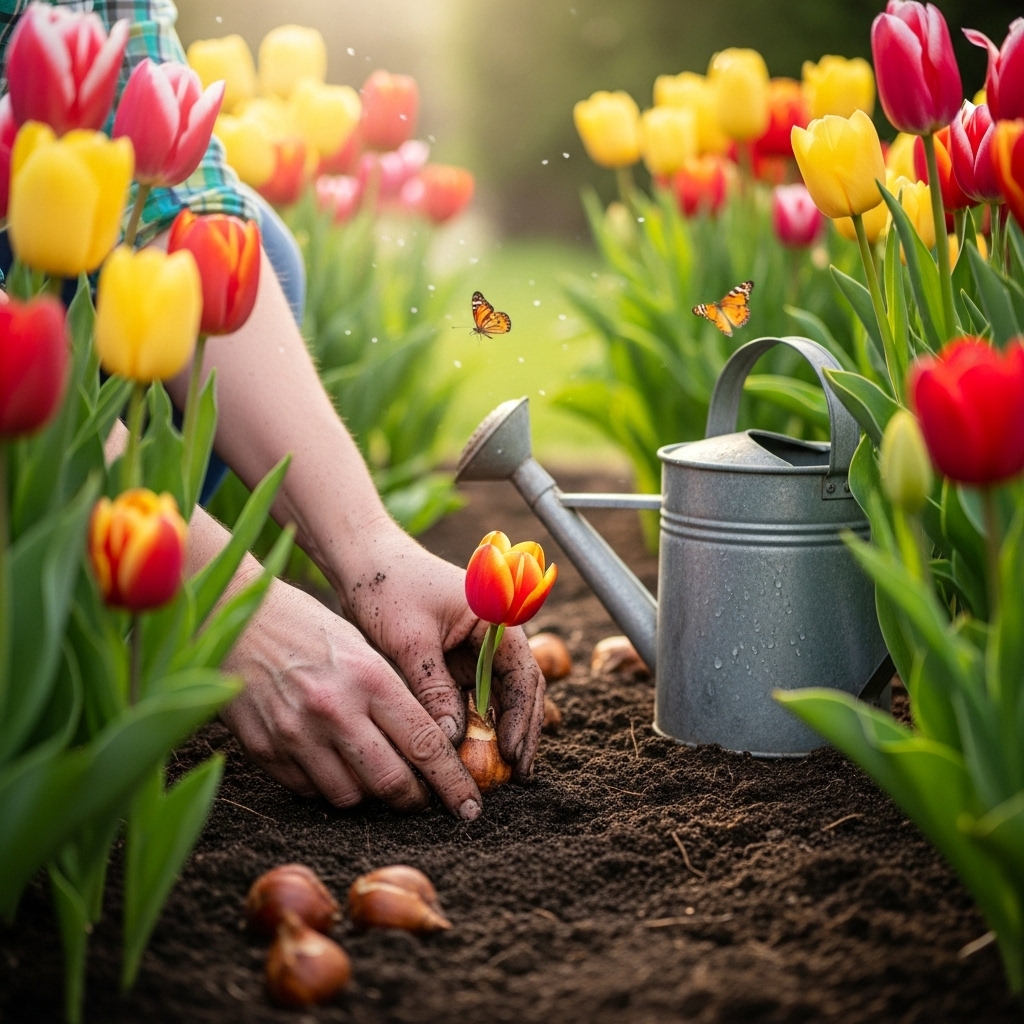
When it comes to planting depth, I generally follow the rule of thumb: plant bulbs about three times their height deep. For most tulips, that’s around 6 to 8 inches. I remember the excitement of digging holes and placing the bulbs in, ensuring they were pointed side up. The spacing I mentioned earlier—about 4 to 6 inches apart—helps create a lush look when they bloom. It’s like laying the groundwork for a spectacular show in spring!
Watering After Planting
After I’ve planted my tulips, I always give them a good watering. This helps settle the soil around the bulbs and encourages any roots to start growing. However, I make sure not to overdo it! I usually check the soil with my fingers; if it feels damp, I wait a bit before watering again. Tulips don’t like soggy feet, and I’ve found that a little patience goes a long way in ensuring their success.
Caring for Tulips After Planting
Watering Schedule
Once my tulips are in the ground, I find that establishing a proper watering schedule is key to their success. In the first few weeks after planting, I make sure to keep the soil consistently moist but not soggy. This is when the bulbs are starting to settle in and establish their roots, and I want to give them the best chance to grow strong. I usually check the soil every few days; if it feels dry about an inch below the surface, it’s time to water. However, I’ve learned that during the winter months, especially if there’s snow cover, I don’t need to water as much. The moisture from melting snow often provides enough hydration for the bulbs.
Fertilizing Tips
Fertilizing is another important aspect of tulip care that I’ve come to appreciate. I typically apply a balanced, slow-release fertilizer either when planting or just as the shoots begin to emerge in spring. I’ve found that using a fertilizer specifically formulated for flowering bulbs is a great choice because it provides the nutrients they need for vibrant blooms. I remember a year when I skipped fertilizing, and my tulips were lackluster compared to those I had nourished. A good rule of thumb is to follow the package instructions for application rates, and I usually fertilize again after the blooms have faded to help the bulbs store nutrients for next year.
Pest and Disease Management
Managing pests and diseases is crucial for keeping my tulips healthy. I’ve encountered my share of issues over the years, but I’ve learned how to handle them effectively. One of the most common pests is the aphid, which I usually spot on the leaves. If I notice them, I simply spray the affected plants with a mixture of water and mild soap, which typically does the trick. I’ve also found that introducing beneficial insects like ladybugs can naturally help control aphid populations.
Fungal diseases can also be a problem, especially in wet conditions. I make sure to avoid overhead watering to reduce humidity around the plants, which can lead to rot. If I see any signs of disease, such as wilting or discoloration, I remove the affected leaves immediately to prevent the spread. Investing a little time in monitoring my tulips helps me catch any issues early, ensuring that I can enjoy their beauty come spring.
Common Mistakes to Avoid
Overwatering Issues
One of the biggest mistakes I’ve made in my gardening journey is overwatering my tulips. It’s so tempting to keep the soil moist, especially when they’re just starting to grow, but too much water can cause the bulbs to rot. I’ve learned to be patient and allow the soil to dry out a bit between waterings. Now, I always err on the side of caution, especially in the early stages. If I’m unsure, I stick my finger in the soil to check for moisture before reaching for the watering can.
Planting at the Wrong Depth
Another mistake I’ve made is planting the bulbs too shallow or too deep. I remember one year when I got too excited and planted some bulbs too close to the surface. They didn’t stand a chance against the late frosts. To avoid this issue, I keep that rule of thumb in mind: plant bulbs about three times their height deep. Whenever I’m unsure about the depth, I take a moment to measure and ensure they’re planted properly. It’s those little details that can make a big difference!
Ignoring Soil Quality
Neglecting soil quality is a mistake I see many gardeners make, including myself at times. I’ve learned that poor soil can lead to weak growth and fewer blooms. After my experiences, I always make it a point to assess and amend my soil before planting. Even if I think my soil looks fine, I do a quick test to check its drainage and nutrient levels. Taking the time to prepare the soil has really paid off with healthier plants and more vibrant flowers.
Expectations for Spring Blooms
Blooming Timeline
As spring rolls around, I can hardly contain my excitement for the tulips to bloom. Depending on the variety I’ve planted, I usually see the first signs of growth around late March to early April. I remember waking up one morning to find the tips of my tulips breaking through the soil; it felt like a little piece of magic. Typically, the early bloomers will be the first to show off their colors, while the later varieties will start to bloom a few weeks later. I always keep a close watch on the timeline, as it helps me plan when to expect a burst of color in my garden!
Factors Affecting Bloom Quality
Several factors can influence the quality of my tulip blooms, and I’ve learned to pay attention to them. Weather conditions, soil health, and even the care I provide all play crucial roles. For instance, an unexpected late frost can damage the tender blooms, while well-drained soil helps the bulbs thrive. I’ve noticed that I get the best results from ensuring consistent care throughout the growing season, including proper watering and fertilization.
Planning for Continuous Blooms
To ensure that I have a continuous display of blooms, I love mixing early, mid, and late-blooming varieties. By staggering my planting schedule and choosing different types, I can create a tapestry of color that lasts throughout spring. I often jot down the blooming times of each variety in my garden journal, and this planning really enhances my garden’s beauty over several weeks. For anyone who loves flowers as much as I do, this approach is a game-changer!
Frequently Asked Questions
When is the best time to plant tulips?
The best time to plant tulips is in the fall, ideally six to eight weeks before the ground freezes. This timing promotes strong root development and vibrant blooms in spring.
What are the different types of tulips?
There are over 3,000 varieties of tulips, which can be broadly categorized into groups such as Darwin Hybrid Tulips, Parrot Tulips, Triumph Tulips, Fringed Tulips, and Botanical Tulips, each with unique characteristics.
What sunlight requirements do tulips have?
Tulips thrive best in full sun, requiring at least 6 hours of direct sunlight each day. Choosing a location with morning sun helps dry off dew and prevents bulb rot.
What are the ideal soil conditions for planting tulips?
Tulips prefer well-draining soil with a pH level between 6.0 and 7.0. It’s important to amend heavy or clay-like soil with organic matter to improve drainage and texture.
How should tulip bulbs be spaced when planting?
Tulip bulbs should be spaced about 4 to 6 inches apart to allow for air circulation and to prevent fungal diseases. Planting in clusters creates a more natural and visually appealing arrangement.
How deep should tulip bulbs be planted?
Tulip bulbs should be planted about three times their height deep, which is typically around 6 to 8 inches for most varieties, ensuring they are pointed side up.
What is the watering schedule for tulips after planting?
After planting, tulips should have consistently moist soil, but not soggy. It’s important to check the soil every few days and water if it feels dry about an inch below the surface.
What common mistakes should be avoided when planting tulips?
Common mistakes include overwatering, planting bulbs at the wrong depth, and ignoring soil quality. It’s crucial to ensure proper watering, correct planting depth, and to amend the soil as needed.
How can I ensure continuous blooms in my tulip garden?
To achieve continuous blooms, mix early, mid, and late-blooming tulip varieties. Staggering the planting schedule and keeping track of blooming times can enhance the garden’s beauty throughout spring.
What factors affect the quality of tulip blooms?
Factors that influence tulip bloom quality include weather conditions, soil health, and the care provided. Consistent care, including proper watering and fertilization, helps ensure vibrant blooms.