
To plant wheat in Minecraft, you need to till the soil with a hoe, sow the seeds, and ensure it has enough light and water. Once properly planted, wheat will grow and can be harvested for food and crafting. Read Interesting article: How to Plant Cocoa Beans in Minecraft (Quick Guide)
Understanding Wheat in Minecraft
What is Wheat?
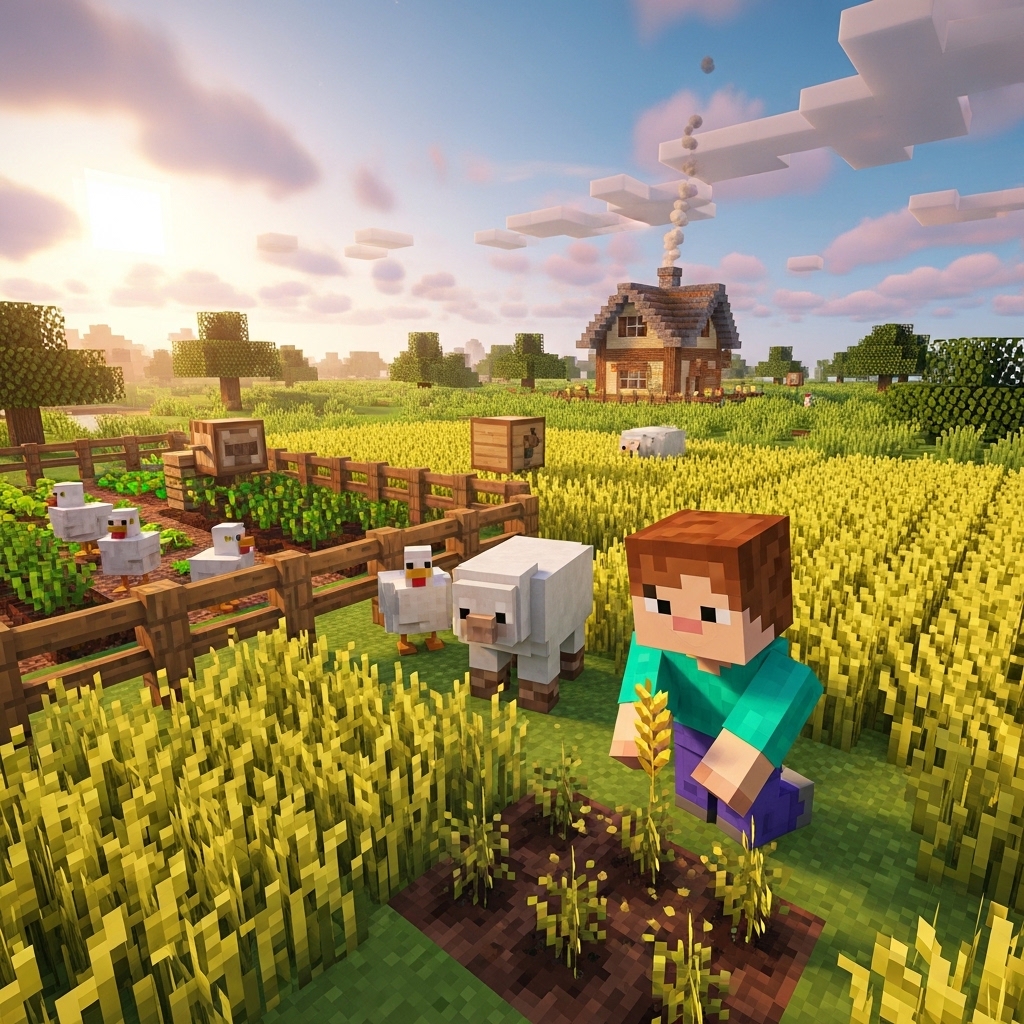
Wheat is one of the key crops in Minecraft, primarily used for crafting food and other valuable items. I remember when I first started playing, I was surprised at how essential wheat became in my farming endeavors. It’s a staple crop, meaning it’s relatively easy to grow and can provide a consistent food source throughout your gameplay. Plus, it’s one of the first crops you can cultivate, making it a great choice for beginners like myself.
Importance of Wheat in Minecraft
The importance of wheat in Minecraft goes beyond just being a food source. It plays a significant role in the game’s economy and crafting systems. I often find myself using wheat to create bread, which is a reliable food item that restores a good amount of hunger points. Moreover, wheat can be used to breed animals such as cows and sheep, adding another layer to your farming strategy. In my experience, having a steady supply of wheat allows you to focus on other activities in the game, knowing you have food covered. If you’re interested in expanding your farming knowledge, check out this Beginner Guide on how to plant cocoa beans.
Uses of Wheat (Crafting and Food)
Wheat has several uses that can enhance your Minecraft experience. First and foremost, it can be crafted into bread, a nutritious food item that restores three hunger points. Additionally, I’ve used wheat to create cake, which requires more ingredients but is perfect for celebrations in-game. Another exciting use is breeding animals. By feeding wheat to cows and sheep, I’ve been able to grow my livestock and create a sustainable food source.
Beyond crafting, wheat can also be used to create hay bales, which serve as decorative blocks or can be used to feed horses. I’ve found hay bales to be particularly useful when I want to transport my horses or create a cozy barn setup. Overall, having a consistent supply of wheat in my Minecraft world has always been beneficial, both for sustenance and crafting opportunities.
Preparing to Plant Wheat
Gathering Resources
Before diving into the planting process, gathering the necessary resources is crucial. I remember my first attempt at farming wheat; I was so eager to plant that I overlooked some vital components. Here’s what you’ll need:
Tools Needed (Hoe, Seeds)
To plant wheat, the primary tool you’ll need is a hoe. You can craft a hoe from wooden planks, cobblestone, iron ingots, or even diamonds, depending on what resources you have. I personally prefer using an iron hoe because it lasts longer, and I feel it’s worth the investment. Once you have your hoe, you’ll need wheat seeds to plant. You can obtain these seeds by breaking tall grass, which will occasionally drop seeds, or by locating them in village farms.
Where to Find Wheat Seeds
Finding wheat seeds in Minecraft is relatively easy. As I mentioned, breaking tall grass is a reliable method, but I’ve also found wheat seeds in village farms. If you come across a village, take some time to explore their farms. You can harvest the wheat there and use the seeds for your own farm. Another option is to trade with villagers, especially farmers, who might offer seeds in exchange for emeralds. This way, you can start your farming journey without too much effort.
Choosing the Right Location
The next step is choosing the right location for your wheat farm. I’ve learned that location can significantly impact your crop yield and efficiency. Here are some tips I’ve gathered from my own experiences:
Ideal Biomes for Wheat Growth
Wheat can be planted in most biomes, but I’ve found that plains and savanna biomes are particularly ideal. The flat terrain makes it easier to till large areas of land, and there’s usually enough space to expand your farm. I also appreciate that these biomes get plenty of sunlight, which is essential for crop growth. Avoid planting wheat in very cold biomes like tundras or ice spikes, as the soil doesn’t tend to stay tilled there for long.
Soil Requirements (Farmland)
Wheat requires farmland to grow, which means you need to till dirt blocks with a hoe. I remember when I first tried planting seeds in regular dirt and was confused when nothing sprouted. Once you till the soil, it transforms into farmland, creating a perfect environment for your seeds. Ensure that the farmland is close to a water source, as this will help keep it hydrated and boost growth rates. The proximity to water is something I always keep in mind; it saves me the trouble of having to water my crops manually.
Planting Wheat: Step-by-Step Guide
Step 1: Tilling the Soil
Once you’ve gathered your tools and found the perfect location, it’s time to start planting. The first step is tilling the soil. I remember the first time I took my hoe to the ground; it felt like I was preparing a blank canvas for my masterpiece. To till the soil, simply right-click or press the appropriate button on your gaming console while facing a dirt block. You’ll see that the block changes from dirt to farmland, which is essential for your wheat to thrive. Make sure to till a large area, as this will give you more space to plant and grow your wheat. I usually go for a patch that can accommodate at least a couple of rows of seeds, which helps in maximizing my yield.
Step 2: Planting Wheat Seeds
After tilling, it’s time to sow your wheat seeds. I find this part incredibly satisfying. Just approach the tilled soil and right-click or press the planting button to place your seeds. Each seed takes up one block, so make sure to leave some space between rows for easier navigation. I often plant in a checkerboard pattern to make my farm look neater and organized. It’s a small detail, but it makes my farming experience feel more rewarding.
Step 3: Watering and Conditions for Growth
Now that your seeds are in the ground, they’ll need some help to grow. While wheat doesn’t need to be watered directly by the player, there are a couple of conditions you should be mindful of to ensure healthy growth.
Light Requirements
One of the most important factors in the growth of wheat is light. Wheat needs a light level of at least 8 to grow, which means it should be exposed to sunlight or a light source. I’ve noticed that if I plant wheat in shaded areas, it takes much longer to grow, and sometimes it doesn’t even sprout at all. If you’re planting in an enclosed space, like a greenhouse, consider using torches or glowstone to provide adequate light. I remember one time I built a small indoor farm with skylights and torches, and it turned out to be a fantastic addition to my base.
Water Source Proximity
The next important factor is the proximity to water. While it’s not mandatory to water wheat manually, having a water source nearby significantly boosts its growth rate. Each tilled block has a hydration range of up to four blocks away. I try to place water channels or a small pond within this range whenever I set up a farm. The more hydrated your farmland is, the faster your wheat will grow. I learned this the hard way after planting a whole field without a water source, and wondering why my wheat was taking forever to sprout!
Growth Stages of Wheat
Understanding Wheat Growth Phases
Wheat has several distinct growth phases, and watching these stages unfold is part of the fun. Initially, when you plant the seeds, they’ll start as a small green sprout. From my experience, it’s easy to get impatient waiting for them to mature, but I remind myself to enjoy the process. The wheat goes through a total of four growth stages before it’s ready for harvest. Each stage is visible, and as the wheat matures, it gradually changes from green to a golden color. I always feel a sense of accomplishment when I see that golden hue, knowing my hard work is paying off.
Time Required for Wheat to Mature
The time it takes for wheat to fully mature can vary based on several factors, but generally, it takes about 1 to 2 in-game days. I’ve often found that having optimal conditions—plenty of sunlight and a nearby water source—can help speed things up a bit. There’s nothing quite like checking on your crops every morning and seeing them grow inch by inch. It’s a rewarding part of the game that keeps me coming back to my farm.
Factors Affecting Growth Rates
Several factors can affect how quickly your wheat grows. Apart from light and water, the overall health of the farmland also plays a role. If you happen to walk over the farmland too much, it can revert to dirt, which means you’ll need to till it again. I’ve learned to be cautious around my crops, as even a single misstep can slow down my progress. Additionally, if you’re playing in a multiplayer server, be aware that other players can impact your farm, so it’s good to keep an eye on the area.
Harvesting Wheat
When to Harvest
Knowing when to harvest your wheat is crucial for maximizing your yield. As I mentioned earlier, the wheat will turn a lovely golden color when it’s fully mature. I usually give it a couple of days after that color change just to be sure. Harvesting too early can lead to a drastic reduction in the amount of wheat you collect, which I’ve unfortunately experienced. Patience is key!
How to Harvest Wheat
Harvesting wheat is a simple task. Just approach your mature wheat and break it, either by hand or using a tool. I like to use my sword since it’s faster. When you break the wheat, it’ll drop both wheat and additional seeds, which is fantastic. I always make sure to collect everything and replant the seeds immediately. This cycle of planting and harvesting is what keeps my farm thriving!
What to Do with Harvested Wheat
Once you’ve harvested your wheat, you can use it in various ways. Besides crafting bread and other goodies, I often keep a stockpile for breeding animals. I’ve found that having a surplus of wheat allows me to focus on my adventures without worrying about food. Plus, it’s a great starting point for expanding my farm or even starting a small market with villagers. The possibilities are endless, and that’s what I love about farming in Minecraft! If you’re curious about more planting techniques, consider reading this Easy Guide on planting cocoa beans.
Common Issues and Solutions
Pests and Diseases (If Applicable)
One of the unexpected challenges I faced while farming wheat in Minecraft was dealing with pests and diseases, though it’s not quite the same as in real life. While actual crop diseases aren’t a factor, there are some nuisances you might encounter. For instance, if you’re farming in a multiplayer server, other players might trample your crops, which can revert your farmland back to dirt. To mitigate this, I’ve learned to create paths around my crops to keep players from walking on them. Additionally, keeping a watchful eye on my farm can help protect it from unwanted visitors, whether they are mobs or fellow players.
Dealing with Unfavorable Conditions
Sometimes, despite our best efforts, unfavorable conditions can arise. I’ve had my fair share of crop failures due to various environmental factors. Here are a few solutions I’ve discovered over time:
Too Much Water
While having a water source nearby is essential for wheat growth, too much water can be an issue, especially if your farmland is overly saturated. If you notice that your crops are struggling, it may be a sign that the soil is too wet. In my experience, I found that digging drainage channels or creating sloped areas can help manage excess water. This way, I can ensure that my crops are not drowning while still having the benefits of nearby hydration.
Lack of Sunlight
As I mentioned earlier, light is crucial for wheat growth. If you find that your wheat isn’t growing well, check to see if it’s receiving enough sunlight. I remember a time I built a greenhouse that looked great but ended up casting too much shade on my plants. I learned that sometimes repositioning my farm or adding more light sources can make a huge difference. Using torches or glowstone can help illuminate shaded areas, ensuring my wheat gets the light it needs, especially during those long nights in Minecraft.
Advanced Wheat Farming Techniques
Automated Wheat Farms
Once I became more comfortable with farming, I started experimenting with advanced techniques, and automated wheat farms quickly became a favorite of mine. These farms use mechanisms to plant and harvest crops without much manual labor. I’ve built a simple version using dispensers and water streams. When it’s time to harvest, I activate the dispensers, and the water flows to wash away the mature wheat, making collection much easier. This method not only saves time but also allows me to focus on other adventures in the game while my crops are being managed automatically.
Using Redstone for Efficient Harvesting
For those looking to take automation a step further, incorporating redstone can transform your wheat farming experience. I remember the first time I delved into redstone mechanics; it felt like unlocking a whole new level of fun! By using pistons, I was able to create a system that pushes mature wheat into a collection area. This method ensures that I don’t have to manually break each crop—resulting in a more efficient harvesting process. Adding redstone clocks can also help in timing the watering or harvesting cycles, which enhances efficiency even further.
Cross-Breeding for Better Yields
While cross-breeding isn’t directly applicable to wheat, I’ve found that experimenting with different farming strategies can yield better results. For example, I’ve learned to rotate my crops and mix wheat with other plants like carrots and potatoes. This not only diversifies my food supply but also helps keep pests (like the pesky player footfalls I mentioned earlier) at bay. It’s like creating a mini ecosystem in my Minecraft world, and I’ve seen a noticeable improvement in my overall farming yield.
FAQs about Planting Wheat in Minecraft
Can Wheat Be Planted in Any Soil Type?
No, wheat can only be planted on tilled soil (farmland). It’s important to prepare your dirt blocks with a hoe first. I made this mistake when I was starting out, thinking I could plant anywhere!
What Do I Do If My Wheat Isn’t Growing?
If your wheat isn’t growing, check for light and water. Ensure that your crops are receiving enough sunlight and that there is a water source nearby. I’ve found that sometimes just moving a few blocks or adding a light source can make a huge difference.
Can I Use Bone Meal on Wheat?
Yes, you can use bone meal to accelerate the growth of your wheat! When I started using bone meal, I noticed my crops matured much faster, allowing me to harvest and replant more quickly. Just make sure to use it wisely, as it can be a bit resource-intensive.
Frequently Asked Questions
“`html
What is Wheat in Minecraft?
Wheat is a key crop in Minecraft used for crafting food and other valuable items. It is a staple crop that is relatively easy to grow, providing a consistent food source throughout gameplay.
How do I plant wheat in Minecraft?
To plant wheat, you need to till the soil with a hoe, sow the seeds, and ensure it has enough light and water. Once planted properly, wheat will grow and can be harvested.
What tools do I need to plant wheat?
You need a hoe to till the soil and wheat seeds to plant. Hoes can be crafted from various materials such as wooden planks, cobblestone, iron ingots, or diamonds.
Where can I find wheat seeds?
You can obtain wheat seeds by breaking tall grass or by finding them in village farms. Additionally, villagers, especially farmers, may offer seeds in exchange for emeralds.
What are the ideal biomes for growing wheat?
Wheat can be planted in most biomes, but plains and savanna biomes are ideal due to their flat terrain and ample sunlight, which are essential for crop growth.
How long does it take for wheat to mature?
Wheat generally takes about 1 to 2 in-game days to fully mature under optimal conditions, such as plenty of sunlight and a nearby water source.
When should I harvest my wheat?
Harvest your wheat when it turns a golden color, indicating it is fully mature. It’s best to wait a couple of days after the color change to ensure maximum yield.
Can I use bone meal on wheat?
Yes, you can use bone meal to accelerate the growth of your wheat, allowing for faster harvesting and replanting. However, it should be used wisely as it can be resource-intensive.
What should I do if my wheat isn’t growing?
If your wheat isn’t growing, check for adequate light and water. Ensure that your crops have enough sunlight and that there is a water source nearby to boost growth rates.
What are some common issues when farming wheat?
Common issues include crops being trampled by players in multiplayer servers, excessive water saturation, and lack of sunlight. Solutions involve creating paths to protect crops, managing water levels, and adding light sources as needed.
“`