
To protect plants from frost, cover them with frost cloths, use row covers, and ensure proper placement and selection of frost-resistant varieties. These simple methods can safeguard your garden and help ensure your plants thrive through chilly nights. For more detailed strategies, check out How to Protect Plants From Frost (Easy DIY Methods).
Table of Contents
Understanding Frost and Its Impact on Plants
What is Frost?
Frost occurs when moisture in the air freezes, forming ice crystals on surfaces. Typically, this happens during the night when temperatures drop, especially in the early spring or late fall. I’ve always found it fascinating how the weather can have such a dramatic impact on our gardens. Just a few degrees can mean the difference between a thriving plant and a wilted one.
Types of Frost
There are several types of frost, but the most common ones we encounter in our gardens are radiation frost and advective frost. Radiation frost occurs on clear nights when heat radiates from the earth, cooling surfaces rapidly. I remember waking up one morning to find my entire garden glistening with frost – it looked beautiful, but I knew the potential damage lurking beneath that sparkling surface.
Advective frost, on the other hand, happens when warm, moist air is replaced by cold air. This type of frost can be more widespread and damaging as it can affect larger areas. Understanding these types helps us prepare for when to take action in protecting our plants.
How Frost Affects Plant Health
Frost can be particularly harmful to plants, causing cellular damage and dehydration. When temperatures drop, the water inside plant cells can freeze, leading to ruptured cell walls. I’ve seen firsthand how devastating this can be. One year, a late spring frost wiped out all my tender seedlings just as they were starting to thrive. It was disheartening, and it taught me the importance of being vigilant.
Frost stress can lead to wilting, browning, and even death of plant tissues. Some plants may recover if frost damage is mild, but others may suffer long-term effects. Understanding how frost affects our plants can motivate us to take protective measures seriously.
Signs That Frost Is Approaching
Weather Forecast Indicators
Keeping an eye on the weather forecast is crucial during the colder months. I always check local forecasts for temperature drops, especially in late spring and early fall. You can often find predictions of potential frost warnings, which can give you a heads-up to prepare your plants. I use weather apps on my phone, which provide alerts for my area, making it easier to stay informed.
Temperature Drops and Humidity Levels
Sudden drops in temperature, especially below 32°F (0°C), are strong indicators that frost may occur. I’ve learned that even if it’s warm during the day, nighttime temperatures can plummet, so it’s wise to look out for this. Humidity levels also play a role; high humidity can lead to frost more easily than dry air. I’ve noticed that during humid nights, I need to be extra cautious with my plants.
Visual Cues in the Garden
Sometimes, nature gives us visual signals that frost is on the way. For example, if you see dew on the grass or leaves, it’s a sign that temperatures may drop overnight. I often pay attention to the behavior of my plants as well. When they seem to droop or look a bit fatigued in the evening, it’s a good indication to check the forecast and prepare for frost. I try to make it a habit to inspect my garden regularly, and these little observations help me catch potential issues before they escalate.
Simple Methods to Protect Plants from Frost
Covering Plants with Frost Cloths
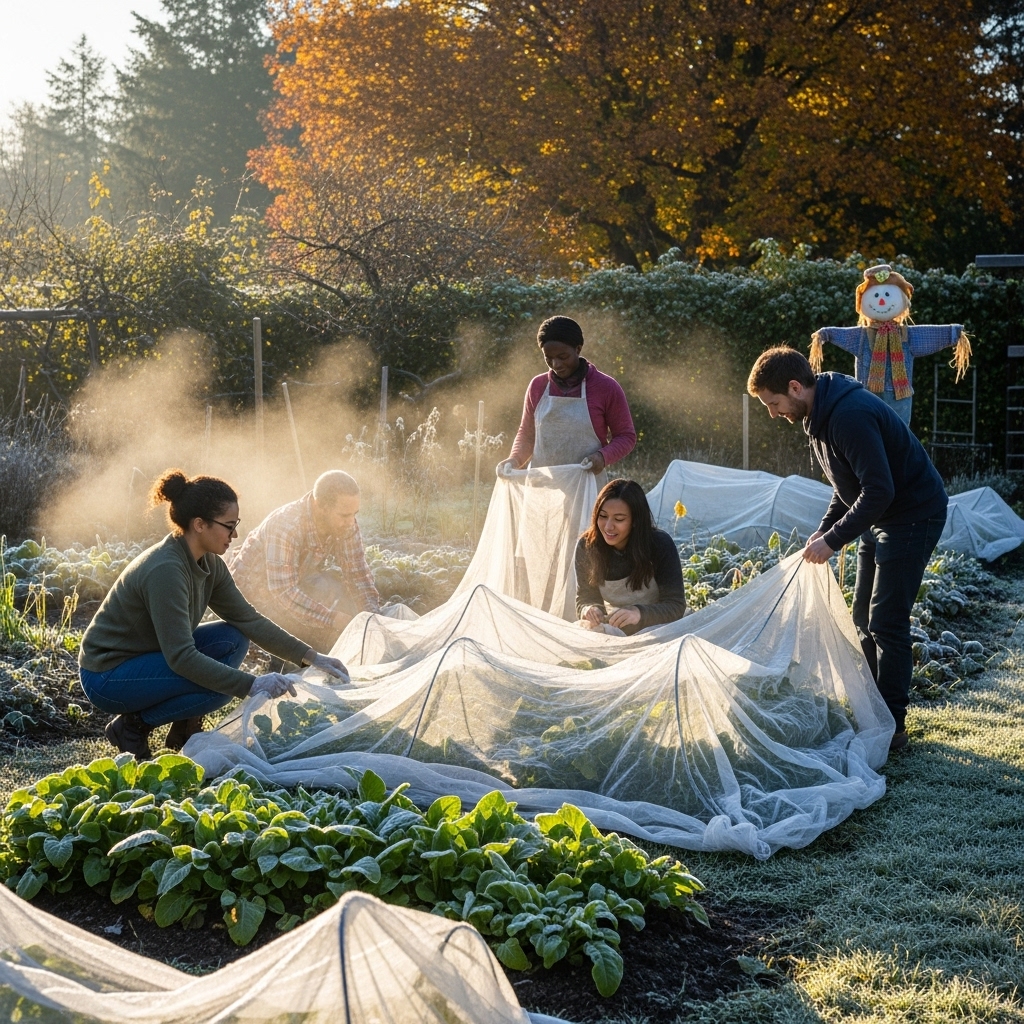
One of the simplest and most effective methods to protect plants from frost is covering them with frost cloths. These lightweight fabrics allow moisture to escape while providing insulation. I always keep a few frost cloths on hand for unexpected chilly nights. If I see frost warnings, I quickly drape them over my most vulnerable plants, ensuring they’re securely fastened to prevent the wind from blowing them away.
When using frost cloths, it’s essential to cover the plants in the evening before temperatures drop and remove them in the morning once the sun comes out. I remember one night when I forgot to uncover a few of my plants, and they ended up getting a little too warm under the cloth. So, it’s a delicate balance to strike!
Using Row Covers for Garden Beds
Row covers are another excellent tool in our frost protection arsenal. These covers can be placed over entire garden beds, offering protection to multiple plants at once. They come in various materials, from lightweight fabrics to heavier options for more extreme weather. I’ve used them for my vegetable patches, and they’ve helped maintain warmth while still letting in sunlight. They’re especially handy for protecting young seedlings. For more information on growing plants, see How to Grow Sunflower Plants (Big Blooms Guide).
When setting up row covers, I make sure they are anchored down to prevent them from blowing away. I also check regularly to ensure they’re not creating too much heat underneath, as that can stress the plants. It’s about finding that sweet spot where they’re warm enough but still able to breathe.
Mulching Techniques
Mulching is another effective method for protecting plants from frost. A thick layer of mulch can insulate the soil and the roots, keeping them warmer during chilly nights. I remember when I mulched my flower beds before an unexpected frost, and I was amazed at how much it helped. The mulch acted as a blanket, retaining heat and protecting the delicate roots of my plants.
When mulching, I typically use straw, shredded leaves, or grass clippings. The key is to apply the mulch generously around the base of the plants, but not directly against the stems to prevent rot. I’ve found that a few inches of mulch can make a significant difference in how plants fare during frost events.
Bringing Potted Plants Indoors
If you have potted plants, bringing them indoors is one of the best ways to protect them from frost. I’ve done this with my favorite houseplants multiple times, especially when I know a cold front is approaching. It’s a simple solution that can save delicate plants from frost damage.
When moving plants indoors, I always check for pests and give them a gentle shake to remove any critters that may have hitchhiked in from the garden. It’s also a good idea to place them in a bright area but away from cold drafts or heating vents to avoid shock. This method has worked wonders for my plants, and I’ve seen them thrive even after a cold snap.
Creating Microclimates
Creating microclimates in your garden can help protect plants from frost. I’ve noticed that certain areas of my yard are warmer than others, often due to factors like sunlight exposure or proximity to walls and fences. By strategically placing my plants in these warmer spots, I’ve been able to give them a better chance against frost.
For instance, I have a small corner near my house that retains heat well. I started planting my more delicate flowers there, and they’ve done remarkably well, even on chilly nights. It’s all about observing your garden and understanding where the warmth naturally exists.
Using Cold Frames and Cloches
Cold frames and cloches are wonderful tools for protecting individual plants or small groups from frost. A cold frame is essentially a mini-greenhouse that traps heat and sunlight, while cloches are covers placed over individual plants. I built my own cold frame using old windows, and it has been a game changer for my seedlings in early spring.
These structures allow you to extend your growing season by providing a warm environment for plants. When using cloches, I prefer glass or plastic ones, as they hold heat well. Just make sure to ventilate them on sunny days to prevent overheating. My plants always seem to flourish under these protective covers!
Thermal Mass and Heat Retention Techniques
Using Rocks or Bricks for Heat Storage
One of the lesser-known tricks I’ve learned is utilizing rocks or bricks in my garden to help retain heat. These materials absorb warmth from the sun during the day and release it slowly at night, which can be a lifesaver on those chilly evenings. I remember one spring when I placed some flat stones around my most vulnerable plants. The warmth they held helped keep the soil temperature a bit higher, offering my plants an extra layer of protection against frost.
When I started using this method, I noticed a significant difference in how well my plants fared during unexpected cold snaps. I often choose dark-colored stones, as they absorb heat more effectively. If you have bricks or pavers lying around, consider arranging them around your garden beds – it’s an easy way to create a mini heat reservoir that can help shield your plants from the cold.
Watering Plants Before Frost
Another technique that I’ve found quite effective is watering my plants before a frost is expected. It seems counterintuitive at first, but hydrated plants can withstand colder temperatures better. When you water the soil, it helps retain heat, and the moisture can also create a bit of insulation for the roots. I’ve made it a habit to give my garden a good watering in the late afternoon before a predicted frost. I remember one particularly cold night; I watered my flower beds, and while other gardens in the neighborhood suffered, mine came through relatively unscathed.
Additionally, watering helps keep the plant cells fuller, reducing the risk of frost damage. Just be mindful not to overwater, as soggy soil can lead to root rot, especially in colder temperatures. I’ve found that a good soak in the afternoon can make a world of difference when the frost hits.
Plant Selection and Placement
Choosing Frost-Resistant Plant Varieties
When it comes to battling frost, I’ve learned that selecting the right plants is half the battle. Some varieties are naturally more resilient to cold temperatures, and I often seek out these frost-resistant plants for my garden. For instance, I’ve had great success with varieties like kale, pansies, and certain types of ornamental cabbage. Not only do they withstand colder temperatures, but they also add beauty to my garden even in the chillier months. If you’re interested in growing your own vegetables, consider checking out How to Grow Carrot Plants Successfully at Home.
I remember when I first started gardening; I didn’t pay much attention to plant selection, and I lost quite a few tender varieties to frost. Now, I always check hardiness zones and select plants that suit my local climate. This has made a significant difference in my gardening experience. I’ve found that by choosing the right plants, I can still enjoy a vibrant garden even as the temperatures drop.
Strategic Plant Placement in the Garden
Where you place your plants in the garden can impact their frost resilience. I’ve come to realize that certain areas of my yard are more sheltered and retain warmth better than others. For example, planting near walls, fences, or larger plants can create a microclimate that offers protection from frost. I often take advantage of these warmer spots for my most delicate plants.
One year, I had some tender herbs that I usually planted in the open. After a few frost scares, I decided to move them closer to my house, where they seemed to fare much better. Strategically placing plants not only helps shield them from frost but can also create a more visually appealing arrangement in the garden.
Using Natural Barriers for Wind Protection
Wind can exacerbate the effects of frost, so I’ve found that using natural barriers can make a big difference. I’ve planted hedges and shrubs around my garden to create windbreaks. These not only provide privacy and beauty but also act as a shield against harsh winds that can quickly lower temperatures around my plants.
Another method I’ve used is to utilize larger structures, like fences or trellises, as windbreaks. I’ve seen firsthand how much of a difference these barriers can make, especially on windy nights when frost is likely to occur. Just last winter, my garden was much better protected because of the natural windbreaks I had in place. It’s a simple solution that enhances the overall health and vitality of my plants.
Post-Frost Care for Plants
Assessing Damage After Frost
After a frost event, it’s essential to assess the damage to our plants. I’ve learned that not all frost damage is immediately visible. I usually wait until the temperatures warm up before I venture out to check on my garden. Initially, I might feel disheartened seeing wilted leaves or browning tips, but I remind myself to take a closer look.
I now know that sometimes plants can bounce back even after appearing severely damaged. I’ve had plants that looked completely lifeless after a frost but eventually revived with some care. This taught me the importance of patience and observation. I recommend noting which plants are affected to help me make better choices next season.
Pruning Frost-Damaged Foliage
Once I assess the damage, pruning becomes my next step. I’ve found that removing the visibly damaged parts of the plant can encourage new growth. It’s like giving them a fresh start! I usually use clean, sharp pruning shears to avoid spreading any potential disease. After a frost, I trim away any brown or mushy leaves, focusing on helping the plant recover.
This practice has worked wonders for me. I remember a time when I was hesitant to cut back my damaged plants, fearing I might make things worse. Ultimately, I decided to prune, and they came back stronger than ever. It’s a learning experience, but it has taught me to be proactive in caring for my garden.
Fertilizing and Watering After Frost Events
After a frost, it’s also important to give our plants some extra care through fertilizing and watering. I’ve found that a light application of fertilizer can help rejuvenate plants that have taken a hit. It provides them with the nutrients they need to recover and thrive. However, I tend to use a diluted solution to avoid overwhelming the plants.
Along with fertilizing, I ensure my plants receive ample water, as they can be stressed from the cold. I’ve noticed that regular watering helps them bounce back more quickly. Just like humans, plants need hydration to recover from the shock of frost. This combination of care has often turned my frost-damaged garden into a flourishing landscape again!
Frequently Asked Questions
What is frost and how does it form?
Frost occurs when moisture in the air freezes, forming ice crystals on surfaces, typically during the night when temperatures drop, especially in early spring or late fall.
What are the types of frost that affect gardens?
The two most common types of frost are radiation frost, which occurs on clear nights due to rapid cooling of surfaces, and advective frost, which happens when warm, moist air is replaced by cold air.
How does frost impact plant health?
Frost can cause cellular damage and dehydration in plants, leading to ruptured cell walls, wilting, browning, and even death of plant tissues. Some plants may recover from mild damage, while others may face long-term effects.
What indicators suggest that frost is approaching?
Weather forecasts predicting temperature drops below 32°F (0°C), high humidity levels, and visual cues like dew on grass or drooping plants can indicate that frost may occur.
What are effective methods to protect plants from frost?
Effective methods include covering plants with frost cloths, using row covers, mulching, bringing potted plants indoors, creating microclimates, and utilizing cold frames or cloches.
How can mulching help protect plants from frost?
A thick layer of mulch can insulate the soil and roots, keeping them warmer during chilly nights. Materials like straw, shredded leaves, or grass clippings work well for this purpose.
What is the benefit of watering plants before a frost?
Watering plants before a frost helps retain heat in the soil and provides insulation for the roots, allowing hydrated plants to withstand colder temperatures better.
How can choosing frost-resistant plant varieties help in gardening?
Selecting frost-resistant plants, such as kale, pansies, and certain ornamental cabbages, can improve the chances of survival against frost and maintain garden beauty during colder months.
What should be done after a frost event to care for plants?
After a frost, it’s important to assess damage, prune visibly damaged foliage to encourage new growth, and provide fertilization and ample watering to help plants recover.
How can natural barriers assist in protecting plants from wind and frost?
Using natural barriers, such as hedges, shrubs, and larger structures as windbreaks, can shield plants from harsh winds that exacerbate frost effects, enhancing their overall health.