
The right way to prune hydrangeas involves knowing the type of hydrangea you have, the right timing for pruning, and the proper techniques to use. I learned this firsthand when I discovered that different varieties require different care, and getting it right can lead to beautiful blooms.
Hydrangeas are stunning additions to any garden, and their vibrant flowers can truly elevate a landscape. However, understanding how to care for them, especially when it comes to pruning, is key to keeping them healthy and flourishing. Read Interesting article: Best Time to Plant Hydrangeas: Your Seasonal Planting Guide
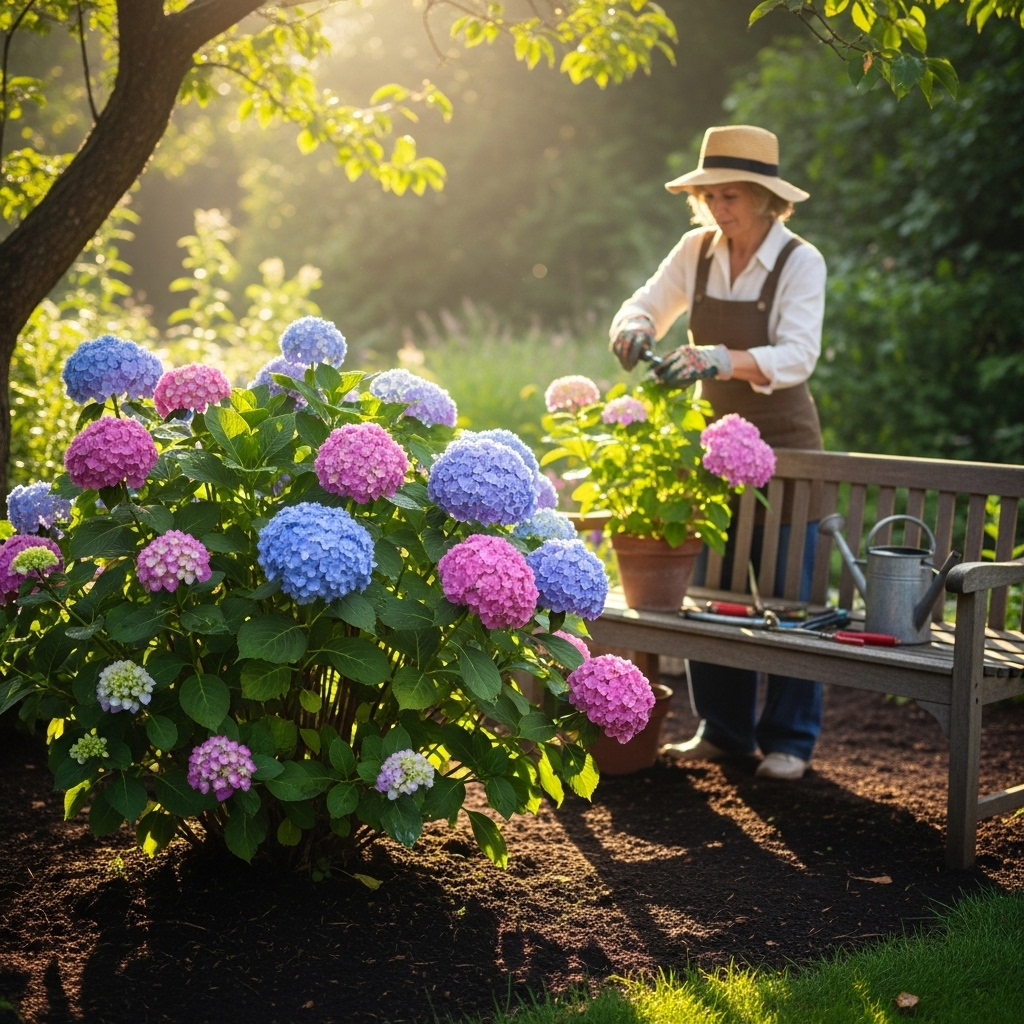
Understanding Hydrangeas
When I first started gardening, I was overwhelmed by the variety of hydrangeas available. Each type has its own unique characteristics and requirements, which can make it tricky to know how to care for them. Let’s dive into the different types of hydrangeas, their growth habits, flowering patterns, and why pruning is so crucial.
Types of Hydrangeas
Hydrangeas come in several types, each with its own pruning requirements. Here are the most common ones I’ve encountered:
- Hydrangea macrophylla</ (Bigleaf Hydrangea): This is the classic garden hydrangea known for its large, round blooms. It often produces flowers in shades of blue or pink, depending on the soil pH.
- Hydrangea paniculata</ (Panicle Hydrangea): These hydrangeas have conical flower heads and are more tolerant of pruning. They bloom later in the summer and can grow quite large.
- Hydrangea quercifolia</ (Oakleaf Hydrangea): With unique, lobed leaves, this type offers beautiful fall color. Its blooms are more elongated and bloom on new wood, making pruning less critical.
- Hydrangea arborescens</ (Smooth Hydrangea): Known for its creamy white flowers, this variety blooms on new wood, which means it can be pruned back more aggressively.
Growth Habits and Flowering Patterns
Understanding the growth habits and flowering patterns of hydrangeas has been vital for me. Some hydrangeas bloom on old wood, while others bloom on new wood. For instance, Hydrangea macrophylla typically blooms on last year’s growth, so if you prune it too late, you might cut off the flower buds. Meanwhile, types like Hydrangea paniculata bloom on new wood, which allows for more flexibility in pruning.
I’ve learned to pay attention to the flowering cycle of my plants. Watching when they bloom not only helps me predict when to prune but also when to enjoy their beauty. I remember the first time I pruned a Hydrangea macrophylla too late in the season and missed out on those beautiful blooms. It was a lesson learned!
Why Pruning is Important
Pruning hydrangeas is not just about aesthetics; it is crucial for the overall health of the plant. In my experience, proper pruning promotes better airflow, reduces disease risk, and encourages vigorous blooming. It can also help control the size and shape of the plant, making it more manageable in the garden.
When I first started pruning, I noticed that some of my hydrangeas were getting too large and unruly. After pruning them back, they not only looked better but also produced more flowers the following season. I realized that pruning is a key part of my gardening routine, and it brings me joy to see the plants thrive year after year. Read Interesting article: Troubleshooting Potted Hydrangeas: Common Problems and Solutions
When to Prune Hydrangeas
Timing is everything when it comes to pruning hydrangeas. I remember the early days of my gardening journey when I was unsure about when the right time to prune was. I soon realized that the type of hydrangea plays a big role in determining the best time to get to work. Let’s break down the timing to help you get it right.
Spring-Blooming vs. Summer-Blooming Hydrangeas
As I learned, one of the biggest distinctions is whether your hydrangea blooms in spring or summer. Spring-blooming hydrangeas, like the Hydrangea macrophylla, typically flower on old wood. This means that if you prune them in late winter or early spring, you might end up cutting off the buds that will turn into beautiful blooms. I made that mistake once and ended up with a bush that looked great but lacked flowers that season!
On the other hand, summer-blooming hydrangeas, such as Hydrangea paniculata and Hydrangea arborescens, bloom on new wood. This allows us to prune them back in late winter or early spring without worrying about losing flowers. I find it reassuring that I can shape and manage these varieties without risking my blooms. Understanding this seasonal distinction has transformed my approach to pruning.
Signs That It’s Time to Prune
Recognizing the signs that it’s time to prune is another lesson I’ve learned along the way. One of the first signals for me is when I notice new growth starting to emerge. This usually happens in early spring when the days start to warm up. That’s my cue to grab my pruning shears. I also look for any dead or damaged stems; these can often be spotted during winter or early spring. Removing these helps protect the overall health of the plant.
Another sign for me has been the size of the plant. If my hydrangeas are becoming too large and crowded, it becomes necessary to prune. I love that feeling of giving them a little TLC and helping them breathe better. It’s almost like a spa day for my plants!
Seasonal Considerations
The seasons can greatly affect when and how I prune. For example, I’ve found that pruning during the dormant season (late winter to early spring) is often ideal for many hydrangeas. The plants are less stressed, and it’s easier to see their structure without the leaves. However, I also keep an eye on the weather. I’ve learned that I should avoid pruning during extreme cold snaps, as this can lead to damage.
In my experience, the summer months are also a great time for light pruning, especially for shaping and removing spent blooms. I’ve enjoyed this practice because it keeps my garden looking tidy throughout the season. It’s important to be mindful of the hydrangea’s growth pattern, as this will guide me on how much I can prune without affecting its blooming cycle.
Overall, understanding when to prune has been key for me. It’s not just about following a schedule; it’s about observing and connecting with your plants. The more I pay attention to seasonal changes and their signs, the more successful my hydrangea garden becomes.
Tools and Equipment Needed for Pruning
Now that we’ve covered the timing, let’s talk about tools. I’ve learned that having the right equipment makes a world of difference when it comes to pruning hydrangeas. It’s all about working smarter, not harder!
Essential Pruning Tools
When I first started, I used whatever scissors I had lying around, but I quickly realized that having proper tools was essential for clean cuts and overall plant health. Here’s what I recommend:
- Bypass Pruners: These are my go-to for most of my pruning tasks. They provide a clean cut, which is vital for preventing damage to the plant.
- Loppers: For thicker stems, I love using loppers. They give me more leverage and help me tackle larger branches with ease.
- Hedge Shears: If I’m shaping my hydrangeas or doing more extensive pruning, hedge shears come in handy. They’re great for creating a nice, tidy appearance.
- Hand Saw: For the really thick branches, I’ve found that having a small hand saw can be a lifesaver. It allows me to get through tougher wood without tearing.
Having these tools has made my pruning experience smoother and more enjoyable!
Safety Gear and Precautions
Safety should always come first in the garden. I’ve learned this the hard way a few times! While pruning, I make sure to wear gloves to protect my hands from thorns or sharp edges. I also like to wear long sleeves, especially if I’m working with older plants that might have rough bark or branches. Eye protection is another good idea, just in case any debris flies up while I’m cutting.
Finally, I try to keep my tools sharp and clean. Dull tools can lead to ragged cuts, which can harm the plant. Plus, clean tools help prevent the spread of disease between plants. It’s a small step that goes a long way in maintaining a healthy garden.
Step-by-Step Guide to Pruning Hydrangeas
When it comes to pruning hydrangeas, I’ve found that having a clear step-by-step approach makes a world of difference. The thought of pruning can be intimidating, especially if you’re not sure where to start. I remember standing in front of my hydrangeas, unsure of what to cut and what to leave. Over time, I developed a routine that not only simplifies the process but also ensures my plants thrive. Here’s how I do it.
Preparing Your Hydrangeas for Pruning
Before I dive into pruning, I always take a moment to prepare. This process begins with observing my hydrangeas to assess their overall health. I look for any dead or diseased branches that may need immediate attention. Once I’ve identified those, I make sure to have my tools ready and my workspace set up. I’ve learned that having a clean area to work in helps me stay organized and efficient.
Next, I like to clear away any debris from around the plants. This not only gives me a better view of the hydrangea but also prevents any pests from hiding in the leaves or soil. I often find that removing old leaves and spent flowers is a good first step, as it sets the stage for more focused pruning.
Finally, I take a deep breath and remind myself that this is a chance to help my plants grow better. Having a positive mindset goes a long way in making pruning a more enjoyable task!
How to Prune Spring-Blooming Hydrangeas
Pruning spring-blooming hydrangeas, like Hydrangea macrophylla, requires a gentle touch. I usually wait until after they bloom to prune, which means I’m often doing this in late spring or early summer. I begin by cutting away any dead or damaged stems at the base. This not only promotes new growth but also helps the plant focus its energy on healthy branches.
Then, I look for any branches that are crossing or growing inward. If I see any, I trim those back to improve airflow and reduce crowding. I try to keep the plant’s natural shape while ensuring that the center remains open. I remember my first attempt at this; I was so focused on making it look perfect that I accidentally over-trimmed! It’s a balancing act, but I find that taking my time and stepping back to assess the shape helps a lot.
Lastly, if the plant is particularly large or unruly, I may cut back some of the oldest stems to encourage new growth. This rejuvenating approach has worked wonders for my hydrangeas, and I love seeing how they bounce back with even more vigor the next season!
How to Prune Summer-Blooming Hydrangeas
When it comes to summer-blooming hydrangeas, like Hydrangea paniculata, I feel a bit more freedom with my pruning. Since these types bloom on new wood, I typically prune them back in late winter or early spring, before new growth starts. I often start by removing any dead or weak stems, which allows me to see the structure of the plant more clearly.
Next, I focus on shaping the bush. I like to cut back about one-third of the previous year’s growth to promote stronger and healthier blooms. This type of pruning helps the plant put its energy into fewer, more robust flowers. I also make sure to cut right above a pair of buds, as this encourages new growth from that point.
Throughout this process, I keep an eye on the overall shape of the plant. I find that maintaining a balanced look not only makes my garden more appealing but also helps the hydrangeas thrive. I’ve learned to embrace a slightly less structured approach with these varieties, allowing them to develop naturally while still providing guidance.
Common Mistakes to Avoid While Pruning
Over my years of gardening, I’ve definitely made my fair share of mistakes while pruning hydrangeas. One of the biggest ones was pruning at the wrong time. I remember feeling so proud of my early spring pruning on my Hydrangea macrophylla, only to realize later that I had cut off all the buds. It was disheartening, but it taught me the importance of timing and understanding each plant’s needs.
Another mistake I made was being too aggressive with my pruning. While it’s tempting to cut back a lot to shape the plant, I’ve learned that less is often more. Cutting too much can stress the plant, leading to fewer blooms or even damage. I now aim to prune with a light hand, always remembering that hydrangeas need some foliage to thrive.
Lastly, I’ve also neglected to keep my tools clean and sharp in the past. Using dull tools can lead to jagged cuts, which may invite pests or diseases. Now, I make it a point to clean my tools after each use and sharpen them regularly, ensuring that every cut is clean and precise.
Post-Pruning Care
After the hard work of pruning, I’ve learned that the care I provide my hydrangeas can greatly impact their recovery and future blooms. It’s not just about cutting back; it’s about nurturing them afterward to ensure they thrive. Here are some key practices I follow.
Watering and Fertilizing After Pruning
Once I finish pruning, I make sure to give my hydrangeas a good drink. Hydrangeas love moisture, and after the stress of pruning, they need it to recover. I typically water them thoroughly, soaking the soil around the roots, but I always check the moisture level first. Too much water can lead to root rot, which I’ve dealt with in the past!
After a couple of weeks, I like to give my hydrangeas a boost with fertilizer. I usually opt for a balanced fertilizer that promotes overall plant health. It’s fascinating to see how quickly they respond. I remember the first time I fertilized my pruned plants – the difference was remarkable! The new growth was vibrant and plentiful, which made me feel accomplished.
Signs of Healthy Recovery
Watching for signs of recovery is part of the joy of gardening for me. After a few weeks post-pruning, I look for fresh leaves and new buds forming. This usually means my hydrangeas are ready to take off. I also keep an eye out for any wilting or discoloration, which could signal a problem. If I notice any issues, I jump in with adjustments, whether it’s watering more or addressing pests.
Seeing those first signs of new growth reminds me that I’ve done my job well. I remember one season where my hydrangeas bloomed more brilliantly than ever, and I couldn’t help but feel proud of the care I had provided.
Dealing with Pests and Diseases Post-Pruning
Even after pruning, I remain vigilant about pests and diseases. I’ve learned that some insects are attracted to the fresh cuts, so I watch closely for any signs of trouble. I often inspect the leaves and stems for any unwanted visitors. If I spot any pests like aphids or spider mites, I act quickly using organic insecticidal soap or neem oil. It’s essential for me to keep my garden healthy.
Additionally, I ensure that my plants have good air circulation and are not too crowded. I’ve found that good spacing not only improves airflow but also makes it harder for diseases to spread. Preventative measures can save a lot of heartache later on, and I’ve learned that being proactive pays off.
Frequently Asked Questions about Pruning Hydrangeas
How Often Should I Prune My Hydrangeas?
In my experience, hydrangeas generally need pruning once a year. However, this can depend on the type of hydrangea you have. Spring-blooming varieties like Hydrangea macrophylla should be pruned right after flowering, while summer-blooming varieties can be pruned in late winter or early spring. It’s all about recognizing your hydrangea’s needs!
Can I Prune Hydrangeas in the Fall?
I’ve often wondered about fall pruning, and from what I’ve learned, it’s better to avoid it. Pruning in the fall can expose the plants to winter stress and potential damage. I prefer to wait until the appropriate spring or summer timing, depending on the variety.
What Happens if I Don’t Prune My Hydrangeas?
If I skip pruning, I’ve noticed that my hydrangeas can become overgrown and leggy. They might still bloom, but the flowers can be sparse and less vibrant. Over time, unpruned plants can also become more susceptible to diseases and pests, which is something none of us want in our gardens.
Can I Shape My Hydrangeas with Pruning?
Absolutely! Shaping my hydrangeas is one of the most satisfying parts of pruning for me. I often focus on maintaining a balanced shape for aesthetic reasons, but it also helps the plant by encouraging healthy growth. I’ve learned that a well-shaped hydrangea not only looks great but also thrives more effectively.
Final Thoughts
Pruning hydrangeas can be a rewarding experience that enhances both the beauty of your garden and the health of your plants. I’ve discovered that understanding the types of hydrangeas, their blooming habits, and the timing of pruning can lead to stunning displays year after year. With the right tools, techniques, and a bit of care afterward, we can all enjoy the lovely blooms hydrangeas offer.
Gardening is a journey filled with learning, and I hope my experiences can help guide you in your own hydrangea adventures. Remember, every cut is a step towards a healthier, more beautiful garden. I wish you all the best with your hydrangeas!
Frequently Asked Questions
What is the key to pruning hydrangeas correctly?
The key to pruning hydrangeas correctly involves knowing the type of hydrangea you have, the right timing for pruning, and the proper techniques to use.
Why is pruning important for hydrangeas?
Pruning is crucial for hydrangeas because getting it right can lead to beautiful blooms and helps keep the plants healthy and flourishing.
What did the author learn about hydrangeas?
The author learned that different varieties of hydrangeas require different care, which can be overwhelming for beginners.
What are the characteristics of hydrangeas that gardeners should know?
Gardeners should understand the unique characteristics, growth habits, and flowering patterns of the different types of hydrangeas.
What are the most common types of hydrangeas mentioned?
The most common type of hydrangea mentioned is Hydrangea macrophylla.
How can hydrangeas enhance a garden?
Hydrangeas can enhance a garden with their stunning and vibrant flowers, which can elevate the landscape.
What can be tricky about caring for hydrangeas?
Caring for hydrangeas can be tricky due to the variety of types available, each with its own unique care requirements.
What is the author’s experience with hydrangeas?
The author’s experience with hydrangeas includes discovering the necessity of understanding different varieties for effective care and maintenance.
What does the author emphasize about hydrangea care?
The author emphasizes that understanding how to care for hydrangeas, particularly regarding pruning, is key to their health and bloom quality.
What makes hydrangeas a popular choice for gardens?
Hydrangeas are a popular choice for gardens due to their stunning appearance and the vibrant colors they bring to the landscape.