
Pruning pepper plants is essential for maximizing their yield and maintaining plant health. By selectively trimming branches, we can encourage more fruit production and create a robust growing environment. Read Interesting article: How to Prune a Basil Plant for More Growth
Understanding the Importance of Pruning Pepper Plants
When I first started gardening, I had a hard time grasping the concept of pruning. It seemed counterintuitive to cut away parts of a plant that I was hoping would produce delicious peppers. However, as I gained more experience, I learned just how vital pruning is for pepper plants. Not only does it enhance fruit yield, but it also promotes overall plant health, which is crucial for a successful harvest.
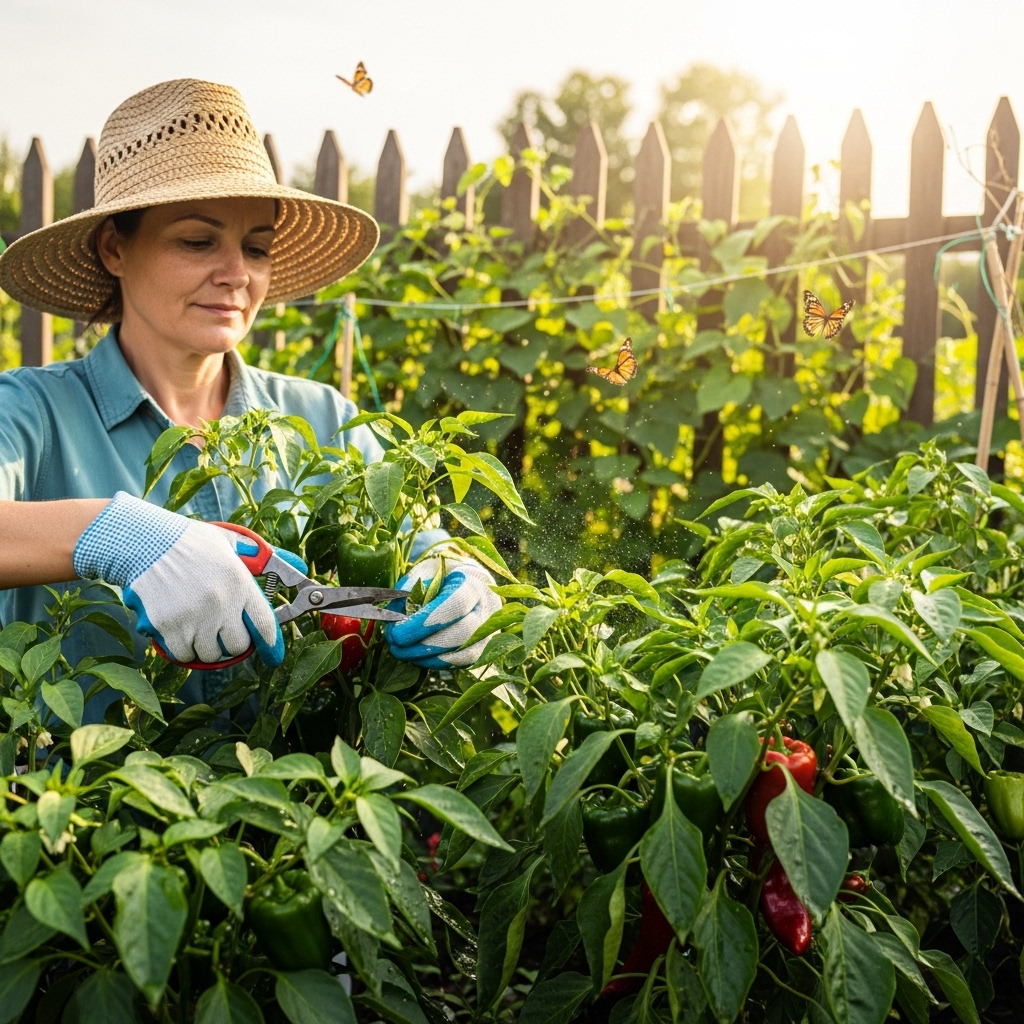
Benefits of Pruning for Pepper Yield
One of the most significant benefits of pruning is that it directly impacts the quantity and quality of the peppers produced. When I pruned my pepper plants during the growing season, I noticed a remarkable increase in fruit production. By removing some of the leaves and smaller branches, the plant can focus its energy on producing fewer but larger and more flavorful peppers.
Pruning also helps improve air circulation within the plant. Good airflow reduces the risk of diseases, especially in humid conditions, which I found to be a common issue in my garden. With better circulation, the plants can dry off faster after watering or rain, thus preventing fungal infections that can devastate a crop.
Additionally, pruning encourages the growth of new shoots. These new branches often produce more flowers, which means more peppers. During my growing season, I made it a point to prune my plants regularly, and the results were evident in the bountiful harvests I enjoyed. This technique not only benefits peppers but can also be applied to other plants in your garden.
How Pruning Affects Plant Health
Beyond boosting yields, pruning plays a crucial role in maintaining the health of pepper plants. By removing dead or diseased branches, we can prevent the spread of pests and diseases within the plant. I remember a time when I neglected to prune a few unhealthy branches, and before I knew it, the entire plant was affected. It was a tough lesson, but it taught me the importance of regular maintenance.
Moreover, pruning helps manage the size of the plants, especially if you’re working with limited space in a garden or using containers. I often prune my pepper plants to keep them at a manageable height, making it easier to harvest and care for them. Keeping the plants small and bushy allows for better sunlight access, which is another factor that contributes to healthier plants.
In my experience, a well-pruned pepper plant is not just more productive; it also looks healthier and more vibrant. The leaves are greener, and the stems are sturdier, which makes for a more robust plant overall. This health translates into better resistance against environmental stressors, whether it’s too much rain or a particularly hot day.
When to Prune Pepper Plants
Timing is everything when it comes to pruning. I’ve learned that knowing when to prune can make or break the success of the plants. If you prune at the wrong time, you could end up stunting growth instead of encouraging it.
Timing: Best Season for Pruning
The best time to prune pepper plants is typically in the early spring, just before the growing season kicks off. This is when the plants are waking up from dormancy, and any pruning you do at this stage can help promote new growth. I like to prune a few weeks before the last expected frost, which gives my plants a chance to recover and start producing as soon as the weather warms up.
However, we can also prune during the growing season, particularly if you notice any branches that are overcrowding or unhealthy. I often take a look at my plants during mid-summer and trim them back if they seem too bushy. This not only helps with airflow but also encourages the plants to focus on fruit production rather than just leafy growth.
Signs Your Pepper Plants Need Pruning
There are several signs that indicate your pepper plants could benefit from a good pruning. If you notice that some branches are wilting or turning yellow, it’s usually a good idea to remove them. I’ve found that healthy leaves are typically a vibrant green; when they start to change color, it’s a signal that something might be wrong.
Another indicator is overcrowding. If your plants are so bushy that sunlight can’t penetrate effectively, that’s a sign it’s time to prune. I remember watching my plants struggle in the shade of their own leaves, and when I finally decided to thin them out, they flourished. It was a rewarding experience to witness the immediate improvement after a good pruning session.
Lastly, if your plants start producing fewer fruits or the peppers are small and underdeveloped, it might be time to take action. Pruning can redirect energy from unnecessary foliage back into fruit production, revitalizing your plants and enhancing their yield. Read Interesting article: How to Protect Plants From Frost (Easy DIY Methods)
Tools and Materials Needed for Pruning
Essential Pruning Tools
Having the right tools makes a world of difference when it comes to pruning pepper plants. I remember starting out with a pair of old scissors, and let me tell you, it wasn’t the best experience! After experimenting, I found that a good pair of pruning shears is essential. They are sharp, efficient, and allow for clean cuts, which is important for the plant’s health.
Aside from pruning shears, I also recommend investing in a pair of hand pruners. These are perfect for reaching into tighter spaces and snipping away those pesky branches that are difficult to get to. I also keep a pair of gardening gloves handy; they protect my hands and give me a better grip when I’m working with thorny plants or rough branches.
If your plants are particularly large or overgrown, you might consider using loppers. These are larger pruning tools that provide more leverage and are great for cutting thicker branches. I’ve found that using the right tool not only makes the job easier but also helps me feel more confident in my pruning skills.
Recommended Gardening Supplies
In addition to pruning tools, having some basic gardening supplies on hand can help ensure a smooth pruning process. I like to have a small bucket nearby to collect the cuttings. This keeps my workspace tidy and makes it easier to dispose of the trimmings once I’m done.
Another item that has proven useful is a disinfectant solution or rubbing alcohol. Before I start pruning, I always make sure to sterilize my tools. This is crucial because it helps prevent the spread of diseases between plants. I remember the first time I neglected this step, and it cost me a few plants. Now, I’m diligent about keeping my tools clean before and after each use.
Lastly, I keep a notebook or gardening app handy to track my pruning sessions. I note what I pruned and when, which helps me monitor the health and growth of my pepper plants over time. This has helped me refine my technique and timing, leading to better results with each growing season.
Step-by-Step Guide to Pruning Pepper Plants
Preparing Your Tools and Workspace
Before diving into pruning, I always take a moment to prepare my tools and workspace. I gather all my pruning shears, gloves, and disinfectant, and lay them out within easy reach. I’ve learned the hard way that having to run back and forth to my shed can disrupt my flow and make the process feel more tedious.
Next, I choose a day that’s not too hot or sunny. This helps me avoid stress on the plants while I work. I usually aim for a milder day, which seems to keep the plants happier and more responsive to the pruning. Once I’m set up, I take a few moments to observe my pepper plants before I start. This helps me get a sense of which branches need attention and allows me to create a mental plan for my pruning session.
Identifying Which Branches to Prune
Identifying which branches to prune is perhaps one of the most critical steps in the process. I usually start by looking for any dead, diseased, or damaged branches. These are the easiest to spot, and removing them can instantly make the plant look healthier. I’ve found that cutting back these branches not only improves the appearance of the pepper plant but also opens up space for new growth.
Next, I evaluate the overall shape of the plant. If I see branches that are crossing or overcrowding each other, I know those need to go. I recall a time when I let my plants get a bit too bushy, and it ended up affecting the airflow. Learning to recognize which branches are competing for space has been a game-changer for me.
Lastly, I consider the plant’s future growth. Keeping in mind that pepper plants can become top-heavy, I make cuts that help balance the plant. I often remove branches that are growing too tall or outward, which helps maintain a bushy structure that is better for fruit production.
How to Make the Right Cuts
When it comes to making cuts, I’ve learned that technique matters. I always aim for a 45-degree angle when cutting branches. This angle helps avoid water pooling on the cut surface, reducing the risk of rot or disease. I also make sure to cut just above a node or leaf junction. This encourages new growth to sprout from that point, which has worked wonders for my plants.
It’s also important to keep my cuts clean and swift. I try to avoid sawing back and forth, as this can damage the plant. Instead, I make decisive cuts, ensuring I’m confident in each snip. I remember feeling anxious the first time I pruned, but with each session, I’ve grown more comfortable and proficient.
Pruning Techniques for Different Pepper Varieties
Different pepper varieties can require slightly different pruning techniques. For instance, I’ve noticed that some smaller varieties, like certain chili peppers, respond well to lighter pruning. A little trim here and there helps encourage new growth without overwhelming the plant. On the other hand, larger varieties, like bell peppers, often benefit from more extensive pruning to manage their size and promote better airflow.
When I worked with hybrid varieties, I found that they could be a bit more forgiving with pruning. These plants tend to bounce back quickly, allowing for more aggressive cuts if needed. However, I always keep in mind that each plant is unique, and I pay attention to how they respond to my pruning efforts. Adapting my approach has helped me maximize the health and yield of my pepper plants.
Post-Pruning Care for Pepper Plants
Watering After Pruning
After I finish pruning my pepper plants, watering becomes a priority. I’ve learned that freshly pruned plants need a little extra attention to help them recover. I usually wait a few hours after pruning to let the cuts callus over before giving them a drink. This helps prevent water from pooling on freshly cut surfaces, which could lead to rot.
When I water post-pruning, I aim for a deep soak rather than a light sprinkle. This encourages the roots to grow deeper and helps the plant establish a strong foundation. I typically use a soaker hose or a watering can to ensure that I’m getting the water directly to the roots. I also keep an eye on the moisture level in the soil for the next couple of weeks, making adjustments to my watering schedule as needed. It’s all about finding that balance to promote recovery without overwatering.
Fertilization Tips Post-Pruning
Fertilization is another crucial aspect of post-pruning care. After I prune, I like to give my pepper plants a gentle boost with a balanced fertilizer. This helps provide the nutrients they need to recover and encourages new growth. I remember my first time, I was hesitant to fertilize right away, thinking it might be too much stress for the plants. But I found out that a little boost can be incredibly beneficial.
I usually opt for a liquid fertilizer that I can dilute in water. This way, I can control the concentration and avoid overwhelming the plants. I apply this about a week after pruning, giving the plants some time to adjust. I’ve noticed that this practice helps them bounce back quicker, leading to healthier foliage and more fruitful harvests.
Monitoring Plant Recovery
Monitoring the recovery of my pepper plants after pruning is essential. I like to check in on them regularly to see how they’re responding to the cuts I made. I focus on new growth and overall health. If I see new shoots emerging, it’s a good sign that the plants are recovering well. I keep an eye out for any signs of stress, like wilting leaves or discoloration, which can indicate that I need to adjust my care routine.
During this recovery period, I also remain vigilant for pests. After pruning, the plants can be a bit vulnerable, so I pay close attention to any signs of infestation. I’ve had to deal with aphids and spider mites in the past, and early detection has saved many of my plants. I often use neem oil or insecticidal soap as a preventative measure, especially if I notice any signs of trouble.
Common Mistakes to Avoid When Pruning
Over-Pruning: Signs and Consequences
One of the biggest mistakes I made early on was over-pruning. It’s easy to get carried away, especially when you see all those potential branches. I remember one season, I trimmed back a bit too much and ended up stunting the growth of my plants. They struggled to produce fruit, and it was a frustrating experience. Now, I always remind myself to prune with moderation.
Signs of over-pruning include excessive leaf drop and slowed growth. If I notice my plants looking sparse or losing leaves, I know I’ve gone too far. It’s important to maintain a balance that allows for air circulation and sunlight while still preserving enough foliage for photosynthesis and overall plant health.
Timing Errors: Pruning at the Wrong Stage
Timing can truly make or break the success of my pruning efforts. I’ve learned the hard way that pruning at the wrong stage can lead to poor results. For instance, if I prune too late in the season, the plants may not have enough time to recover before the weather turns cold. On the flip side, pruning too early can expose tender new growth to late frosts, which can be disastrous.
I usually mark my calendar to remind myself of the best times for pruning, and I keep an eye on local weather forecasts, especially in spring. This way, I’m better prepared to make informed pruning decisions that align with the needs of my plants.
Neglecting Plant Health Post-Pruning
After pruning, it’s easy to assume that the hard work is done, but this is where many gardeners, myself included, slip up. I used to neglect post-pruning care, thinking the plants would bounce back on their own. However, I’ve realized that ongoing care is crucial. I make it a point to continue monitoring soil moisture, nutrient levels, and overall health in the weeks following pruning.
I’ve found that a little extra attention during this time can lead to significantly better outcomes. Whether it’s adjusting my watering schedule or applying a light dose of fertilizer, staying engaged with my plants has made all the difference in their recovery and productivity.
Frequently Asked Questions (FAQs) about Pruning Pepper Plants
Can I Prune Pepper Plants in Containers?
Absolutely! In my experience, pruning container-grown pepper plants can be even more beneficial. Since containers have limited space, pruning helps control the size and encourages the plants to focus on fruit production rather than excessive foliage. Just be careful not to over-prune, as container plants may have less resilience than those in the ground.
What to Do If I Miss the Pruning Window?
If you miss the ideal pruning window, don’t worry too much. I’ve found that you can still prune your plants later in the season, but with caution. Focus on removing any dead or unhealthy branches and avoid heavy pruning. This can help improve airflow and overall plant health, even if it’s not as aggressive as it would have been at the optimal time.
How Often Should I Prune My Pepper Plants?
From my experience, the frequency of pruning can vary based on the plant and growing conditions. Typically, I like to do a thorough pruning at the beginning of the growing season and then make smaller adjustments throughout the summer as needed. Keeping an eye on the plants and their growth patterns will help you determine how often you should prune.
Frequently Asked Questions
What is the importance of pruning pepper plants?
Pruning pepper plants is essential for maximizing their yield and maintaining plant health. It enhances fruit yield, promotes overall plant health, improves air circulation, and encourages the growth of new shoots.
When is the best time to prune pepper plants?
The best time to prune pepper plants is typically in early spring, just before the growing season begins. You can also prune during the growing season if you notice overcrowded or unhealthy branches.
What signs indicate that my pepper plants need pruning?
Signs that your pepper plants need pruning include wilting or yellowing branches, overcrowding that prevents sunlight penetration, and reduced fruit production or small, underdeveloped peppers.
What tools are needed for pruning pepper plants?
Essential tools for pruning include pruning shears, hand pruners, gardening gloves, and potentially loppers for larger branches. It’s also helpful to have a disinfectant solution to sterilize tools before use.
How should I care for my pepper plants after pruning?
After pruning, it’s important to water the plants deeply a few hours after pruning and to apply a balanced fertilizer about a week later to encourage recovery and new growth.
What common mistakes should I avoid when pruning?
Common mistakes include over-pruning, which can stunt growth, timing errors such as pruning too late or too early, and neglecting post-pruning care which is crucial for plant recovery.
Can I prune pepper plants that are grown in containers?
Yes, pruning container-grown pepper plants can be beneficial as it helps control size and encourages the plants to focus on fruit production rather than excessive foliage.
What should I do if I miss the ideal pruning window?
If you miss the ideal pruning window, you can still prune later in the season by focusing on removing dead or unhealthy branches and avoiding heavy pruning to improve airflow and plant health.
How often should I prune my pepper plants?
The frequency of pruning can vary, but usually involves a thorough pruning at the beginning of the growing season followed by smaller adjustments throughout the summer as needed based on plant growth.
How does pruning affect the yield of pepper plants?
Pruning directly impacts the quantity and quality of peppers produced by allowing the plant to focus energy on producing fewer but larger and more flavorful peppers, while also improving air circulation and encouraging new growth.
“`