
Rearing monarch butterflies at home can be a rewarding experience for enthusiasts and conservationists alike. This guide will walk you through five essential steps to successfully raise these beautiful creatures while contributing to their population recovery.
Table of Contents
Step 1: Prepare Your Butterfly Habitat
Creating a clean, safe, and comfortable environment for your monarchs is crucial. A well-prepared habitat ensures that your butterflies thrive through their life stages.
Choose the Right Location for Your Habitat
Finding the perfect spot for your butterfly habitat is essential. Here’s what to consider:
- Natural Light: Aim for a location with at least 6 hours of natural sunlight daily. This helps caterpillars grow strong.
- Quiet Space: Choose an area away from noise, pets, and children. A spare bedroom or sunroom works great.
- Temperature Control: Avoid spots with drafts or extreme temperatures. Consistent temperatures keep your monarchs happy.
Select Appropriate Containers
Your choice of container impacts the health of your caterpillars. Here’s what to look for:
- Material: Mesh cages are ideal. They allow airflow and reduce humidity, which prevents mold.
- Size: Make sure your container is spacious enough for caterpillars to move around comfortably.
- Accessibility: Choose a container that’s easy to clean. Regular cleaning helps remove frass (caterpillar droppings) and old leaves.
Container Checklist:
- Mesh rearing habitat
- Easy-to-clean surfaces
- Adequate size for growth
Ensure Adequate Ventilation and Cleanliness
Ventilation is key to keeping your monarchs healthy. Here’s how to maintain a good environment:
- Fresh Air: Make sure your container has good airflow. This reduces the risk of mold and keeps caterpillars safe.
- Sanitize Regularly: Clean your habitat often. Remove old food and droppings to prevent disease.
- Monitor Conditions: Keep an eye on humidity levels. Too much moisture can be harmful.
Cleaning Tips:
- Use a gentle soap solution for cleaning.
- Rinse thoroughly to avoid chemical residue.
By setting up the right habitat, you’re giving your monarchs the best chance to thrive. For those looking to get started, consider a Monarch Butterfly Rearing Kit for all the essentials you need. Check Price on Amazon.
Step 2: Source Milkweed for Caterpillars

Milkweed is the lifeblood of monarch caterpillars. Without it, they can’t survive. Here’s how to source and cultivate this essential plant ethically.
Identify Native Milkweed Species
Start by knowing which milkweed species are native to your area. Native plants are better for caterpillars, as they are adapted to local conditions. Here are a few common types:
- Common Milkweed (Asclepias Syriaca): Great for larger gardens.
- Swamp Milkweed (Asclepias incarnata): Prefers wetter areas.
- Butterfly Weed (Asclepias tuberosa): Bright orange flowers, perfect for sunny spots.
Make sure you choose the right species for your environment. This will help your caterpillars thrive.
Cultivating Your Own Milkweed
Growing your own milkweed is rewarding and ensures a steady supply for your caterpillars. Here are some tips:
- Start from Seeds: Purchase seeds from a reputable source. Plant in spring or fall.
- Soil Needs: Milkweed prefers well-drained soil. Avoid areas with standing water.
- No Pesticides: Chemicals can harm caterpillars and eggs. Stick to organic methods.
Regularly check your plants for growth. Young plants are often more tender and appealing to caterpillars.
Ethical Harvesting Practices
If you’re sourcing milkweed from the wild, do so responsibly. Here’s how:
- Take Only What You Need: Avoid stripping a single plant. Leave enough for the ecosystem.
- Check for Health: Ensure the plant is disease-free and pesticide-free.
- Educate Yourself: Learn about the local ecosystem. This helps in understanding the butterfly’s needs.
By following these practices, you contribute to conservation efforts while rearing your monarchs.
In addition to sourcing milkweed, consider a Monarch Butterfly Rearing Kit for all the essentials you need. Check Price on Amazon.
Step 3: Collect Monarch Eggs and Caterpillars
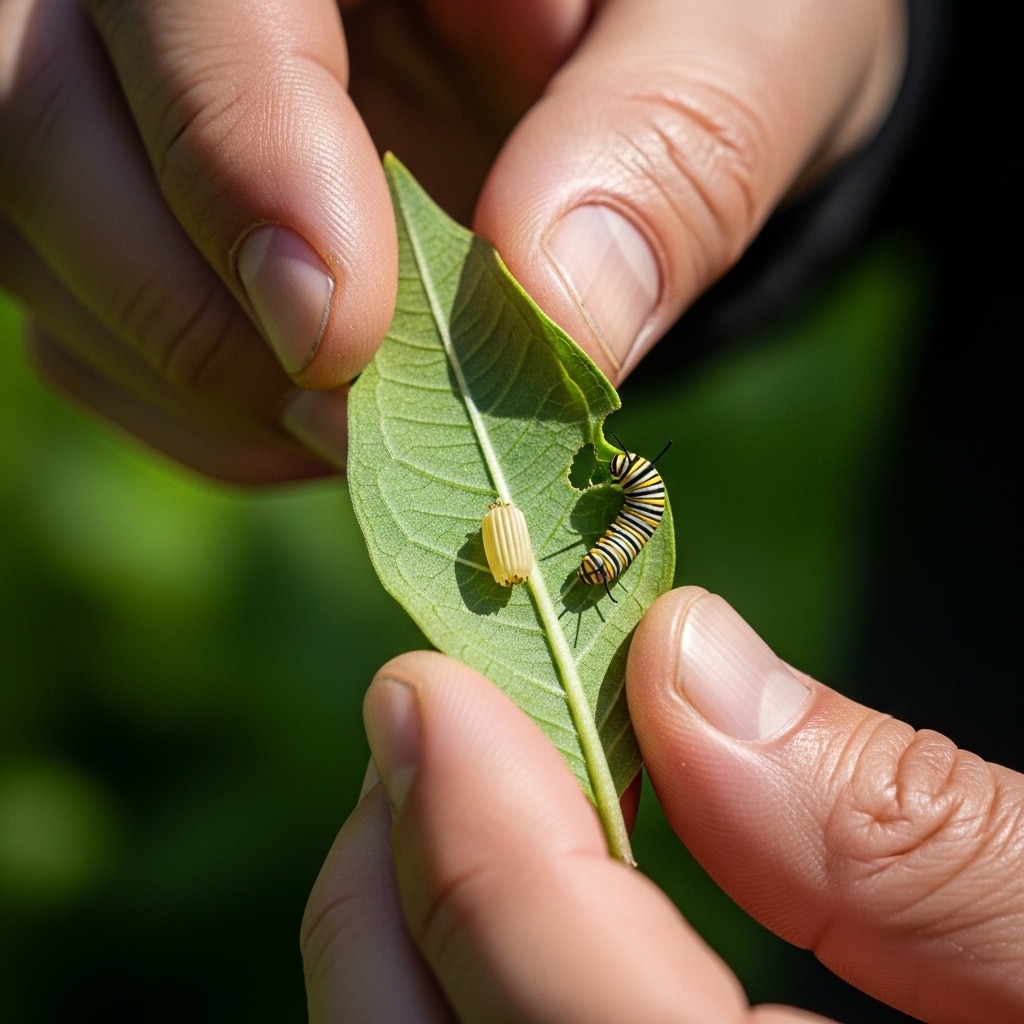
Gathering monarch eggs and caterpillars is a vital step in rearing them at home. It’s essential to do this responsibly to ensure both the health of your butterflies and the wild population.
Identify Healthy Monarch Eggs and Caterpillars
To start, you need to know what to look for. Monarch eggs are tiny, about 1 mm, and cream-colored. They’re usually found on the underside of milkweed leaves. Young caterpillars, or instars, are often small and striped with yellow, black, and white.
When searching for caterpillars, look for milkweed leaves with holes. This indicates that a hungry caterpillar is nearby. If you spot larger, late-instar caterpillars, they might be on the top of the leaves or even the flowers.
Best Practices for Collecting Without Harm
When collecting, follow these guidelines:
- Limit Your Take: Aim for about 10 eggs or caterpillars at a time. This helps avoid overcrowding in your rearing setup.
- Inspect the Leaves: Check both sides of the leaves carefully. This will help you find eggs and young caterpillars that are harder to spot.
- Use Clean Containers: Have a separate container for each collection to keep them safe and healthy.
Avoiding Over-collection from Wild Populations
It’s crucial to respect wild populations. Here’s how to collect responsibly:
- Take Only What You Need: Don’t strip a single plant bare. Leave enough for the local ecosystem.
- Check for Health: Ensure the plants are free from pesticides and diseases before collecting.
- Educate Yourself: Understand your local ecosystem. This knowledge can help you make better choices while collecting.
By following these practices, you’ll ensure a healthy start for your monarchs while contributing to conservation efforts. If you’re looking for a complete set of tools for this journey, consider a Monarch Butterfly Rearing Kit for all the essentials you need. Check Price on Amazon.
Step 4: Care for Your Caterpillars

Caring for your caterpillars is a vital part of rearing monarchs. Proper feeding and monitoring ensure they grow into healthy butterflies. Let’s dive into how to keep your caterpillars thriving!
Feeding Schedules and Fresh Milkweed Needs
Monarch caterpillars are hungry little munchers! They primarily eat milkweed, which is essential for their health. Here are some guidelines for feeding:
- Fresh Milkweed Daily: Always provide fresh milkweed. Caterpillars can eat through a lot quickly, so check daily.
- Variety Matters: Offer different species of milkweed. This diversity can enhance their growth and health.
- Feeding Schedule: Here’s a simple feeding template:
| Day | Task |
|---|---|
| Daily | Replace wilted or soiled leaves |
| Every 3 Days | Check for fresh milkweed supply |
| Weekly | Inspect for new growth and health |
Monitoring Caterpillar Health
Keeping an eye on your caterpillars is key. Watch for these health indicators:
- Signs of Illness: Look for discolored spots, lethargy, or abnormal behavior. If you notice these, it may be time to act.
- Remove Sick Caterpillars: If a caterpillar appears sick, remove it immediately to prevent spreading illness.
- Clean Environment: Regularly clean the area where they live. This includes changing paper towels and removing frass (caterpillar poop) to reduce disease risk.
Common Issues and Solutions
Caterpillars can face a few challenges. Here are solutions to common problems:
- Overcrowding: If you have too many caterpillars in one space, they can stress each other. Aim for a spacious environment, with 6-10 caterpillars per 2ft x 2ft cage.
- Pests: Keep an eye out for pests that may harm your caterpillars. If you find any, remove them carefully without disturbing the caterpillars.
- Sick Plants: Ensure your milkweed is healthy and pesticide-free. Sick plants can lead to sick caterpillars.
By following these care tips, you’ll set your caterpillars up for a successful transformation into beautiful monarch butterflies!
Step 5: Transition to the Chrysalis Stage
Getting your caterpillars ready for the chrysalis stage is an exciting part of rearing monarchs. This stage is where the real magic happens as they prepare to transform into butterflies. Here’s how to guide them through this critical phase.
Creating a Safe Environment for Pupation
Before your caterpillars pupate, ensure they have a secure space. Here’s what you need to do:
- Choose the Right Enclosure: Use a net butterfly cage. This allows for good airflow and keeps humidity in check.
- Add Support: Attach twigs or mesh netting inside the cage. This helps caterpillars hang securely in a “J” shape when they pupate.
- Maintain Ideal Conditions: Keep the temperature between 70°F and 85°F (21°C to 29°C). Mist lightly once a day to maintain moderate humidity.
Identifying When Caterpillars are Ready to Pupate
Knowing when your caterpillars are ready is key. Look for these signs:
- Size Matters: Caterpillars typically pupate after 9-14 days. They should be large and well-fed.
- Behavior Change: They will wander around the top of the cage and may stop eating.
- J Shape: Watch for them to hang upside down in a “J” shape. This is their cue to pupate.
Signs of a Healthy Chrysalis
After the caterpillars transition to chrysalis, monitor their progress. Here’s what to look for:
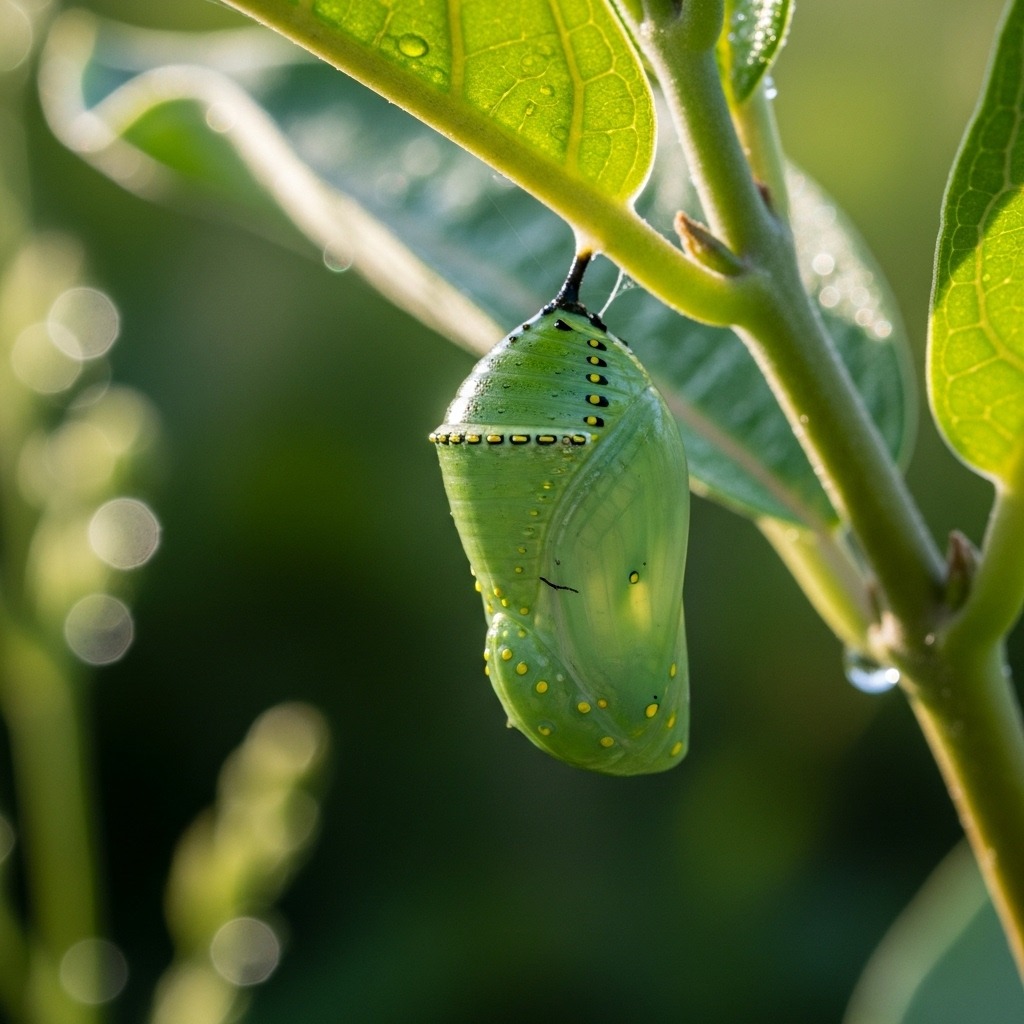
- Color Change: A healthy chrysalis is often green and shiny. This indicates a good development process.
- Firmness: It should feel solid and not soft or squishy. A firm chrysalis indicates a healthy pupation.
- Duration: The chrysalis stage lasts about 10 days. Mark your calendar, but keep it stress-free for them!
By following these steps, you’ll set the stage for a successful metamorphosis. Watching this process unfold is rewarding and educational. It’s a direct link to nature that helps in conservation efforts, too!
Step 6: Release Your Monarch Butterflies
Releasing your butterflies is an exciting moment! It’s the final step in your rearing journey. But timing and technique are key for a successful release.
Optimal Timing for Release
The best time to release your monarchs is on a warm, sunny day. Here’s what to keep in mind:
- Temperature: Ensure it’s at least 55°F (13°C). Monarchs are cold-blooded and can’t fly when it’s too chilly.
- Weather Conditions: Avoid windy or rainy days. These conditions can stress the butterflies and hinder their ability to fly.
- Time of Day: Late morning or early afternoon is ideal. This is when temperatures are usually warmest.
Safe Release Techniques
When you’re ready to release your butterflies, follow these steps:
1. Calm Environment: Choose a quiet spot away from loud noises or disturbances.
2. Gentle Handling: Extend your finger in front of the butterfly’s legs. Let it walk onto your finger.
3. Slow Movement: Carefully bring the butterfly outside without touching its wings.
4. Release: Once outside, gently let it go and watch as it takes its first flight!
Post-Release Monitoring
After releasing your monarchs, keep an eye on them. Here’s how:
- Observe Behavior: Watch how they interact with flowers and the environment. They should start foraging for nectar.
- Document: Take notes or photos. This can help you track their progress and learn for future releases.
- Check for Challenges: Sometimes, butterflies may struggle. Look out for any signs of distress or difficulty flying.
By following these steps, you ensure a smooth transition for your butterflies back into nature. It’s not just a release; it’s a small contribution to their conservation and your own experience in nature!
Step 7: Maintain Hygiene and Prevent Diseases
Healthy butterflies need a clean environment. Keeping your habitat tidy is essential for the well-being of your monarchs. Let’s dive into some effective hygiene practices to prevent diseases.
Cleaning and Sanitizing Your Habitat
Start by regularly cleaning the habitat where your caterpillars and butterflies live. Here are the key steps:
- Daily Checks: Inspect for droppings and leftover food. Remove waste to keep the area clean.
- Wash Containers: Use mild soap and water to clean containers. Rinse them thoroughly to avoid any soap residue.
- Sanitize with Care: Occasionally, sanitize surfaces with a solution of 1 part vinegar to 3 parts water. This helps kill harmful bacteria.
- Avoid Harsh Chemicals: Steer clear of pesticides and harsh cleaners. They can harm your butterflies.
Signs of Common Monarch Diseases
Being able to recognize symptoms of diseases is crucial. Here are some signs to watch for:
- Discolored Wings: Look for spots or discoloration on wings, a sign of viral infections.
- Lethargy: If caterpillars are sluggish and not eating, they might be sick.
- Abnormal Growth: Watch for stunted growth or deformities. This could indicate a parasitic infection.
Preventative Measures to Protect Your Caterpillars
Prevention is always better than cure. Here’s how to keep your butterflies healthy:
- Provide Fresh Milkweed: Always use fresh, chemical-free milkweed. This is the primary food source for caterpillars.
- Control Humidity: Maintain a balanced humidity level in the habitat. Too much moisture can lead to mold and disease.
- Monitor Temperature: Keep the habitat at a stable temperature. Extreme swings can weaken the caterpillars.
- Limit Handling: Handle caterpillars and butterflies as little as possible. This reduces stress and the risk of injury.
By following these hygiene practices, you can create a safe environment for your monarchs and help them thrive.
Step 8: Educate Others About Monarchs
Spreading the word about monarch butterflies is vital for their conservation. When you share what you know, you help create a community that cares. Here are some ways to get started.
Creating Awareness in Your Community
Get your friends and neighbors excited about monarchs! Here are some simple ideas:
- Host a Butterfly Garden Workshop: Share tips on planting milkweed and nectar plants.
- Organize a Butterfly Walk: Take a group to a local park or garden to observe monarchs in their natural habitat.
- Create Informative Flyers: Hand them out at community centers. Include fun facts about the monarch’s life cycle.
Educational Resources and Activities
Make learning about monarchs fun! Here are some resources and activities you can use:
- Books and Documentaries: Share engaging books or films about monarchs. This can spark interest and inspire action.
- Art Projects: Encourage kids to draw or paint butterflies. This helps them connect emotionally with these creatures.
- Citizen Science Projects: Get involved in local efforts to track monarch populations. This is a great way to engage the community while contributing to real conservation work.
Involving Schools and Groups
Schools are perfect places to spread knowledge. Here’s how to involve them:
- Presentations: Offer to speak at local schools about the importance of monarchs and their habitats.
- School Gardens: Help set up butterfly gardens at schools. This hands-on approach teaches kids about nature.
- Partnerships with Environmental Groups: Collaborate with local conservation organizations for events and workshops.
Quick Checklist for Community Engagement
| Activity Type | Description |
|---|---|
| Workshops | Teach planting and caring for milkweed. |
| Nature Walks | Observe and learn about local monarchs. |
| School Involvement | Create gardens and give presentations. |
| Art and Science | Encourage creative and scientific projects. |
By educating others, you’re not just helping monarchs—you’re building a community that values nature. Your passion can inspire others to take action, making a real difference in conservation efforts.
Step 9: Monitor Your Progress and Share Results
Tracking your progress while rearing monarchs can be a rewarding experience. It helps you learn and contributes to conservation efforts. Plus, sharing your journey can inspire others!
Keeping a Rearing Journal
Start by documenting your journey in a rearing journal. This can be as simple as a notebook or a digital document. Record important details such as:
- Egg and Caterpillar Dates: Note when you find eggs or caterpillars.
- Feeding Schedule: Write down what and when you feed them.
- Growth Changes: Track any changes as they progress through their stages.
- Challenges: Document any problems you encounter and how you resolve them.
This journal will help you reflect on what worked and what didn’t. It can also serve as a useful resource for future rearing projects.
Sharing Your Journey on Social Media
Social media is a fantastic platform to share your experiences. Consider these tips:
- Post Updates: Share photos and stories about your caterpillars as they grow.
- Use Hashtags: Tag your posts with relevant hashtags like #MonarchButterflies or #ButterflyConservation to reach a wider audience.
- Engage with Others: Join groups focused on butterfly rearing. Share tips, ask questions, and connect with fellow enthusiasts.
Your posts can encourage others to start their own rearing projects!
Participating in Citizen Science Projects
Engage in citizen science to contribute to conservation efforts. Many organizations welcome data from butterfly raisers. Here’s how you can get involved:
- Record Your Findings: Share data about the life stages of the monarchs you rear. This information helps scientists track population trends.
- Join Local Projects: Participate in local butterfly counts or habitat restoration efforts. These initiatives often need volunteers to help monitor butterfly populations.
By taking part in these projects, you’re not just raising butterflies; you’re making a positive impact on their future!
Frequently Asked Questions
These quick answers cover the most common questions about this topic, including key details, practical tips, and common concerns.
How to raise monarch butterflies at home?
Raising monarchs involves creating a suitable habitat, sourcing milkweed, collecting eggs or caterpillars responsibly, and caring for them through their life cycle stages. Use mesh containers for ventilation, keep the environment clean, and provide fresh milkweed daily. Monitoring health and avoiding pesticides are essential for success.
Can I release butterflies in October?
Yes, you can release monarchs in October if the weather is warm and sunny. Ensure daytime temperatures are above 55°F (13°C), and avoid releasing during rain or strong winds. Releasing in late morning or early afternoon helps butterflies fly and find nectar sources.
What is a butterfly’s biggest enemy?
Predators like birds, spiders, and wasps pose significant threats. Pesticides and habitat loss also severely impact monarch populations. Diseases such as OE (Ophryocystis elektroscirrha) can weaken or kill butterflies, making healthy environments crucial for rearing and conservation.
Can monarch butterflies hear humans?
Monarch butterflies are insects with limited sensory capabilities. They do not hear humans. Instead, they respond to environmental cues like sunlight, temperature, and floral scents. Handling them gently minimizes stress but does not involve auditory communication.
How long does it take for a caterpillar to become a butterfly?
The entire process from egg to butterfly typically takes about 4 to 6 weeks. Caterpillars grow through several instars over 9-14 days, then pupate for about 10 days in the chrysalis stage before emerging as adult butterflies.
What should I do if my caterpillars get sick?
Remove any sick or discolored caterpillars immediately to prevent disease spread. Ensure their environment is clean, and provide fresh, pesticide-free milkweed. Avoid handling them excessively and monitor for signs of illness, such as lethargy or deformities.
Can I raise monarchs in a classroom setting?
Yes, classroom rearing can be educational and fun. Use a transparent, ventilated container, and teach students about the monarch life cycle, conservation, and environment. Ensure proper hygiene and supervision to keep caterpillars healthy and safe.
What are the signs of a healthy caterpillar?
Healthy caterpillars are active, feeding regularly, and growing in size. They have bright, consistent coloration without spots or deformities. They also exhibit normal movement and behavior, indicating good health and proper nutrition.
What is the best way to find monarch eggs?
Look on the underside of milkweed leaves for tiny, cream-colored eggs about 1 mm in size. Early morning or late afternoon are good times for observation. Carefully inspect multiple plants, especially during peak breeding season, to locate eggs or small caterpillars.
What is the lifespan of a monarch butterfly?
In the northern parts of North America, monarchs typically live 2 to 6 weeks as adults. However, the migratory generation that overwinters can live up to 8 months. Their lifespan depends on environmental conditions and whether they participate in migration.