
A fully grown balsam fir tree can be recognized by its height, typically between 40 to 70 feet, its distinctive flat needles that are dark green above and silvery below, and its cone-shaped crown. The bark is smooth and grayish-brown with resin blisters, making it unique among conifers.
The balsam fir (Abies balsamea) is a popular tree species known for its beauty and fragrance. It is primarily found in the northeastern United States and Canada. This evergreen tree is part of the Pinaceae family and thrives in cooler climates. Understanding how to identify a fully grown balsam fir can enhance your appreciation of these majestic trees, whether you are hiking in the woods or selecting a Christmas tree.
To identify a fully grown balsam fir tree, several characteristics come into play. These features include the tree’s size, leaf shape, bark texture, and overall structure. Balsam firs are often confused with other fir species, but knowing their specific traits helps in accurate identification.
Key Characteristics of Balsam Fir Trees
When trying to identify a fully grown balsam fir tree, you should consider the following key characteristics:
- Height: Fully grown balsam fir trees typically reach heights of 40 to 70 feet.
- Needles: The needles are flat, about 1 inch long, and dark green on top with a silvery-white stripe underneath.
- Bark: The bark is smooth with resin blisters and grayish-brown in color.
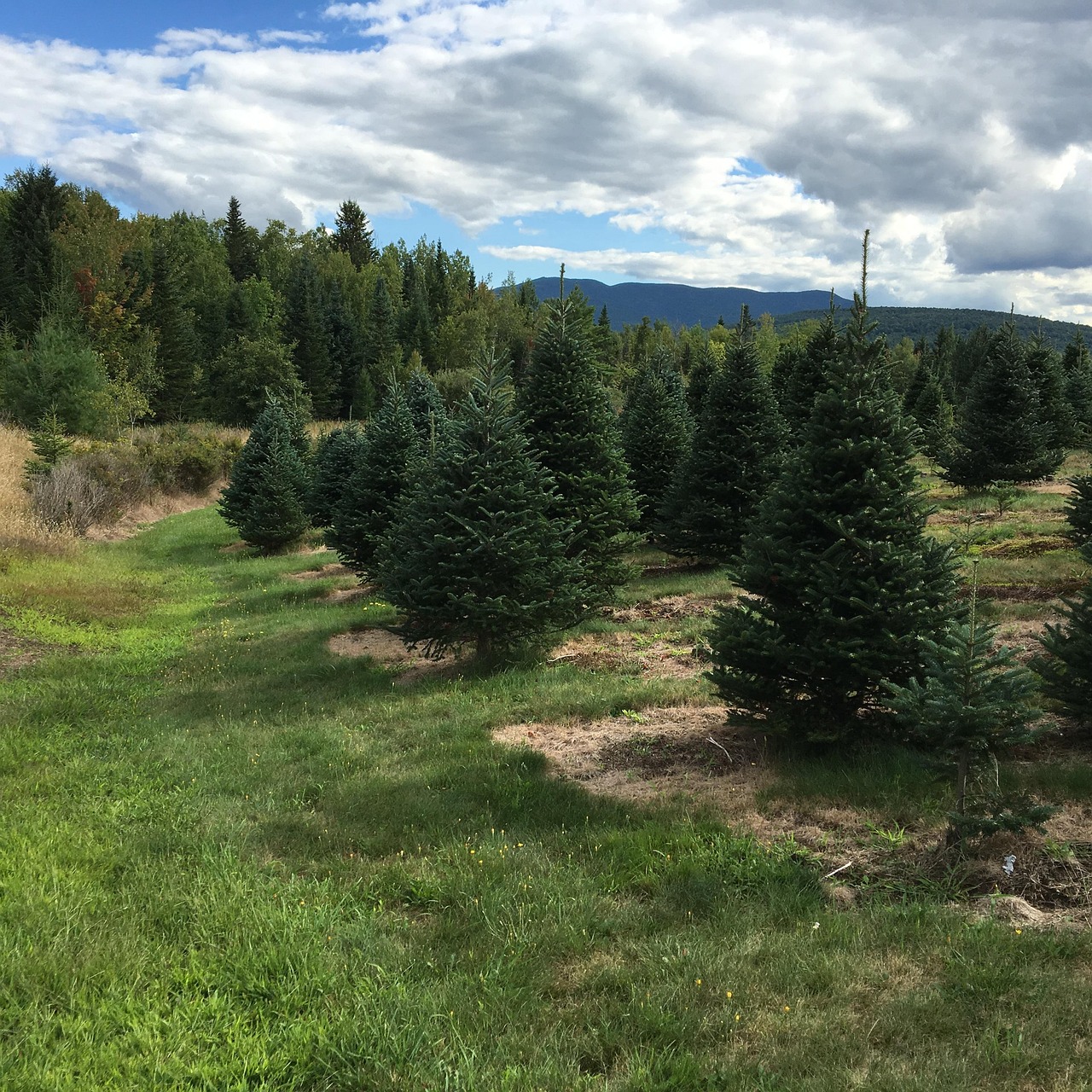
- Crown Shape: The crown of a balsam fir is usually conical or pyramidal, especially when young.
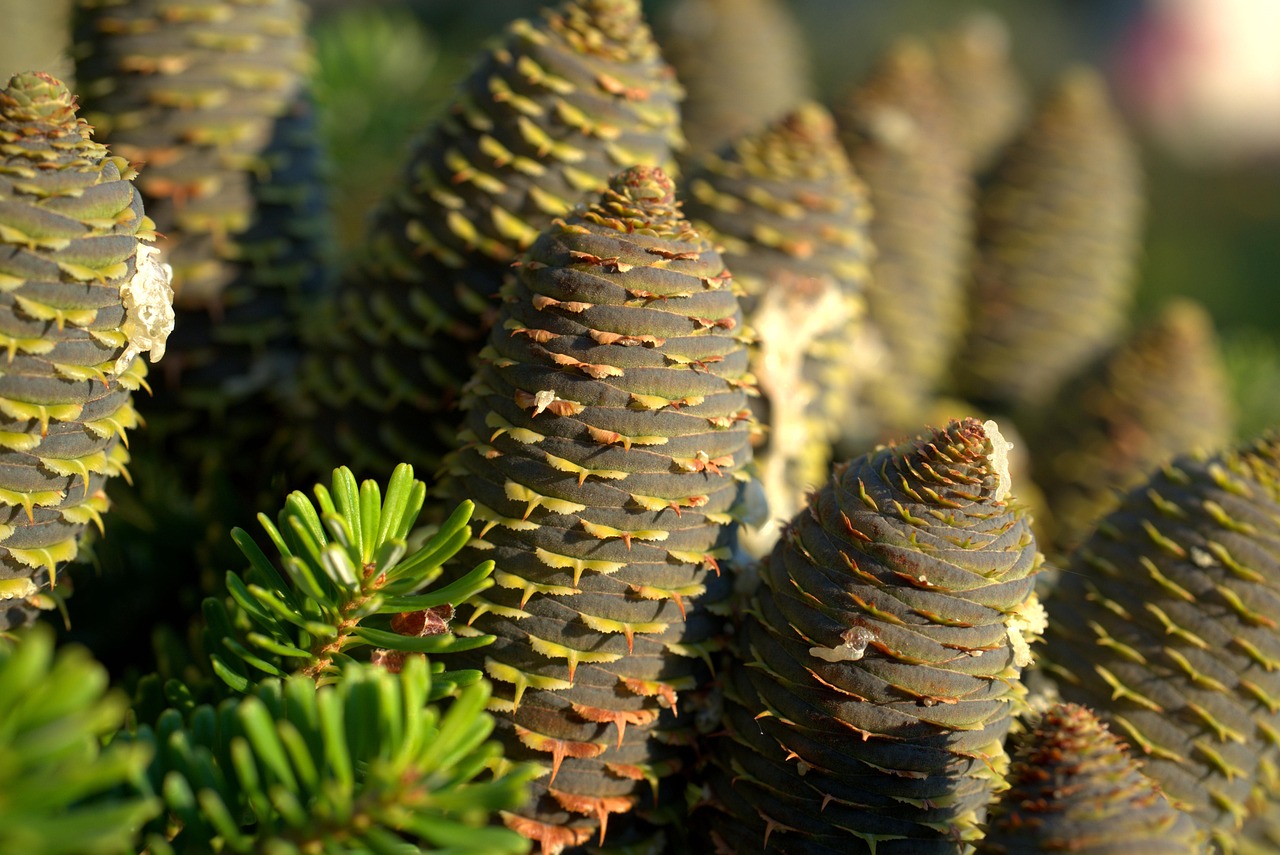
- Cones: The cones are cylindrical, about 2 to 4 inches long, and hang down from the branches.
These characteristics not only help in recognizing the balsam fir but also differentiate it from similar species, such as the Fraser fir and the spruce trees. The flat needles are particularly distinguishing, as most other firs have more rounded or needle-like leaves.
Habitat and Growth Conditions
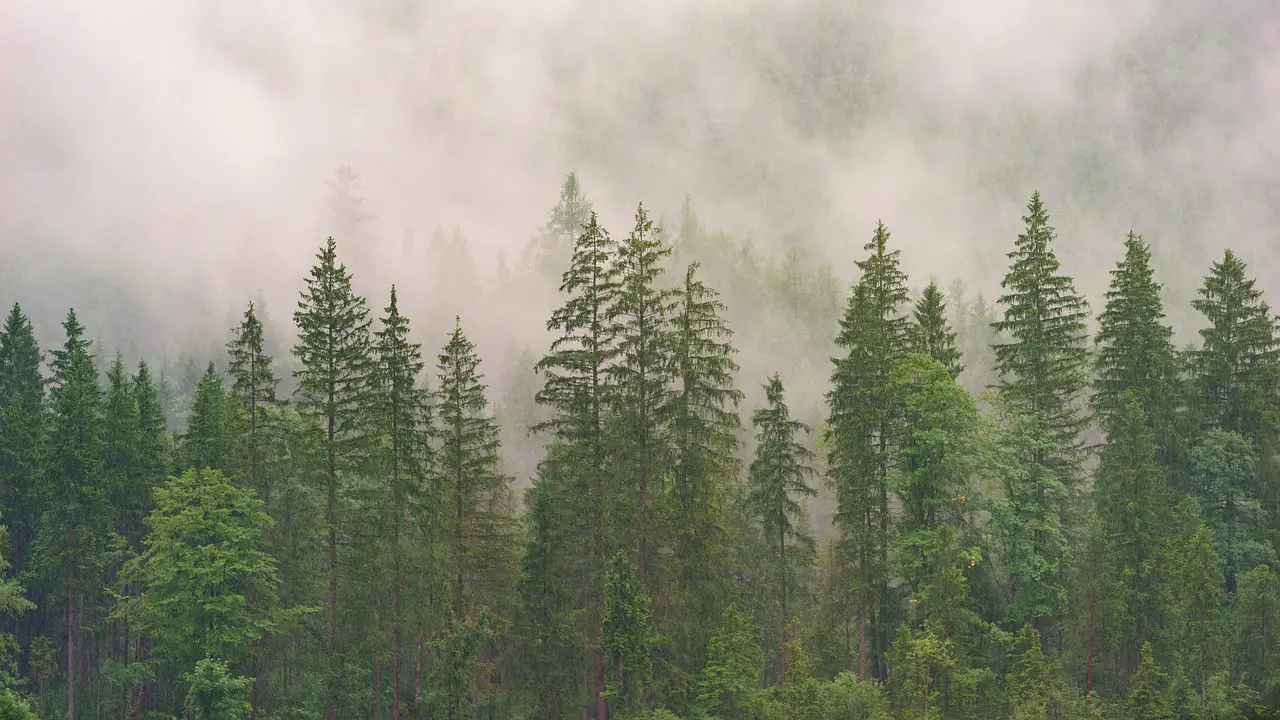
The balsam fir typically grows in moist, well-drained soils and is often found in mixed forests. It prefers cooler climates and can thrive in areas with heavy snowfall. This tree species plays an essential role in its ecosystem by providing habitat for various wildlife species.
The balsam fir is often associated with other tree species, including:
- Red spruce
- Sugar maple
- Yellow birch
- Eastern hemlock
These associations can vary based on geographical location and environmental conditions. The competition for sunlight and nutrients affects the growth patterns of balsam fir trees, leading to variations in their physical characteristics.
Growth Rate and Lifespan
Balsam fir trees have a moderate growth rate. They can grow anywhere from 12 to 24 inches per year under optimal conditions. However, their growth can slow down significantly if they are not planted in suitable environments. The average lifespan of a balsam fir can range from 30 to 50 years, although some individuals can live longer under ideal conditions.
In terms of reproduction, balsam fir trees produce cones that release seeds. These seeds usually germinate in the spring. Understanding their reproductive cycle is essential for conservation efforts and sustainable forestry practices.
Visual Identification Guide
A visual guide can greatly assist in recognizing a fully grown balsam fir tree. The following table summarizes essential features for easy identification:
| Feature | Description |
|---|---|
| Height | 40 to 70 feet |
| Needles | Flat, dark green above, silvery below |
| Bark | Smooth, grayish-brown with resin blisters |
| Crown Shape | Pyramidal or conical |
| Cones | Cylindrical, hanging down from branches |
This guide provides quick reference points to help identify a fully grown balsam fir tree effectively. With these characteristics in mind, you can confidently recognize this beautiful evergreen in its natural habitat or in cultivated settings.
Ecological Importance of Balsam Fir Trees
Balsam fir trees play a significant role in their ecosystem. They contribute to biodiversity, providing habitat and food for various species. By understanding their ecological importance, we can appreciate the value these trees bring to our environment.
One of the key ecological benefits of balsam firs includes:
- Wildlife Habitat: Balsam fir trees provide essential habitat for many bird species, mammals, and insects. Their dense foliage offers shelter and nesting sites.
- Food Source: The needles and seeds of balsam fir trees serve as food for numerous animals, including deer, squirrels, and various bird species.
- Carbon Sequestration: Like other trees, balsam firs absorb carbon dioxide from the atmosphere, helping to mitigate climate change.
- Soil Stabilization: The root systems of balsam firs help prevent soil erosion and maintain soil health.
By fostering a diverse ecosystem, balsam fir trees support various flora and fauna, enriching the natural landscape. Their presence is crucial for maintaining ecological balance in forested areas.
Cultural Significance of Balsam Fir Trees
The balsam fir tree holds cultural significance for many communities. It is often associated with holiday traditions and has been used for various purposes throughout history.
Some aspects of the cultural significance include:
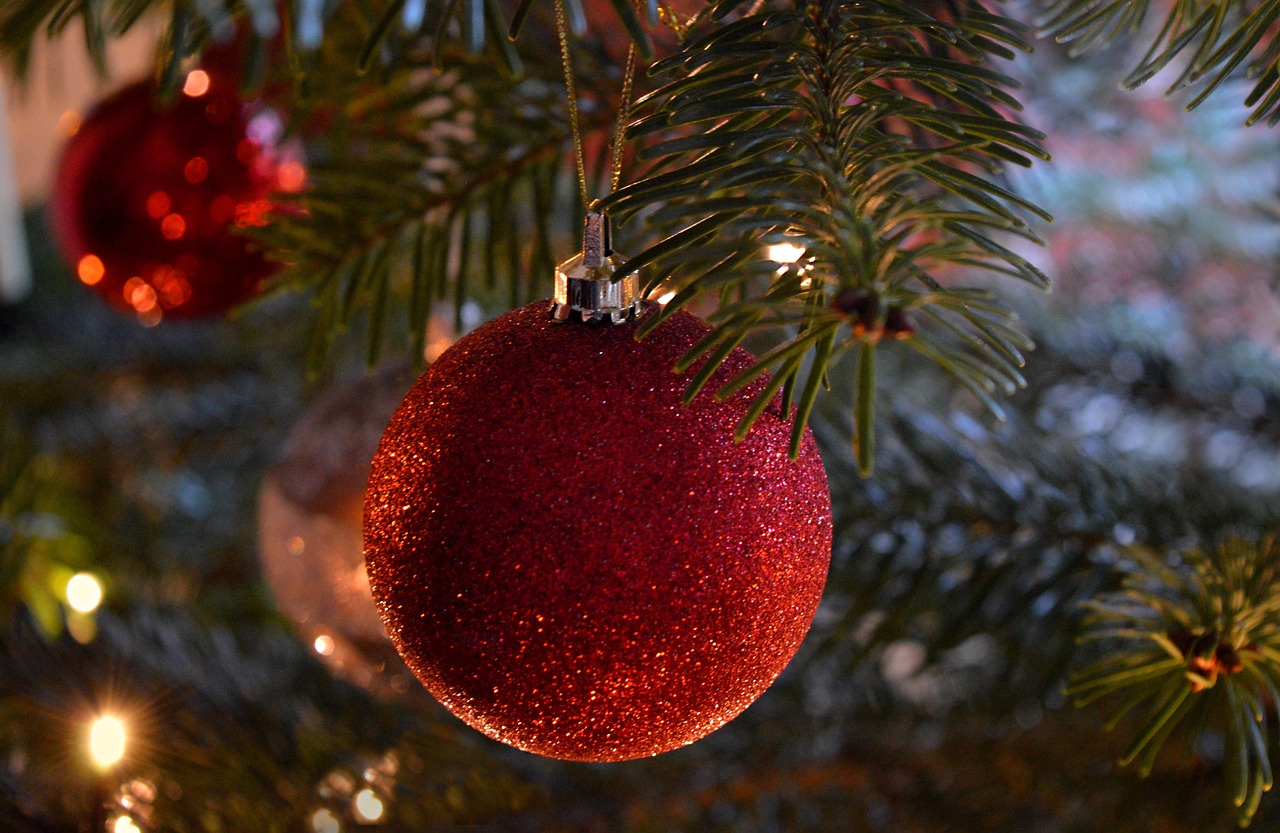
- Christmas Trees: Balsam fir trees are a popular choice for Christmas trees due to their fragrant needles and symmetrical shape.
- Traditional Uses: Indigenous peoples have used balsam fir for medicinal purposes and as a source of resin for various applications.
- Symbolism: In many cultures, evergreen trees like the balsam fir symbolize resilience and eternal life, serving as a reminder of nature’s enduring beauty.
Understanding the cultural significance of balsam fir trees helps to appreciate their role beyond just environmental factors. They are woven into the traditions and practices of many communities.
Common Diseases and Pests Affecting Balsam Fir Trees
Balsam fir trees, while resilient, are susceptible to certain diseases and pests that can affect their health and growth. Awareness of these threats is crucial for maintaining healthy populations of these trees.
The most common diseases include:
- Root Rot: This disease is caused by various fungi that attack the roots, often leading to tree decline or death.
- Balsam Woolly Adelgid: This pest targets the bark and can cause significant damage by feeding on tree sap.
- Needle Cast: Fungal infections can lead to needle drop, impacting the tree’s overall appearance and health.
To combat these issues, it is essential to monitor tree health regularly. Here are some preventive measures you can take:
- Maintain proper soil drainage to prevent root rot.
- Avoid overcrowding during planting to ensure adequate air circulation.
- Use insecticides or fungicides as needed, following local regulations.
Caring for Balsam Fir Trees in Landscaping
If you choose to plant a balsam fir in your landscape, proper care will help it thrive. Here are some tips on how to care for your balsam fir tree:
- Siting: Select a location with full sun to partial shade. Ensure the area has well-drained soil.
- Watering: Water the tree regularly during dry spells, especially in its early years. Avoid waterlogging the roots.
- Mulching: Apply organic mulch around the base to retain moisture and suppress weeds.
- Pruning: Prune in late winter or early spring to maintain shape and remove any dead or diseased branches.
By following these care guidelines, you can enjoy a healthy and vibrant balsam fir tree in your landscape. These trees not only enhance aesthetic appeal but also contribute positively to the environment.
Conclusion of Section
This section focused on the ecological importance, cultural significance, common diseases and pests, as well as care tips for balsam fir trees. Understanding these aspects helps deepen our appreciation for this remarkable species.
Identifying Balsam Fir Trees in Different Seasons
Recognizing a fully grown balsam fir tree can vary depending on the season. Each time of year presents unique characteristics that can assist in identification. Understanding how to identify these trees in different seasons enhances your ability to spot them throughout the year.
Spring Identification
In spring, balsam fir trees begin to show their new growth. This is a great time to observe the following features:
- New Growth: Look for bright green shoots emerging from the tips of branches. These new needles are softer and lighter in color compared to older needles.
- Cones: Young cones may be visible, often green in color and standing upright on the branches.
- Bark Texture: The bark may appear smoother as new growth starts, with resin blisters becoming more prominent.
Spring is an excellent time to appreciate the fresh, vibrant growth of balsam fir trees, making them easier to identify among other conifers.
Summer Identification
During summer, balsam fir trees are in full foliage. Key identification features during this season include:
- Dense Foliage: The tree’s dark green needles create a rich and full appearance. The distinct flatness of needles can be easily observed with a closer look.
- Cones: Cones mature during the summer months and can be found hanging down from branches, turning brown as they reach maturity.
- Crown Shape: The conical shape of the crown becomes more defined, making it easier to differentiate from other evergreen species.
The lush foliage not only aids in identification but also highlights the tree’s beauty, making it an ideal time for nature walks or hikes where balsam firs are present.
Autumn Identification
In autumn, balsam fir trees begin to show signs of seasonal change. Observing them during this time provides additional identifying characteristics:
- Color Change: While balsam fir needles remain green year-round, the contrast with changing foliage from deciduous trees can help in spotting them among other trees.
- Bark Changes: The bark may appear more textured as temperatures drop, and the resin blisters can become more pronounced.
- Seed Dispersal: Mature cones may begin to drop seeds, providing an opportunity to see seedlings emerging nearby.
Autumn is a great season for exploring forests, as the contrast of colors allows for easier identification of balsam firs amidst the fall foliage.
Winter Identification
Even in winter, balsam fir trees retain characteristics that make them identifiable. Here are key features to look for:
- Evergreen Needles: The dark green needles stand out against the white snow, making balsam firs easily recognizable in winter landscapes.
- Cone Shape: The cones remain on the branches during winter, often hanging downwards and visible even through snow cover.
- Bark Texture: The smooth, grayish-brown bark with resin blisters is still noticeable and helps in identification.
The structure of balsam fir trees during winter creates a dramatic silhouette against the snow, allowing for easy visual identification even without foliage.
Common Misidentifications
Balsam firs can be confused with several other tree species. Being aware of these common misidentifications can help you distinguish them more effectively:
- Fraser Fir: Similar in appearance but typically has softer needles and a more pronounced fragrance. The cones are also smaller and tend to grow upright.
- White Spruce: White spruce has sharper needles that are round in cross-section. The bark is also more scaly compared to the smoother bark of balsam fir.
- Noble Fir: Noble firs have longer needles that are more spaced out and a broader crown shape compared to the more conical shape of balsam firs.
Familiarizing yourself with these differences will enhance your ability to accurately identify balsam fir trees while out in nature. By paying close attention to needle shape, cone characteristics, and bark texture, you can confidently distinguish these magnificent trees from their relatives.
Balsam Fir Trees in Urban Environments
Balsam fir trees are often used in landscaping and urban settings. Their aesthetic appeal and adaptability make them suitable choices for various applications. Here are some considerations for planting balsam firs in urban environments:
- Aesthetic Value: Balsam firs add beauty and greenery to urban landscapes, providing a natural contrast to buildings and sidewalks.
- Shade and Cooling: These trees can provide shade during hot summer months, helping to reduce energy costs in nearby buildings.
- Pest Resistance: Balsam firs generally have fewer pest problems compared to other species, making them suitable for urban planting where stress factors are higher.
When planting balsam firs in urban areas, it is essential to consider factors such as soil quality, space for growth, and potential competition from surrounding vegetation. By ensuring proper planting conditions, these trees can thrive even in challenging urban environments.
Additional Uses of Balsam Fir Trees
Balsam fir trees are not only valued for their aesthetic appeal and ecological benefits but also have various practical applications. Understanding these uses can further enhance appreciation for this remarkable species.
Wood Products
The wood of the balsam fir is lightweight and soft, making it suitable for several applications:
- Construction: The wood is used in framing and interior finishes due to its workability and relatively low cost.
- Pulp and Paper: Balsam fir wood is often processed into pulp for paper manufacturing.
- Furniture: The wood can be utilized in making furniture, especially items that benefit from a light color and fine grain.
Essential Oils
Balsam fir trees produce a fragrant resin that is extracted for essential oils. These oils are popular in aromatherapy and natural products:
- Aromatherapy: The oil is known for its calming and refreshing properties, often used in diffusers and massage oils.
- Natural Cleaning Products: Balsam fir oil can serve as a natural disinfectant and deodorizer.
Medicinal Uses
Historically, various parts of the balsam fir tree have been used in traditional medicine. Some potential medicinal uses include:
- Anti-inflammatory Properties: The resin has been traditionally used to soothe aches and pains.
- Cough Relief: Infusions made from the needles may help relieve coughs and respiratory issues.
Environmental Role of Balsam Fir Trees
The environmental significance of balsam fir trees extends beyond their physical presence. They contribute to ecosystem health and stability:
- Habitat for Wildlife: Balsam firs provide shelter and food sources for birds, insects, and mammals. They are particularly crucial for species such as the northern flying squirrel and various woodpeckers.
- Water Regulation: By maintaining moisture levels in the soil, balsam firs play a role in regulating local water cycles.
- Soil Health: Their leaf litter enriches the soil with nutrients, supporting a diverse undergrowth.
Challenges Facing Balsam Fir Trees
Despite their numerous benefits, balsam fir trees face several challenges that can impact their populations:
- Climate Change: Changes in temperature and precipitation can affect growth patterns and increase susceptibility to pests and diseases.
- Urban Development: Expansion of urban areas can lead to habitat loss and fragmentation, threatening local balsam fir populations.
- Pest Infestations: As mentioned earlier, pests like the balsam woolly adelgid pose significant threats to the health of these trees.
Addressing these challenges requires concerted efforts in conservation, sustainable forestry practices, and public awareness to protect balsam fir populations for future generations.
Final Thoughts
Recognizing a fully grown balsam fir tree involves understanding its distinctive features, ecological importance, and practical applications. From their striking appearance to their role in the ecosystem, balsam fir trees are invaluable assets to both natural landscapes and urban environments. By learning about their characteristics through the changing seasons, we can appreciate their beauty year-round.
The cultural significance, coupled with their contributions to wildlife habitats and environmental health, underscores the need for awareness and conservation efforts. As we face challenges such as climate change and urbanization, protecting balsam fir trees becomes increasingly important. By fostering a deeper understanding of these magnificent trees, we can ensure their presence continues to enrich our forests and communities for years to come.
Ultimately, whether you encounter a balsam fir while hiking, selecting a tree for the holidays, or appreciating its role in the ecosystem, recognizing its value enhances our connection to nature. Balsam fir trees embody resilience and beauty, making them a cherished part of our natural heritage.