
Repotting plants is the process of transferring them to a larger container with fresh soil, which helps them grow healthier and thrive. I’ve found that repotting not only allows plants to expand their roots but also refreshes the nutrients they need to flourish. For specific plants like aloe vera, understanding how to care for them can be essential. How to Care for Aloe Vera Plant (Complete Guide) is a great resource to explore.
Understanding the Basics of Repotting
What is Repotting?
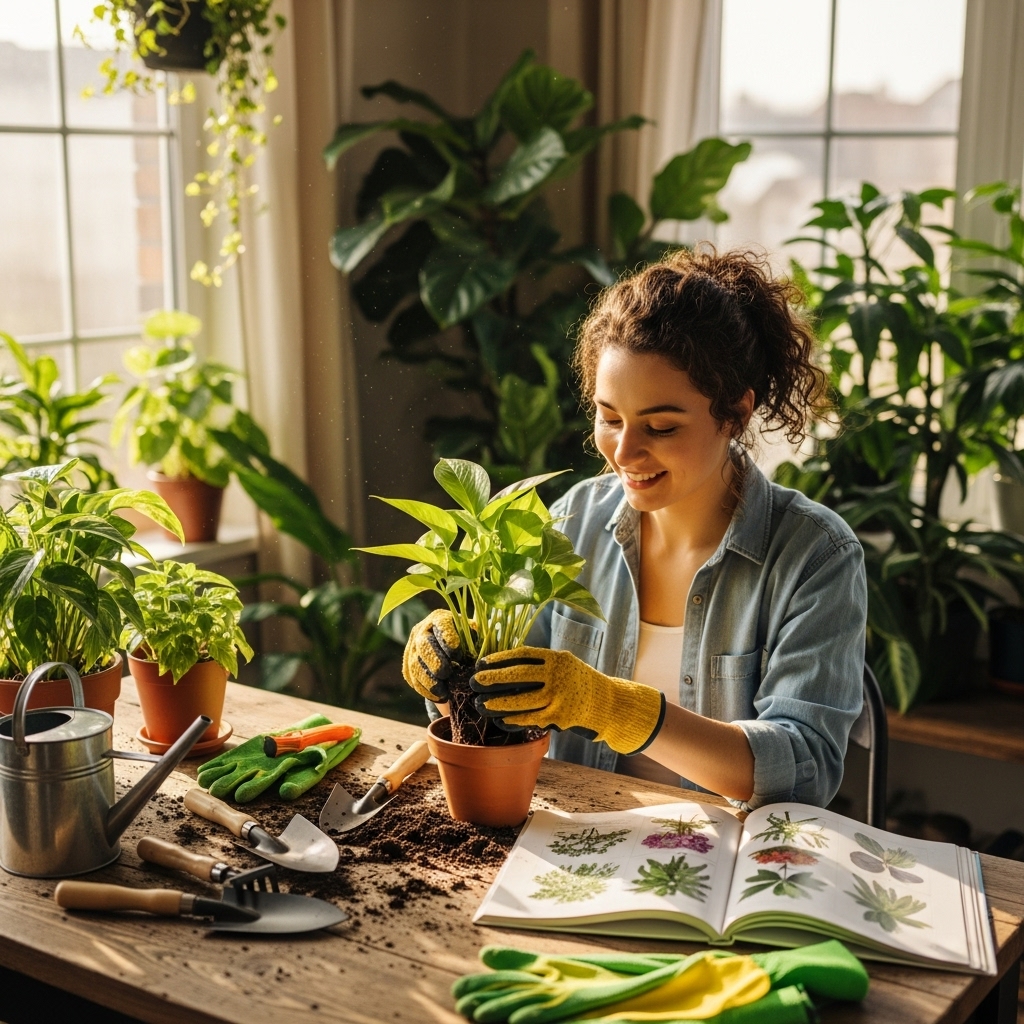
Repotting is simply the act of moving a plant from one pot to another, usually into a container that is larger than the previous one. I remember when I first started gardening, I was surprised to learn that this process isn’t just about changing the pot; it’s a key part of plant care. Repotting involves replacing old soil with new, which can replenish nutrients that have been depleted over time. It’s an essential practice for keeping indoor and outdoor plants healthy.
Why is Repotting Necessary?
As plants grow, their roots start to fill the pot. This is often referred to as being root-bound, where the roots have no room to expand. I’ve seen my plants struggle when they’ve been left in the same pot for too long. Repotting helps to prevent this by giving the roots a chance to spread out, which in turn supports the overall health of the plant. In my experience, when plants are root-bound, they may show signs of stress, such as stunted growth or yellowing leaves, so it’s vital to keep an eye on them.
Benefits of Repotting Plants
Repotting offers several benefits that can significantly enhance the health and vitality of your plants. Here are a few key advantages I’ve noticed:
- Room to Grow: A larger pot gives roots the space they need to expand, which supports stronger growth. I’ve seen my plants thrive when they have room to breathe.
- Nutrient Renewal: New soil contains fresh nutrients that can help your plant recover from nutrient depletion. Each time I repot, I can see an immediate difference in the vigor of my plants.
- Better Drainage: Old soil can become compacted, leading to poor drainage. By repotting, I’ve noticed my plants are less susceptible to root rot and other water-related issues.
- Pest Control: Repotting can help eliminate pests and diseases that might have taken hold in old soil. It’s like giving my plants a fresh start!
When to Repot Your Plants
Signs Your Plant Needs Repotting
Recognizing when to repot your plants is one of the most crucial aspects of plant care. I’ve found a few clear signs that usually indicate it’s time for a change:
- Roots Emerging: If you see roots poking out of the drainage holes or growing above the soil surface, it’s a sure sign that your plant is root-bound.
- Stunted Growth: If your plant’s growth seems to have plateaued despite proper care, it might need more space.
- Soil Decomposition: When the soil appears compacted or degraded, it’s time to refresh it. I often check the soil texture when watering.
- Frequent Watering: If you find yourself watering more often than usual, it could indicate that the soil is not retaining moisture well, signaling that it’s time for a repot.
Best Time of Year for Repotting
The timing of repotting can impact how well your plant adjusts to its new environment. In my experience, the best time to repot most plants is during the spring, just as they begin to actively grow. This is when they can quickly adapt to new soil and pots. However, I’ve also learned that some plants may have different needs, so it’s always good to research specific requirements. For example, if you’re curious about getting a Christmas cactus to bloom, refer to Finally! The Ultimate Guide to Making Your Christmas Cactus Bloom!.
Impact of Seasons on Plant Growth
Understanding how seasons affect plant growth can help you decide when to repot. During spring and summer, plants are typically in their growth phase. I’ve noticed that repotting during this time allows them to take advantage of the longer days and warmer temperatures. Conversely, repotting in fall or winter can stress plants, as they may be entering dormancy. Keeping this in mind has helped me avoid unnecessary setbacks for my plants.
Choosing the Right Pot for Repotting
Types of Pots: Materials and Styles
When it comes to choosing a pot for repotting, I’ve discovered that it’s not just about aesthetics; the material and style play a huge role in the health of the plant. There are several types of materials available, each with its own pros and cons. For instance, plastic pots are lightweight and retain moisture well, which can be helpful for certain plants. I often use them for my indoor plants because they’re easy to move around.
On the other hand, ceramic or terracotta pots are more breathable. They allow excess moisture to escape, which can prevent root rot, something I’ve had to deal with in the past. I remember getting excited about a beautiful ceramic pot, only to realize later that it dried out my plant too quickly. So, it’s essential to consider how often you water your plants when choosing the right material.
There are also different styles to consider. Some pots come with designs that allow for better drainage and airflow, while others may be purely decorative. I usually opt for simple styles that fulfill my plants’ needs first and foremost. Ultimately, the best pot is one that suits both your plant’s requirements and your personal taste.
Pot Size: How to Choose the Right Size
Deciding on the right pot size can feel tricky, but I’ve learned a few guidelines that help. A common mistake is to go too big; I’ve done this before and found that it can lead to overwatering issues. The general rule of thumb is to choose a pot that is about 1-2 inches larger in diameter than the current pot. This gives the roots room to grow without overwhelming the plant.
When I repotted my snake plant, I initially picked a pot that was much larger, thinking it would give it plenty of space to flourish. Instead, the roots became waterlogged because the soil retained too much moisture. Now, I take a moment to consider the current size and growth rate of my plants before making a decision. Also, if you’re unsure, it’s often better to err on the side of caution and select a smaller pot. Your plant will appreciate the snug fit, and it will reduce the risk of problems.
Drainage Needs: Importance of Drainage Holes
One of the most critical factors I consider when choosing a pot is drainage. I can’t stress enough how important drainage holes are for plant health. Without these holes, excess water can accumulate, leading to root rot. I’ve made the mistake of using pots without drainage, and trust me, it ended in disaster—my plants were not happy campers!
When selecting a pot, I always check for adequate drainage options. Some pots come with built-in drainage systems, while others might need a little DIY fix to ensure proper drainage. If I ever find a pot I love that doesn’t have holes, I’ve learned to drill some myself or find a suitable liner to help with water flow. It’s a small step that makes a world of difference.
In my experience, it’s also good to consider adding a layer of rocks or gravel at the bottom of the pot before adding soil. This can further facilitate drainage and keep the soil from becoming overly saturated. Finding the right balance of moisture is key, and a well-draining pot is a step in the right direction.
Essential Tools and Materials for Repotting
Recommended Tools for Repotting
Having the right tools on hand can make repotting a breeze. From my own experience, I’ve found that a few essential tools can save time and prevent messes. A good pair of gloves is a must, especially if you’re dealing with thorny plants or sensitive skin. I like to keep a pair nearby to protect my hands while I work.
A sturdy trowel is another tool I rely on. It’s ideal for scooping out old soil and filling up the new pot with fresh potting mix. I’ve also seen people use a hand shovel or even their hands when necessary; however, I prefer the clean precision of a trowel. Additionally, a watering can with a narrow spout helps me water my plants after repotting without spilling soil everywhere.
I also find that having a small bucket for collecting old soil and debris is super handy. It keeps my workspace tidy, which is a bonus when working indoors. Overall, having the right tools not only makes the process smoother but also makes it more enjoyable for me.
Choosing the Right Potting Soil
Selecting the right potting soil is crucial for the success of your repotted plants. I’ve learned that not all soils are created equal. For most of my houseplants, I go for a high-quality potting mix that contains peat moss, vermiculite, and perlite. This combination provides good drainage while retaining moisture, which I’ve found to be perfect for a variety of plants.
If I’m dealing with succulents or cacti, I opt for a specialized soil mix that allows for excellent drainage and airflow. These plants thrive in drier conditions, and using the right mix has made a significant difference in their health and growth. Conversely, for my tropical plants, I sometimes look for a soil that retains more moisture, as they prefer consistently damp conditions.
It’s always worth checking the label when choosing your potting soil. I’ve made the mistake of using garden soil in pots before, which compacted too much and hindered root growth. A good potting mix is designed to support the specific needs of potted plants, and investing in quality soil pays off in the long run.
Essential Tools and Materials for Repotting
Additional Supplies: Fertilizers and Watering Can
When it comes to repotting, having the right tools is just part of the equation. I’ve come to realize that the additional supplies I use can significantly impact how well my plants adjust after they’ve been repotted. For instance, I always keep a quality fertilizer nearby. After repotting, the plant is often in need of a nutrient boost to help it settle into its new home. I usually opt for a balanced, slow-release fertilizer that supports overall growth. It’s fascinating to see how a little fertilizer can make such a difference in the health of my plants!
Another vital supply is a good watering can. I prefer one with a long spout for precision. This becomes especially handy after repotting, as I want to ensure I water the plant thoroughly without drowning it in excess water. I remember the first time I repotted some herbs; I was so eager to give them water that I ended up using a regular jug, and before I knew it, I had soil everywhere! Now, with my trusty watering can, I can more accurately control the amount of water that goes in, reducing mess and ensuring the roots get what they need.
In addition to these, I like to have some plant labels on hand. It might sound a bit excessive, but I’ve found that labeling my plants after repotting helps me keep track of what I’ve done and when. This way, I can monitor how they’re adapting and make any necessary adjustments, like fertilizing or changing watering schedules. It’s a small step, but it keeps things organized, especially when I have several plants to manage!
Step-by-Step Guide to Repotting Plants
Preparing Your Workspace
Setting up the right workspace makes all the difference when it comes to repotting. I usually choose a flat surface that I don’t mind getting a little messy, like my kitchen counter or a table covered with an old newspaper. This way, if soil spills, it’s easy to clean up afterward. I’ve learned from experience that a little preparation goes a long way. Having everything I need within arm’s reach helps me focus on the task at hand without running around looking for tools.
Once I have my space prepared, I gather all my tools and materials. I make sure to have my new pot, potting soil, trowel, gloves, and, of course, my plants ready to go. I also keep a small bucket or bag close by for collecting old soil and any debris. This keeps my workspace tidy and prevents any accidental messes from spreading. Trust me, a clean workspace makes the whole process feel less hectic!
Removing the Plant from Its Current Pot
Now comes the moment of truth: removing the plant from its current pot. I’m always a bit cautious during this step because I want to avoid damaging the roots. I gently grasp the base of the plant and wiggle it a bit to loosen the soil. If it’s stubborn, I tap the sides of the pot lightly to help break the soil’s grip. I remember a time when I was too forceful and ended up tearing some roots, which made the plant struggle for weeks! Now, I take my time with this step.
If the plant is particularly root-bound, I sometimes use my trowel to carefully pry the roots away from the sides of the pot. This helps to loosen them and encourages them to spread out in their new pot. It’s a delicate balance—too much force can cause damage, but not enough can leave the plant in a bad position to thrive.
Inspecting Roots: What to Look For
Once the plant is out of its pot, I take a moment to inspect the roots. This part is crucial! I look for any signs of rot, which can appear as brown, mushy roots. If I spot any, I trim them away with clean scissors. I’ve learned that addressing root issues early on can save the plant from further stress. Healthy roots should be firm and white or light tan in color. If they’re circling tightly, that’s a sign that the plant has been in its pot for too long and needs more space.
I also make sure to check the root mass for any tangled roots. If I see any, I gently tease them apart, encouraging them to grow outward instead of inwards. I’ve found that this simple step can lead to happier, healthier plants down the road. It’s fascinating how much we can uncover just by taking a closer look at the roots!
Adding New Soil to the New Pot
With the plant out and the roots inspected, it’s time to add fresh potting soil to the new pot. I usually start by adding a layer of soil at the bottom, making sure there’s enough to support the plant without burying it too deep. I remember the time I added too much soil and ended up with a plant that was almost submerged! Now, I aim for a balance where the top of the root ball sits about an inch below the rim of the pot. This helps with watering and allows for any potential soil settling.
As I add the soil, I gently press it down to remove air pockets, but I’m careful not to compact it too much. It’s a bit of an art, really. I want to ensure the plant has good support and access to air, but I also want to avoid making it too dense. After all, roots need to breathe, just like we do!
Placing the Plant in Its New Pot
Now for the fun part—placing the plant into its new home! I carefully lift the plant by its base and position it in the center of the pot. This is where I make sure it’s straight and not leaning to one side. I like to take a moment to adjust it before adding more soil around the edges. Once I’m satisfied with its placement, I slowly add the remaining soil, filling in the gaps while keeping the plant upright. It’s a bit like tucking a baby in bed; I want to make sure it’s cozy but not too constricted.
Watering After Repotting
The final step is watering the plant after repotting. I usually give it a thorough drink to help settle the soil and remove any remaining air pockets. This is where my trusty watering can comes into play. I’ve learned to water gently and evenly, ensuring the moisture reaches all parts of the root ball. I make sure not to overdo it, though; I want to avoid waterlogging the roots.
After watering, I often keep an eye on the plant for the next few days to see how it responds. It’s not unusual for plants to experience a little shock after repotting, but with proper care, they usually bounce back quickly. It’s rewarding to watch them thrive in their new environment, knowing I played a part in their journey!
Frequently Asked Questions
What is repotting?
Repotting is the act of moving a plant from one pot to another, usually into a larger container, and involves replacing old soil with new to replenish nutrients and support plant health.
Why is repotting necessary?
Repotting is necessary because as plants grow, their roots can become root-bound, meaning they have no room to expand. This can lead to stress in the plant, such as stunted growth or yellowing leaves, so providing more space for roots is vital for overall health.
What are the benefits of repotting plants?
The benefits of repotting include providing room for roots to grow, renewing nutrients with fresh soil, improving drainage to prevent root rot, and eliminating pests or diseases that may be present in old soil.
What signs indicate that a plant needs repotting?
Signs that a plant needs repotting include roots emerging from drainage holes, stunted growth, soil that appears compacted or degraded, and the need for more frequent watering.
When is the best time of year to repot plants?
The best time to repot most plants is during the spring, when they begin to actively grow, allowing for quicker adaptation to new soil and pots. However, some plants may have different needs, so it’s important to research specific requirements.
What should I consider when choosing a pot for repotting?
When choosing a pot, consider the material and style for plant health, the pot size (about 1-2 inches larger in diameter than the current pot), and ensure it has adequate drainage holes to prevent water accumulation and root rot.
What tools are essential for repotting?
Essential tools for repotting include gloves, a sturdy trowel, a watering can with a narrow spout, and a small bucket for collecting old soil and debris. These tools help streamline the process and keep it tidy.
How do I choose the right potting soil?
Choosing the right potting soil involves selecting a high-quality mix that suits your plants’ needs—such as one containing peat moss, vermiculite, and perlite for most houseplants, or specialized mixes for succulents or tropical plants to ensure proper drainage and moisture retention.
What should I do after repotting a plant?
After repotting, it’s important to water the plant thoroughly to help settle the soil and remove air pockets. Keep an eye on the plant for the next few days for signs of shock, and provide proper care to help it adjust to its new environment.
How can I ensure good drainage when repotting?
To ensure good drainage, choose pots with drainage holes, consider adding a layer of rocks or gravel at the bottom before adding soil, and avoid compacting the soil too much to allow air flow for the roots.