
Yes, Japanese maple trees can thrive in pots due to their shallow root systems.
Table of Contents
Japanese maple trees are perfect for container gardening, offering stunning foliage and structure without requiring extensive garden space. This guide will walk you through the essential steps to successfully grow a Japanese maple in a pot, ensuring it thrives beautifully.
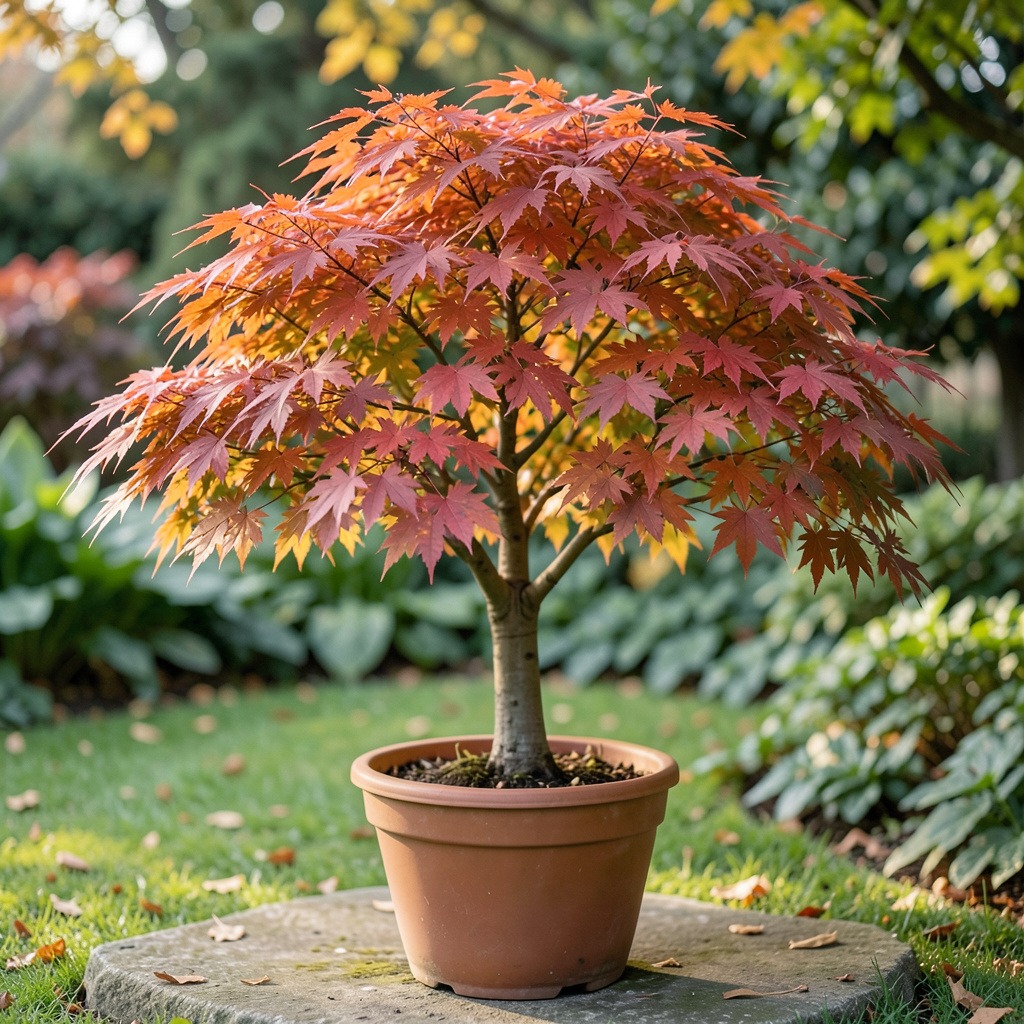
Understanding Japanese Maple Trees and Their Potting Needs
Japanese maple trees, known for their stunning foliage and graceful structure, are well-suited for container gardening. Their compact growth habits and shallow root systems make them ideal choices for pot cultivation.
Japanese Maple Characteristics That Suit Pot Growth
Japanese maples exhibit unique features that align with potted life:
- Shallow Root System: Unlike many trees, Japanese maples have a relatively shallow root system. This allows them to thrive in confined spaces without becoming root-bound.
- Compact Growth: Most cultivars maintain a smaller stature, making them easier to manage in pots. They can reach heights of 3 to 10 feet, depending on the variety.
- Aesthetic Appeal: The vibrant foliage changes color throughout the seasons, providing year-round visual interest.
Benefits of Growing Japanese Maples in Containers
Opting for a potted Japanese maple offers several advantages:
- Space Efficiency: Perfect for patios, balconies, or small gardens, these trees allow urban gardeners to enjoy their beauty without needing extensive outdoor space.
- Mobility: Containers enable you to move the tree to optimize sunlight exposure or protect it from harsh weather.
- Enhanced Drainage: Pots provide better drainage than the ground, reducing the risk of root rot, especially in heavy soils.
Choosing the Right Cultivars for Pots
Selecting the correct cultivar is crucial for successful container growth. Consider the following:
- Dwarf Varieties: Cultivars like ‘Shaina’ and ‘Crimson Queen’ are specifically bred for smaller spaces. They remain manageable and maintain their ornamental qualities.
- Growth Habit: Look for varieties that demonstrate a bushy or weeping growth habit, which can enhance the visual impact in pots.
- Climate Adaptability: Ensure the chosen cultivar can withstand your local climate conditions, particularly if you experience extreme temperatures.
By understanding the characteristics and requirements of Japanese maples, gardeners can effectively cultivate these beautiful trees in pots.
Selecting the Right Container for Your Japanese Maple
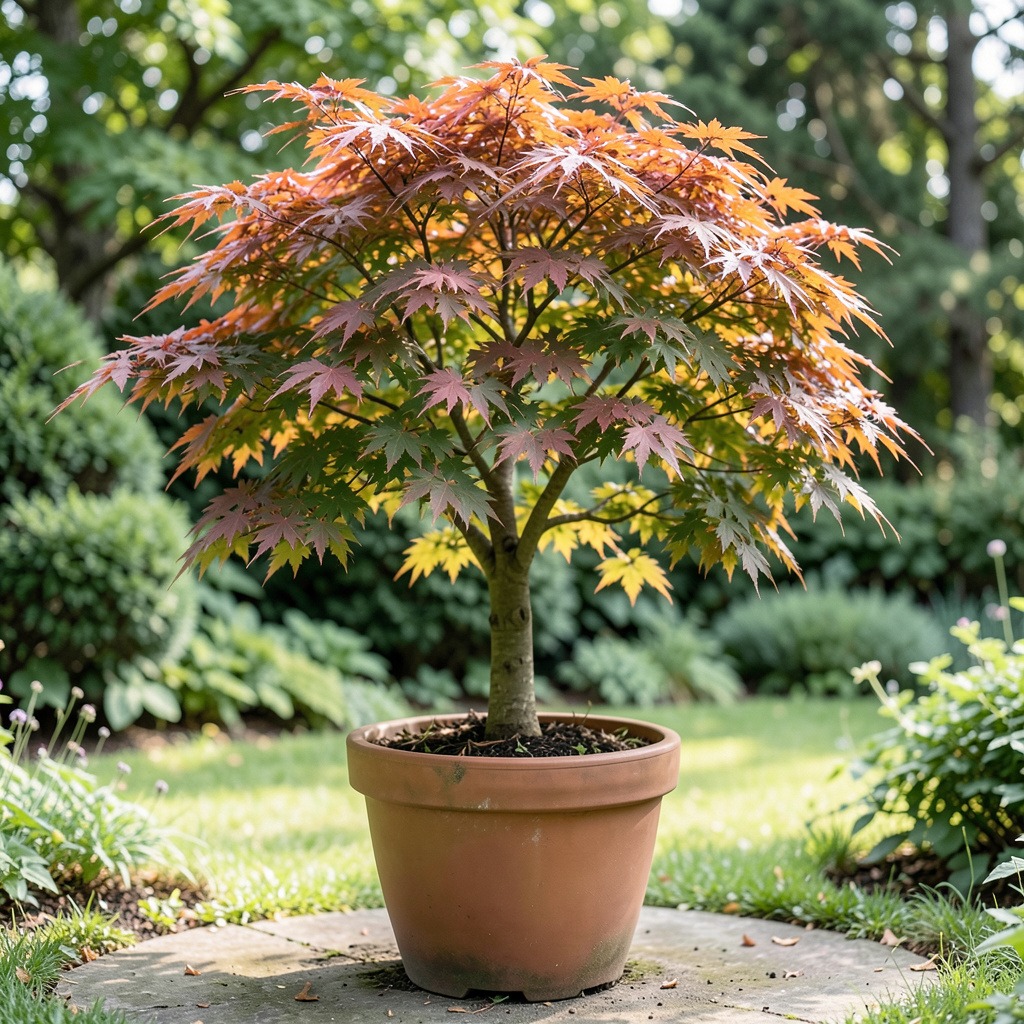
Choosing the right container is vital for the health and aesthetics of your potted Japanese maple. Consider pot size, material, and drainage features to ensure your tree thrives.
Ideal Pot Size for Japanese Maples
The size of the pot directly influences the growth and health of your Japanese maple. Here are key points to consider:
- Initial Size: Start with a pot that is at least 18-24 inches in diameter. This provides ample space for the shallow root system.
- Growth Consideration: As the tree grows, choose a pot that allows for an increase in size. Aim for a pot that is 2-4 inches larger in diameter when repotting.
- Root Depth: Ensure the pot is deep enough to accommodate the roots, ideally 18 inches or more.
Materials: Plastic vs. Clay vs. Wood
The material of your pot can significantly affect root health and moisture retention. Here’s a comparison of common materials:
| Material | Pros | Cons |
|---|---|---|
| Plastic | Lightweight, retains moisture well, cost-effective | May not provide adequate aeration |
| Clay | Excellent drainage, breathable, aesthetically pleasing | Heavier, can dry out quickly |
| Wood | Natural insulation, great for aesthetics | Requires treatment to prevent rot, can be heavy |
Importance of Drainage Holes and Soil Selection
Proper drainage is essential for preventing root rot. Here are key considerations:
- Drainage Holes: Always choose a pot with multiple drainage holes to facilitate water flow. This prevents excess moisture buildup.
- Soil Selection: Use a high-quality potting mix designed for Japanese maples. A blend that includes perlite or pumice will improve drainage and aeration.
- Watering Strategy: Monitor soil moisture levels. The top inch should dry out between watering to ensure roots do not sit in water.
Checklist for Selecting the Right Pot
- Size: Minimum 18-24 inches in diameter.
- Material: Choose based on aesthetics and moisture retention needs.
- Drainage: Ensure multiple drainage holes.
- Soil: Opt for a specialized potting mix for Japanese maples.
By carefully selecting the right container, you create a supportive environment for your Japanese maple, enhancing its growth and visual appeal.
Best Potting Soil Mix for Japanese Maples
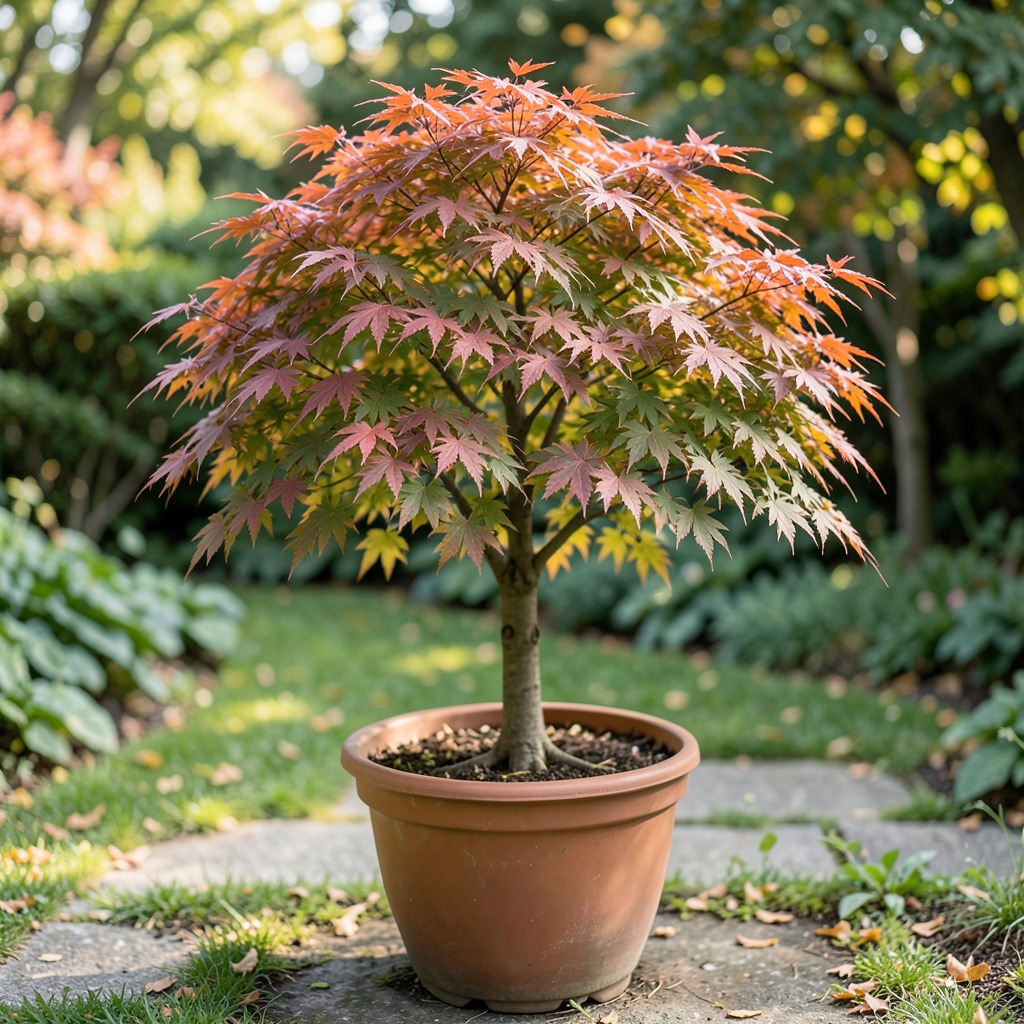
Soil quality is crucial for the health of potted Japanese maple trees. A well-draining potting mix ensures proper moisture retention and aeration, essential for the tree’s root system.
Key Components of a Well-Draining Soil Mix
A suitable potting mix for Japanese maples should include:
- Organic Matter: Peat moss or compost improves moisture retention and provides nutrients.
- Aeration Components: Perlite or pumice enhances drainage and prevents compaction.
- Acidity: A slightly acidic mix (pH 5.5 to 6.5) is ideal for Japanese maples, promoting optimal nutrient uptake.
How to Create Your Own Potting Mix
Creating a custom potting mix tailored for Japanese maples is straightforward. Here’s a simple recipe:
- 2 parts high-quality potting soil
- 1 part peat moss
- 1 part perlite or pumice
Mix these components thoroughly. This blend offers both drainage and moisture retention, essential for the delicate root system of your Japanese maple.
Commercial Potting Mixes That Work Best
If you prefer ready-made options, look for commercial potting mixes labeled for acid-loving plants or trees. The following types are effective:
- Wood-based mixes: These retain moisture while providing good drainage.
- Specialized mixes for maples: Look for blends that include organic matter and are formulated for slightly acidic conditions.
By selecting or creating the right potting mix, you provide your Japanese maple with the foundation it needs to thrive in a pot.
Watering Techniques for Potted Japanese Maples
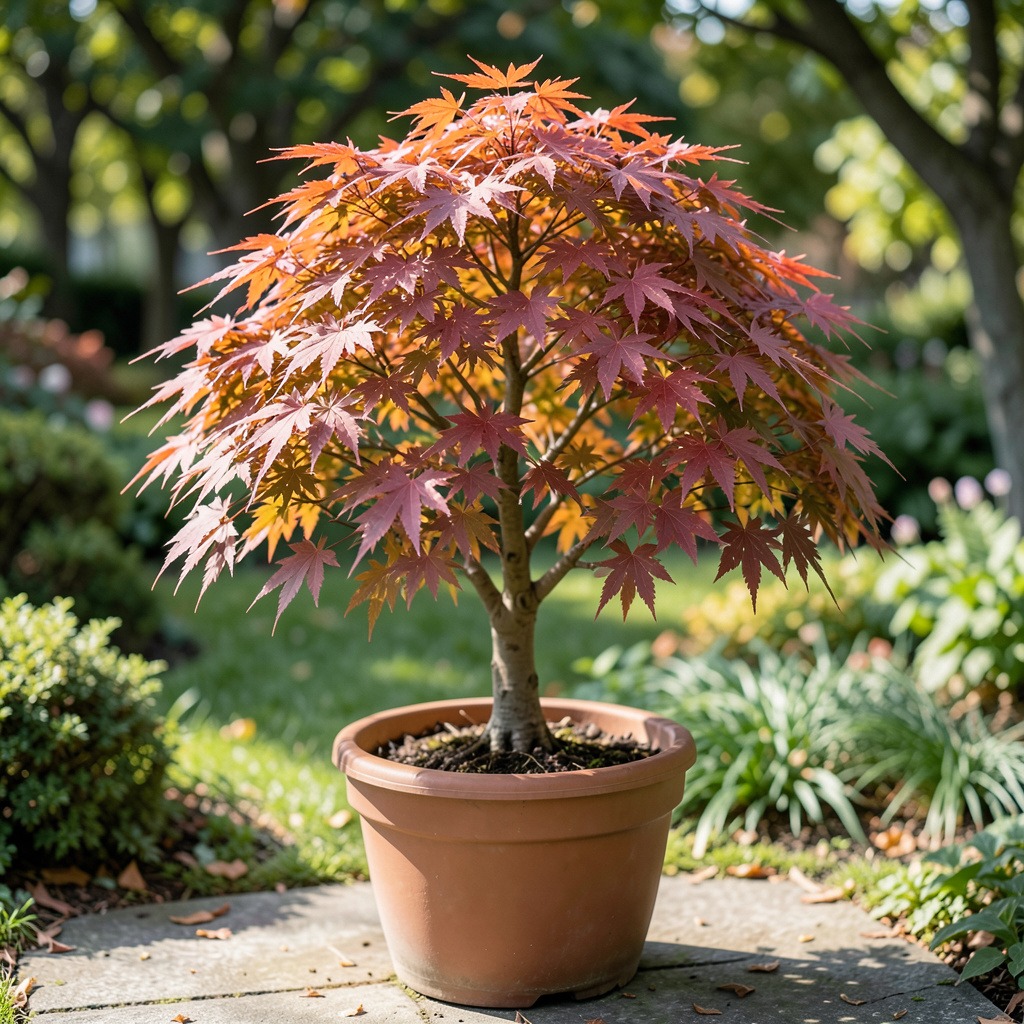
Proper watering is crucial for the health of your potted Japanese maple. These trees require consistent moisture but are susceptible to root rot if overwatered. Understanding their specific needs will help you maintain vibrant foliage and strong growth.
Signs of Under and Over-Watering
Recognizing the symptoms of improper watering is key to ensuring your Japanese maple thrives.
- Under-Watering:
- Leaves curl or become crispy.
- Soil feels dry to the touch.
- Tree appears droopy and lacks vigor.
- Over-Watering:
- Leaves yellow and drop prematurely.
- Soil remains soggy and waterlogged.
- Fungal growth or mold on the soil surface.
Best Practices for Watering Techniques
Implement these techniques to maintain optimal moisture levels in your potted Japanese maple:
- Check Soil Moisture: Use your finger to test the soil. If the top inch is dry, it’s time to water.
- Water Thoroughly: When watering, ensure the water penetrates the entire root ball. Water until it drains from the bottom of the pot.
- Use Quality Water: Rainwater or distilled water is preferable. Tap water can contain chemicals that may harm your plant.
- Frequency: Adjust your watering schedule based on the season and environmental factors.
Adjusting Watering Based on Seasons
Japanese maples have different watering needs throughout the year. Follow this seasonal schedule to optimize care:
- Spring:
- Water every 3-5 days as the tree wakes from dormancy.
- Increase frequency as temperatures rise.
- Summer:
- Water every 2-4 days, especially during heatwaves.
- Check daily in high temperatures or dry conditions.
- Fall:
- Gradually reduce watering to every 5-7 days as temperatures drop.
- Monitor for rainfall and adjust accordingly.
- Winter:
- Water sparingly, every 2-3 weeks, if the pot is not frozen.
- Ensure the soil remains slightly moist but not soggy.
By adhering to these best practices and adjusting your watering techniques seasonally, you can ensure your Japanese maple remains healthy and vibrant in its pot.
Caring for Your Japanese Maple Throughout the Seasons
Caring for a potted Japanese maple requires attention throughout the year. Seasonal practices for pruning, fertilization, and pest management are essential for maintaining your tree’s health and beauty.
Seasonal Pruning Tips for Shape and Health
Pruning is vital for the shape and vitality of your Japanese maple. Here’s a seasonal guide:
- Winter (Dormancy): Perform major pruning while the tree is dormant. Remove dead or diseased branches and shape the tree to maintain a domed silhouette.
- Spring: Lightly prune to encourage new growth. Focus on removing any crossing branches to improve air circulation.
- Summer: Pinch back new growth to maintain shape and remove any suckers that emerge.
- Fall: Avoid heavy pruning, but you can remove any last dead leaves or branches before winter.
Fertilization Schedule and Best Products
Fertilizing your potted Japanese maple supports healthy growth. Follow this schedule:
- Early Spring: Apply a balanced, slow-release fertilizer formulated for acid-loving plants. Look for products like holly-tone or similar blends.
- Mid-Summer: Apply a light dose of fertilizer if growth appears slow. Avoid over-fertilizing, as this can stress the tree.
- Fall: Do not fertilize in the fall. Allow the tree to prepare for dormancy.
Pest and Disease Management Strategies
Monitoring for pests and diseases is crucial for your potted Japanese maple. Follow these strategies:
- Inspect Regularly: Check leaves and stems for signs of aphids, spider mites, or scale insects. Early detection makes management easier.
- Manual Removal: For minor infestations, wash pests away with a strong stream of water or gently wipe them off with a cloth.
- Insecticidal Soap: For persistent problems, use insecticidal soap or neem oil as an organic treatment.
- Fungal Issues: Ensure good airflow and avoid overhead watering to prevent fungal diseases. If you notice leaf spots, remove affected leaves and treat with a fungicide if necessary.
Seasonal Care Checklist
To help you stay on track with your care routine, use this seasonal checklist:
| Season | Task |
|---|---|
| Winter | Prune dead/diseased branches; shape tree |
| Spring | Fertilize; light pruning |
| Summer | Monitor for pests; pinch back growth |
| Fall | Prepare for dormancy; no fertilization |
By following these guidelines, you can ensure that your potted Japanese maple thrives throughout the year.
Troubleshooting Common Issues with Potted Japanese Maples
Potted Japanese maples can face several challenges, including leaf drop, scorch, and pest infestations. Understanding these issues and how to address them will help maintain the health and beauty of your tree.
Common Causes of Leaf Drop and How to Address Them
Leaf drop in Japanese maples can occur due to various stress factors. Here are the common causes and remedies:
- Watering Issues: Fluctuations between dry and waterlogged soil can lead to leaf drop. Ensure consistent moisture by checking the soil regularly. Use a moisture meter if necessary.
- Temperature Stress: Extreme temperatures can shock your tree. Protect it from harsh winds and sudden temperature changes by relocating the pot or using protective covers.
- Nutrient Deficiency: Lack of essential nutrients may cause leaves to drop. Use a balanced fertilizer designed for acid-loving plants during the growing season.
Identifying and Treating Pests Specific to Potted Maples
Pests can significantly affect the health of potted Japanese maples. Here are the most common pests and treatment strategies:
- Aphids: These small insects feed on sap, causing leaf curling. Treat with insecticidal soap or neem oil.
- Spider Mites: Look for fine webs and stippling on leaves. Increase humidity and apply horticultural oil to eliminate them.
- Scale Insects: These pests appear as small, hard bumps on stems and leaves. Remove them by hand or treat with insecticidal soap.
How to Recognize Environmental Stress Signs
Environmental stress can manifest in various ways. Recognizing these signs early can help you take corrective action:
- Leaf Scorch: Leaves may turn brown at the edges. Ensure your tree receives adequate shade during the hottest parts of the day and water consistently.
- Wilting: This can indicate either overwatering or underwatering. Check the soil moisture and adjust your watering routine accordingly.
- Stunted Growth: If your maple is not growing as expected, evaluate its pot size. Ensure it has enough space for root development and consider repotting if necessary.
Troubleshooting Flowchart
To help identify and resolve issues quickly, refer to this troubleshooting flowchart:
1. Leaf Drop
- Check soil moisture.
- Assess temperature and location.
- Evaluate fertilization routine.
2. Pest Infestation
- Observe for signs of pests.
- Identify the type of pest.
- Apply appropriate treatment.
3. Environmental Stress
- Examine the leaf condition.
- Adjust watering and sunlight exposure.
- Ensure proper pot size and drainage.
By following these guidelines, you can effectively manage common issues that affect your potted Japanese maple, ensuring it remains healthy and vibrant.
Preparing Your Japanese Maple for Winter
As winter approaches, it’s essential to prepare your potted Japanese maple for the colder months. This preparation helps protect the tree from freezing temperatures and ensures its health throughout the winter.
Insulating Pots to Prevent Freezing
Insulating your pot is crucial to protect the roots from freezing. Here are effective methods:
- Wrap Pots: Use burlap, bubble wrap, or foam insulation to wrap the pot. This adds a layer of protection against the cold.
- Elevate the Pot: Place your potted maple on a wooden or plastic surface rather than directly on the ground. This can prevent frost from seeping into the pot.
- Add Mulch: Place a thick layer of mulch around the base of the plant. This helps retain soil warmth and moisture.
Optimal Positioning for Winter Protection
Positioning your Japanese maple correctly can significantly impact its winter survival. Consider these strategies:
- Choose a Sheltered Spot: Position the pot near a wall or under a porch overhang. This reduces exposure to harsh winds and extreme cold.
- Avoid Direct Sunlight: In winter, direct sunlight can cause the soil to warm too quickly, leading to thawing and refreezing. A partially shaded area is ideal.
- Monitor Temperature: If temperatures drop significantly, consider moving the pot into an unheated garage or shed for additional protection.
Signs That Your Maple Needs Special Winter Care
Keep an eye on your Japanese maple for signs that it may need extra attention during winter:
- Leaf Drop: While some leaf drop is normal, excessive dropping can indicate stress. Check for moisture levels in the soil.
- Discoloration: Yellowing or browning leaves may signal inadequate watering or exposure to extreme temperatures. Adjust care as needed.
- Pest Activity: Inspect for pests that may seek refuge in warmer indoor spaces. Treat promptly to prevent infestations.
Winter Preparation Checklist
- [ ] Insulate the pot with burlap or foam.
- [ ] Elevate the pot off the ground.
- [ ] Add mulch around the base of the tree.
- [ ] Position the pot in a sheltered area.
- [ ] Monitor soil moisture regularly.
- [ ] Inspect for any signs of stress or pests.
By following these winter care strategies, you can help ensure your potted Japanese maple thrives even through the coldest months.
Frequently Asked Questions
These quick answers cover the most common questions about this topic, including key details, practical tips, and common concerns.
What is the best pot size for a Japanese maple?
The best pot size for a Japanese maple is at least 18-24 inches in diameter. This size allows for adequate space for the shallow root system. As the tree grows, consider repotting into a container that is 2-4 inches larger in diameter to accommodate its expanding roots.
How often should I water my potted Japanese maple?
Water your potted Japanese maple every 2-4 days during the growing season, especially in hot weather. Always check the top inch of soil; if it feels dry, it’s time to water. In winter, reduce watering to every 2-3 weeks, ensuring the soil stays slightly moist but not soggy.
What common pests affect container-grown Japanese maples?
Common pests that affect potted Japanese maples include aphids, spider mites, and scale insects. Regularly inspect the leaves and stems for signs of these pests. Early detection allows for easier management, such as using insecticidal soap or neem oil to treat infestations.
When should I repot my Japanese maple in a pot?
Repot your Japanese maple every 2-3 years or when you notice roots growing out of the drainage holes. The best time to repot is in early spring, just before the growing season begins. This timing helps minimize stress and allows the tree to establish itself in its new pot.
What should readers know about specific pest management strategies for potted Japanese maples?
Effective pest management for potted Japanese maples includes regular inspections for pests and diseases. Use organic treatments like insecticidal soap or neem oil for infestations. Additionally, ensure good airflow around the plant to prevent fungal issues, and avoid overhead watering to minimize damp conditions.
What should readers know about detailed information on the effects of different climates on growth?
Japanese maples thrive in temperate climates with well-drained, slightly acidic soil. In hotter regions, provide afternoon shade to prevent leaf scorch. In colder climates, ensure pots are insulated to protect roots from freezing. Understanding your local climate helps you select the right cultivar and care practices for optimal growth.
Can I grow a Japanese maple indoors?
While it’s possible to grow a Japanese maple indoors, it requires specific conditions. Ensure the tree receives plenty of bright, indirect sunlight and maintain consistent humidity levels. However, outdoor growth is generally preferable for these trees, as they thrive in natural conditions.