
Taking care of a bamboo plant is relatively easy if you understand its basic needs, including light, water, and soil conditions. With the right attention, a bamboo plant can thrive and bring a touch of nature into your home or garden. If you’re also interested in gardening, you might want to check out How to Plant Peas for a Bigger Harvest.
Introduction to Bamboo Plants
What is Bamboo?
Bamboo is a type of grass that grows in various climates around the world. It’s known for its fast growth rate and unique ability to reach impressive heights, making it a popular choice for landscaping and indoor decoration. I remember the first time I encountered bamboo; its tall, slender stalks swaying gently in the breeze captured my attention. I learned that bamboo isn’t just beautiful but also incredibly versatile. Its uses range from building materials and furniture to eco-friendly products.
Types of Bamboo Plants (Indoor vs. Outdoor)
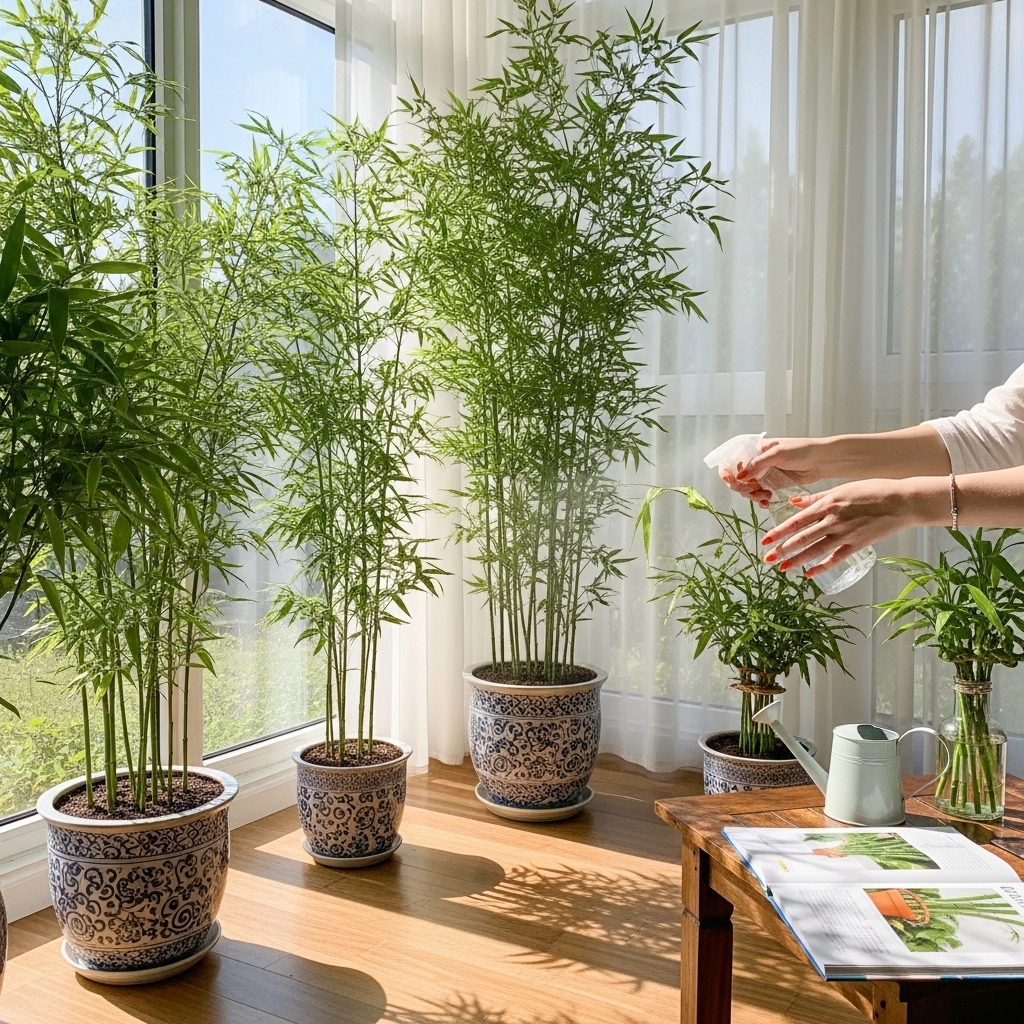
When it comes to bamboo plants, there are two main types to consider: indoor and outdoor varieties. Indoor bamboo, often referred to as lucky bamboo, is a popular choice for homes. It’s typically smaller and can thrive in pots or vases filled with water, requiring less sunlight and care than its outdoor counterparts. I recall my friend gifted me a lucky bamboo plant, and it was so low-maintenance yet added a vibrant touch to my apartment.
Outdoor bamboo, on the other hand, tends to grow much taller and can spread rapidly, which can be both a blessing and a challenge. While they can create a stunning privacy screen or windbreak, they also require more space and management. In my experience, when I planted outdoor bamboo in my backyard, I had to be careful about its growth to prevent it from overtaking other plants. Knowing the type of bamboo you want to care for is crucial in ensuring it thrives in your chosen environment. If you’re curious about other plants that are safe for your pets, consider reading What Plants Are Not Toxic to Cats? Safe Plant List.
Ideal Conditions for Growing Bamboo
Temperature and Humidity Requirements
Bamboo plants generally prefer warm, humid conditions. Most varieties thrive in temperatures between 60°F and 80°F. I’ve found that if you live in a region with colder winters, you might want to bring your indoor bamboo indoors to protect it from frost. For outdoor bamboo, understanding your local climate is essential. Some species can withstand colder temperatures, while others may suffer. I remember when I planted a tropical bamboo variety, I had to make sure it had adequate warmth and humidity to flourish. Keeping an eye on temperature can make a significant difference in bamboo health.
Soil Type and Drainage
The right soil is key to a healthy bamboo plant. Bamboo prefers well-draining soil, rich in organic matter. I learned this the hard way when I planted bamboo in a heavy clay soil; it ended up stunted and unhappy. Mixing compost into your soil can improve its texture and nutrient content, making it more suitable for bamboo. If you’re planting in a pot, I recommend using a potting mix designed for tropical plants, as it will provide the necessary drainage and nutrients.
Light Requirements
Light is another important factor when taking care of bamboo. Indoor bamboo generally prefers bright, indirect light. Direct sunlight can scorch the leaves, which I discovered after moving my bamboo too close to a south-facing window. If you notice your bamboo leaning towards the light source, it might need a little more brightness. Outdoor bamboo loves sunlight, but some varieties can tolerate partial shade. I had a fantastic experience when I planted my outdoor bamboo in a spot that got dappled sunlight throughout the day, and it thrived beautifully.
How to Plant Bamboo
Choosing the Right Pot for Indoor Bamboo
When it comes to indoor bamboo, choosing the right pot is crucial for its growth and health. I recommend using a pot that allows for good drainage; this prevents root rot, which bamboo can be prone to if left sitting in water. If you’re using water instead of soil, ensure your container is clean and has enough space for the roots to grow. A clear glass vase can also add a decorative touch while allowing you to monitor the water level. I’ve seen how the right pot can make a bamboo plant not just a houseplant but also a stunning centerpiece.
Transplanting Bamboo Outdoors
Transplanting bamboo outdoors can be a rewarding task, but it’s essential to pick the right time. I usually transplant in early spring when the ground has warmed up but before the summer heat sets in. Preparing the site is necessary: clear away any weeds and amend the soil with compost. When planting, dig a hole that is at least twice the size of the root ball to give the bamboo room to grow. I remember how excited I was when I first transplanted my bamboo; I could almost visualize the lush green grove it would become.
Spacing and Arrangement Tips
When planting multiple bamboo plants, spacing is crucial. I learned that bamboo can spread quite a bit, and if planted too close together, they can end up competing for resources. A good rule of thumb is to space them at least three to five feet apart, depending on the species. This also allows for adequate air circulation, which can prevent disease. In my garden, I arranged my bamboo in a staggered pattern, which not only looked aesthetically pleasing but also helped each plant grow to its full potential.
Watering Your Bamboo Plant
How Often to Water Bamboo
Watering is one of the most critical aspects of bamboo care. In general, bamboo likes to be kept moist but not waterlogged. I’ve found that checking the top inch of the soil works well; if it feels dry, it’s time to water. For indoor bamboo, a quick soak every week or so usually does the trick. Outdoor bamboo may need more frequent watering, especially during hot, dry spells. I remember the summer heat wave when my outdoor bamboo needed daily watering. Keeping an eye on the weather can help you adjust your watering schedule accordingly.
Signs of Overwatering and Underwatering
Understanding the signs of overwatering and underwatering can save your bamboo plant. Overwatered bamboo often shows yellowing leaves and a mushy base, while underwatered bamboo might develop crispy, brown tips. I experienced this firsthand when I was unsure of how much to water my indoor bamboo. After a little research, I learned to adjust my watering habits based on the season and the plant’s needs. If you notice any of these signs, adjusting your watering routine can help your bamboo bounce back.
Fertilizing Bamboo
Best Fertilizers for Bamboo Plants
Fertilizing your bamboo plant is essential for strong growth. I’ve found that a balanced, slow-release fertilizer works wonders. Look for one that’s high in nitrogen, as bamboo is a nitrogen-loving plant. Organic options, like fish emulsion or compost, can also be effective. I remember the first time I fertilized my bamboo; it seemed to grow visibly faster in just a few weeks!
When to Fertilize Bamboo
The best time to fertilize bamboo is in the spring when it’s starting to grow actively. I usually apply fertilizer once every month during the growing season and cut back in the fall. This routine has helped my bamboo maintain healthy growth throughout the year. It’s always a joy to see how a little extra care can lead to lush, vibrant growth.
Pest and Disease Management
Common Pests Affecting Bamboo
Bamboo plants can sometimes attract pests like aphids, spider mites, and bamboo borers. I’ve noticed that these pests can be quite sneaky, often hiding on the undersides of leaves. Regularly inspecting your plants can help catch these infestations early. I learned to use insecticidal soap or neem oil to tackle any pest problems, and it worked wonders. Keeping your bamboo clean and healthy can also help deter pests.
Preventative Measures and Treatments
Prevention is always better than cure when it comes to pests. I’ve found that maintaining good air circulation and avoiding overcrowding can help keep pests at bay. Additionally, regularly cleaning the leaves with a damp cloth can remove dust and potential pests. If you do notice any problems, treating them promptly with organic solutions can save your bamboo from severe damage.
Pruning and Maintenance of Bamboo
When and How to Prune Bamboo
Pruning bamboo is essential for its health and appearance. I typically prune my bamboo in late winter or early spring before new growth starts. Removing dead or damaged canes not only beautifies the plant but also encourages new growth. I’ve learned to use sharp, clean pruning shears to make clean cuts, which helps prevent disease.
Maintaining the Desired Height and Shape
If you want to control the height and shape of your bamboo, regular pruning is the key. I remember the first time I let my bamboo grow wild; it became a jungle! Now, I prune to keep it at a manageable height and shape. This not only maintains its aesthetic appeal but also allows for better air circulation and sunlight penetration for all canes.
Common Problems and Solutions
Yellowing Leaves: Causes and Remedies
If you notice your bamboo leaves turning yellow, it could be due to overwatering, nutrient deficiencies, or inadequate light. I found that a quick soil check and adjusting my watering habits helped resolve the issue. Adding a balanced fertilizer can also restore those vibrant greens.
Stunted Growth: How to Address It
Stunted growth can be frustrating, especially when you’re excited about your bamboo. In my experience, this often happens due to poor soil quality or insufficient light. Ensuring your bamboo has the right environment, along with proper fertilization, can help it thrive again. If I noticed my bamboo wasn’t growing as expected, I’d first assess its location. Was it getting enough light? If not, I would move it to a brighter spot. I also found that testing the soil for nutrients helped; if it was lacking, I would amend it with organic matter or fertilizer. It’s amazing how a few adjustments can lead to significant improvements.
Seasonal Care for Bamboo Plants
Caring for Bamboo in Spring
Spring is an exciting time for bamboo as it comes out of dormancy. I always give my bamboo a little extra attention during this season. Fertilizing and ensuring proper watering can make a big difference in its growth rate. I remember the first spring after I planted my bamboo; it felt like a celebration as new shoots began to emerge. I would apply a slow-release fertilizer to boost its growth and check for any pests that might have survived the winter. This proactive approach helps set the stage for a healthy growing season.
Summer Care Tips
During the hot summer months, my bamboo requires more frequent watering and possibly some shade during the hottest parts of the day. Keeping an eye on moisture levels is crucial to prevent stress. I learned this the hard way when I noticed my outdoor bamboo wilting during a heatwave. Now, I ensure to water deeply and consistently, especially during dry spells. If I see temperatures climbing, I’ll also provide some shade using garden fabric or plant covers. This simple act can keep my bamboo happy and thriving.
Preparing Bamboo for Winter
As winter approaches, I prepare my bamboo by reducing watering and providing some mulch around the base for insulation. For outdoor bamboo, I ensure it’s well protected from frost. I often remember the first winter I faced with my outdoor bamboo; I didn’t realize how much care it would need. Now, I make it a point to cover the base with a layer of mulch to retain warmth and moisture. I’ve also learned to monitor the weather closely, especially during sudden cold snaps, to ensure my bamboo isn’t left vulnerable. It’s amazing how a little preparation can keep my bamboo thriving through the colder months.
Benefits of Having Bamboo Plants
Aesthetic Appeal
Bamboo adds a unique, serene beauty to any space, whether indoors or outdoors. I love how it sways gently in the wind, creating a peaceful ambiance in my garden. The sight of bamboo can turn an ordinary corner into a tranquil retreat. I remember visiting a friend’s home where bamboo framed their outdoor seating area perfectly. It inspired me to incorporate it into my space, and I’ve never looked back. The visual appeal of bamboo truly enhances the environment.
Air Purification Properties
Having bamboo in my home has been great for air quality. Bamboo is known to filter toxins and provide oxygen, which I appreciate having in my living space. I’ve read that certain species of bamboo are particularly effective at removing harmful toxins from the air. With my indoor bamboo, I can breathe a little easier, knowing it’s working hard to improve air quality. It’s a comforting thought, and I can feel the difference in the air around my plants.
Environmental Impact and Sustainability
Bamboo is a sustainable plant that grows quickly and requires less water than many other plants. I feel good about having it in my garden, knowing it’s an eco-friendly choice that contributes positively to the environment. I often think about how bamboo can be harvested without killing the plant, allowing for continuous growth. This sustainability aspect is something I proudly share with friends when they ask about my gardening choices. Knowing that I’m helping the planet, even in a small way, makes my gardening experience even more rewarding. If you’re interested in plant safety, you may also want to read What Plants Are Poisonous to Cats? Full Safety List.
Frequently Asked Questions
What is bamboo?
Bamboo is a type of grass known for its fast growth rate and ability to reach impressive heights. It is versatile and used for various purposes, including landscaping, building materials, and eco-friendly products.
What are the main types of bamboo plants?
There are two main types of bamboo plants: indoor and outdoor varieties. Indoor bamboo, often called lucky bamboo, is smaller, thrives in pots or vases with water, and requires less sunlight. Outdoor bamboo grows taller, can spread rapidly, and is suitable for creating privacy screens or windbreaks.
What are the ideal temperature and humidity conditions for bamboo?
Bamboo generally prefers warm, humid conditions, thriving in temperatures between 60°F and 80°F. Some species can withstand colder temperatures, while others may suffer, so it’s essential to know your local climate.
How should I water my bamboo plant?
Bamboo likes to be kept moist but not waterlogged. For indoor bamboo, watering every week is usually sufficient, while outdoor bamboo may require more frequent watering, especially during hot, dry spells.
What are the signs of overwatering and underwatering bamboo?
Overwatered bamboo may show yellowing leaves and a mushy base, while underwatered bamboo might develop crispy, brown tips. Adjusting watering habits based on these signs can help the plant recover.
When is the best time to fertilize bamboo?
The best time to fertilize bamboo is in the spring when it starts to grow actively. Regular fertilization once a month during the growing season is recommended, with a reduction in the fall.
What common pests affect bamboo plants?
Bamboo plants can attract pests such as aphids, spider mites, and bamboo borers. Regular inspection and treatment with insecticidal soap or neem oil can help manage these infestations.
When should I prune my bamboo?
Pruning should be done in late winter or early spring before new growth starts. This helps remove dead or damaged canes and encourages healthy new growth.
What should I do if my bamboo has yellowing leaves?
Yellowing leaves may indicate overwatering, nutrient deficiencies, or inadequate light. Checking the soil moisture and adjusting watering, along with applying a balanced fertilizer, can help restore the plant’s health.
What are the benefits of having bamboo plants?
Bamboo adds aesthetic appeal to spaces, improves air quality by filtering toxins and providing oxygen, and is a sustainable plant that grows quickly and requires less water than many other plants.