
Taking care of a spider plant is relatively easy and rewarding, as these resilient plants thrive with minimal effort. I’ve found that they can brighten any space while purifying the air, making them a perfect choice for both beginners and experienced plant lovers. Read Interesting article: How to Care for Spider Plants (Full Guide)
Table of Contents
Overview of Spider Plants
What is a Spider Plant?
A spider plant, scientifically known as Chlorophytum comosum, is a popular houseplant recognized for its long, arching leaves and unique spider-like offshoots called “pups.” These offshoots are what give the plant its common name. I remember the first time I brought one home; its lush green foliage instantly added a vibrant touch to my living room.
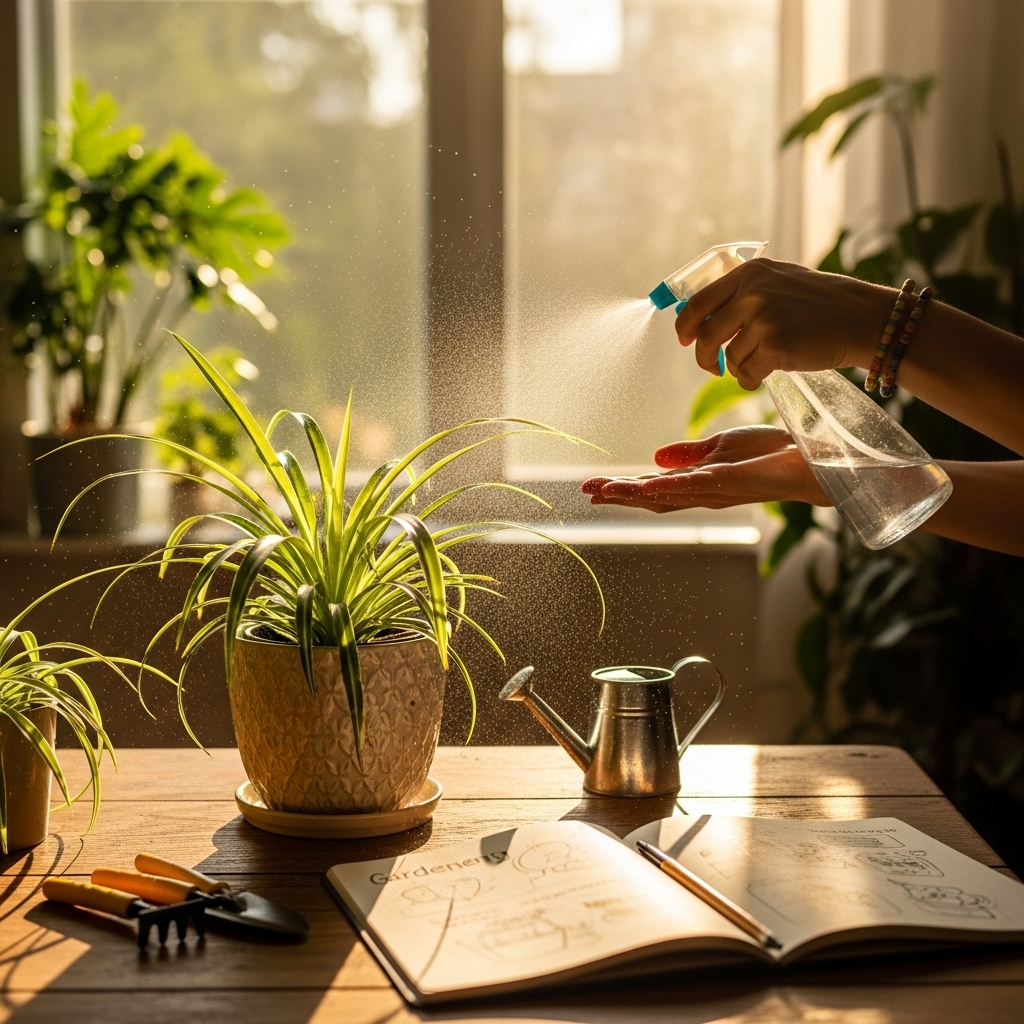
Benefits of Having a Spider Plant
Spider plants offer numerous benefits that make them a favorite among indoor gardeners. Personally, I love that they are not only beautiful but also excellent air purifiers. They can remove toxins from the air, improving indoor air quality. Additionally, spider plants are incredibly easy to care for, making them perfect for busy lifestyles or for anyone new to gardening. I’ve also found them to be safe for pets, which is a huge plus if you have furry friends roaming around. For more insights, check out this How to Care for a Spider Plant (Beginner Guide).
Common Varieties of Spider Plants
There are several varieties of spider plants, each with its unique charm. The most common is the classic green variety, but I’ve also seen beautiful variegated types, such as the ‘Variegatum’ with creamy white edges and the ‘Bonnie,’ which has curly leaves. Each variety brings a different aesthetic, so choosing one really depends on your personal style and the vibe you want to create in your space. I’ve enjoyed experimenting with different types and combinations in my home.
Essential Care Requirements
Light Requirements
Spider plants thrive in bright, indirect sunlight. From my experience, they do best when placed near a window but shielded from direct sun, which can scorch their leaves. They are quite adaptable, so if you find a spot that gets filtered light, you’ll likely see your plant flourish. I’ve noticed that when I move my spider plant to a brighter area, it tends to grow faster and produce more pups.
Watering Guidelines
Watering is crucial for the health of your spider plant. I usually let the top inch of soil dry out before watering again. Too much water can lead to root rot, which I learned the hard way with my first spider plant. It’s best to use room-temperature water and avoid letting the plant sit in standing water. When I see the leaves start to droop, it’s my cue that the plant needs a drink. Keeping a consistent watering schedule helps maintain healthy growth.
Soil Preferences
Spider plants prefer a well-draining potting mix. I’ve found that a standard houseplant soil mixed with some perlite or sand works wonders. This combination allows for adequate drainage while retaining some moisture. When I repotted my spider plant, I noticed how much healthier it looked afterward, clearly appreciating the new, nutrient-rich soil. It’s essential to ensure that your pot has drainage holes to prevent water from accumulating.
Temperature and Humidity Needs
Spider plants adapt well to a range of temperatures but prefer a warm environment between 65°F and 75°F (18°C to 24°C). They can tolerate cooler temperatures, but I’ve noticed their growth slows down significantly if it gets too chilly. Humidity is less of a concern; however, they thrive in slightly humid conditions. If I notice the air in my home is especially dry during winter, I’ll occasionally mist my spider plant or place it on a pebble tray filled with water to boost humidity.
How to Propagate Spider Plants
Using Offsets (Pups)
One of the most exciting aspects of caring for spider plants is their ability to produce offsets, or pups. I absolutely love propagating them! When the pups grow to about a few inches long, you can cut them off and plant them in their pots. It’s a simple and rewarding process that allows you to expand your collection or share them with friends and family.
Water Propagation vs. Soil Propagation
When it comes to propagating spider plants, I’ve tried both water and soil methods. Water propagation is quite straightforward: just place the pups in a glass of water and wait for roots to develop. I find it fascinating to watch them grow, but it can take a little longer than soil propagation. On the other hand, soil propagation allows for quicker rooting, as the pups can establish themselves in the soil immediately. I usually prefer soil propagation for its speed and ease, but both methods can be fun!
Best Time to Propagate
The ideal time to propagate spider plants is during the growing season, which typically runs from spring to early summer. I’ve noticed that my plants are most active during these months, making it easier for the pups to root and grow. Timing your propagation with the natural growth cycle of the plant can lead to higher success rates, so I always mark my calendar for when I can start taking cuttings.
Common Issues and Solutions
Identifying Pests (Aphids, Spider Mites)
While spider plants are generally hardy, they can sometimes fall victim to pests like aphids and spider mites. I remember the first time I noticed tiny bugs on my spider plant; I was devastated! Aphids are small and can often be found clustered on the leaves, sucking the sap. Spider mites, on the other hand, are harder to spot since they’re tiny and can create a fine webbing on the plant. To manage these pests, I’ve found that a simple solution of water and mild soap works wonders. Just mix a few drops of dish soap with water and spray the affected areas. This usually clears them up quickly, and my plant seems to appreciate the extra care!
Common Diseases (Root Rot, Leaf Spot)
Spider plants can also be susceptible to diseases, primarily due to overwatering. I learned this the hard way when I noticed my plant’s leaves turning yellow and mushy. That was a classic sign of root rot! To prevent this, I ensure that my pot has proper drainage and that I’m not watering too frequently. If you do find yourself dealing with root rot, the best course of action is to repot the plant in fresh, dry soil and trim away any affected roots. Leaf spot is another common issue, often caused by fungal infections. Keeping the leaves dry and ensuring good air circulation has helped me prevent this problem.
Signs of Overwatering or Underwatering
Understanding the signs of overwatering and underwatering has been a game-changer for me. With overwatering, I’ve noticed yellowing leaves and a squishy texture to the stems, which usually indicates that the roots are struggling. On the flip side, underwatering shows up as droopy leaves and brown tips—definitely not a good look! I find that checking the soil moisture before watering is essential. If the top inch is dry, it’s time for a drink; if it’s still moist, I leave it be. This simple practice keeps my spider plants thriving.
Fertilizing Your Spider Plant
Best Fertilizers for Spider Plants
Fertilizing is another important aspect of keeping your spider plant healthy. I’ve learned that a balanced, water-soluble fertilizer works best. Something like a 20-20-20 or 10-10-10 formula provides a good mix of nutrients. I usually dilute it to about half the recommended strength, as spider plants can be sensitive to too many nutrients. Applying fertilizer during the growing season helps support their growth, and I’ve noticed that my plants respond positively after a feeding!
How Often to Fertilize
In my experience, fertilizing every 4-6 weeks during the spring and summer works wonders. I tend to give my spider plants a break in the fall and winter months since they aren’t actively growing then. It’s like giving them a little rest period! I always make sure to monitor their growth and adjust the feeding schedule if needed. If I see them starting to grow more pups or getting bushier, I know I’m on the right track.
Signs of Nutrient Deficiency
Recognizing nutrient deficiencies can be tricky, but I’ve picked up on a few signs over time. If the leaves start turning yellow or have a pale appearance, it might be a sign they need more nutrients. Another indicator is slow or stunted growth. When I notice these symptoms, I look at my fertilization schedule to see if it’s time for a boost. It’s all about paying attention and responding to what my plants need!
Pruning and Maintenance Tips
When and How to Prune
Pruning my spider plants has become a regular part of my plant care routine. I typically prune in the spring when I see new growth starting, as this encourages a bushier appearance. I focus on removing any dead or yellowing leaves to keep my plant looking tidy. I’ve found that using clean, sharp scissors prevents any damage to the plant. Just cut the leaves close to the base, and it should promote healthier growth.
Cleaning Leaves for Optimal Growth
Cleaning the leaves of my spider plant is another task I don’t overlook. Dust can accumulate on the leaves, blocking sunlight and affecting photosynthesis. I gently wipe the leaves with a damp cloth every few weeks. This simple act not only helps them absorb more light but also gives my plant a fresh, vibrant look. I’ve noticed a significant difference in how my spider plant responds after a good cleaning!
Repotting Your Spider Plant
Repotting is a crucial part of keeping my spider plant healthy. I usually repot every couple of years or whenever I notice the roots starting to outgrow the pot. A larger pot gives the roots more room to grow and encourages overall plant health. I fill the new pot with fresh soil and gently loosen the roots before placing the plant inside. This process can be a bit messy, but I find it incredibly satisfying to see my spider plant thriving in its new home.
Decorating with Spider Plants
Best Placement in Your Home
One of the best parts about spider plants is their versatility in home decor. I’ve found that they look stunning in hanging baskets, allowing their lovely arching leaves to cascade down. They also do well on shelves or tables, adding a touch of green to any corner. I typically place mine in a spot where they can get bright, indirect light, but I also enjoy experimenting with different locations to see where they thrive best.
Creative Display Ideas
Getting creative with my spider plant displays has been so much fun! I’ve seen beautiful arrangements in macramé hangers and even mixed in with other plants for a lush, green corner. One of my favorite display ideas was creating a small indoor garden with a variety of plants, including my spider plant. This not only looks appealing but also creates a mini oasis in my home.
Combining with Other Plants
Speaking of combinations, I’ve enjoyed pairing my spider plant with other houseplants. They look great alongside pothos or peace lilies, as they all have similar care needs. I’ve noticed that mixing different textures and colors can create a visually interesting display. Plus, it’s fun to experiment with how they interact with light and each other’s growth patterns.
Frequently Asked Questions
Are Spider Plants Pet-Friendly?
Yes, spider plants are considered safe for pets! I’ve always felt relieved knowing that my furry friends can roam around my plants without any worries. It’s nice to have a beautiful plant that doesn’t pose a risk to them.
How Long do Spider Plants Live?
With proper care, spider plants can live for many years. I’ve read about some lasting over 20 years! I think the key is to provide them with the right environment and regular maintenance. If you’re interested in more plant care tips, check out this article on How to Plant and Grow Avocado Successfully.
Can Spider Plants Survive in Low Light?
While spider plants prefer bright, indirect light, they can adapt to lower light conditions. I’ve placed one in a dimmer corner of my home, and while it doesn’t grow as vigorously, it’s managed to survive. I think they’re pretty resilient, but for the best growth, a brighter spot is ideal.