
The key to taking care of a succulent plant and preventing rot is to ensure proper watering, drainage, and light conditions. By understanding their unique needs, I’ve seen my succulents thrive instead of wither away. Read Interesting article: Succulent Plant Care Indoors: Expert Tips for Thriving Indoor Succulents
Understanding Succulent Plants
What Are Succulents?
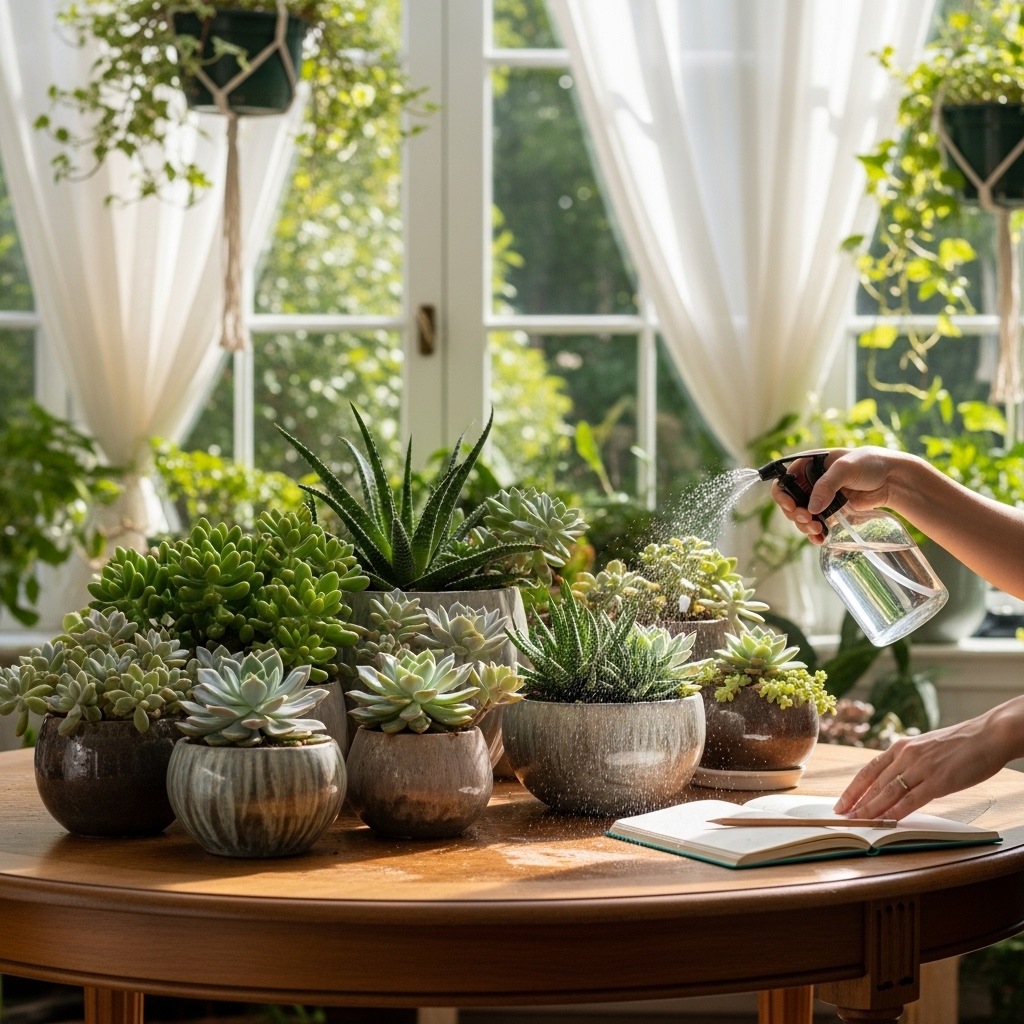
Succulents are fascinating plants that store water in their leaves, stems, or roots, allowing them to survive in arid environments. I remember the first time I came across a succulent; its plump, fleshy leaves intrigued me. They come in a variety of shapes, sizes, and colors, making them popular choices for both beginner and seasoned gardeners. What truly sets them apart is their resilience—they can withstand drought, making them low-maintenance companions for those of us who may not have a green thumb.
Common Types of Succulents
There are countless succulent species, but some of my favorites include:
- Echeveria: Known for their rosette shape and vibrant colors, Echeverias are a must-have in any collection.
- Aloe Vera: Not only is it beautiful, but Aloe Vera also offers soothing gel for burns and skin care.
- Jade Plant: This hardy plant is often associated with good luck and prosperity.
- Haworthia: Small and cute, these plants have unique patterns that often mimic zebra stripes.
- Sedum: With many varieties, Sedums can provide ground cover or stand out in pots.
Each type has its specific charm and care requirements, but they all share the same need for well-draining conditions and careful watering.
Why Succulents Are Popular
Succulents have taken the plant world by storm, and I think I know why. They are incredibly versatile, fitting perfectly into any décor, whether modern or rustic. Their low-maintenance nature is appealing, especially for busy individuals, like myself, who may forget to water plants regularly. Plus, they can thrive in small spaces, making them perfect for apartments or offices. I’ve enjoyed experimenting with different types of planters and arrangements, and I love how they can brighten up any corner of my home. Read Interesting article: What Plants Don’t Like Coffee Grounds? Avoid These
Essential Care Tips for Succulents
Choosing the Right Pot
The pot you choose for your succulents can make a huge difference in their health. I’ve learned from my experience that a pot with drainage holes is essential. Without them, excess water can accumulate, leading to rot. I once made the mistake of using a beautiful decorative pot without drainage, and my poor succulent didn’t stand a chance. Now, I always opt for terracotta pots, which not only provide drainage but also help absorb excess moisture. For those who want to get creative, consider using unique containers like vintage cups or jars, as long as they have a way to drain excess water.
Soil Requirements
When it comes to soil, succulents thrive in a well-draining mix. I usually use a commercial succulent or cactus soil, but I’ve also made my own by mixing regular potting soil with sand or perlite. This improves drainage and keeps the roots healthy. I’ve found that a gritty mix allows air to circulate, which is vital for preventing rot. Avoid using heavy, moisture-retaining soils as they can suffocate the roots. It’s a small change, but it has made a significant impact on the health of my plants.
Watering Techniques
Watering is perhaps the most critical aspect of succulent care. I’ve learned to follow the “soak and dry” method, which means I water thoroughly but only when the soil is completely dry. Depending on the season, this might mean watering every week or every few weeks. I usually stick my finger into the soil about an inch deep; if it feels dry, it’s time to water. Overwatering can cause rot, and I’ve seen too many succulent enthusiasts lose their plants to this simple mistake. I recommend using distilled water or rainwater, as chlorinated tap water can sometimes harm delicate roots. When watering, I pour at the base, avoiding the leaves to prevent rot.
Light Conditions
Succulents love light, but not all of them need direct sunlight. I’ve placed mine in a south-facing window, where they receive bright, indirect light. Some species, like Aloe Vera, do well in direct sunlight, while others, like Echeveria, prefer filtered light. I’ve noticed that my succulents can stretch or become leggy if they don’t get enough light, which is a sure sign they need a better spot. If you see leaves turning brown or crispy, it might be a sign of too much sun. I always recommend observing your plants closely to determine their light preferences.
Temperature and Humidity Preferences
Most succulents prefer warm temperatures, generally between 60°F to 80°F (15°C to 27°C). I’ve found that they thrive indoors during winter, but they can enjoy some outdoor time when the weather is warm. One of my biggest challenges has been managing humidity. Succulents prefer low humidity, and I’ve had more success keeping them indoors during humid summer months. I’ve noticed that keeping them in a well-ventilated area helps them remain healthy. If you’re growing succulents outdoors, a sheltered spot that receives a good amount of sunlight but also keeps them safe from heavy rain is ideal.
Preventing Rot in Succulents
Signs of Overwatering
Overwatering is one of the biggest threats to succulents, and I’ve had my share of battles with this issue. One of the first signs I noticed was the leaves turning a mushy, translucent color. This was a red flag for me, signaling that my plant was not happy. Sometimes, the leaves might even start falling off at the slightest touch, which was heartbreaking. I’ve also seen the base of the plant turning brown or black, indicating that rot was setting in at the roots. If you catch these signs early, there might be a chance to save your succulent. I recommend checking the soil moisture more frequently if you notice any of these symptoms.
How to Properly Drain Soil
To prevent rot, proper drainage is crucial. I learned this lesson the hard way by using a potting mix that retained too much moisture. Now, when I prepare my soil, I always ensure it has good drainage properties. If I’m using regular potting soil, I mix in perlite or coarse sand to facilitate drainage. I’ve also found that adding small stones at the bottom of the pot can help create a space for excess water to escape. Additionally, I always make sure my pots have drainage holes, allowing any excess water to flow out freely. This practice has significantly improved the health of my succulents, and I can confidently say it’s a game changer.
Choosing the Right Watering Schedule
Finding the right watering schedule can be tricky, but I’ve found that consistency is key. I like to observe my plants closely and adjust my routine based on the season. For instance, in the warmer months, I might water my succulents every week, while in winter, it could stretch to every three weeks or more. I often make a habit of checking the soil moisture once a week. If it’s dry an inch down, it’s time to give my plants a drink. I’ve learned that it’s better to err on the side of underwatering than overwatering. My succulents have responded well to this approach, and I can see them thriving as a result.
Using the Right Fertilizers
While succulents don’t need a lot of fertilizer, I’ve found that a little can go a long way. I usually apply a diluted, balanced fertilizer during the growing season, typically in spring and summer. Using a fertilizer specifically formulated for succulents or cacti can help provide the necessary nutrients without overwhelming the plants. I remember the first time I fertilized my succulents; I was nervous about burning their roots. So, I started with half the recommended strength and gradually increased it as I observed how they responded. This cautious approach has worked wonders for me, and my plants seem to appreciate the extra care.
Common Problems and Solutions
Pests That Affect Succulents
Just when I thought I had the hang of succulent care, I encountered pests. Mealybugs are one of the most common nuisances I’ve faced. I noticed white, cotton-like clusters on my plants, and it didn’t take long to realize they were sucking the life out of my beloved succulents. To tackle this problem, I’ve found that a mixture of water and dish soap sprayed on the affected areas works well. I also use a cotton swab dipped in alcohol to target the bugs directly. It’s a bit of a tedious process, but my plants are worth the effort, and I’ve enjoyed reclaiming their health.
Identifying Fungal Issues
Fungal issues can be tricky, too. I once neglected to let my succulents dry out properly, and I ended up with fungal growth on the soil surface. The moldy appearance was alarming! I acted quickly by removing the affected soil and replacing it with fresh, dry soil. To prevent this from happening again, I made sure to adjust my watering schedule and avoid letting the plants sit in water. I’ve learned that good air circulation and proper light conditions can also help combat fungi, so I always keep these factors in mind when caring for my succulents.
Dealing with Etiolation
Etiolation is another issue I’ve faced with my succulents, especially when they reach for light. I’ve seen my plants stretching out, becoming leggy and slim, which was a clear sign they weren’t getting enough sunlight. When this happens, I trim the elongated stems and propagate them to create new plants. It’s a great way to rejuvenate the original plant and expand my collection at the same time. I’ve found that moving the affected plants closer to a light source or rotating them regularly can help prevent this problem from occurring in the future.
Propagation Techniques for Succulents
Leaf Cuttings
Propagation has become one of my favorite aspects of succulent care. One of the simplest methods I’ve found is using leaf cuttings. I started by selecting a healthy leaf from one of my plants. Carefully, I twisted it off to ensure I didn’t damage the stem. I let it sit for a few days until the cut end formed a callous. This step is crucial as it helps prevent rot when I place it in the soil. I usually use a well-draining potting mix, like the one I use for my established plants, and lightly press the calloused end into the soil. In a few weeks, tiny roots will start to grow, and soon enough, a new succulent will emerge. It’s such a rewarding experience to see a new plant grow from a single leaf!
Stem Cuttings
Another method I often use is stem cuttings. This technique works particularly well for succulents that have a thick stem, like my jade plants. I start by taking a clean, sharp knife and cutting a healthy stem, ideally one that’s a few inches long. Similar to leaf cuttings, I allow the cut end to callous over for a couple of days. Once ready, I place it in the same well-draining soil mixture. I’ve found that keeping the soil slightly moist but not soggy encourages root development. Within a few weeks, new growth will appear, and I can witness my succulent thrive!
Offsets and Division
Offsets and division are fantastic ways to propagate certain types of succulents, especially those that produce “pups,” like Echeveria and Aloe Vera. I remember the excitement I felt when I discovered pups forming around the base of my Aloe. To propagate them, I gently remove the pup from the mother plant, ensuring that it has some roots attached. I let it dry for a few hours before planting it in its own pot filled with the well-draining soil I prefer. Watching these little offsets grow into mature plants is incredibly satisfying and has significantly expanded my collection over time.
Seasonal Care for Succulents
Spring Care Tips
As spring rolls around, I find myself increasingly excited about my succulent garden. This season is a time for growth, and I take advantage of the warmer temperatures and longer days. I usually check all my plants for any signs of pests or health issues after their winter dormancy. I also start fertilizing again, providing them with a diluted succulent fertilizer to support their active growth. I’ve noticed that my succulents respond well to a little extra care during this time, with vibrant new leaves and an overall healthy appearance.
Summer Watering Adjustments
During the summer months, the heat can be intense, and I’ve learned to adjust my watering routine accordingly. My succulents require more frequent watering, especially if they’re outdoors. I’ve found that checking the soil moisture every few days is essential. If the soil feels dry an inch deep, I give them a good soak. However, I still follow the “soak and dry” method, ensuring I don’t overwater. I also pay attention to the sun exposure; some succulents thrive in direct sunlight, while others may need some shade during the hottest hours of the day.
Fall Preparations
As fall approaches, I prepare my succulents for the cooler months ahead. I tend to cut back on watering during this time, allowing the plants to slow down. I also check for any signs of pests or disease that may have developed during the summer. Since temperatures can fluctuate, I keep an eye on the weather, bringing my more sensitive succulents indoors if necessary. It’s a great time to rearrange my plants, too, by grouping them based on their light needs, making it easier to care for them during winter.
Winter Care Guidelines
Winter is the most challenging season for succulents, but it can also be rewarding with the right care. I usually keep my succulents in a well-lit area, ensuring they receive enough indirect sunlight. I’ve learned to reduce watering significantly, sometimes only giving them a drink every three weeks or so, as they go into dormancy. It’s crucial to keep them away from cold drafts and excessive humidity. I often place my pots on trays with pebbles to increase drainage and provide some warmth from the floor. Watching my succulents survive the winter and then thrive once spring arrives is always a joy! Read Interesting article: Where to Plant Hydrangeas for Maximum Blooms
Creative Ideas for Displaying Succulents
Indoor Succulent Arrangements
Creating indoor succulent arrangements has become one of my favorite hobbies. I love experimenting with different combinations of sizes and colors. I usually start with a shallow dish or a unique container that has good drainage. Layering gravel at the bottom helps with drainage before adding soil. Arranging the succulents in a way that allows each one to shine while considering their light needs is crucial. I often add decorative stones or driftwood for visual interest. These arrangements not only brighten my home but also add a personal touch to my space.
Outdoor Succulent Gardens
When I moved into my house, I was eager to create an outdoor succulent garden. I chose a sunny spot in my yard, and I remember spending a weekend digging and preparing the soil. I mixed in sand and gravel to ensure proper drainage. I’ve found that planting succulents in clusters makes for stunning visual displays. Adding a variety of textures and colors keeps things interesting. I also enjoy incorporating decorative elements like stones or garden art. My outdoor garden has become a peaceful retreat, and I love spending time among my plants.
Terrariums and Other Creative Containers
Terrariums have become a fun project for me as well. I usually start with a glass container, layering rocks, charcoal, soil, and then the succulents. I love watching how they grow and fill the space over time. It’s a mini ecosystem that adds a unique touch to my decor. Beyond terrariums, I’ve used vintage jars, tin cans, and even wooden boxes as creative planters. The possibilities are endless, and I always enjoy the challenge of finding new and interesting ways to display my succulents.
Frequently Asked Questions
What are succulents?
Succulents are plants that store water in their leaves, stems, or roots, allowing them to survive in arid environments. They come in various shapes, sizes, and colors, making them popular for both beginner and seasoned gardeners.
What are some common types of succulents?
Some common types of succulents include Echeveria, Aloe Vera, Jade Plant, Haworthia, and Sedum. Each type has its specific charm and care requirements but all need well-draining conditions and careful watering.
How do I choose the right pot for my succulents?
It’s essential to choose a pot with drainage holes to prevent excess water accumulation, which can lead to rot. Terracotta pots are a good option as they provide drainage and absorb excess moisture.
What soil is best for succulents?
Succulents thrive in a well-draining soil mix. A commercial succulent or cactus soil is ideal, but you can also make your own by mixing regular potting soil with sand or perlite to improve drainage.
How should I water my succulents?
The “soak and dry” method is recommended, where you water thoroughly only when the soil is completely dry. Depending on the season, this can mean watering every week or every few weeks.
What light conditions do succulents prefer?
Succulents generally love bright light, but not all need direct sunlight. Many species prefer bright, indirect light, while some, like Aloe Vera, can thrive in direct sunlight.
How can I prevent rot in my succulents?
To prevent rot, ensure proper drainage, avoid overwatering, and monitor soil moisture. Look out for signs of overwatering, such as mushy leaves or browning at the base of the plant.
What pests commonly affect succulents?
Mealybugs are a common pest that can affect succulents. They appear as white, cotton-like clusters on the plants and can be treated with a mixture of water and dish soap or by using alcohol on a cotton swab.
What is the best way to propagate succulents?
Succulents can be propagated using leaf cuttings, stem cuttings, or offsets. For leaf cuttings, allow the cut end to callous before planting in well-draining soil. Stem cuttings require a similar process, while offsets involve gently removing pups from the mother plant.
How should I care for succulents in winter?
During winter, keep succulents in a well-lit area with indirect sunlight, reduce watering significantly, and ensure they are away from cold drafts and excessive humidity. It’s important to monitor their environment closely during this season.