
Taking care of an Aloe Vera plant is simple and rewarding, as these resilient succulents thrive with minimal maintenance. They require well-draining soil, bright light, and careful watering to flourish.
Understanding Aloe Vera: An Overview
What is Aloe Vera?
Aloe Vera is a succulent plant belonging to the Asphodelaceae family. It’s renowned for its fleshy, green leaves that store water, allowing it to thrive in arid environments. I remember my first encounter with Aloe Vera when I received a small potted plant as a gift. Little did I know that this green companion would not only beautify my space but also offer various uses and benefits. The plant is native to the Arabian Peninsula but can be found in tropical and subtropical regions worldwide. Its gel-like sap is often used in skincare and health products, making it a popular choice in homes and gardens alike. Read Interesting article: Ultimate Guide to Aloe Vera Flower Care: How, When, and Tips for Blooming Success
Benefits of Aloe Vera Plants
One of the reasons I fell in love with Aloe Vera is its versatility. For starters, the gel inside its leaves is widely recognized for its soothing properties. I’ve used it on sunburns, minor cuts, and even as a natural moisturizer, and it always brings relief. Beyond its topical uses, Aloe Vera is also known for its air-purifying qualities, which can improve indoor air quality. Research has shown that it can help remove toxins, making our living space healthier. Plus, caring for an Aloe Vera plant can be a truly therapeutic experience, connecting us with nature and adding a touch of greenery to our homes.
Aloe Vera Varieties
While the most common type is the Aloe Vera barbadensis miller, there are several other varieties that I’ve discovered over the years. Each type has unique characteristics, but they all share the same care requirements. For instance, the Aloe Vera ‘Haworthia’ is smaller and features striking white stripes on its leaves, while the ‘Aloe Vera var. chinensis’ has a more compact form. I’ve enjoyed exploring these varieties, each bringing a different vibe to my indoor garden. If you’re considering adding Aloe Vera to your collection, you might want to explore these variants to find one that resonates with you.
Basic Care Requirements
Light Conditions for Aloe Vera
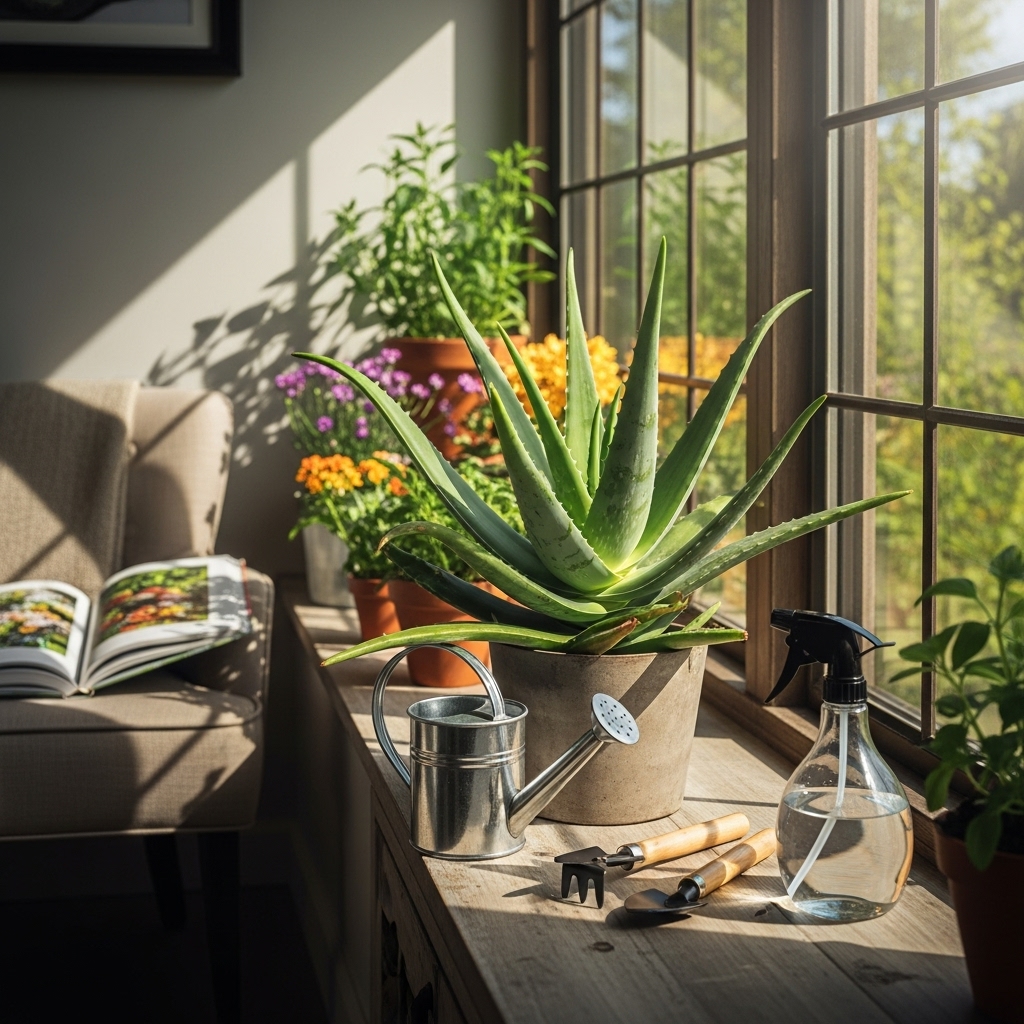
Light is crucial for the health of Aloe Vera plants. I’ve learned through experience that they prefer bright, indirect sunlight. While they can tolerate some direct sunlight, too much can scorch their leaves. I’ve positioned mine on a windowsill where they receive filtered sunlight, and they’ve thrived beautifully. If you notice your Aloe Vera stretching towards the light or developing a pale color, it may be a sign that it’s not getting enough light. On the flip side, if the leaves start browning at the tips, it might be getting too much direct sun. Finding the right balance is key to keeping them healthy.
Optimal Temperature and Humidity
Aloe Vera plants thrive in warm temperatures, ideally between 60°F and 75°F (15°C to 24°C). I remember a winter when I accidentally placed my Aloe Vera too close to a drafty window, and it didn’t enjoy the chill. They can tolerate lower temperatures, but it’s best to keep them away from frost. I’ve found that they don’t require high humidity, making them perfect for homes where the air tends to be dry. If you live in a particularly humid area, just ensure there is good air circulation around your plant to prevent rot.
Choosing the Right Pot and Soil
Selecting the right pot and soil is fundamental in caring for an Aloe Vera plant. I’ve had success using terracotta pots, which allow for better airflow and drainage. A pot with drainage holes is essential, as Aloe Vera doesn’t like to sit in water. As for soil, a well-draining cactus mix works wonders. I’ve also mixed regular potting soil with sand or perlite to enhance drainage, and my Aloe has thrived as a result. Remember, the goal is to create an environment that prevents water from accumulating at the roots, as this can lead to rot and other issues.
Taking care of an Aloe Vera plant is an enjoyable journey. With the right light, temperature, and soil conditions, these delightful plants can flourish and provide benefits for years to come. As we continue, I’ll share more about proper watering techniques and how to ensure your Aloe Vera remains healthy and vibrant.
Watering Your Aloe Vera Plant
How Often to Water Aloe Vera
Watering is one of the most critical aspects of caring for an Aloe Vera plant. I’ve learned the hard way that it’s better to underwater than overwater these beauties. During the warmer months, I usually check my Aloe Vera every two to three weeks. It’s essential to allow the soil to dry out completely between waterings. In the winter, I scale back significantly, watering maybe once a month or even less. I’ve found that the seasons greatly influence their water needs, so always keep an eye on the moisture level in the soil.
Signs of Overwatering and Underwatering
Recognizing the signs of overwatering and underwatering has been a game-changer for me in maintaining the health of my Aloe Vera. If the leaves start to look mushy or translucent, that’s a clear warning that I’ve given it too much water. I remember one plant that I had to revive after it became a bit too soggy; it took some time but eventually bounced back! On the other hand, if the leaves begin to wrinkle or shrivel, it’s crying out for more water. I’ve noticed that keeping a consistent schedule, while also being attentive to the plant’s cues, helps me avoid these issues.
Best Watering Techniques
When it comes to watering, I’ve found that the way I do it can make a big difference. I prefer to water my Aloe Vera thoroughly but infrequently. I use a watering can with a narrow spout, which allows me to direct the water right at the base of the plant. This way, I can avoid getting the leaves too wet, which can lead to rot. I also make sure to let the water drain completely out of the pot’s holes, ensuring that the roots don’t sit in water. After watering, I like to check back in a few hours to see if everything is draining well.
Nutritional Needs
Fertilizing Aloe Vera
Fertilizing is another aspect that I’ve learned can enhance the growth of my Aloe Vera. Surprisingly, these plants don’t require a lot of nutrients. I usually feed mine once in the spring and once in the summer. I’ve found that a diluted, balanced fertilizer works wonders. It’s important to remember that too much fertilizer can harm the plant; I always err on the side of caution. I recall a time when I over-fertilized my Aloe, and it didn’t react well. So now, I stick to a light feeding once or twice a year.
Best Fertilizers for Aloe Vera Plants
Choosing the right fertilizer can make all the difference. I’ve had great success with liquid fertilizers that are high in potassium and low in nitrogen. There are also specialized succulent fertilizers available that provide just the right nutrients without overwhelming the plant. I usually dilute the fertilizer to half the recommended strength to ensure I don’t overdo it. In my experience, using natural options like compost or worm castings can also be beneficial, giving my plants a gentle boost without the risk of burning their roots.
When to Fertilize Aloe Vera
The timing of fertilization is essential for optimal growth. I’ve found that spring is the best time to start feeding my Aloe Vera as they come out of dormancy. During the summer months, I keep feeding every few weeks if the plant seems to be growing actively. However, I completely stop fertilizing in the fall and winter when the plant goes dormant. This seasonal approach has worked wonders for me, allowing my Aloe Vera to thrive without excess nutrients during its rest period.
Propagation Techniques
How to Propagate Aloe Vera from Offsets
Propagating Aloe Vera from offsets, or “pups,” is one of my favorite gardening activities. I love how easy it is! When I notice that my Aloe Vera has produced new pups at its base, I wait until they are about a few inches tall. I carefully detach them from the mother plant using a clean knife, making sure to include some roots. After that, I let the pups sit out for a day or so to callous over before planting them in their own pots with well-draining soil. I remember the excitement of watching them settle in and grow just like their parent! Read Interesting article: Propagate Aloe Vera Easily with This Simple Method!
Propagation from Seeds
While I haven’t tried propagating Aloe Vera from seeds yet, I’ve read it can be a rewarding but slower process. If you’re interested in this method, it’s essential to plant the seeds in a well-draining soil mix. I’d recommend keeping the soil moist but not soggy and placing the pot in a warm area with indirect sunlight. Patience is crucial here, as it might take a few weeks for the seeds to germinate. I find it fascinating how each method of propagation can lead to new plants, each with its own story.
Best Practices for Successful Propagation
To ensure successful propagation, I’ve learned a few best practices. First, always use clean tools to avoid introducing any diseases to your plants. I also recommend using pots with drainage holes to prevent water accumulation. After planting pups or seeds, I keep an eye on the moisture level, ensuring they don’t dry out too quickly. For me, watching these new plants develop has been incredibly rewarding; it’s like nurturing little green miracles!
Common Issues and Solutions
Pests that Affect Aloe Vera
Despite their resilience, Aloe Vera plants can sometimes attract pests. I’ve encountered a few pesky insects during my gardening journey, and it’s essential to catch them early. The most common culprits are aphids, mealybugs, and spider mites. I remember when I first spotted tiny white clumps on my Aloe Vera; it turned out to be mealybugs. They were easy to miss at first, but once I recognized them, I acted quickly. I recommend using a cotton swab dipped in rubbing alcohol to gently wipe them off the leaves. This method is effective and doesn’t harm the plant. For larger infestations, I’ve had success with insecticidal soap or neem oil, which are both safe and organic options.
Common Diseases and How to Treat Them
Just like any other plant, Aloe Vera can be susceptible to diseases. One issue I’ve faced is root rot, usually caused by overwatering. If you notice your plant’s leaves turning yellow and mushy, it’s likely suffering from this condition. In my case, I had to carefully remove the plant from its pot, trim away the affected roots, and repot it in fresh, dry soil. It was a bit of a hassle, but seeing my Aloe recover made it worth it. Another common issue is fungal infections, which can appear as dark spots on the leaves. I’ve found that increasing air circulation and reducing humidity levels can help prevent these problems. If I notice any spots, I treat them with a fungicide and ensure the plant has proper airflow.
Environmental Stress Factors
Aloe Vera can also experience stress due to environmental factors. I’ve learned that changes in temperature, light, or humidity can cause my plant to react. For example, if I place my Aloe in an area that’s too cold, I’ve noticed the leaves can begin to droop or curl. It’s essential to monitor its environment and move it if needed. I’ve also experienced instances where my plant would not thrive despite adequate care. In these cases, I checked for factors like drafts, excessive heat from radiators, or sudden changes in light. Making small adjustments can often bring my Aloe back to health.
Seasonal Care Tips
Summer Care for Aloe Vera
Summer is a vibrant time for my Aloe Vera plants. They seem to thrive with the increased sunlight and warmth. During this season, I make it a point to monitor the watering schedule closely since they can dry out faster. I’ve found that watering every two to three weeks works well. Additionally, I sometimes move my plant outside for a few hours in the morning, allowing it to soak in some natural sunlight. However, I always ensure it’s shaded during the hottest part of the day to prevent sunburn. This summer care routine has led to some of my best growth yet!
Winter Care for Aloe Vera
Winter care is a bit different for my Aloe Vera. I always notice the change in its growth during this season, as it tends to slow down. I’ve learned to cut back on watering significantly, sometimes only giving it a drink once a month. It’s crucial to keep the plant away from drafty windows or heating vents, as drastic temperature changes can stress it out. I typically place mine in a cozy corner that gets indirect light but stays warm. This approach has helped my Aloe remain healthy and happy throughout the colder months.
Signs of Seasonal Stress
Recognizing the signs of seasonal stress has been a valuable lesson for me. I’ve noticed that if my Aloe Vera’s leaves start to wrinkle or turn brown, it might be getting too little water, especially in winter. In contrast, if the leaves begin to turn yellow or feel soft, it might be a sign of overwatering. Another indicator is if the plant appears to be stretching towards the light, signaling it’s not receiving enough brightness. Being attentive to these signs allows me to adjust my care techniques based on the seasons and ensure my Aloe thrives year-round.
Frequently Asked Questions (FAQs)
How long do Aloe Vera plants live?
Aloe Vera plants can live quite a long time with proper care—often up to 25 years or more! I’ve had mine for several years, and as long as I provide the right environment, they continue to thrive. I believe that the key is consistent attention to their needs, including light, water, and nutrients.
Can Aloe Vera survive indoors?
Absolutely! Aloe Vera is perfect for indoor gardening. I keep mine on a bright windowsill where it gets plenty of indirect sunlight. It’s a great option for anyone looking to add greenery to their home without needing extensive outdoor space. Read Interesting article: Your Aloe Vera Can Flower! Here’s the Secret You Need to Know!
What to do if my Aloe Vera is turning brown?
If you notice your Aloe Vera turning brown, it’s essential to check for a few things. Browning can indicate either too much sunlight or overwatering. I usually assess the conditions and adjust accordingly—if it’s getting too much sun, I move it to a shadier spot, and if it’s been overwatered, I let the soil dry out completely before giving it another drink. Regular checks can help catch these issues early!