
Taking care of a basil plant involves providing the right growing conditions, regular watering, and proper nutrition to ensure it thrives. I’ve found that with a little attention to its needs, basil can become a flourishing addition to any kitchen garden. For a comprehensive guide, check out How to Care for a Basil Plant (Keep It Alive Longer).
Table of Contents
Introduction to Basil Plants
What is Basil?
Basil is a fragrant herb that belongs to the mint family, and it’s one of the most popular culinary herbs around the world. I remember the first time I caught a whiff of fresh basil; the aroma was so invigorating that I decided to grow my own. It’s used in various dishes, especially in Italian and Mediterranean cuisine, and its leaves add a burst of flavor to anything from pasta sauces to salads. Not only is basil delightful to cook with, but it’s also relatively easy to cultivate, making it a favorite for both novice and seasoned gardeners.
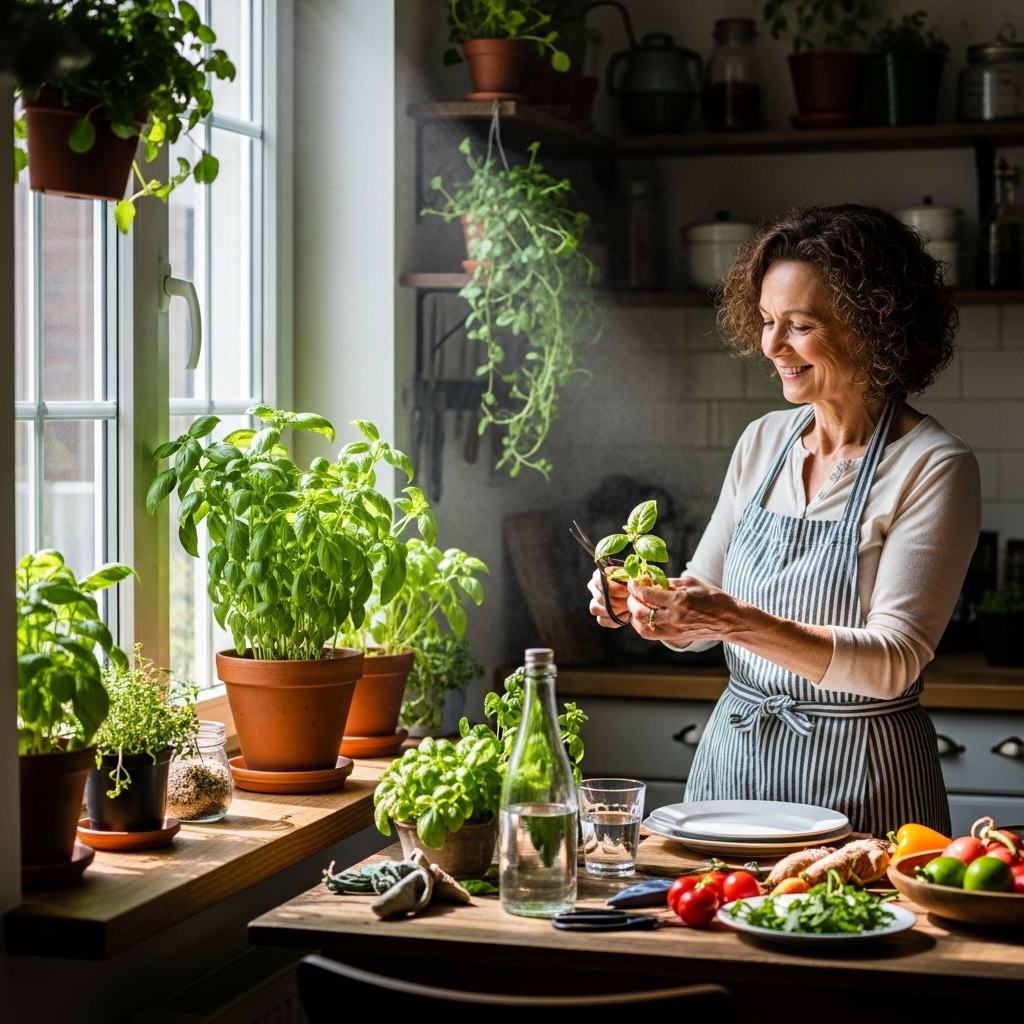
Types of Basil Varieties
There are several varieties of basil, each with its unique flavor and aroma. Sweet basil is the most common type used in cooking, but my personal favorite is Thai basil. It has a slightly spicy taste and is fantastic in stir-fries. Other popular varieties include Genovese basil, which is great for pesto, and lemon basil, known for its citrusy notes. When I first started growing basil, I planted a few different types, and it was fun to experiment with their flavors in various recipes. If you’re considering growing basil, I recommend trying out a couple of varieties to see which ones you enjoy the most!
Benefits of Growing Basil
Growing basil has so many benefits beyond just its culinary uses. For one, it’s relatively low-maintenance, which is a huge plus for someone like me who sometimes forgets to tend to my plants. Basil also has natural pest-repelling properties, which can help keep your garden healthier. Plus, it’s packed with nutrients, including vitamins A, K, and C, making it a great addition to your diet. I’ve found that having fresh basil on hand not only enhances my meals but also inspires me to cook more. It’s like having my own little herb garden right in my kitchen!
Optimal Growing Conditions for Basil
Soil Requirements
One of the keys to keeping a basil plant thriving is providing it with the right soil. I’ve learned that basil prefers well-draining soil that is rich in organic matter. A good mix is one part potting soil and one part perlite or sand, which helps with drainage. When I first started out, I used regular garden soil, and my plants struggled. Since switching to a better mix, I’ve seen a noticeable difference in their growth. It’s also a good idea to check the pH level of your soil; basil thrives in slightly acidic to neutral soil, around 6.0 to 7.0. If you’re unsure about your soil’s quality, you can always amend it with compost or organic fertilizers to give your basil a boost.
Light Preferences
Basil loves sunlight, so ensuring it gets enough light is crucial. I’ve discovered that placing my basil plants in a spot where they receive at least 6 to 8 hours of direct sunlight a day helps them flourish. If you’re growing basil indoors, a south-facing window works wonders. However, if you notice your plant stretching towards the light, it may be a sign that it needs more sun. In my experience, I’ve also used grow lights during the winter months, and it made a significant difference in keeping my basil healthy and vibrant.
Temperature and Humidity
Basil is a warm-weather plant that thrives in temperatures between 70°F and 90°F (21°C to 32°C). I remember one summer when I left my basil plants outside during a cold snap, and they didn’t fare well. Keeping them in a warm environment is essential, especially if you’re growing them indoors. If you notice any drooping or browning leaves, it might be a sign that they’re too cold. Basil also enjoys humidity, so if you live in a dry climate, misting your plants occasionally or using a humidity tray can help. I’ve found that keeping a close eye on both temperature and humidity levels ensures my basil stays lush and green.
How to Plant Basil
Choosing the Right Container
When it comes to planting basil, the right container can make all the difference. I’ve experimented with various pots, and I’ve found that choosing a container with good drainage holes is essential. Basil doesn’t like to sit in water, so having a pot that allows excess moisture to escape is key. I usually opt for a pot that’s at least 6 to 8 inches in diameter, giving the roots enough room to grow. If you’re feeling creative, you can even decorate your pots to make your basil garden more visually appealing.
Starting from Seeds vs. Seedlings
Deciding whether to start basil from seeds or seedlings can be a bit daunting. I’ve done both, and they each have their perks. Starting from seeds is cost-effective and can be a rewarding experience, especially watching them sprout and grow. However, it does require patience, as seeds can take a couple of weeks to germinate. On the other hand, purchasing seedlings from a nursery gives you a head start. I often recommend starting with seedlings if you want immediate results, especially for beginners. Either way, you’ll end up with delicious basil in your kitchen!
Planting Techniques
When planting basil, spacing is important. I’ve learned that giving each plant enough room to grow helps prevent overcrowding and promotes healthy airflow. If you’re planting seeds, I usually sprinkle them lightly on the soil surface and cover them with a thin layer of soil. For seedlings, I gently remove them from their pots and place them in the new container, ensuring the root ball is covered but the crown stays above the soil. Once planted, a light watering helps settle the soil around the roots. Watching my basil grow from this stage is always exciting, and with the right care, I know they’ll thrive!
Watering Basil Plants
Signs of Overwatering
Watering can be a tricky balance when it comes to basil. I’ve had my fair share of experiences with overwatering, and let me tell you, it’s not pretty. One of the first signs I noticed was yellowing leaves. If your basil leaves are turning yellow and feel mushy, it’s likely a sign that you’ve given it too much water. The roots can become waterlogged and start to rot, which is a death sentence for the plant. I remember once when I was so eager to keep my plants hydrated that I ended up drowning them. Learning to spot these signs was a game-changer for me, and I’ve since become more mindful about my watering habits.
Signs of Underwatering
On the flip side, underwatering can also be a concern. I’ve seen my basil plants droop dramatically when they’re thirsty. If the leaves start to curl or feel dry and crispy, it’s time to give them a drink. The soil will often pull away from the edges of the pot, indicating that it’s time to water. What I do now is check the top inch of soil; if it feels dry, I know it’s time to water. Finding that sweet spot between overwatering and underwatering has been crucial in keeping my basil healthy and vibrant.
Best Watering Practices
To ensure my basil gets just the right amount of water, I’ve adopted a few best practices. I prefer to water my basil plants in the morning. This gives them a chance to absorb the moisture before the heat of the day. I use a watering can with a narrow spout to control the flow better and avoid making a mess. I usually water until I see a little runoff at the bottom of the pot, indicating that the roots are getting a good soak without sitting in water. I’ve found that consistency is key—keeping a regular watering schedule helps my basil stay healthy and thriving.
Nutrient Requirements for Basil
Understanding Fertilizers
Providing the right nutrients is essential for basil’s growth, and I’ve learned that understanding fertilizers can make a huge difference. Basil is a heavy feeder, meaning it benefits from regular applications of nutrients. I started with a basic all-purpose fertilizer, but I quickly realized that my plants needed something more tailored. The nutrients in the soil can deplete over time, especially if you’re watering frequently, so I try to replenish them regularly. For more information on maintaining healthy plants, you might want to read How to Get Rid of Gnats in My Plants (Fast Fixes).
Organic vs. Synthetic Fertilizers
When it comes to choosing between organic and synthetic fertilizers, I’ve found that organic options often work best for my basil. They tend to release nutrients slowly, which keeps the plants fed over a longer period. I like using compost or worm castings, as they are natural and improve soil health. Synthetic fertilizers can provide a quick nutrient boost, but I’ve noticed that they can sometimes lead to a rapid growth spurt that makes the plants leggy. For me, the slower, steady growth of organic fertilizers has produced healthier, more flavorful basil.
How to Feed Your Basil Plant
Feeding my basil has become a routine that I genuinely enjoy. I typically start fertilizing about four to six weeks after planting or when I notice new growth. I mix my organic fertilizer into the soil according to the package instructions, usually every four to six weeks. I also love to use a liquid fertilizer for a quick boost, diluting it in water before applying. I’ve learned to be cautious about over-fertilizing, as this can lead to an excess of nutrients, which isn’t good for the plants. Watching my basil thrive after a good feeding is one of the most rewarding parts of gardening!
Pest and Disease Management
Common Pests Affecting Basil
Basil can attract a few pests that I’ve had to deal with over the years. Aphids, spider mites, and whiteflies are some of the usual suspects. I remember the first time I spotted aphids on my basil; I was devastated! They can multiply quickly and suck the life out of the leaves. I’ve learned that keeping an eye on the underside of the leaves can help catch these pests early. If I notice a few, I simply spray them off with a strong stream of water, and it usually does the trick.
Signs of Disease
Basil is prone to a few diseases, too, particularly downy mildew and fusarium wilt. I’ve recognized downy mildew by a fuzzy white growth on the leaves, especially in humid conditions. It’s essential to act quickly if you notice this since it can spread rapidly. I’ve had to remove infected leaves and ensure proper airflow around my plants to prevent it from spreading. Keeping the leaves dry and avoiding overcrowding has helped me significantly reduce disease issues.
Natural Remedies for Pest Control
Over the years, I’ve favored natural remedies for pest control. I often mix a few drops of dish soap with water to create a simple insecticidal soap spray. This has worked wonders against pests without harming my plants. Neem oil is another favorite of mine; it repels pests while also acting as a fungicide. I’ve found that regular inspections, combined with these natural treatments, keep my basil healthy and thriving without the need for harsh chemicals.
Pruning and Harvesting Basil
When to Prune Basil
Pruning basil is one of those gardening tasks that I’ve learned to embrace wholeheartedly. I remember my early days of growing basil when I was too hesitant to cut anything. However, I quickly discovered that regular pruning promotes bushier plants and encourages more leaf growth. I typically start pruning when my basil plants reach about 6 to 8 inches tall. This usually happens when they have a few sets of true leaves. Pruning is best done in the morning when the plants are well-hydrated. This way, they can recover quickly from the trimming. I always keep an eye on my plants and prune them back every few weeks to maintain their shape and health.
Techniques for Pruning
When it comes to pruning, I’ve found that using clean, sharp scissors makes the process smooth. I usually look for the stem just above a set of leaves and make my cut there. This encourages new growth from the nodes below the cut. I’ve also learned to avoid cutting more than one-third of the plant at a time, as this can stress the basil. After pruning, I like to take a moment to admire the neatness of my basil plants. It’s surprising how a little trimming can make such a big difference in their appearance and health.
How to Harvest Basil Leaves
Harvesting basil is one of my favorite parts of growing this herb. I always make sure to pick the leaves regularly to encourage more growth and prevent my plants from flowering too early. When I harvest, I look for the larger, mature leaves at the top of the plant. I gently pinch or cut them off, making sure to leave some leaves behind for the plant to continue thriving. I’ve found that the best time to harvest is just before the plant flowers, as the flavor of the leaves is at its peak. Plus, I love the satisfaction of being able to use fresh basil in my meals right from my garden!
Storing and Using Fresh Basil
Best Methods for Storing Basil
Once I’ve harvested my basil, I want to ensure it stays as fresh as possible. I’ve tried a few different methods and found that keeping basil in a glass of water works wonders. I simply trim the stems and place them in a jar with water, like a bouquet of flowers. I store this in the fridge, where it can last for a week or more. If I have a larger harvest, I often wash and dry the leaves, then store them in a sealed container lined with a paper towel to absorb excess moisture. This method keeps the leaves fresh for several days.
Creative Ways to Use Basil in Cooking
Using fresh basil in my cooking is always a joy. I love incorporating it into dishes like pasta, pizza, and salads. One of my favorite ways to enjoy basil is by making a classic Caprese salad with fresh mozzarella, tomatoes, and a drizzle of balsamic vinegar. It’s such a simple dish, yet the flavors are incredible. I also enjoy adding basil to homemade sauces, where its flavor can really shine. I often toss it into stir-fries or use it as a garnish for soups. The more I use it, the more I discover how well it pairs with various ingredients!
Making Basil Infused Oil or Pesto
One of the most delightful ways to preserve basil is by making basil-infused oil or pesto. I’ve made both, and they never fail to impress. For basil-infused oil, I simply blend fresh basil leaves with olive oil and strain it through a fine mesh sieve. It’s a beautiful way to add flavor to dressings, marinades, or even as a drizzle over grilled vegetables. Pesto is another fantastic use for basil. I blend fresh basil with garlic, pine nuts, Parmesan cheese, and olive oil for a sauce that can transform a simple pasta dish into something special. I often make a big batch and freeze it in ice cube trays for quick use later. The versatility of basil in the kitchen has truly enhanced my cooking experience!
Common Mistakes to Avoid
Overcrowding Plants
As I’ve learned in my gardening journey, overcrowding can be a real issue for basil plants. When I first started, I thought I could fit as many plants as possible in one pot. The result? Stunted growth and a lack of airflow. Now, I make sure to give each basil plant enough space to thrive. I typically leave at least 12 inches between plants, and I’ve seen a significant improvement in their health and size since making this change.
Neglecting Light and Water Needs
I can’t stress enough how important it is to pay attention to my plants’ light and water needs. I’ve made the mistake of placing my basil in a shady spot, only to watch it become leggy and weak. I’ve also overwatered a few times, leading to root rot. Now, I carefully monitor their light exposure and make sure they get enough sun each day. I’ve also set a watering schedule to help me remember when to check in on them. Consistency has been key in keeping my basil plants healthy!
Ignoring Pest Control
Ignoring pests has been another misstep that I’ve learned to avoid. I remember once letting aphids run rampant on my basil, thinking they were no big deal. By the time I acted, my plants were severely affected. Now, I regularly check my plants for any signs of pests. I’ve also found that a proactive approach—like using natural repellents and maintaining plant health—has kept my basil thriving and free of infestations. The effort is well worth the healthy, vibrant plants I get in return!
Frequently Asked Questions (FAQs)
How often should I water my basil plant?
Watering frequency can depend on your environment, but generally, I recommend checking the top inch of soil daily. If it feels dry, it’s time to water. Consistency is important, especially during hot weather.
Can basil grow indoors?
Absolutely! I’ve successfully grown basil indoors. Just ensure it gets enough sunlight—consider a south-facing window or grow lights if needed. Indoor basil can thrive with the right conditions.
What is the best temperature for basil?
Basil prefers temperatures between 70°F and 90°F (21°C to 32°C). Keeping it warm will help it grow healthy and strong.
How do I know when my basil is ready to harvest?
Basil is usually ready to harvest when it reaches about 6 to 8 inches tall and has a few sets of mature leaves. I like to pick the larger leaves regularly to encourage growth!
Frequently Asked Questions
What is basil and why is it popular?
Basil is a fragrant herb from the mint family, widely used in culinary dishes, particularly in Italian and Mediterranean cuisine. Its leaves add flavor to various recipes, making it a favorite among both novice and seasoned gardeners.
What are some common varieties of basil?
Common varieties of basil include sweet basil, Thai basil, Genovese basil, and lemon basil. Each type has its unique flavor, making them suitable for different culinary uses.
What are the optimal growing conditions for basil?
Basil thrives in well-draining soil rich in organic matter, requires at least 6 to 8 hours of direct sunlight daily, and prefers warm temperatures between 70°F and 90°F (21°C to 32°C).
How should I water my basil plant?
Watering can vary, but it’s important to check the top inch of soil daily. If it feels dry, it’s time to water. Consistency is key—especially in hot weather—to avoid overwatering or underwatering.
What nutrient requirements does basil have?
Basil is a heavy feeder and benefits from regular applications of nutrients. Using organic fertilizers, such as compost or worm castings, is recommended for steady growth and enhanced flavor.
What pests and diseases can affect basil?
Basil can attract pests like aphids, spider mites, and whiteflies, as well as diseases such as downy mildew and fusarium wilt. Regular inspections and early intervention are crucial to manage these issues.
When and how should I prune basil?
Pruning should start when basil plants reach about 6 to 8 inches tall. Regular pruning promotes bushier plants and new leaf growth. It’s best done in the morning with clean, sharp scissors.
How can I store fresh basil after harvesting?
Fresh basil can be stored in a glass of water in the fridge or, for larger harvests, washed and dried, then stored in a sealed container lined with a paper towel to absorb moisture.
What are some creative ways to use basil in cooking?
Basil can be used in various dishes, such as pasta, pizza, salads, and sauces. It is also great for making basil-infused oil or pesto, adding unique flavors to meals.
What common mistakes should I avoid when growing basil?
Avoid overcrowding plants, neglecting their light and water needs, and ignoring pest control. Ensuring proper spacing, consistent watering, and regular pest inspections will help maintain healthy basil plants.
Are there any plants that are toxic to cats?
While basil is generally safe, some plants can be toxic to cats. For more information on this topic, you can read Are Aloe Plants Toxic to Cats? Safety Guide.