
Taking care of a snake plant is relatively easy, as they are low-maintenance houseplants that thrive in various conditions. I’ve found that with just a little attention, they can flourish and even improve indoor air quality. Read Interesting article: How to Take Care of a Snake Plant (Complete Guide)
Snake plants, also known as Sansevieria or mother-in-law’s tongue, are perfect for both novice and experienced plant lovers.
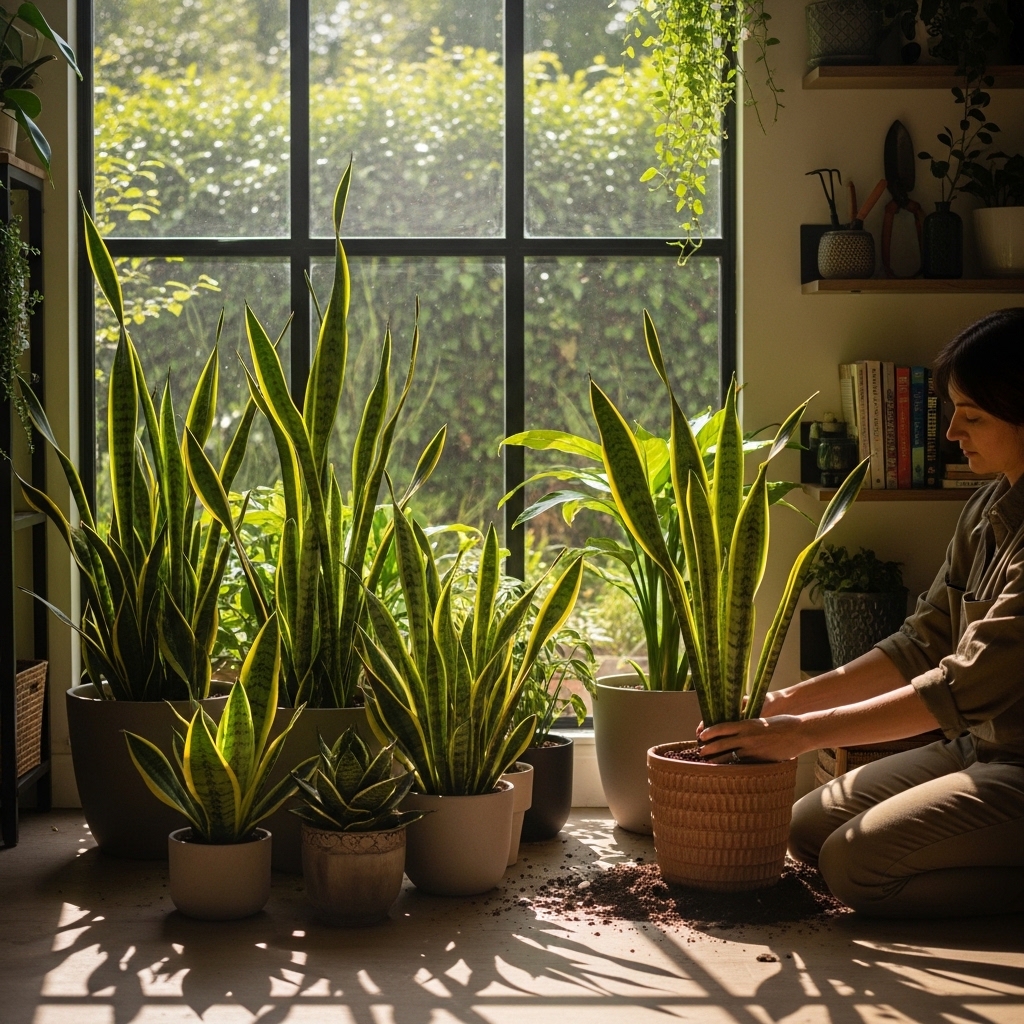
Overview of Snake Plants
What is a Snake Plant?
A snake plant is a hardy succulent known for its striking vertical leaves, which can grow anywhere from a few inches to several feet tall. They have thick, fleshy leaves that store water, making them drought-tolerant. I remember when I first got my snake plant; I was fascinated by its unique, sword-like leaves that seemed to reach for the sky. They’re not just pretty; they’re also incredibly resilient, which is why they’ve become a popular choice for indoor gardening.
Common Varieties of Snake Plants
There are several varieties of snake plants, each with its own distinct characteristics. Here are a few of my favorites:
- Sansevieria trifasciata: This is the classic snake plant, known for its tall, upright leaves that are green with lighter green bands. I love the way they add height to my plant collection.
- Sansevieria cylindrica: Also known as the cylindrical snake plant, this variety has round, tubular leaves. It’s a great conversation starter!
- Sansevieria Laurentii: Recognizable by its yellow edges, this variety adds a splash of color to any space. I have one that sits on my windowsill, and it always catches the eye of visitors.
- Sansevieria moonshine: With its silvery-green leaves, this variety stands out beautifully. I remember being drawn to its unique color when I first saw one at a local nursery.
Benefits of Having a Snake Plant
Beyond their beauty, snake plants offer a variety of benefits that make them a fantastic choice for our homes. For one, they are known for their air-purifying qualities, helping to filter out toxins like formaldehyde and benzene from the air. In my experience, having a snake plant nearby makes my space feel fresher and more vibrant.
Additionally, snake plants are incredibly forgiving when it comes to care. They can survive in low light and require minimal watering, which is perfect for those of us who may forget to tend to our plants regularly. Their ability to thrive on neglect is a huge plus for me, especially on busy weeks.
Moreover, they can also contribute to improved humidity levels in a room, which can be beneficial for our skin and respiratory health. I’ve noticed that my snake plants seem to create a more comfortable atmosphere in my home, especially during the dry winter months.
Overall, having a snake plant not only enhances the aesthetic of my space but also contributes to a healthier living environment. If you’re considering adding one to your collection, I wholeheartedly recommend it! Read Interesting article: How to Care for a Snake Plant (Ultimate Guide)
Choosing the Right Environment
Ideal Lighting Conditions
When it comes to lighting, snake plants are incredibly versatile. They can adapt to various light conditions, from low light to bright, indirect sunlight. I’ve experimented with mine in different spots around my home, and I’ve found that they seem to do well in nearly any environment. However, they thrive best in indirect light, which helps maintain their vibrant leaf colors.
If you place your snake plant in direct sunlight, you might notice some leaf burn. I learned this the hard way; my plant started to develop brown tips when I had it too close to the window during summer. So, I now keep mine a few feet away from the window, where it gets ample light without being scorched.
Temperature and Humidity Requirements
Temperature plays a significant role in the well-being of snake plants. They prefer temperatures between 60°F to 80°F (15°C to 27°C). I’ve noticed that my snake plant flourishes when kept in this range, especially during the warmer months. However, they can tolerate cooler temperatures down to about 50°F (10°C), though prolonged exposure to cold can be harmful.
As for humidity, snake plants are quite adaptable. They can handle dry indoor air, which is a plus during winter when heating systems can suck the moisture right out of our spaces. I’ve found that they do best without excessive humidity, which makes them perfect for my home where the air can get quite dry.
Choosing the Right Potting Mix
Choosing the right potting mix is essential for the health of your snake plant. I recommend using a well-draining potting mix, such as a cactus or succulent blend. These mixes allow excess water to escape easily, which helps prevent root rot—something I learned the hard way with my first snake plant. I had used a regular potting soil, and it retained too much moisture, leading to some unhappy leaves.
Adding some perlite or coarse sand to standard potting soil can also improve drainage. I’ve found that mixing in these materials creates a perfect environment for my snake plants, ensuring they get the drainage they need to thrive.
By understanding the ideal environment for your snake plant, you can set the stage for it to flourish and enhance your space beautifully. It’s all about striking the right balance, and once you do, you’ll be amazed at how well these plants can adapt and grow in your home!
Watering Guidelines
How Often to Water a Snake Plant
One of the great things about snake plants is that they’re incredibly forgiving when it comes to watering. In my experience, I’ve learned that it’s better to underwater than overwater these resilient plants. I generally water mine every 2-6 weeks, depending on the season. During the growing season in spring and summer, they appreciate a bit more moisture, but in the fall and winter, they thrive on much less. I now check the soil before watering; if the top inch is dry, it’s time to give my snake plant a drink.
Signs of Overwatering vs. Underwatering
Recognizing the signs of overwatering and underwatering can be a game-changer for keeping your snake plant healthy. If you notice yellowing leaves, mushy stems, or a foul smell from the soil, those are classic signs of overwatering. I had a rough patch when I first started, thinking my plant needed constant watering. It didn’t take long for the roots to rot, and I lost a couple of leaves. But on the flip side, if the leaves start to wrinkle and feel soft, that’s a sign of underwatering. My snake plant has a way of telling me when she’s thirsty—those leaves will start to droop, reminding me it’s time for a drink!
Best Practices for Watering
When it comes to the actual process of watering, I’ve found that a little goes a long way. I typically water my snake plant until I see some water draining from the bottom of the pot. Using a pot with drainage holes is crucial; it prevents excess water from sitting in the bottom, which can lead to root rot. I also prefer to use room temperature water because I feel it’s gentler on the roots. It’s such a simple task, but it makes a world of difference!
Fertilizing Your Snake Plant
When to Fertilize
Fertilizing is another aspect where I’ve made some mistakes in the past. Snake plants don’t require much feeding, so I usually fertilize mine once in the spring and once in the summer. During the fall and winter, I skip fertilizing altogether since the plant is in a resting phase. I remember the first time I over-fertilized; my snake plant grew tall but weak, and the leaves started to droop. It’s important to find a balance and give them just what they need.
Types of Fertilizers to Use
When it comes to fertilizer, I’ve found that a balanced, water-soluble houseplant fertilizer works well for snake plants. I prefer one that has equal parts nitrogen, phosphorus, and potassium. It’s super important not to use anything too strong. I also like to dilute the fertilizer to half-strength before applying it, as snake plants tend to be sensitive to excess nutrients. Trust me; your plant will thank you!
How to Apply Fertilizer
Applying fertilizer is quite straightforward. I simply mix it in with my watering can and pour it over the soil, making sure to avoid the leaves. I’ve learned to be careful during application, as getting fertilizer on the leaves can cause burns. After applying, I always make sure to water the plant again with plain water afterward to help wash away any excess that might be lingering on the surface.
Repotting Your Snake Plant
Signs It’s Time to Repot
Repotting can seem intimidating, but it’s a necessary part of keeping our snake plants healthy. I typically look for signs like roots growing out of the drainage holes or when the plant seems to be outgrowing its pot. When I noticed my plant sitting a bit too snugly in its pot, it was time for a change. I also keep an eye out for yellowing leaves, which can indicate that the plant is root-bound.
Steps to Repot a Snake Plant
When it’s time to repot, I like to choose a pot that is one size larger than the current one. I carefully remove the snake plant from its pot, gently loosening the roots if they’re tangled. Then, I place it in the new pot and fill in with fresh potting mix, ensuring it’s well-draining. I remember the first time I repotted my snake plant; I was nervous but ultimately relieved to see it thrive after the move!
Best Potting Practices
In my experience, ensuring good drainage is key. I always make sure to use a pot with drainage holes and a well-draining potting mix. After repotting, I wait a week before watering to allow the roots to settle in properly. This has worked well for me, reducing the risk of shock and promoting healthy new growth!
Propagation Techniques
Leaf Cuttings Method
Propagation is one of the most exciting aspects of plant care, and snake plants make it really easy! I’ve had great success using the leaf cuttings method. To start, I take a healthy leaf from my snake plant and cut it into sections about 3-4 inches long. I remember feeling a mix of excitement and nervousness the first time I did this, but it turned out to be a rewarding experience! After cutting, I let the ends dry out for a day or two to form a callous. This helps prevent rot when I place them in soil.
Once the ends are dry, I plant the cuttings in a well-draining potting mix, burying them about an inch deep. I usually keep the pot in a warm, bright spot but out of direct sunlight. Watering is minimal at this stage; I give them a light mist to start, and then I wait until I see new growth before watering more regularly. It’s thrilling to see new roots forming and eventually, new leaves sprouting up!
Division Method
The division method is another effective way to propagate snake plants, and I’ve used it successfully a few times. For this method, I wait until my snake plant is due for repotting—usually every couple of years. When I remove the plant from its pot, I can gently separate the roots into smaller sections, making sure each section has at least a few leaves attached. I remember the first time I divided my plant; it felt like I was giving it a new life!
After separating the sections, I pot them up individually in fresh potting mix. I’ve found that keeping the new pots slightly away from direct sunlight helps them acclimate better. I give them a little extra care during this time, like keeping the soil moist but not soggy. It’s incredibly satisfying to see them grow into new, thriving plants!
Best Time to Propagate
Timing is everything when it comes to propagation. From my experience, the best time to propagate snake plants is during the growing season, which is typically spring and summer. The warmer temperatures and increased light help the cuttings and divisions establish roots more quickly. I’ve tried propagating in the fall, but I noticed that the plants took longer to adjust and grow. So, I always mark my calendar for spring to take cuttings or divide my plants!
Overall, I love propagating my snake plants. Each successful propagation feels like I’m expanding my little green family, and it’s a fun way to share plants with friends and family!
Pest and Disease Management
Common Pests Affecting Snake Plants
While snake plants are resilient, they can still fall victim to pests. I’ve encountered a few common ones, including mealybugs, spider mites, and aphids. Mealybugs are tiny white cotton-like pests that often hide in the leaf joints. I remember the first time I spotted them; I was horrified! Spider mites are tricky because they’re so small, but you might notice webbing on the leaves or tiny specks moving around. Aphids are also small and can cluster on new growth, sucking the sap from the leaves.
Prevention is key, and I’ve learned that keeping my plants clean helps. I like to gently wipe the leaves with a damp cloth every now and then to remove dust and any potential pests. It’s a simple routine that has really paid off!
Signs of Disease
Even though snake plants are generally low-maintenance, they can still face some challenges. One of the most common issues is root rot, which I learned the hard way. If I notice yellowing leaves or a mushy base, I know it’s time to investigate the roots. Another sign of trouble can be black spots on the leaves, which often indicates a fungal issue. It’s essential to catch these problems early to prevent further damage, so I always stay vigilant!
How to Treat Pests and Diseases
When it comes to treatment, I’ve found that neem oil is my go-to for pest problems. It’s a natural pesticide that helps eliminate pests without harming my plants. I mix it with water according to the instructions and spray it on the affected areas. For diseases, I usually remove the affected leaves and ensure I’m not overwatering. If I have a case of root rot, I’ll repot the plant in fresh, dry soil and trim away any rotten roots. It’s a bit of work, but I’ve seen my plants bounce back beautifully!
By learning to identify pests and diseases early, I feel more equipped to keep my snake plants healthy and thriving. It’s all part of the journey, and the rewards are worth the effort!
Frequently Asked Questions
What is a snake plant?
A snake plant is a hardy succulent known for its striking vertical leaves, which can grow anywhere from a few inches to several feet tall. They have thick, fleshy leaves that store water, making them drought-tolerant and incredibly resilient.
What are some common varieties of snake plants?
Some common varieties of snake plants include Sansevieria trifasciata (the classic snake plant), Sansevieria cylindrica (the cylindrical snake plant), Sansevieria Laurentii (with yellow edges), and Sansevieria moonshine (with silvery-green leaves).
What are the benefits of having a snake plant?
Snake plants are known for their air-purifying qualities, helping to filter out toxins like formaldehyde and benzene. They are forgiving in terms of care, can survive in low light, require minimal watering, and can improve humidity levels in a room.
What are the ideal lighting conditions for snake plants?
Snake plants are versatile and can adapt to various light conditions, from low light to bright, indirect sunlight. They thrive best in indirect light, but direct sunlight can cause leaf burn.
What are the temperature and humidity requirements for snake plants?
Snake plants prefer temperatures between 60°F to 80°F (15°C to 27°C) and can tolerate cooler temperatures down to about 50°F (10°C). They are adaptable to dry indoor air and do best without excessive humidity.
How often should I water a snake plant?
It’s better to underwater than overwater snake plants. Typically, they should be watered every 2-6 weeks, depending on the season. Watering is more frequent in spring and summer and less in fall and winter.
What are the signs of overwatering and underwatering a snake plant?
Signs of overwatering include yellowing leaves, mushy stems, and a foul smell from the soil. Underwatering signs include wrinkling leaves that feel soft and drooping leaves.
When should I fertilize my snake plant?
Fertilizing should be done once in the spring and once in the summer, while skipping fertilization during the fall and winter when the plant is in a resting phase.
How can I propagate my snake plant?
Propagation can be done using the leaf cuttings method or the division method. For leaf cuttings, cut a healthy leaf into sections, let them dry, and then plant them in well-draining soil. For division, separate the roots during repotting and plant the sections in new pots.
What should I do about pests and diseases affecting my snake plant?
Common pests include mealybugs, spider mites, and aphids. Keeping plants clean helps prevent these pests. For treatment, neem oil can be used for pests, and affected leaves should be removed for diseases like root rot, which requires repotting in fresh, dry soil. Read Interesting article: Is Snake Plant Toxic to Cats? Warning Signs & Care