
The best way to encourage more leaves on your basil plant is to trim it regularly. By cutting back the plant, you promote bushier growth and enhance the overall flavor of the leaves.
Understanding Basil Plants
As a basil lover, I find these plants to be one of the most rewarding herbs to grow. They not only add flavor to countless dishes but also bring a lovely fragrance to the garden or kitchen. Understanding the basics of basil is key to keeping your plant healthy and productive. If you want to learn more about general planting techniques, check out How to Plant Anything the Right Way (Beginner Guide).
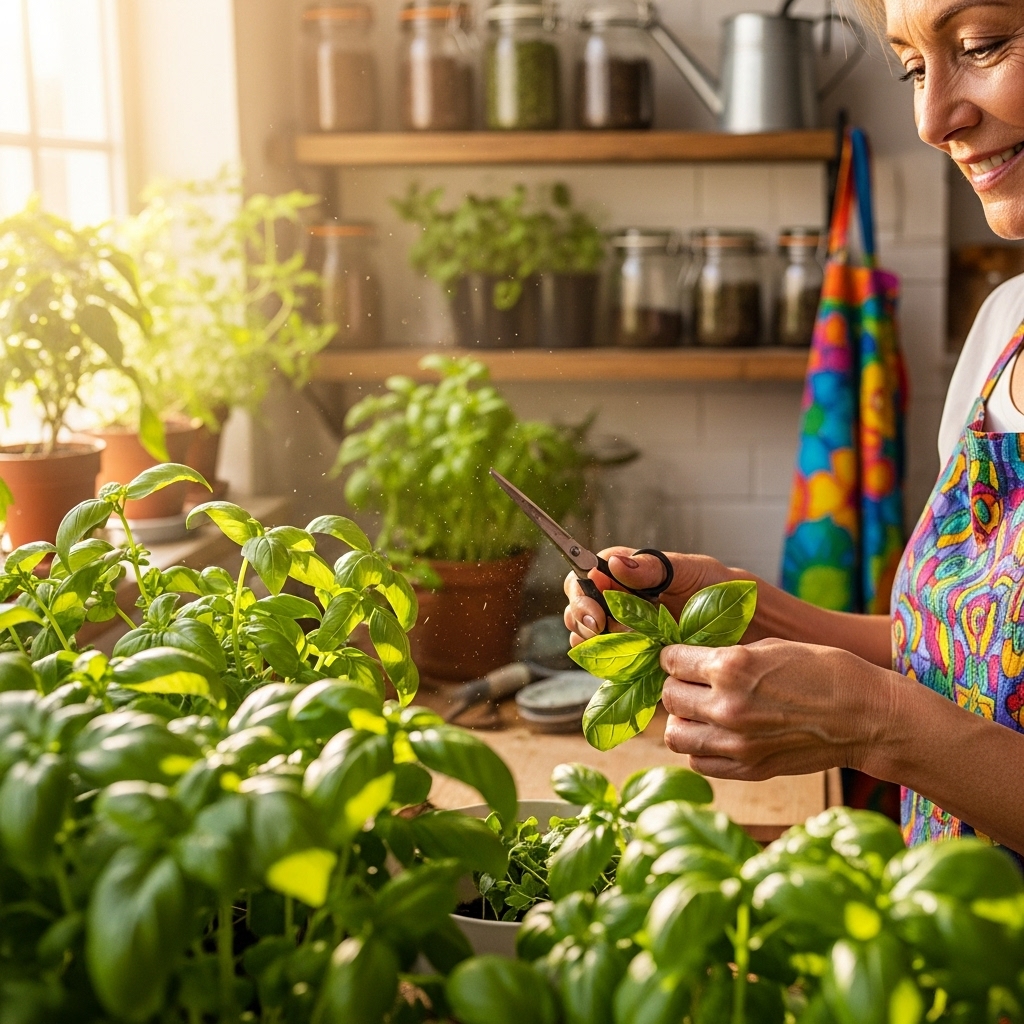
Types of Basil
There are several varieties of basil, each with its unique flavor and characteristics. The most common ones include:
- Sweet Basil: This is the most popular type, often used in Italian dishes like pesto and caprese salad. Its sweet flavor is what most people think of when they hear “basil.”
- Thai Basil: With its slightly spicy flavor and purple stems, Thai basil is perfect in Asian dishes, especially in stir-fries and curries.
- Lemon Basil: As the name suggests, this variety has a citrusy scent and flavor, making it a great addition to salads and seafood dishes.
- Holy Basil (Tulsi): Revered in Indian culture, this basil has a spicy, clove-like flavor and is often used in herbal teas and remedies.
Knowing which type of basil you have can help you understand its growth habits and how to care for it. Each variety may respond slightly differently to trimming and growing conditions, so I recommend doing a bit of research if you’re trying to grow a new type. You can read more about plant needs in What Do Plants Need to Grow and Thrive? Full Guide.
Growth Habits and Lifespan
Basil is typically grown as an annual herb, meaning it completes its life cycle in one growing season. However, in warmer climates, it can behave like a perennial. I’ve noticed that basil plants love warm weather and need plenty of sunlight—at least six hours a day. If you’re growing basil indoors, placing it near a sunny window can work wonders.
One thing I’ve learned is that basil can become leggy if it doesn’t get enough light. Legginess is when the plant grows tall and spindly, becoming weak and less productive. This is where proper trimming comes into play. By trimming your basil regularly, you can encourage a fuller, bushier plant that produces plenty of leaves.
Benefits of Trimming Basil
Trimming basil isn’t just about aesthetics; it comes with numerous benefits that can significantly enhance your plant’s growth and flavor. I’ve found that knowing these benefits motivates me to keep my basil plants well-trimmed.
Encouraging Leaf Growth
One of the primary reasons to trim basil is to encourage more leaf growth. When you cut back the stems, the plant responds by sending out new shoots. I remember the first time I trimmed my basil plant; I was shocked at how quickly it grew back, fuller and more robust than before. This is because trimming removes the apical dominance, allowing the lower branches to catch up and produce more leaves.
Improving Flavor and Aroma
Another fantastic benefit of trimming is that it can enhance the flavor and aroma of your basil. When you regularly prune the plant, you promote healthier growth, which leads to more flavorful leaves. I’ve noticed that my trimmed basil has a much richer scent and taste, which is essential when I use it for cooking.
Preventing Flowering
Basil plants are notorious for going to seed if left unchecked. Once they start flowering, the leaves can become bitter, and the plant may focus its energy on producing seeds rather than leaves. I’ve learned the hard way that regular trimming helps prevent flowering, ensuring that I have a steady supply of fresh, flavorful leaves for my dishes. By removing flower buds as soon as they appear, I can keep my basil plant focused on producing leaves.
When to Trim Your Basil Plant
Timing is everything when it comes to trimming basil. I’ve discovered that knowing the right moments to cut back my basil can lead to a more prolific and healthy plant.
Seasonal Considerations
Generally, I trim my basil plants throughout the growing season, which is typically from spring to early fall. The warmer months promote active growth, making it the perfect time to prune and encourage new leaves. However, if you live in a cooler climate, be mindful of the first frost. Once the temperatures drop, it’s best to stop trimming, as the plant will naturally slow down its growth.
Optimal Growth Phases
In my experience, the best times to trim basil are during its rapid growth phases. This usually occurs a few weeks after planting, as well as after each major harvest. I often find that trimming back the tops of the plants every few weeks, especially before they start flowering, leads to a much bushier and productive plant.
Trimming basil is an art that requires some practice and observation. By understanding the plant’s needs and growth habits, we can enjoy an abundant supply of fresh basil leaves. The next sections will delve deeper into the tools and techniques needed for trimming, as well as a step-by-step guide to ensure we get it right every time.
Tools and Techniques for Trimming
Having the right tools and techniques in place makes trimming basil a more effective and enjoyable experience. I remember when I first started trimming my basil plants; I didn’t have the right tools, and it made the process a bit cumbersome. Now, I’ve learned what works best for me, and I want to share those insights with you.
Essential Tools for Trimming
When it comes to trimming basil, having the right tools can make a world of difference. Here’s what I recommend keeping in your gardening kit:
- Sharp Scissors or Pruning Shears: A good pair of sharp scissors or pruning shears is essential. I prefer shears since they provide a cleaner cut, which helps prevent damage to the plant.
- Gloves: While not strictly necessary, wearing gloves can protect your hands from sap and help avoid the strong basil scent lingering on your skin. I find that some varieties can be quite potent!
- Clean Cloth or Towel: Keeping a cloth handy is useful for wiping your tools and hands, ensuring that you don’t transfer any diseases to your plants. I’ve learned this the hard way, and a little prevention goes a long way.
These tools have become my go-to essentials, and having them ready makes the task of trimming feel less daunting and more like a part of my gardening routine.
Proper Trimming Techniques
Knowing how to trim basil properly is just as important as having the right tools. I’ve picked up a few techniques that help me get the most out of my plants:
- Trim Above a Leaf Node: When I trim, I always make sure to cut above a leaf node. This encourages new growth from that point. The first few times I trimmed without considering this, my plants didn’t grow back as vigorously as I hoped.
- Avoid Cutting Too Much: I’ve learned that it’s better to trim a little at a time rather than cutting back a lot in one go. This helps the plant recover faster and keeps it healthy.
- Use Clean Cuts: Making clean cuts without crushing the stems is crucial. A clean cut heals quicker and allows the plant to focus its energy on new growth. I always make sure my shears are sharp and clean before starting.
By applying these techniques, I’ve noticed that my basil plants respond better and grow faster, which is what we all want, isn’t it?
Step-by-Step Guide to Trimming Basil
Now that we have the tools and techniques down, let’s dive into a step-by-step guide for trimming basil. I find that having a structured approach makes the whole process smoother.
Assessing the Plant for Trimming
Before I start trimming, I take a moment to assess my basil plant. I look for areas that seem overcrowded or where the leaves are starting to look leggy. Identifying these spots helps me focus my trimming efforts where they’ll make the most impact. I usually stand back and observe the overall shape of the plant, and this gives me a clearer idea of what needs to be done.
Identifying the Right Leaves to Cut
Next, I identify which leaves to cut. I tend to focus on the older, larger leaves that are lower on the stem, as they can often look a bit worn out. I also check for any flower buds because I want to nip those in the bud—literally! I’ve found that keeping an eye on these details helps maintain the health and flavor of my basil.
Executing the Trim
With everything assessed and identified, it’s time to execute the trim. I carefully cut above the leaf nodes, ensuring I’m not taking too much at once. I usually trim about a third of the plant, which has proven to be a good balance for me. I make sure to move slowly and methodically, so I don’t accidentally cut more than I intended.
Aftercare Following Trimming
After trimming, I always give my basil plant a little TLC. This involves watering it lightly but not overdoing it, as too much water can stress the plant after a trim. Additionally, I make sure it gets plenty of sunlight afterward to encourage new growth. I’ve noticed that taking these simple steps after trimming helps my basil recover quickly and thrive.
With these tools, techniques, and a clear step-by-step guide, trimming basil becomes a rewarding and productive task. It’s amazing how much better my plants grow when I approach trimming with care and attention!
Common Mistakes to Avoid
As I’ve spent time nurturing my basil plants, I’ve realized that even the smallest missteps can lead to less-than-ideal growth. Learning from my own experiences, I want to share some common mistakes that we should all strive to avoid when trimming basil.
Over-Trimming
One of the biggest mistakes I made early on was over-trimming my basil. I thought that cutting back more would lead to faster growth, but it actually stressed the plant. I learned that basil needs its leaves to photosynthesize and produce energy. When we take away too many leaves at once, we can hinder its ability to thrive. Now, I’m careful to only trim about one-third of the plant at a time. This way, I allow it to maintain enough foliage for healthy growth and recovery.
Another thing I’ve noticed is that over-trimming can lead to a lack of balance in the plant. My once bushy basil can turn into a sparse, awkward thing if I’m not careful. To avoid this, I focus on trimming the larger, older leaves while leaving behind healthy ones. This helps the plant retain its shape and encourages a fuller growth pattern.
Not Trimming at the Right Time
Timing is crucial when it comes to trimming basil, and I’ve learned this the hard way. I used to trim my plants sporadically, not paying attention to their growth phases. This often resulted in less productive plants. Now, I’ve made it a point to trim during the active growing season and right before flowering. By doing this, I can maximize leaf production and ensure that my plants remain healthy.
It’s also important to recognize the signs that your basil needs trimming. I’ve found that if the plant starts to look leggy or the leaves are beginning to yellow, it’s time to take action. By being observant and understanding the growth patterns of the plant, we can avoid missing those prime trimming opportunities.
Encouraging Healthy Growth Post-Trimming
After we’ve successfully trimmed our basil plants, the next step is to encourage healthy growth as they recover. I’ve discovered that how I care for my basil after trimming can make a significant difference in how quickly it rebounds.
Watering and Fertilizing
Watering is one of the most critical aspects of post-trim care. I’ve learned that after trimming, a little extra attention to watering can help the plant recover. I usually give my basil a light drink, ensuring that the soil is moist but not soggy. Overwatering is something I had to watch out for; it can lead to root rot, especially if the plant is already under stress from trimming.
Fertilizing after trimming can also give my basil a boost. I like to use a balanced fertilizer or compost to provide essential nutrients. However, I make sure not to over-fertilize, as this can shock the plant. A diluted solution every few weeks post-trim can help encourage robust growth without overwhelming the plant.
Providing Adequate Light
Light is another essential factor in helping my basil thrive after a trim. I ensure that my plants are getting plenty of sunlight, especially after trimming, as they will be working hard to produce new growth. If I’m growing basil indoors, I often rotate the pots to ensure that all sides receive adequate light. I’ve noticed a significant difference in growth when I’m mindful of this! If I can, I also place them near a south-facing window where they can soak up as much sun as possible.
Staying attentive to these details after trimming can make all the difference. Basil plants that receive the right care post-trim seem to bounce back quickly, rewarding me with a lush, fragrant harvest in no time. It’s these little lessons that have turned my basil gardening into a satisfying and enjoyable experience.
Harvesting Basil Leaves
Once my basil plants are thriving again, the next exciting step is harvesting the leaves. I find that there’s nothing quite like stepping into my garden to pick a few fresh leaves for cooking. Knowing how to harvest properly ensures that my plants remain healthy while I enjoy their delicious bounty.
Best Practices for Harvesting
When it comes to harvesting, I’ve learned a few best practices that make the process smoother. First, I always use clean scissors or pruning shears to avoid introducing any diseases to the plant. I usually aim to harvest in the morning when the leaves are at their freshest, just after the dew has dried but before the sun becomes too hot. This keeps the leaves crisp and flavorful.
I like to focus on the larger, outer leaves first. This way, I leave the smaller, inner leaves to continue growing and developing. By taking a few leaves at a time rather than stripping the plant bare, I can keep it healthy and productive. I usually harvest no more than one-third of the plant at a time, which allows it to continue thriving while providing me with fresh basil for my meals.
How to Store Fresh Basil
After harvesting, I’ve found that how I store my basil affects its freshness and flavor. I like to keep my basil in a glass of water at room temperature if I plan to use it within a day or two. This method keeps the leaves crisp and vibrant. For longer storage, I wash and dry the leaves, then place them in a sealed container in the fridge. I’ve also tried freezing basil in ice cube trays with a bit of water or olive oil, which can be a great way to preserve the flavor for cooking later.
By applying these harvesting techniques and storage methods, I can enjoy the bright, aromatic flavors of fresh basil in my dishes, while also ensuring that my plants continue to flourish. It’s all part of the rewarding experience of growing and caring for basil!
Frequently Asked Questions
What is the best way to encourage more leaves on a basil plant?
The best way to encourage more leaves on your basil plant is to trim it regularly. This promotes bushier growth and enhances the overall flavor of the leaves.
What are the common types of basil?
The most common types of basil include Sweet Basil, Thai Basil, Lemon Basil, and Holy Basil (Tulsi), each with its unique flavor and characteristics.
How does trimming affect basil plants?
Trimming basil helps encourage more leaf growth, improve flavor and aroma, and prevent the plant from flowering, which can lead to bitter leaves.
When is the best time to trim basil?
The best time to trim basil is during its rapid growth phases, typically from spring to early fall, and especially before the plant starts flowering.
What tools are recommended for trimming basil?
Essential tools for trimming basil include sharp scissors or pruning shears, gloves, and a clean cloth or towel for wiping tools and hands.
What is a proper trimming technique for basil?
When trimming basil, it’s important to cut above a leaf node, avoid cutting too much at once, and make clean cuts to prevent damage to the plant.
What common mistakes should be avoided when trimming basil?
Common mistakes include over-trimming the plant, which can stress it, and not trimming at the right time, which can lead to less productive plants.
How should basil be cared for after trimming?
After trimming, basil should be lightly watered and given plenty of sunlight to encourage new growth, while avoiding overwatering to prevent stress.
What are the best practices for harvesting basil leaves?
Best practices for harvesting include using clean scissors, harvesting larger outer leaves first, and not taking more than one-third of the plant at a time.
How should fresh basil be stored?
Fresh basil can be stored in a glass of water at room temperature for short term use or in a sealed container in the fridge for longer storage. Freezing in ice cube trays is also an option for preserving flavor.