
Ice plant, or Mesembryanthemum crystallinum, is an edible succulent known for its juicy, salty leaves that add a refreshing crunch to salads and culinary dishes.
Table of Contents
Ice plant, scientifically known as Mesembryanthemum crystallinum, is a unique edible succulent that has gained popularity for its refreshing taste and crunchy texture [1]. This guide explores its culinary applications, health benefits, growing tips, and much more to enhance your experience with this fascinating plant.
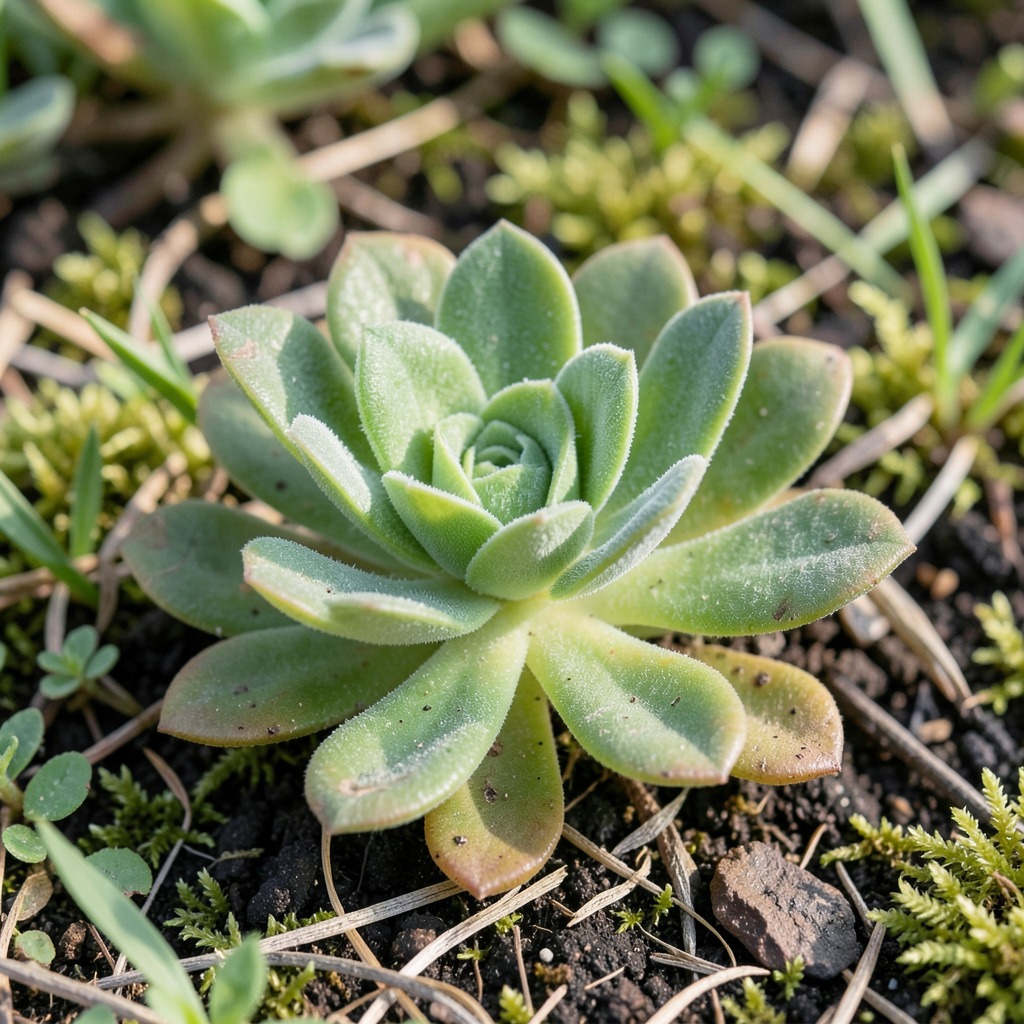
Understanding Ice Plant: What is Mesembryanthemum Crystallinum?
Ice plant, or Mesembryanthemum crystallinum, is an intriguing edible succulent celebrated for its unique flavor and texture. This plant thrives in saline environments, making it a fascinating addition to both gardens and culinary dishes.
Origin and Habitat
Ice plant is native to South Africa, where it has been foraged by local communities for centuries. Over time, it has spread globally, primarily through maritime routes. Its ability to flourish in coastal regions is largely due to its adaptations to saline conditions.
- Native Region: South Africa
- Invasive Status: Moderately invasive in California
- Common Habitats: Coastal bluffs, dunes, and sandy areas
Botanical Characteristics
Ice plant features distinctive succulent leaves, which are covered in small, glistening droplets. These droplets are epidermal bladder cells that store water and excess salt. This adaptation allows the plant to survive in arid conditions.
- Scientific Name: Mesembryanthemum crystallinum
- Leaf Structure: Thick, fleshy leaves with bladder cells
- Texture: Crisp and refreshing, often compared to caviar in culinary applications
Growing Conditions
Ice plant thrives in specific conditions that mimic its native habitat. It prefers warm, sunny environments with well-drained soil, and it can tolerate high salinity levels. Here’s a quick overview of its growing requirements:
| Growing Condition | Ideal Level |
|---|---|
| Soil Type | Well-drained, sandy |
| Sunlight | Full sun (6+ hours/day) |
| Watering | Minimal; drought-tolerant |
| Temperature Range | Mild winters, hot summers |
| Salinity Tolerance | High |
Understanding these characteristics is essential for successful cultivation. By providing the right environment, home chefs can grow this versatile plant and incorporate it into their culinary repertoire. For those interested in gardening, consider starting with Ice Plant Seeds – Non-GMO for optimal results.
Culinary Applications: How to Use Ice Plant in Your Cooking
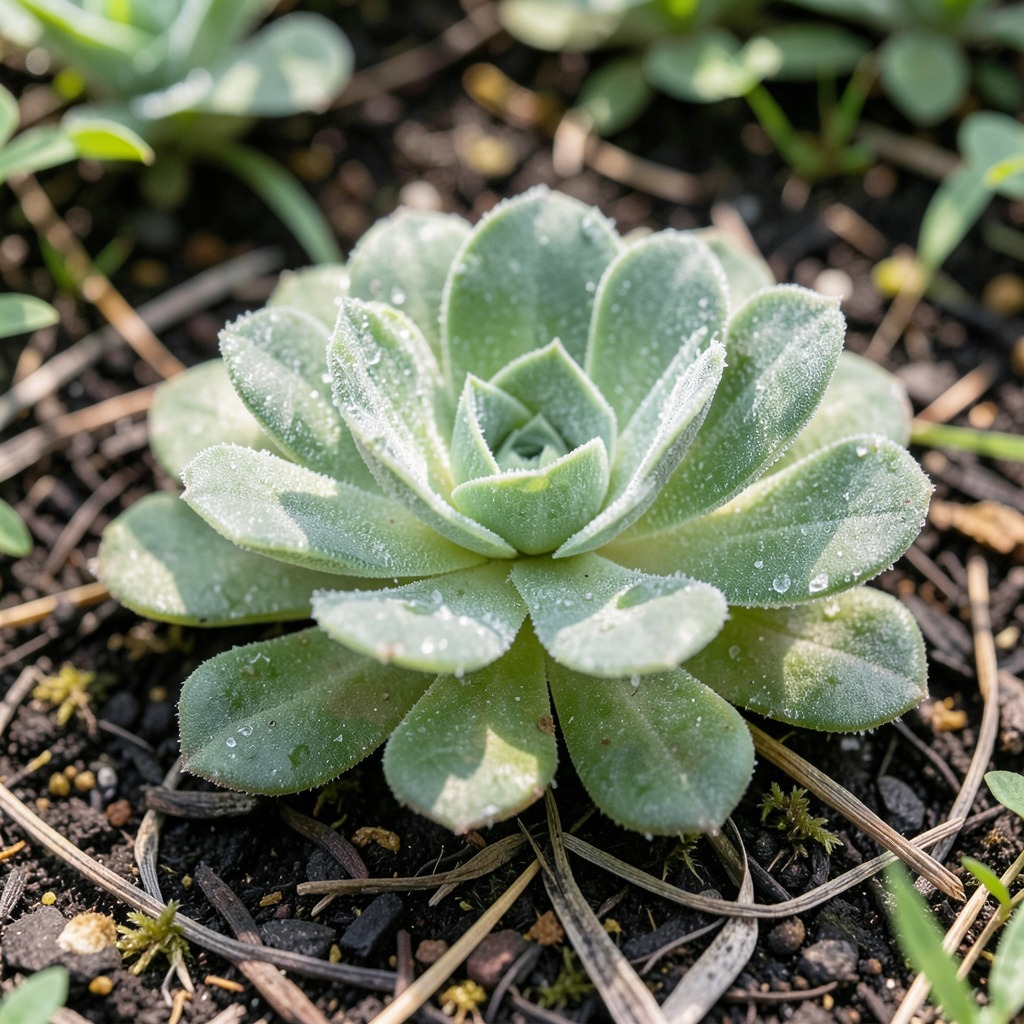
Ice plant is a versatile ingredient that can elevate various dishes with its unique texture and briny flavor. From fresh salads to warm soups, this succulent adds a refreshing twist to your culinary repertoire.
Raw Uses in Salads
Ice plant shines when served raw. Its crunchy texture and salty taste make it an excellent addition to salads. Here are some popular ways to incorporate it:
- Simple Salad: Toss ice plant leaves with citrus segments, a drizzle of olive oil, and a pinch of salt.
- Sushi Wraps: Use ice plant as a wrap for sushi, adding a unique crunch.
- Toppings: Garnish seafood dishes or cold noodle salads with ice plant for a refreshing touch.
The crispness of ice plant pairs well with a variety of dressings, enhancing its natural flavor. A light sesame oil and soy sauce dressing works particularly well, allowing the plant’s qualities to shine through.
Cooking Methods and Pairings
While ice plant is delicious raw, it can also be cooked to reveal a different texture. Here are some cooking methods to consider:
- Blanching: Quickly blanch ice plant to retain its color and flavor. It works well in hot pot dishes, where its silky texture complements broths.
- Soups: Stir ice plant into light vegetable soups. The heat softens its structure while maintaining a hint of its original crunch.
- Pickling: Ice plant can be pickled, offering a tangy addition to sandwiches and charcuterie boards.
For a delightful dish, consider this original recipe:
Ice Plant and Citrus Salad
- Ingredients:
- 2 cups ice plant leaves
- 1 grapefruit, segmented
- 1 orange, segmented
- 2 tablespoons olive oil
- Salt and pepper to taste
- Instructions:
1. Combine ice plant and citrus segments in a bowl.
2. Drizzle with olive oil and season with salt and pepper.
3. Toss gently and serve chilled.
This salad highlights ice plant’s refreshing qualities while providing a vibrant, nutritious meal.
In summary, whether enjoyed raw or cooked, ice plant’s versatility makes it a valuable addition to any kitchen. For those interested in growing their own, Check Price on Amazon for non-GMO ice plant seeds.
Nutritional Benefits: Why Include Ice Plant in Your Diet?
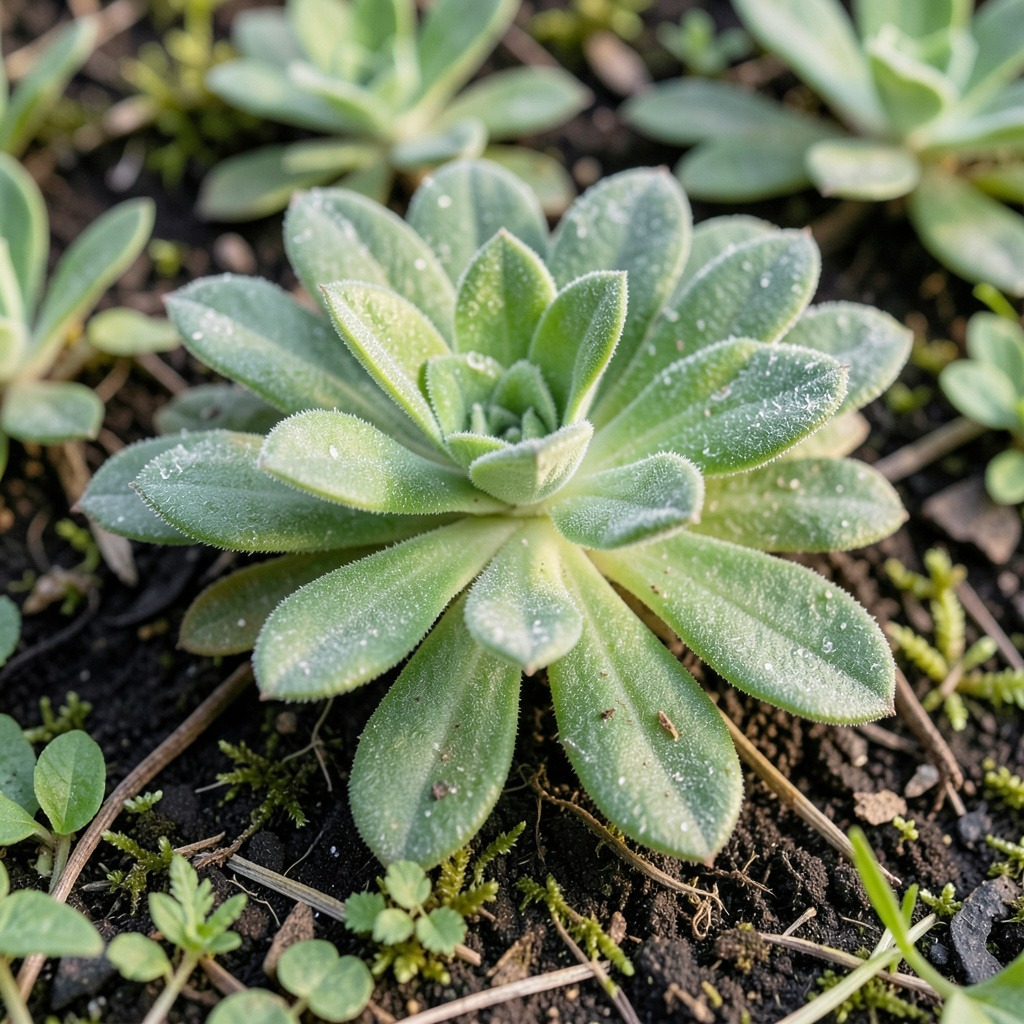
Ice plant, or Mesembryanthemum crystallinum, is not only a unique culinary ingredient but also a powerhouse of nutrition. Its rich vitamin content and antioxidant properties make it a valuable addition to a healthy diet.
Vitamin Content
Ice plant is high in essential vitamins. It provides significant amounts of Vitamin C, which supports immune function and skin health. Additionally, it contains Vitamin A, vital for vision and cellular health.
Here’s a quick comparison of ice plant’s vitamin content against other common leafy greens:
| Nutrient | Ice Plant (per 100g) | Spinach (per 100g) | Kale (per 100g) |
|---|---|---|---|
| Vitamin C | 90 mg | 28 mg | 120 mg |
| Vitamin A | 600 IU | 469 IU | 999 IU |
| Vitamin K | 0.5 mcg | 482.9 mcg | 141.1 mcg |
Antioxidant Properties
Ice plant is rich in antioxidants, which combat oxidative stress in the body. These compounds help reduce inflammation and support overall health. Research highlights its potential as an anticancer and functional food, making it a valuable choice for those seeking to enhance their diet with nutrient-dense options [8].
Moreover, ice plant supports immune health. Studies indicate that it may have immunomodulatory effects, enhancing the body’s response to infections [9].
Incorporating ice plant into your meals can be as simple as adding it to salads, as shown in the previous sections. Its refreshing taste and texture not only elevate dishes but also boost their nutritional profile. For those interested in growing their own, you can find Ice Plant Seeds – Non-GMO to start your culinary adventure with this edible succulent.
Cultivation Guide: How to Grow Ice Plant Successfully
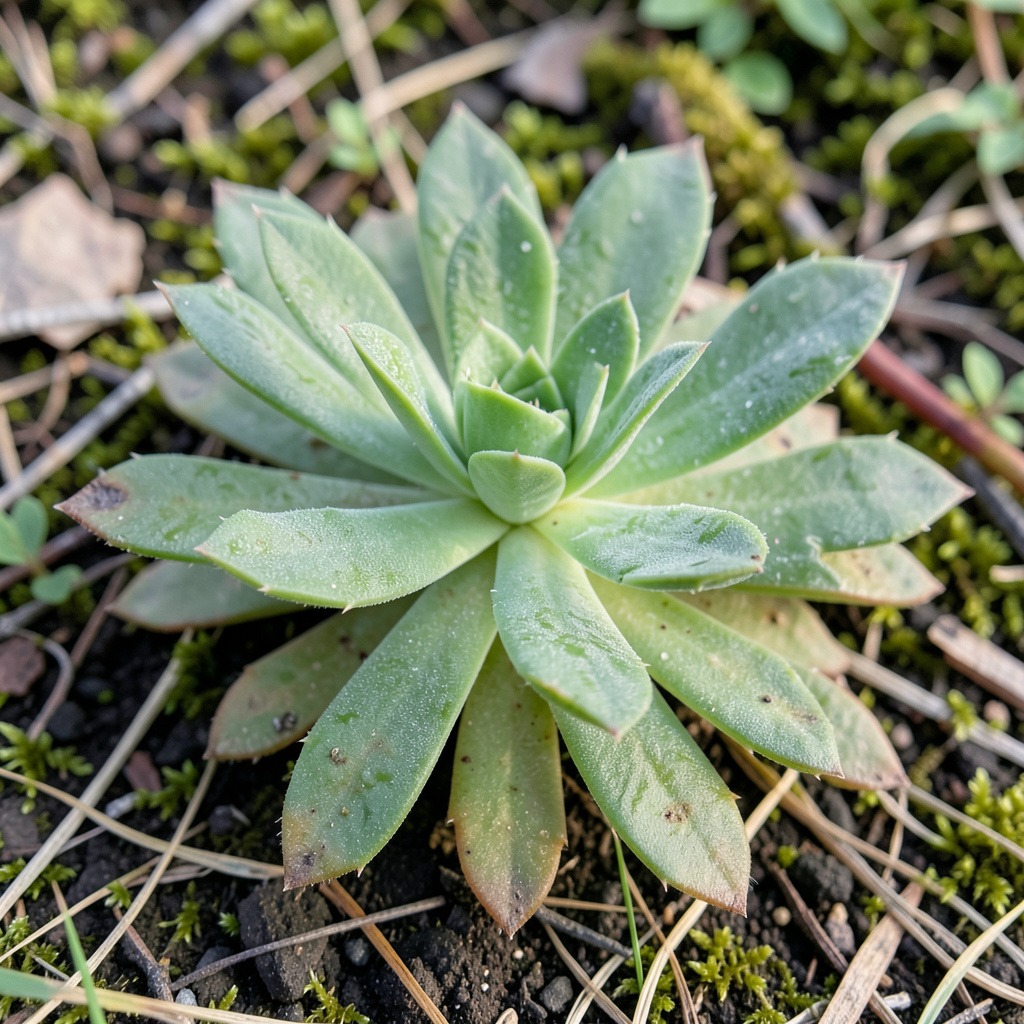
Growing ice plant (Mesembryanthemum crystallinum) can be a rewarding experience for home chefs. This succulent thrives in specific conditions and offers unique culinary benefits. Below are essential tips for successfully cultivating ice plant.
Optimal Conditions
Ice plant prefers well-draining soil and full sunlight. Aim for a sandy or loamy mix that mimics its natural coastal habitat. The ideal pH level should be between 6.0 and 7.0. For beginners, consider the following checklist:
- Sunlight: At least 6-8 hours of direct sunlight daily.
- Soil: Sandy or loamy, with good drainage.
- Temperature: Thrives in temperatures between 60°F to 75°F (15°C to 24°C).
- Spacing: Plant seeds or seedlings 12-18 inches apart to allow for growth and airflow.
Watering and Care
Ice plant is drought-tolerant, requiring minimal watering once established. Overwatering can lead to root rot. Follow these guidelines:
- Watering Frequency: Water only when the top inch of soil feels dry.
- Fertilization: Use a balanced fertilizer sparingly, as too much nitrogen can reduce flavor.
- Pest Management: Watch for common pests like aphids and mealybugs. Organic insecticidal soap can effectively manage infestations [11].
Germination Techniques
Starting ice plant from seed is straightforward. Here’s a step-by-step guide:
1. Seed Preparation: Soak seeds in water for 24 hours to enhance germination.
2. Sowing: Scatter seeds on the soil surface. Do not cover them, as they require light to germinate.
3. Moisture: Mist the soil lightly to maintain humidity without oversaturating.
4. Germination Time: Expect seeds to sprout in 7-14 days under optimal conditions.
By following these cultivation tips, you can successfully grow ice plant, enhancing both your garden and culinary repertoire.
Foraging Tips: When and How to Harvest Ice Plant
Foraging for ice plant can be rewarding, but it requires knowledge of its identification and best harvesting practices. This succulent thrives in coastal regions and is often found in sandy or rocky soils.
Identification Features
To forage ice plant effectively, familiarize yourself with its distinct characteristics:
- Leaves: Ice plant has thick, fleshy leaves that are bright green and often have a crystalline appearance due to tiny vesicles filled with moisture.
- Stems: The stems are succulent and can grow upright. They are typically reddish or purplish in color.
- Flowers: Look for small, pink to purple flowers that bloom in clusters, usually during the warmer months.
- Habitat: Ice plant commonly grows in coastal areas, dunes, and disturbed soils. It can often be found near salt marshes and sandy beaches.
Harvesting Techniques
When harvesting ice plant, follow these best practices to ensure sustainability and quality:
- Timing: Harvest in the morning when the leaves are crisp and full of moisture. Avoid harvesting during extreme heat or after heavy rains, as the plant may be too wet.
- Cutting: Use sharp scissors or shears to cut the leaves just above the base. This prevents damaging the plant and allows it to regrow.
- Quantity: Only take what you need. Avoid overharvesting to ensure continued growth in the area.
- Avoid Contaminated Areas: Steer clear of areas that may have been treated with pesticides or fertilizers, as these chemicals can impact the plant’s edibility.
Practical Foraging Checklist
- Identify: Confirm you are picking ice plant (Mesembryanthemum crystallinum) and not another succulent.
- Inspect: Check leaves for freshness; they should be plump and vibrant.
- Gather: Bring a basket or bag to hold your harvest without crushing the leaves.
By understanding the identification features and employing sustainable harvesting techniques, you can enjoy the unique flavors of wild ice plant while contributing to its preservation in the environment.
Environmental Impact: Growing Ice Plant Sustainably
Growing ice plant (Mesembryanthemum crystallinum) offers unique environmental benefits, particularly when cultivated sustainably. Understanding its impact on local ecosystems and implementing responsible growing practices can enhance its advantages.
Ecosystem Benefits
Ice plant thrives in saline environments, which allows it to outcompete other vegetation. This trait can be beneficial in areas prone to soil salinization. However, its invasive nature can pose risks if not managed properly. Here are key points regarding its ecosystem benefits:
- Soil Improvement: Ice plant helps improve soil structure and fertility by adding organic matter as it decomposes.
- Erosion Control: Its dense root system stabilizes sandy soils, reducing erosion on coastal bluffs and dunes.
- Wildlife Habitat: It provides habitats for various species, especially in coastal ecosystems, aiding biodiversity.
Sustainable Practices
Embracing sustainable cultivation methods ensures that ice plant contributes positively to the environment. Here are best practices for growing ice plant sustainably:
- Water Usage: Ice plant requires less water compared to many traditional crops. Implementing drip irrigation can further minimize water waste [15].
- Organic Fertilization: Use organic fertilizers to enhance soil quality without introducing harmful chemicals.
- Crop Rotation: Rotate ice plant with other crops to prevent soil depletion and reduce pest buildup.
By focusing on these sustainable practices, home chefs and gardeners can grow ice plant responsibly while enjoying its culinary benefits.
Cultural Significance: Ice Plant in Global Cuisines
Ice plant, known scientifically as Mesembryanthemum crystallinum, has rich culinary roots across various cultures. Its unique texture and flavor have made it a sought-after ingredient in many cuisines worldwide.
Culinary Traditions
In Mediterranean cooking, ice plant is celebrated for its fresh, briny taste. It often appears in salads, where it complements other ingredients without overwhelming them. This versatility aligns with the Mediterranean diet’s emphasis on fresh, whole foods that promote heart health [16].
Asian cuisines also embrace ice plant, particularly in China and Japan. Chefs utilize it in light dishes, highlighting its refreshing crunch. In hot pots, quick blanching enhances its flavor while maintaining its distinctive texture. Notably, ice plant’s appeal in Chinese culinary tradition stems from its pleasant mouthfeel, akin to okra, which is also cherished for its unique texture [7].
Regional Variations
Ice plant’s adaptability allows it to thrive in diverse environments, leading to regional variations in its culinary use. For example, California chefs have begun to incorporate ice plant into coastal dishes, showcasing its saline profile. This trend reflects a broader movement toward local foraging and sustainable cooking practices.
Ice plant’s historical significance dates back to before European colonization. Indigenous communities in southern Africa, such as the Khoisan, foraged it as a food source [3]. This cultural heritage informs contemporary culinary applications, connecting modern chefs with historical practices.
Comparative Culinary Uses
| Cuisine | Common Uses | Flavor Profile |
|---|---|---|
| Mediterranean | Salads, garnishes | Fresh, briny |
| Asian | Hot pots, soups, salads | Crunchy, refreshing |
| South African | Foraged dishes, traditional meals | Earthy, succulent |
Chefs today appreciate ice plant not just for its taste but also for its engaging texture, which adds an element of surprise to dishes. As culinary traditions evolve, ice plant continues to find its place in innovative recipes, showcasing its versatility and cultural significance.
Common Mistakes: What to Avoid When Cooking with Ice Plant
Cooking with ice plant can enhance your dishes if done correctly. However, it is easy to make mistakes that can compromise its unique flavor and texture. Here are some common pitfalls to avoid.
Overcooking Issues
One of the most frequent mistakes is overcooking ice plant. When exposed to high heat for too long, its texture can become unappetizingly mushy. Ice plant is best enjoyed fresh or lightly cooked. A quick blanching in boiling water preserves its crispness while enhancing its natural briny flavor.
- Do: Quickly blanch ice plant in hot water for 30 seconds.
- Don’t: Cook it for more than a minute, as this will strip away its signature texture.
Seasoning Tips
Seasoning ice plant requires a delicate touch. Its mild flavor can be easily overshadowed by strong seasonings. Instead, focus on enhancing its natural taste.
- Do: Use light dressings such as citrus juice or a drizzle of olive oil to accentuate its freshness.
- Don’t: Overwhelm it with heavy sauces or spices that might mask its unique flavor.
Preparation Checklist
When preparing ice plant, keep this checklist in mind to ensure optimal results:
- Do:
- Rinse gently to remove any dirt or debris.
- Serve chilled or at room temperature to maintain its crispness.
- Combine with other light ingredients like seafood or fresh vegetables.
- Don’t:
- Store it at room temperature; always keep it refrigerated to prevent wilting.
- Use ice plant in heavy, hearty dishes where its texture may get lost.
Following these guidelines will help you make the most of ice plant in your culinary endeavors.
Comparison with Other Greens: How Does Ice Plant Stack Up?
Ice plant, or Mesembryanthemum crystallinum, offers a unique flavor and texture compared to traditional leafy greens. Below, we explore its taste profiles, nutritional benefits, and culinary applications in comparison to other popular greens.
Taste Profiles
Ice plant has a distinctive, mildly salty flavor, reminiscent of the sea. This saline quality makes it an excellent addition to salads and seafood dishes. In contrast, other greens like spinach have a more neutral taste, while kale features a robust earthiness.
Nutritional Comparison
The nutritional profile of ice plant is impressive. Here’s a comparison with other popular leafy greens:
| Nutrient | Ice Plant (per 100g) | Spinach (per 100g) | Kale (per 100g) |
|---|---|---|---|
| Calories | 16 | 23 | 35 |
| Vitamin C (mg) | 70 | 28 | 120 |
| Fiber (g) | 1.5 | 2.2 | 4.0 |
| Iron (mg) | 0.7 | 2.7 | 1.5 |
Ice plant is lower in calories than kale, making it a lighter option for salads or garnishes [22]. Additionally, it boasts a higher vitamin C content than spinach, providing a refreshing boost to your meals [21].
Culinary Uses
Ice plant excels in both raw and cooked applications. Here are some popular uses:
- Raw Applications: Use ice plant in salads, as garnishes, or in sushi rolls. Its crisp texture enhances dishes without overpowering other flavors.
- Cooked Dishes: When briefly blanched, ice plant can be added to soups or stir-fries. It retains a pleasant mouthfeel while absorbing flavors from broths or sauces.
In summary, ice plant’s unique attributes set it apart from conventional leafy greens. Its flavor, nutritional benefits, and versatile culinary uses make it a valuable addition to any kitchen.
Alternatives to Ice Plant: What Can You Use Instead?
If you’re looking to substitute ice plant in your dishes, several greens can replicate its unique texture and flavor. Here’s a detailed look at some viable alternatives.
Similar Greens
1. Sea Beans (Salicornia)
- Taste: Briny and slightly crunchy.
- Texture: Crisp and tender, similar to ice plant.
- Applications: Great in salads or as a garnish for seafood dishes.
2. Purslane
- Taste: Mildly tangy and slightly peppery.
- Texture: Succulent leaves provide a similar mouthfeel.
- Applications: Ideal for salads, sandwiches, or as a fresh topping on tacos.
3. Watercress
- Taste: Peppery and fresh.
- Texture: Crunchy with a slight bite.
- Applications: Use in salads, soups, or as a garnish to enhance flavor and presentation.
Substitution Tips
- For Salads: Use sea beans or purslane to maintain the crunchy texture and add a briny flavor.
- In Soups: Watercress can replace ice plant in cooked dishes, offering a peppery kick.
- Garnishes: Both sea beans and purslane work beautifully as garnishes, adding visual appeal and flavor.
| Substitute | Taste Profile | Best Uses |
|---|---|---|
| Sea Beans | Briny | Salads, seafood dishes |
| Purslane | Mildly tangy | Salads, sandwiches |
| Watercress | Peppery | Salads, soups, garnishes |
These alternatives not only serve similar culinary roles but also maintain the refreshing quality that ice plant brings to dishes.
Where to Buy Edible Ice Plants: A Shopping Guide
Finding fresh ice plant can enhance your culinary experience. Here’s where you can purchase this unique succulent.
Local Markets
Ice plant is increasingly available at local farmers’ markets. Look for it in these areas:
- California: Many farmers markets, especially in coastal regions, offer fresh ice plant.
- Asian Grocers: Stores specializing in Asian ingredients often stock ice plant.
- Specialty Markets: Seek out local specialty grocery stores that focus on unique greens.
To locate farmers’ markets near you, check the National Farmers Market Directory [26].
Online Retailers
If local options are limited, consider online retailers. Here are some reliable sources:
- Weee!: This online Asian grocery store frequently carries ice plant.
- Growers: Some farms, like Girl and Dug Farm, offer shipping for fresh ice plant directly to consumers.
- Specialty Food Websites: Explore sites dedicated to unique edible plants, which may include ice plant.
For a specific purchase, you can refer to the U.S. Fish & Wildlife service for further information on availability [27].
Summary Table of Purchasing Options
| Source Type | Examples | Notes |
|---|---|---|
| Local Farmers’ Markets | Coastal California Markets | Fresh and locally sourced |
| Asian Grocers | Local Asian Grocery Stores | Often stock ice plant |
| Online Retailers | Weee!, Girl and Dug Farm | Convenient shipping options available |
With these options, you can easily find fresh ice plant to elevate your dishes.
Frequently Asked Questions
These quick answers cover the most common questions about this topic, including key details, practical tips, and common concerns.
What are the medicinal uses of the ice plant?
Ice plant (Mesembryanthemum crystallinum) is known for its potential health benefits. It contains antioxidants, which help combat oxidative stress in the body, potentially reducing inflammation and supporting immune function [8][9]. Additionally, the high vitamin C content in ice plant may boost immune health and promote skin vitality. Some studies suggest it may have anticancer properties, making it a valuable addition to a health-conscious diet [8].
What are the disadvantages of an ice plant?
While ice plant is nutritious, it can have drawbacks. Its high salinity may not be suitable for everyone, particularly those on low-sodium diets. Additionally, ice plant can be invasive in some regions, such as California, where it may outcompete native vegetation [1]. Lastly, overconsumption can lead to digestive discomfort due to its fibrous content.
Where can I buy edible ice plants?
You can find edible ice plants at local farmers’ markets, particularly in coastal areas where they are grown. Asian grocery stores often stock ice plant as well. For online purchasing, retailers like Weee! and specialty farms like Girl and Dug Farm offer shipping options for fresh ice plant [26][27]. Always check for freshness and quality when buying.
Is ice plant toxic to dogs?
Ice plant is generally considered non-toxic to dogs. However, as with any new food, it’s best to introduce it gradually and monitor for any adverse reactions. If your dog consumes a large quantity, it may cause digestive upset. Always consult your veterinarian if you have concerns about your pet’s diet.
Are you looking for germination and growing tips?
Growing ice plant is straightforward. It thrives in well-drained, sandy soil and requires at least 6-8 hours of sunlight daily. Water sparingly, allowing the top inch of soil to dry out between waterings. Ice plant seeds should be sown on the surface, as they need light to germinate, typically sprouting in 7-14 days under optimal conditions [10].
Do you want a specific recipe or dressing pairing?
Ice plant pairs well with light dressings that enhance its natural flavor. A simple combination of olive oil and lemon juice works beautifully. For salads, consider mixing ice plant with citrus segments for a refreshing dish. You can also use it in sushi rolls or as a garnish for seafood dishes to add a unique crunch [20].
When is the best time to harvest ice plant?
The best time to harvest ice plant is in the morning when the leaves are crisp and full of moisture. This timing helps preserve its texture and flavor. Avoid harvesting during extreme heat or after heavy rain, as the leaves may become too soft or waterlogged [12]. Always cut leaves above the base to encourage regrowth.
How does ice plant compare to other leafy greens?
Ice plant offers a distinct taste and texture compared to traditional leafy greens. Its mildly salty flavor sets it apart, making it ideal for salads and garnishes. Nutritionally, ice plant is lower in calories and higher in vitamin C compared to spinach, while also providing a unique mouthfeel akin to that of sea beans or purslane [21][22]. This versatility allows it to shine in various culinary applications.
References
1. FPS109/FP109: Carpobrotus edulis Ice Plant
2. ice plant mesembryanthemum: Topics by Science.gov
3. Origins – The Estée Lauder Companies Inc.
4. Ice Plant Information and Facts
5. Plant-Based Culinary Arts Program | NY & LA | Institute of Culinary Education
6. Flavor
7. [PDF] Analysis of nutritional and antioxidant components of ice plant …
8. (PDF) Ice plant as Antioxidant/ Anticancer and Functional Food
9. Immunomodulatory effects of ethanol extract of germinated ice plant …
10. Growing & Caring for Ice Plant Ground Cover – Kellogg Garden Products
11. 10 Things Plant Pros Do That You Probably Don’t
12. How to harvest ice plants, cut at orange line or lower leaves?
13. Home | U.S. Department of Education
14. Mobile Health App Developers: FTC Best Practices
15. Never Buy Ice Again! One Clear Winner!
16. Mediterranean diet for heart health – Mayo Clinic
17. Significance – Wiley Online Library
18. Contact
19. Fresh | Official Trailer | Hulu
20. Ice plant (or regular salad) – soy sauce – sesame oil – Instagram
21. Harmful or dangerous content policy – YouTube Help
22. Why Kale Is Better For You – Short 2/8/2026 – Grow Space Vertical Farms
23. Texture | The operating system for the energy grid
24. 13 Things to Do Instead of Comparing Yourself to Others
26. Local Food Directories: National Farmers Market Directory
27. Ice Plant (Mesembryanthemum crystallinum) | U.S. Fish & Wildlife …
28. Retail Food Program – Florida Department of Agriculture & Consumer Services