
The Illawarra flame tree, known for its striking red flowers, offers beauty and shade but comes with potential drawbacks, including toxicity and maintenance challenges.
Table of Contents
The Illawarra flame tree, or Brachychiton acerifolius, is a popular ornamental tree renowned for its vibrant red blooms. While it enhances landscapes with its beauty, potential drawbacks exist. This guide explores the key pros and cons to consider before planting.
Understanding the Illawarra Flame Tree
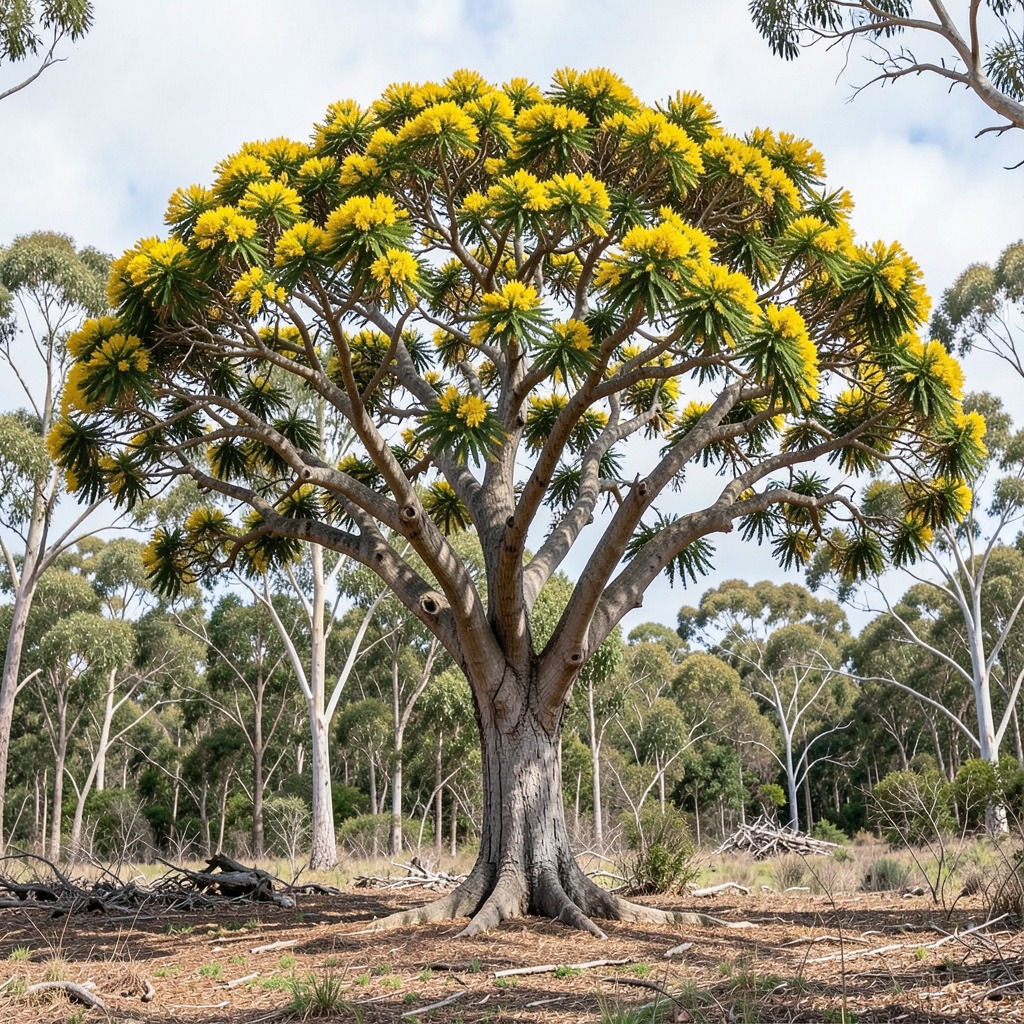
The Illawarra flame tree, scientifically known as Brachychiton acerifolius, is a striking ornamental tree native to eastern Australia. Its vibrant red flowers and distinct characteristics make it a popular choice for landscaping in subtropical regions.
Scientific Classification and Habitat
The Illawarra flame tree belongs to the Malvaceae family. It thrives in subtropical rainforests, primarily found in Queensland and New South Wales. This tree naturally grows in warm, coastal areas, where it can reach impressive heights of 15 to 18 meters.
Key characteristics of its habitat include:
- Climate: Prefers subtropical conditions with warm temperatures.
- Soil Type: Adaptable but flourishes in well-drained, moist to dry soils.
- Sunlight: Requires full sun for optimal growth.
Visual Characteristics
The Illawarra flame tree is known for its distinctive appearance. Its glossy leaves can vary from lobed to unlobed, and its flowering season brings forth large clusters of bright red, bell-shaped blooms. These flowers emerge in late spring to early summer, creating a dramatic visual impact.
Visual Characteristics Overview:
- Height: Typically 15-18 meters.
- Canopy Shape: Rounded and expansive.
- Flower Color: Vivid red.
- Fruit: Large, woody pods maturing in summer.
This combination of visual appeal and robust growth contributes to its popularity in gardens and urban settings. Gardeners appreciate its ornamental value, making it suitable for parks, streets, and private landscapes.
Understanding these features aids in making informed decisions about planting the Illawarra flame tree, weighing its pros and cons effectively.
Pros of the Illawarra Flame Tree
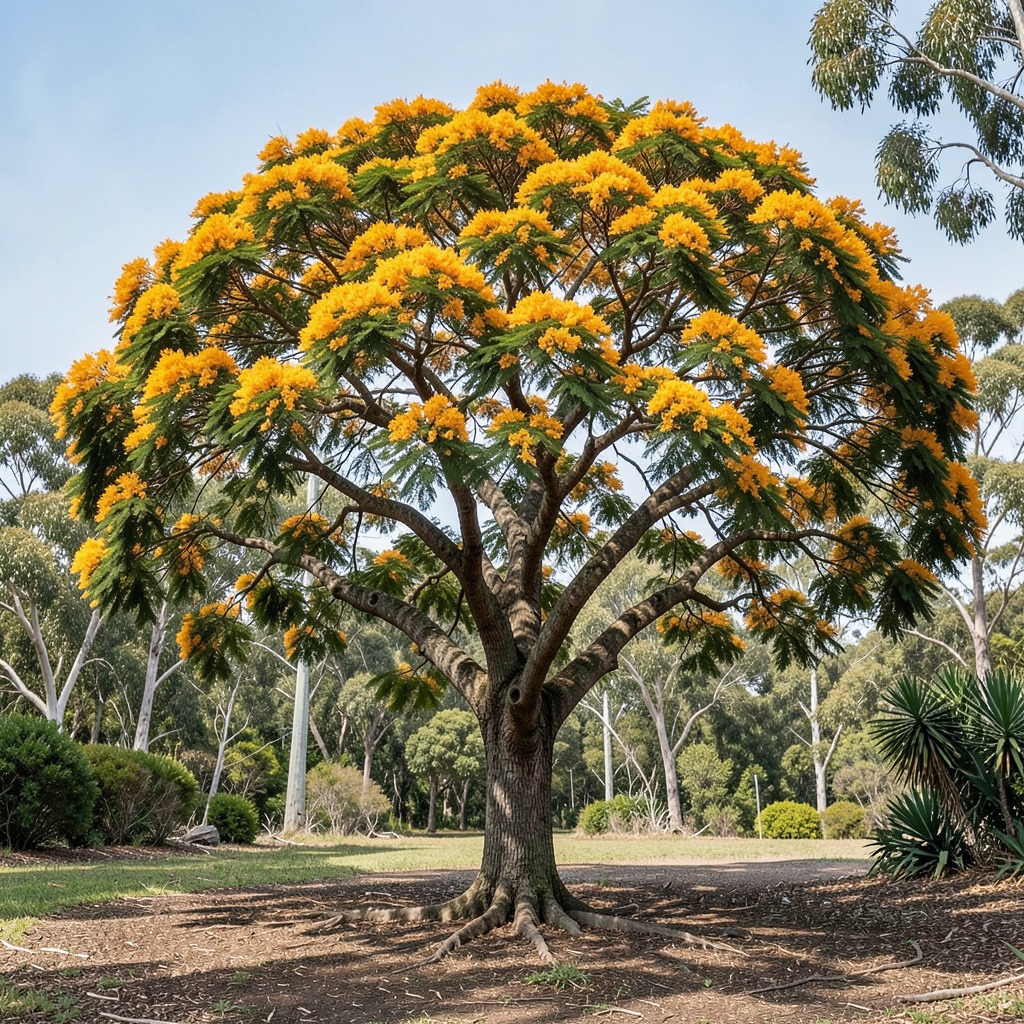
The Illawarra flame tree, scientifically known as Brachychiton acerifolius, offers numerous advantages for gardeners and landscapers. Its striking aesthetic appeal, ability to provide shade, and ecological benefits make it a preferred choice in many landscapes.
Stunning Aesthetic Appeal
The Illawarra flame tree is renowned for its vibrant red flowers. These bell-shaped blooms create a stunning display from late spring to early summer. Its visual characteristics enhance both public and private spaces. Here are some key aesthetic features:
- Height: Typically reaches 15-18 meters, providing a commanding presence.
- Canopy Shape: Rounded and expansive, perfect for creating shade.
- Flower Color: Vivid red that attracts attention and enhances landscape color.
This dramatic appearance has made it a popular choice in parks, streets, and gardens. Many local communities have reported revitalized landscapes after planting this tree, showcasing its ornamental value.
Environmental Benefits
Planting an Illawarra flame tree has several ecological advantages. It contributes positively to local ecosystems in the following ways:
- Shade Provision: The broad canopy offers shade, reducing ground temperatures. This is especially beneficial in urban areas, helping to mitigate the heat island effect.
- Wildlife Habitat: The tree supports local wildlife by providing shelter and food sources. Birds and insects are often drawn to its flowers.
- Soil Improvement: The tree’s deep root system helps prevent soil erosion, stabilizing the ground in its vicinity.
For instance, a community in New South Wales reported increased bird activity after planting several Illawarra flame trees in a local park. This not only improved biodiversity but also enhanced the overall enjoyment of the space.
In conclusion, the Illawarra flame tree stands out for its striking aesthetic appeal and valuable environmental contributions. Its unique characteristics and benefits make it an excellent choice for enhancing landscapes.
Cons of the Illawarra Flame Tree
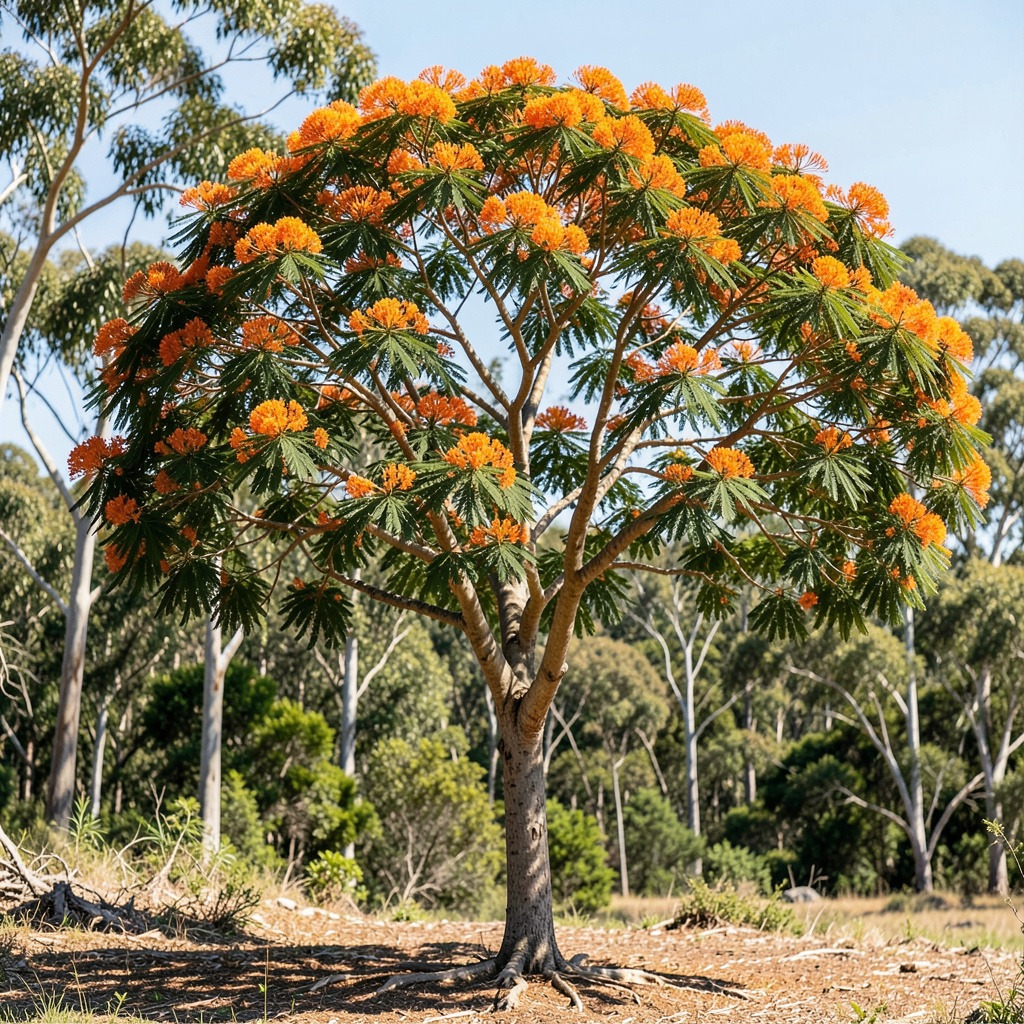
While the Illawarra flame tree offers many advantages, it also presents several potential drawbacks. These include toxicity concerns, maintenance challenges, and unpredictable flowering behavior.
Toxicity to Humans and Pets
The Illawarra flame tree, scientifically known as Brachychiton acerifolius, carries mild toxicity risks for both humans and pets. Specifically, the hairs on its seeds can cause allergic reactions. Contact with these hairs may lead to skin irritation or discomfort. Ingesting any part of the tree can result in gastrointestinal distress, such as nausea or vomiting.
Key Points:
- Pets: Dogs and cats can experience allergic reactions or toxicity from the seed hairs. Symptoms may include agitation or gastrointestinal issues.
- Humans: Direct contact with the seed hairs can lead to skin irritation. Ingesting the seeds poses a risk of nausea or vomiting.
Gardeners should be cautious and ensure that pets are supervised around this tree. Regularly check for fallen seeds and promptly remove them to mitigate risks.
Maintenance and Care Requirements
The Illawarra flame tree requires specific care to thrive. While it is drought-tolerant, it needs well-drained soil and adequate sunlight. Here are some maintenance considerations:
- Pruning: Regular pruning helps maintain shape and encourages healthy growth. Remove dead or diseased branches as needed.
- Watering: While the tree is drought-resistant, it benefits from deep watering during prolonged dry spells, especially when young.
- Pest Management: Monitor for pests such as aphids and scale insects. Treatment options include horticultural oils or insecticidal soaps.
Decision Framework for Care:
1. Assess Your Space: Ensure adequate room for growth. Illawarra flame trees can reach significant heights.
2. Evaluate Local Climate: This tree thrives in subtropical climates. Ensure your area can support its needs.
3. Plan for Maintenance: Consider the time you can dedicate to pruning and pest management.
By understanding these maintenance requirements, gardeners can better manage the challenges posed by the Illawarra flame tree.
Care and Maintenance of the Illawarra Flame Tree
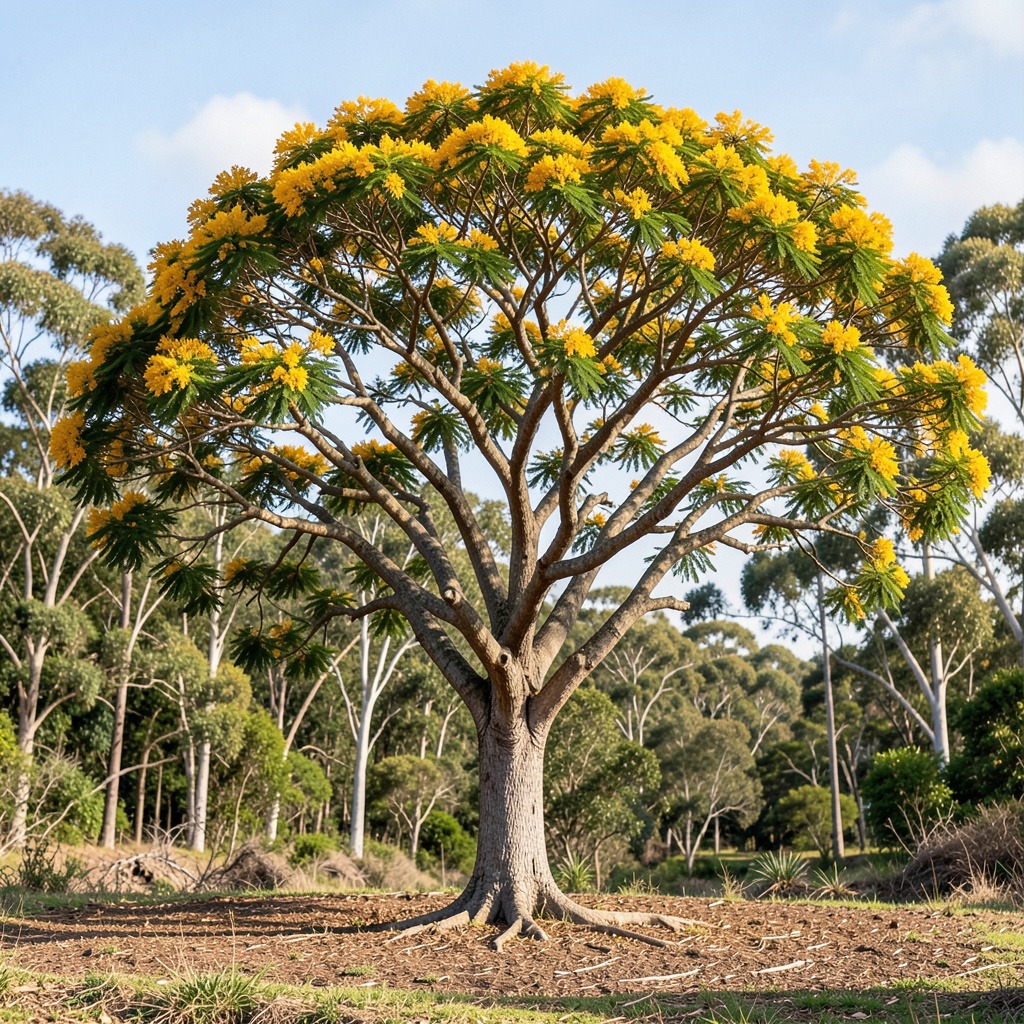
The Illawarra flame tree requires specific care to thrive and showcase its vibrant beauty. Understanding its watering, soil, sunlight, and fertilization needs will enhance your gardening success.
Watering Needs and Soil Requirements
- Watering: Young trees benefit from deep watering, particularly during dry spells. Once established, they are drought-tolerant but appreciate regular watering in prolonged dry periods.
- Soil Preference: The Illawarra flame tree adapts well to various soil types. However, it flourishes in well-drained soils that range from moist to dry. Avoid waterlogged conditions, as this can lead to root rot.
- Checklist for Watering and Soil:
- Water deeply once a week during dry spells.
- Use mulch to retain soil moisture and regulate temperature.
- Test soil drainage; amend with sand or compost if necessary.
Sunlight Preferences and Fertilization Tips
- Sunlight Needs: This tree thrives in full sun. Provide at least six hours of direct sunlight daily for optimal growth and flowering.
- Fertilization: Fertilize in early spring with a balanced fertilizer to promote healthy growth. Follow the package instructions for application rates.
- Checklist for Sunlight and Fertilization:
- Position the tree in a location that receives full sun.
- Fertilize annually with a slow-release product.
- Monitor growth; adjust fertilization based on tree health.
By adhering to these care and maintenance guidelines, gardeners can cultivate a healthy Illawarra flame tree that enhances their landscape with its stunning red flowers.
Identifying the Illawarra Flame Tree
Identifying the Illawarra flame tree (Brachychiton acerifolius) is crucial for gardeners looking to incorporate this stunning species into their landscape. This guide outlines key features, making it easier to distinguish this tree from similar varieties.
Leaf and Flower Characteristics
The leaves and flowers of the Illawarra flame tree play a significant role in its identification.
- Leaf Shape: The leaves are typically large, glossy, and deeply lobed, resembling those of a maple tree. They can vary in size but generally range from 10 to 20 cm in length.
- Flower Display: The standout feature of the Illawarra flame tree is its vibrant flowers. These appear in late spring to early summer, usually between November and January in the Southern Hemisphere. The flowers are scarlet to coral-red, bell-shaped, and grow in large clusters at the ends of bare branches, creating a striking visual effect.
- Blooming Pattern: Flowering can be unpredictable. A full bloom may only occur every 3-5 years, often following hot, dry summers. This rarity enhances their allure.
Bark Texture and Seed Pods
The bark and seed pods also contribute to the identification of the Illawarra flame tree.
- Bark Texture: The bark is smooth and greyish-brown, becoming rougher with age. It has a distinct, fibrous texture that can help differentiate it from other tree species.
- Seed Pods: After flowering, the tree produces long, narrow seed pods. These pods can reach lengths of up to 20 cm and contain the seeds, which are covered in fine hairs. Handle with care, as these hairs can irritate the skin.
Quick Identification Checklist
To aid in identifying the Illawarra flame tree, refer to this checklist:
| Feature | Description |
|---|---|
| Leaf Shape | Large, glossy, deeply lobed |
| Flower Color | Scarlet to coral-red |
| Flowering Period | Late spring to early summer |
| Bark Texture | Smooth, greyish-brown |
| Seed Pod Characteristics | Long, narrow, hairy exterior |
By familiarizing yourself with these identifying features, you can confidently recognize the Illawarra flame tree in any landscape.
Alternatives to the Illawarra Flame Tree
If you’re considering landscaping options, the Illawarra flame tree is not your only choice. Several alternatives offer similar visual appeal and functionality with potentially fewer drawbacks.
Similar Trees with Fewer Drawbacks
When seeking alternatives, consider trees that provide vibrant flowers, shade, and adaptability to various environments. Here are some noteworthy options:
- Royal Poinciana (Delonix regia)
Known for its striking orange-red flowers, the Royal Poinciana thrives in warmer climates and provides ample shade. Unlike the Illawarra flame tree, it has fewer toxicity concerns for pets.
- Crepe Myrtle (Lagerstroemia indica)
This tree offers a long blooming season with clusters of flowers in various colors. It is drought-tolerant and has a lower risk of pest issues, making it a more manageable choice for gardeners.
- Jacaranda (Jacaranda mimosifolia)
Renowned for its stunning purple blooms, the Jacaranda also provides good shade. It is less prone to leaf drop and offers a more consistent appearance throughout the year.
Considerations for Choosing Alternatives
Selecting the right tree for your landscape involves assessing several factors:
1. Climate Suitability
Ensure the tree can thrive in your local climate and soil conditions.
2. Maintenance Needs
Consider the ongoing care each tree requires, including pruning, watering, and pest management.
3. Allergenic Potential
Evaluate any potential allergenic effects, especially if you have sensitive individuals or pets in your household.
4. Visual Appeal
Compare the aesthetic qualities, such as flower color and seasonal changes, to ensure they meet your landscaping goals.
5. Space Requirements
Assess the mature size of the tree to ensure it fits within your designated planting area without overcrowding other plants.
By weighing these factors, you can select an alternative that aligns with your landscaping vision while minimizing potential drawbacks associated with the Illawarra flame tree.
Frequently Asked Questions
These quick answers cover the most common questions about this topic, including key details, practical tips, and common concerns.
What are the best conditions for growing an Illawarra flame tree?
Illawarra flame trees thrive in subtropical climates with warm temperatures. They prefer well-drained soil that ranges from moist to dry. Full sun is essential for optimal growth, requiring at least six hours of direct sunlight daily. Regular deep watering is beneficial, especially for young trees or during prolonged dry spells.
How can I tell if my Illawarra flame tree is healthy?
A healthy Illawarra flame tree has vibrant green leaves and produces abundant flowers during its blooming season. Look for signs of pest damage, such as discolored leaves or sticky residue. Additionally, check for any dead or diseased branches that may need pruning to maintain the tree’s overall health.
What pests commonly affect the Illawarra flame tree?
Common pests include aphids, scale insects, and spider mites. These pests can cause damage by sucking sap from the tree, leading to leaf drop and reduced vigor. Regular monitoring and treatment with horticultural oils or insecticidal soaps can help manage these pests effectively.
Is the Illawarra flame tree safe for pets?
The Illawarra flame tree has mild toxicity risks for both humans and pets. The hairs on its seeds can cause skin irritation, and ingestion may lead to gastrointestinal distress. It’s important to supervise pets around the tree and promptly clean up fallen seeds to minimize any risks.
When does the Illawarra flame tree bloom?
The Illawarra flame tree typically blooms from late spring to early summer, specifically between November and January in the Southern Hemisphere. However, blooming can be unpredictable and may occur every 3-5 years, often following hot, dry summers.
What should I do if my Illawarra flame tree isn’t blooming?
If your Illawarra flame tree isn’t blooming, check its sunlight exposure and overall health. Ensure it receives at least six hours of direct sunlight daily. Additionally, assess the watering and fertilization routine, as inadequate nutrients can hinder flowering. Pruning may also help encourage new growth and blooms.
What are the signs of toxicity in the Illawarra flame tree?
Signs of toxicity include skin irritation from contact with the seed hairs and gastrointestinal distress from ingestion. Symptoms in pets may include vomiting, agitation, or lethargy. If you suspect exposure, consult a veterinarian or medical professional for advice on managing symptoms.
What should readers know about the environmental impact of planting Illawarra flame trees?
Planting Illawarra flame trees can provide significant environmental benefits. They offer shade, which helps reduce urban heat and improve local microclimates. Additionally, they support local wildlife by providing shelter and food sources. However, gardeners should consider their potential toxicity and manage fallen seeds to protect pets and children.