
The Imperial honey locust tree offers shade and low maintenance but may cause litter issues and requires pruning.
The Imperial honey locust tree, known scientifically as Gleditsia triacanthos var. inermis, is a popular choice for landscaping due to its desirable traits. Understanding its pros and cons can help you make an informed decision for your outdoor space.
Understanding the Imperial Honey Locust Tree
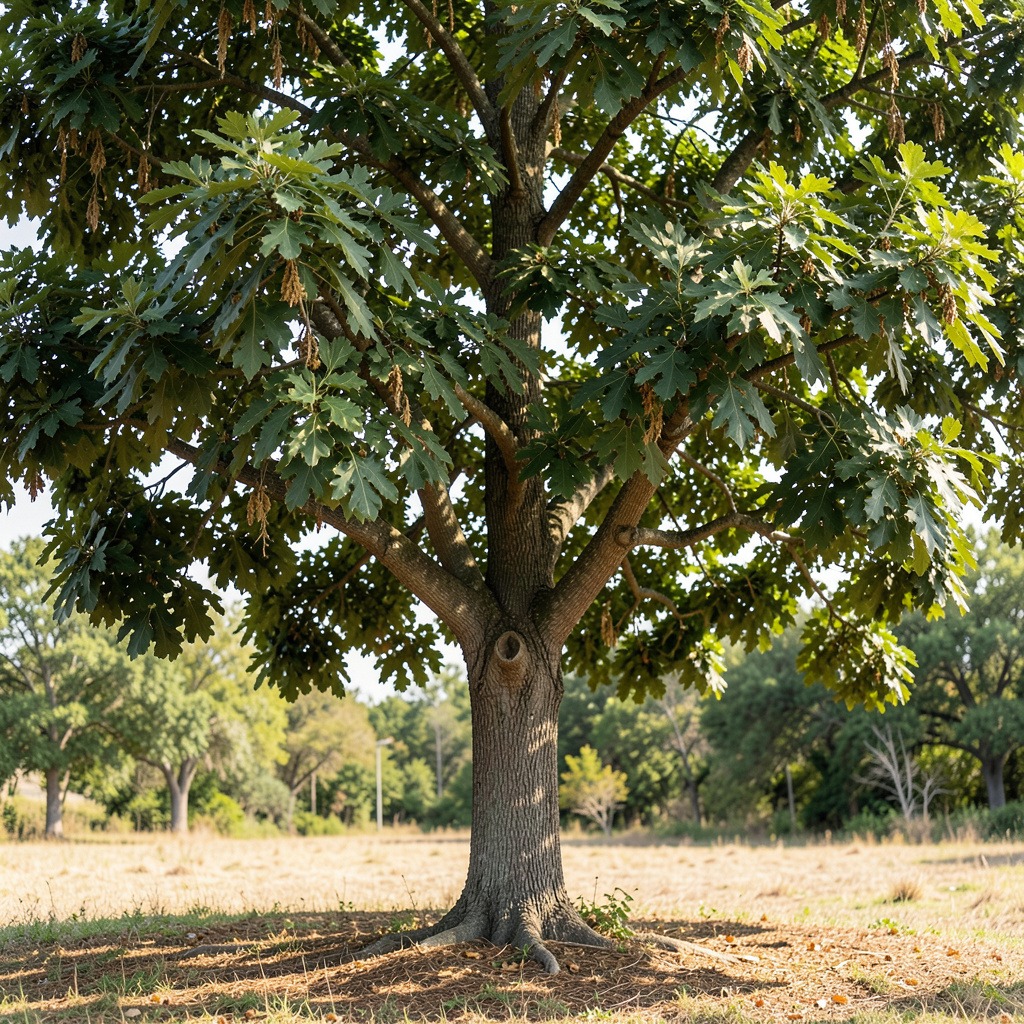
The Imperial honey locust tree, scientifically known as Gleditsia triacanthos var. inermis, is a favored option for landscaping. Its unique characteristics make it not only visually appealing but also functional as a shade provider.
Key Characteristics of the Imperial Honey Locust
- Size: This tree typically grows between 30 to 50 feet tall, with a spread of 30 to 40 feet.
- Foliage: It boasts delicate, fern-like leaves that are bright green in summer and transition to a golden yellow in fall.
- Thornless Variety: Unlike other honey locust species, the Imperial variety is thornless, making it safer for family and pets.
- Seed Pods: It produces seed pods that contain a sweet pulp, attracting various wildlife.
These features contribute to its popularity as they create a visually striking landscape while providing ample shade.
Aesthetic Appeal in Landscaping
The Imperial honey locust enhances any landscape with its rounded crown and elegant foliage. Its light-filtering leaves create dappled sunlight, which is perfect for flower beds or a grassy area below. Consider these points:
- Versatile Design: Works well in parks, residential areas, and streetscapes.
- Seasonal Interest: Offers visual change with color shifts through the seasons.
- Wildlife Friendly: Attracts birds and beneficial insects, enhancing biodiversity in your garden.
Environmental Adaptability
The Imperial honey locust excels in various environmental conditions, making it a resilient choice for different landscapes. Here’s why it stands out:
- Soil Tolerance: Adapts to a range of soil types, including sandy and clay soils.
- Drought Resistance: Once established, it requires minimal watering, making it suitable for arid regions.
- Pollution Resistance: It withstands urban pollution and salt, making it ideal for city landscapes.
When selecting a shade tree, consider these adaptability factors. For instance, if you live in an area with poor soil quality, the Imperial honey locust can thrive while providing much-needed shade.
Table of Contents
By weighing these characteristics, homeowners can assess whether the Imperial honey locust aligns with their landscaping goals.
Pros of the Imperial Honey Locust Tree
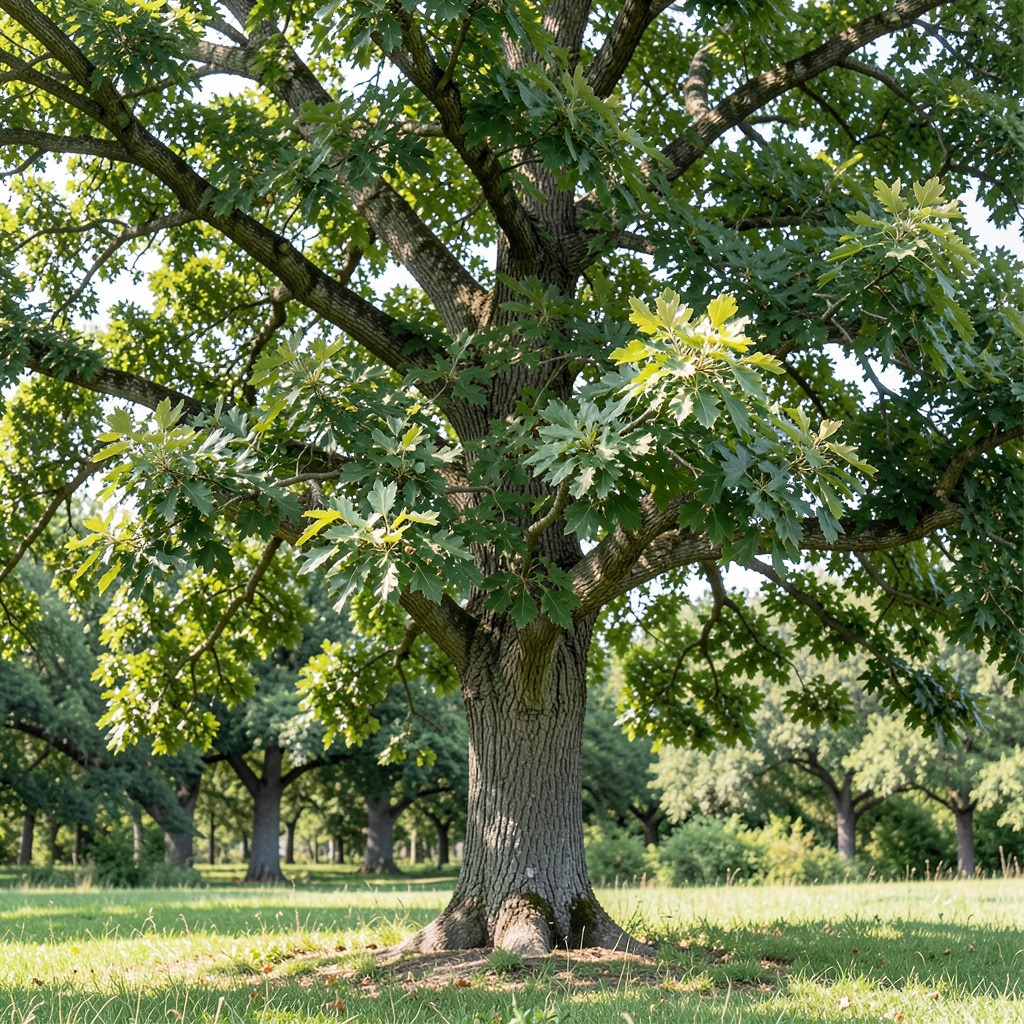
The Imperial honey locust tree offers numerous benefits for homeowners seeking an attractive and functional shade tree. Its fast growth, low maintenance needs, and adaptability make it a popular choice for various landscapes.
Fast Growth and Shade Provision
The Imperial honey locust boasts a rapid growth rate. Under ideal conditions, it can reach heights of 30 to 40 feet and develop a wide canopy, providing ample shade. This makes it an excellent option for areas that require quick shade coverage.
- Growth Rate: Typically grows 2 to 3 feet per year.
- Canopy Spread: At maturity, the tree can have a spread of 30 to 40 feet, creating a broad area of shade.
For example, homeowners in suburban settings have successfully planted Imperial honey locusts to provide shade over patios and playgrounds within just a few years, enhancing outdoor comfort and usability.
Low Maintenance and Pest Resistance
The Imperial honey locust is known for its low maintenance requirements. Once established, it requires minimal watering and is resistant to many common pests.
- Minimal Watering: Drought-tolerant after establishment.
- Pest Resistance: Less susceptible to pests and diseases compared to other tree species.
Homeowners report that the tree’s resilience reduces the need for chemical treatments, making it an environmentally friendly choice. In addition, its thornless nature eliminates concerns about injury, making it safer for families and pets.
Adaptability to Soil Conditions
This tree excels in a variety of soil types, including sandy loam and clay loam, as long as drainage is adequate. It thrives in both dry and moist conditions, making it a versatile choice for different climates.
- Soil Types: Suitable for sandy, loamy, and well-drained clay soils.
- Environmental Resilience: Tolerates urban pollution and salt, ideal for city landscapes.
For instance, in areas with poor soil quality, the Imperial honey locust has been successfully used to stabilize landscapes while providing shade. Homeowners facing erosion issues have found it particularly effective due to its deep root system, which helps anchor the soil.
By weighing these advantages, homeowners can make informed decisions about incorporating the Imperial honey locust into their landscaping.
Cons of the Imperial Honey Locust Tree
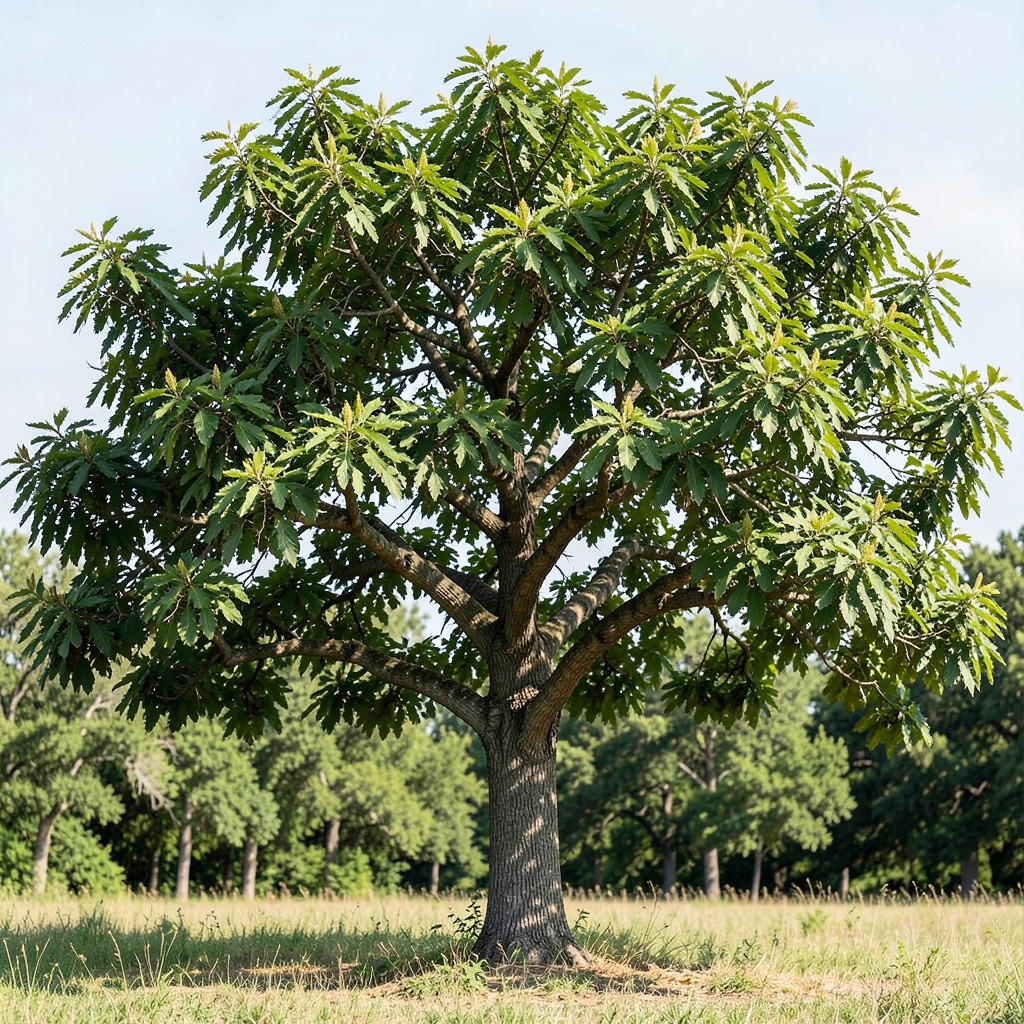
While the Imperial honey locust tree boasts many benefits, it also presents several drawbacks that homeowners should consider before planting. These include litter issues, potential pest problems, and specific maintenance needs.
Litter and Clean-Up Concerns
The Imperial honey locust produces seed pods that can create a mess in your yard. These pods drop in late summer and fall, leading to accumulation on the ground. Regular clean-up may be necessary to maintain a tidy landscape. Homeowners should be prepared for:
- Seed Pod Accumulation: Can lead to a cluttered appearance.
- Leaf Drop: Fern-like leaves fall in autumn, adding to debris.
- Potential Allergens: Some individuals may be sensitive to fallen plant material.
Pruning and Maintenance Needs
Maintaining the health and appearance of the Imperial honey locust requires regular pruning. This task can be hazardous due to the tree’s structure. Key considerations include:
- Safety Risks: Sharp branches and potential spikes can pose injury risks during pruning.
- Timing: Pruning should ideally occur in late winter or early spring before new growth begins.
- Frequency: Regular maintenance is essential to prevent overgrowth and ensure a well-shaped canopy.
Pest Issues and Management
While the Imperial honey locust is generally resilient, it may attract certain pests. Homeowners should be aware of the following:
- Common Pests: Insects like locust borers and aphids can weaken the tree. Regular monitoring is necessary.
- Management Strategies: Implementing integrated pest management (IPM) practices can help control infestations.
- Vigilance: Awareness of signs of distress, such as leaf curling or discoloration, allows for timely intervention.
Decision-Making Framework
When considering the Imperial honey locust, weigh these cons against its benefits. Here’s a simple framework:
1. Assess Your Landscape Needs: Consider your aesthetic preferences and maintenance willingness.
2. Evaluate Clean-Up Efforts: Determine if you can manage seasonal litter.
3. Plan for Pest Management: Be ready to monitor and address any pest issues proactively.
By understanding these potential drawbacks, you can make a more informed decision about incorporating the Imperial honey locust into your landscaping plans.
Maintenance and Care for Imperial Honey Locust Trees
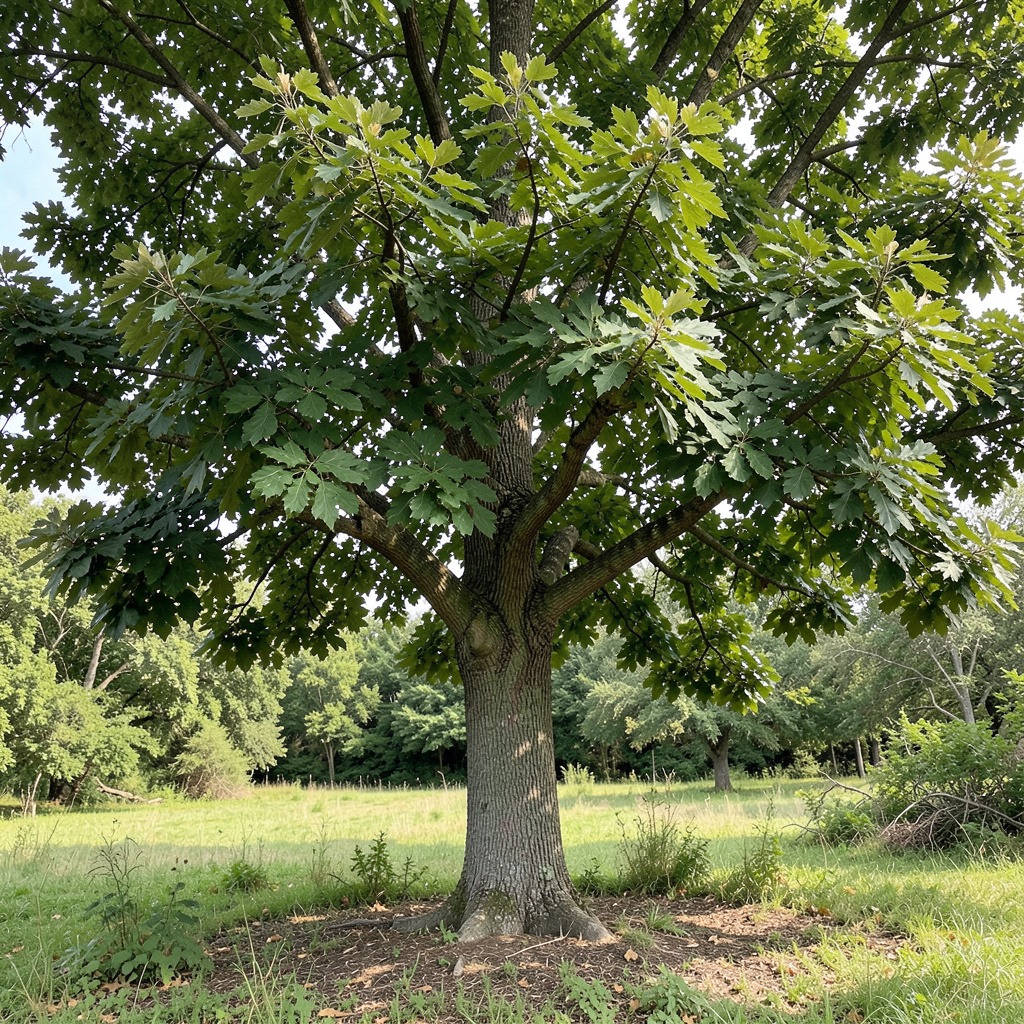
Caring for an Imperial honey locust tree involves a few essential practices. Proper watering, fertilization, and pruning ensure healthy growth and minimize potential issues. Here are some detailed guidelines to follow.
Watering and Fertilization Guidelines
- Watering:
- Newly planted trees require more frequent watering—about once a week until established.
- Mature trees can tolerate drought but benefit from deep watering during dry spells.
- Aim for 1-2 inches of water per week, adjusting for rainfall.
- Fertilization:
- Apply a balanced, slow-release fertilizer in early spring.
- Use a nitrogen-rich formula to support leafy growth, especially if the tree shows signs of nutrient deficiency.
- Avoid over-fertilization, as it can lead to excessive leaf growth at the expense of overall tree health.
Pruning Techniques and Timing
- Timing:
- Prune during late winter or early spring when the tree is dormant. This minimizes stress and promotes vigorous growth in the growing season.
- Techniques:
- Remove any dead, damaged, or crossing branches to improve air circulation.
- Trim back any water sprouts—vertical growths that can sap energy from the main branches.
- Maintain a central leader for a healthy structure, especially in younger trees.
Seasonal Care for Optimal Growth
- Spring:
- Fertilize and check for pests like aphids. Monitor new leaf growth for signs of distress.
- Summer:
- Water deeply during dry spells. Inspect for any signs of pests or diseases.
- Fall:
- Clean up fallen seed pods and leaves to prevent potential pest habitats.
- Consider a light pruning to maintain shape and remove any weak branches.
- Winter:
- Monitor for heavy snow accumulation on branches. Gently brush off any snow to prevent breakage.
Checklist for Tree Care
- [ ] Water weekly for newly planted trees.
- [ ] Fertilize in early spring.
- [ ] Prune in late winter.
- [ ] Inspect for pests each season.
- [ ] Clean up debris in fall.
By following these maintenance practices, you can enhance the longevity and beauty of your Imperial honey locust tree. This proactive approach minimizes potential downsides while maximizing the benefits of this ornamental shade tree.
Best Practices for Planting Imperial Honey Locust Trees
To successfully plant an Imperial honey locust tree, it is crucial to understand its ideal growing conditions. This tree thrives in specific soil types and sunlight exposure, which influence its growth and overall health.
Ideal Soil and Sunlight Conditions
The Imperial honey locust prefers well-drained soil. It can adapt to various soil types, from sandy loam to clay loam, as long as drainage is adequate. Avoid heavy clay or rocky soils, as these can hinder root development.
Sunlight Requirements:
- Full sun is essential for optimal growth.
- Aim for at least 6 hours of direct sunlight daily.
Spacing and Placement Recommendations
Proper spacing is vital to ensure healthy growth and access to sunlight. When planting multiple trees, consider the following:
- Space trees at least 30 feet apart to allow for their mature spread.
- Position them away from structures and other trees to minimize competition for nutrients and light.
When to Plant for Best Results
Timing your planting can significantly impact the establishment of your Imperial honey locust tree. Follow these guidelines:
- Best Planting Time: Early spring or fall is ideal since temperatures are moderate, reducing transplant shock.
- Checklist for Planting:
- [ ] Choose a well-drained location with full sun exposure.
- [ ] Test soil drainage and amend if necessary.
- [ ] Dig a hole twice as wide as the root ball and the same depth.
- [ ] Place the tree in the center and backfill with native soil.
- [ ] Water thoroughly after planting.
- [ ] Apply mulch around the base to retain moisture.
By adhering to these best practices, you can optimize the growth and health of your Imperial honey locust tree, ensuring it thrives in your landscape.
Frequently Asked Questions
These quick answers cover the most common questions about this topic, including key details, practical tips, and common concerns.
What are the downsides of having a honey locust tree?
While the Imperial honey locust tree has many benefits, it does come with some drawbacks. One major concern is the litter produced by its seed pods and fallen leaves, which can create a mess in your yard. Regular clean-up may be necessary, especially in late summer and fall when pods drop.
Additionally, the tree requires periodic pruning to maintain its shape and health. This can be hazardous due to sharp branches and potential spikes. Homeowners should also be aware of possible pest issues, such as locust borers and aphids, which may require monitoring and management.
Are honey locust trees good yard trees?
Yes, honey locust trees can be excellent choices for yards, particularly for those seeking fast-growing shade trees. They adapt well to various soil types and are drought-resistant once established. Their thornless variety, like the Imperial honey locust, makes them safer for families and pets.
However, consider your yard’s size and maintenance willingness. Their broad canopy can provide significant shade, but they also require regular clean-up and pruning to keep them looking their best.
What are the common problems that affect imperial honey locust trees?
Common problems affecting Imperial honey locust trees include litter from seed pods and leaves, which can require regular maintenance. They may also attract pests such as locust borers and aphids, which can weaken the tree if not managed properly.
In some cases, the tree may experience issues with soil drainage, especially in heavy clay soils. It’s essential to monitor the tree for signs of distress, such as leaf discoloration or curling, to address these problems promptly.
Where is the best place to plant a honey locust tree?
The best place to plant an Imperial honey locust tree is in a location with full sun exposure, receiving at least 6 hours of direct sunlight daily. It thrives in well-drained soil, making areas with sandy or loamy soil ideal.
Ensure the tree is spaced at least 30 feet away from structures and other trees to allow for its mature spread. Planting in early spring or fall is recommended, as moderate temperatures help reduce transplant shock.
Are there any good reasons to plant a honey locust tree in your yard?
Yes, there are several compelling reasons to plant an Imperial honey locust tree in your yard. Its rapid growth rate provides quick shade, making it ideal for outdoor spaces like patios and playgrounds. The tree’s attractive, fern-like foliage also adds aesthetic appeal to your landscape.
Moreover, it is low maintenance and adapts well to various soil types and environmental conditions. Its thornless nature makes it a safe option for families and pets, while its drought resistance can be beneficial in areas with limited water availability.
How often should you water an Imperial honey locust tree?
Newly planted Imperial honey locust trees should be watered weekly until they are established, which typically takes about one growing season. Aim for 1-2 inches of water per week, adjusting for rainfall.
Once established, these trees are drought-tolerant but can benefit from deep watering during prolonged dry spells to support healthy growth.
What maintenance is required for honey locust trees?
Maintenance for honey locust trees includes regular watering, especially for young trees, and annual pruning to maintain shape and health. Pruning should be done in late winter or early spring before new growth begins.
Additionally, monitor for pests and diseases, and clean up fallen seed pods and leaves in the fall to prevent clutter and potential pest habitats. Fertilization in early spring can also promote healthy growth.
What is the lifespan of an Imperial honey locust tree?
The Imperial honey locust tree has a lifespan of around 30 to 50 years, depending on the growing conditions and care it receives. Proper maintenance, such as watering, pruning, and pest management, can help extend its life and ensure it remains a healthy part of your landscape for decades.