
Incense cedar trees (Calocedrus decurrens) offer benefits like drought tolerance and aesthetic appeal, but they also present drawbacks such as size limitations for small gardens and potential fire risks if planted too close to structures.
Table of Contents
The incense cedar tree, known for its towering height and aromatic wood, can be a stunning addition to gardens. However, it’s essential to weigh its advantages and disadvantages to determine if it’s the right choice for your landscape.
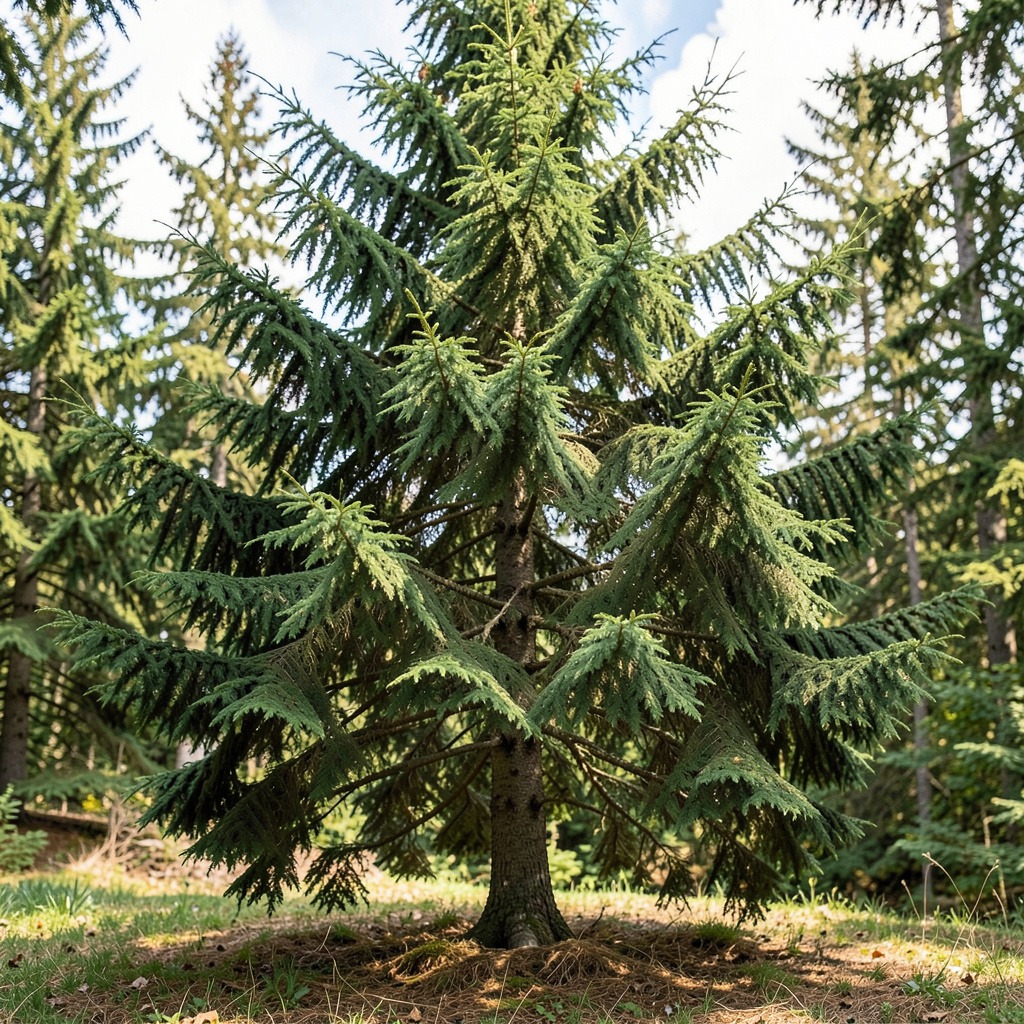
Understanding the Incense Cedar Tree
The incense cedar tree (Calocedrus decurrens) is a majestic conifer known for its aromatic wood and ecological benefits. Understanding its botanical characteristics and historical significance can help gardeners appreciate its role in landscaping.
Botanical Characteristics of Incense Cedar
The incense cedar is a tall tree, often reaching heights of 50 to 70 feet. It features a distinctive, columnar form with a dense canopy of soft, scale-like foliage.
- Leaves: The tree has flat, needle-like leaves that are green to bluish-green in color.
- Bark: Its thick, fibrous bark is reddish-brown and provides fire resistance.
- Cones: The tree produces small, rounded cones that mature in about 18 months.
Native to the western United States, its range extends from northern California to southern Oregon, thriving in diverse habitats, from dry mountainsides to moist riparian zones. The incense cedar’s adaptability makes it an excellent choice for various landscaping needs.
Historical Uses and Cultural Significance
Historically, the incense cedar has held significant cultural value, especially among Native American tribes. The Washoe and other tribes used its wood for constructing tools, baskets, and canoes, leveraging its durability and pleasant aroma.
- Aromatic Properties: The wood releases a fragrant scent when cut, which has made it popular for incense and ceremonial uses.
- Construction Material: The wood’s resistance to rot and decay has led to its use in building shingles and siding.
- Ecological Role: This tree supports local wildlife and prevents soil erosion, making it a vital part of the ecosystem.
In landscaping, the incense cedar can serve as a striking focal point, especially in large gardens or parks. Its height and form can provide vertical interest and shade, enhancing the overall aesthetic of outdoor spaces.
Pros of Growing Incense Cedar Trees
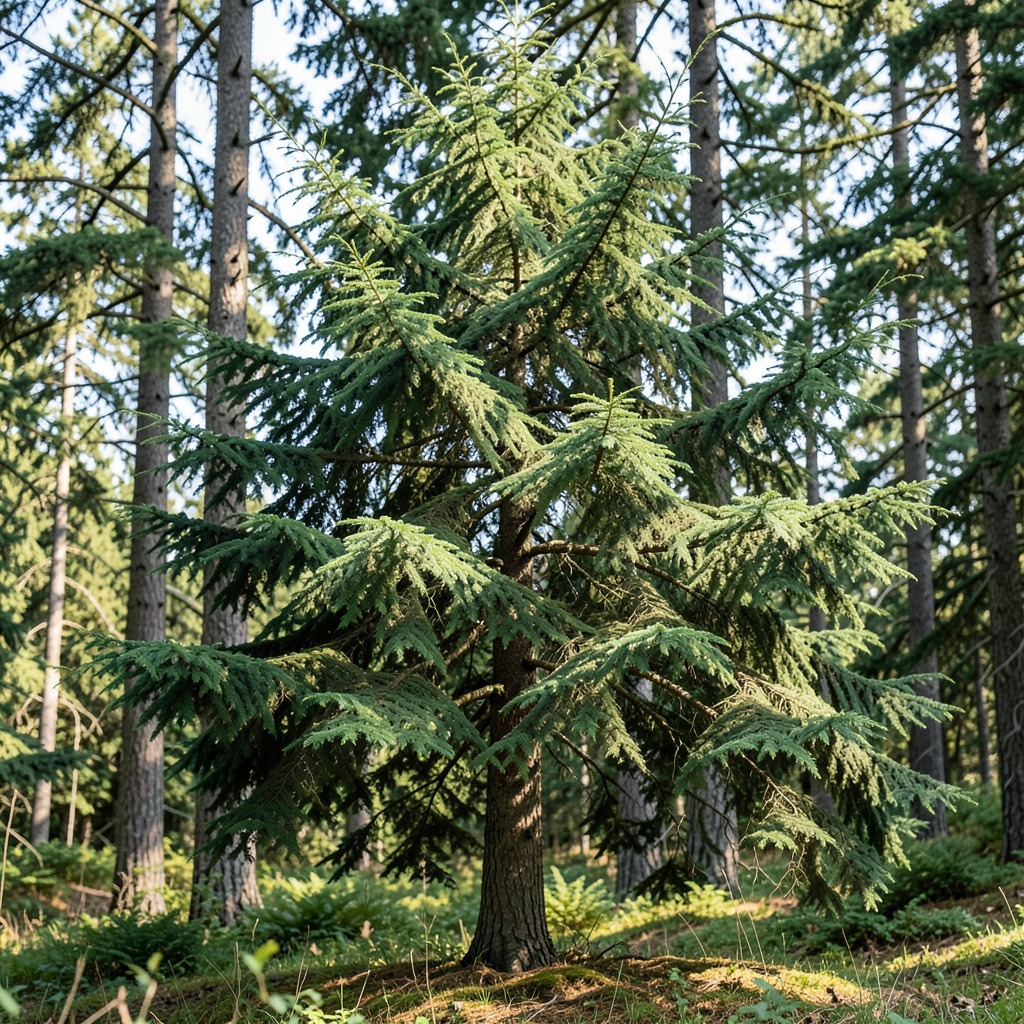
Planting incense cedar trees offers numerous benefits, from their aesthetic appeal to their ecological contributions. Understanding these advantages can help gardeners make informed decisions about incorporating this species into their landscapes.
Aesthetic Appeal in Landscaping
Incense cedar trees are known for their striking appearance. They can grow up to 50-75 feet tall, making them ideal for creating focal points in larger gardens or parks. Their graceful, conical shape adds vertical interest, and their rich green foliage serves as an attractive backdrop for other plants.
- Visual Interest: The dense foliage provides year-round beauty.
- Height and Shape: Creates shade and defines outdoor spaces.
- Fragrant Wood: The pleasant scent enhances the sensory experience of the garden.
Ecological Benefits: Wildlife and Soil Health
This species plays a vital role in local ecosystems. Incense cedars support wildlife and improve soil health, making them a valuable addition to any garden.
- Habitat Support: Provides shelter and food for various bird species and small mammals.
- Soil Erosion Prevention: The root system stabilizes soil, reducing erosion on slopes and hillsides.
- Drought Resilience: Mature trees are drought-tolerant, conserving water and promoting sustainable landscaping practices.
Practical Uses of Incense Cedar Wood
The wood of the incense cedar is not only beautiful but also highly functional. Its properties make it suitable for various applications.
- Construction Material: Durable and rot-resistant, ideal for outdoor structures like decks and fences.
- Artisan Crafting: The wood is easy to carve, making it popular for crafting items like pencils and decorative objects.
- Incense Production: The aromatic wood is traditionally used for incense, enhancing its appeal in ceremonial contexts.
Example of Successful Landscaping
In a recent project in Southern California, landscape architects successfully integrated incense cedars into a public park. The trees were strategically placed to provide shade along walking paths while enhancing the park’s natural beauty. This approach not only improved the aesthetic but also supported local wildlife, demonstrating the tree’s multifaceted benefits.
When considering planting incense cedar, evaluate your landscape needs against these characteristics to maximize the advantages this remarkable tree can offer.
Cons of Growing Incense Cedar Trees
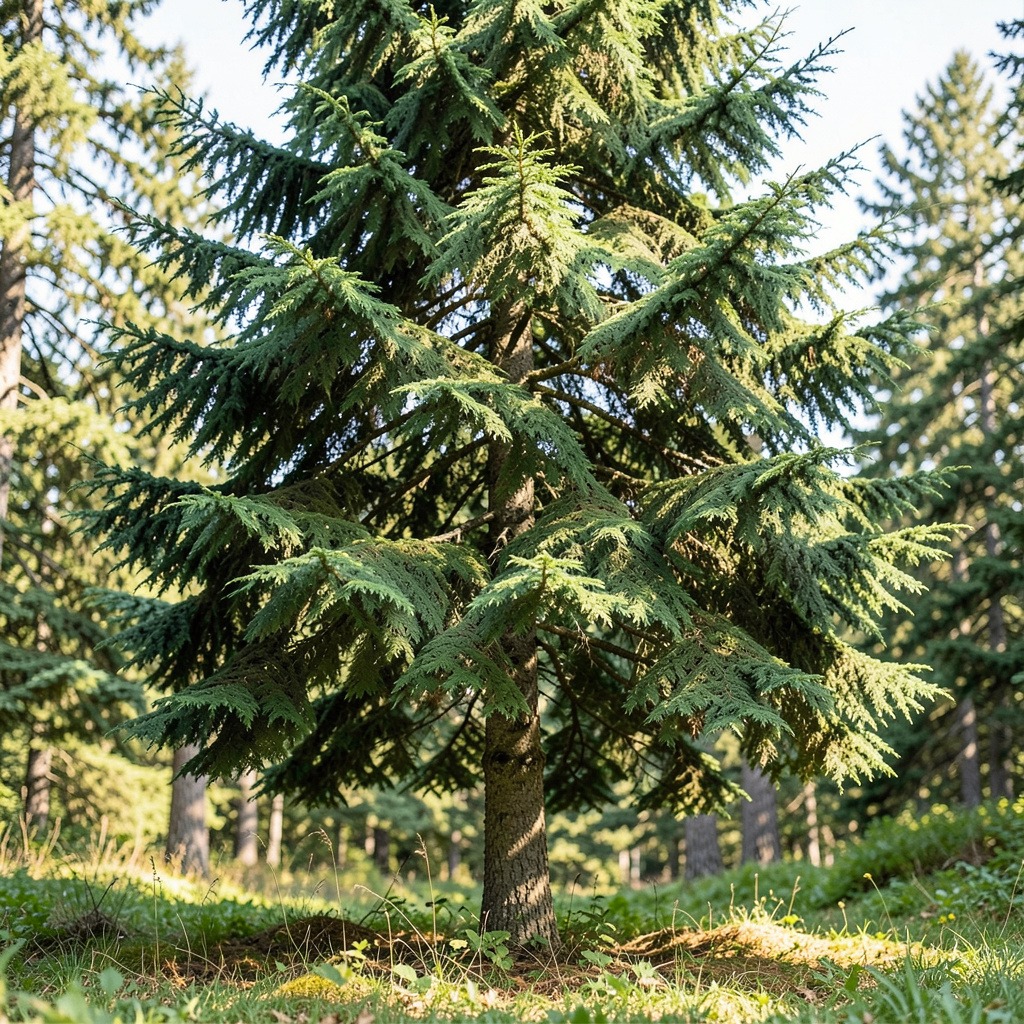
While incense cedar trees offer numerous benefits, potential planters should be aware of several drawbacks. Size limitations, maintenance challenges, and fire risks are key considerations before planting.
Size Limitations for Urban Gardens
Incense cedar trees can grow quite large, reaching heights of up to 200 feet and spreads of 30 to 40 feet at maturity. This size can pose challenges in smaller urban gardens. When planted too close to structures or other plants, they may obstruct views, block sunlight, or cause structural damage over time.
Checklist for Size Considerations:
- Assess available vertical and horizontal space.
- Ensure the tree’s full growth potential will not interfere with power lines or buildings.
- Consider future maintenance needs for large trees.
Maintenance and Care Challenges
Although incense cedar is generally low-maintenance, young trees require regular watering during their initial years. Neglecting watering can lead to stunted growth or even death. Additionally, the tree may need periodic pruning to maintain its shape and health, especially in confined spaces.
Key Maintenance Points:
- Young trees need consistent watering for the first three years.
- Prune annually to manage size and promote healthy growth.
- Monitor for pests and diseases, as early intervention can reduce long-term issues.
Fire Risk Concerns
Incense cedar is known for its fire resistance, but it is not entirely fireproof. In regions prone to wildfires, the tree can still contribute to fire spread if conditions are right. Its thick foliage can act as fuel, especially if not properly maintained.
Fire Risk Considerations:
- Evaluate local wildfire risk factors before planting.
- Maintain a defensible space around the tree by clearing underbrush and dead materials.
- Consider companion planting to create a fire-resistant landscape.
By understanding these cons, potential planters can better assess whether the incense cedar is a suitable choice for their landscaping needs.
Growth Characteristics and Care of Incense Cedar
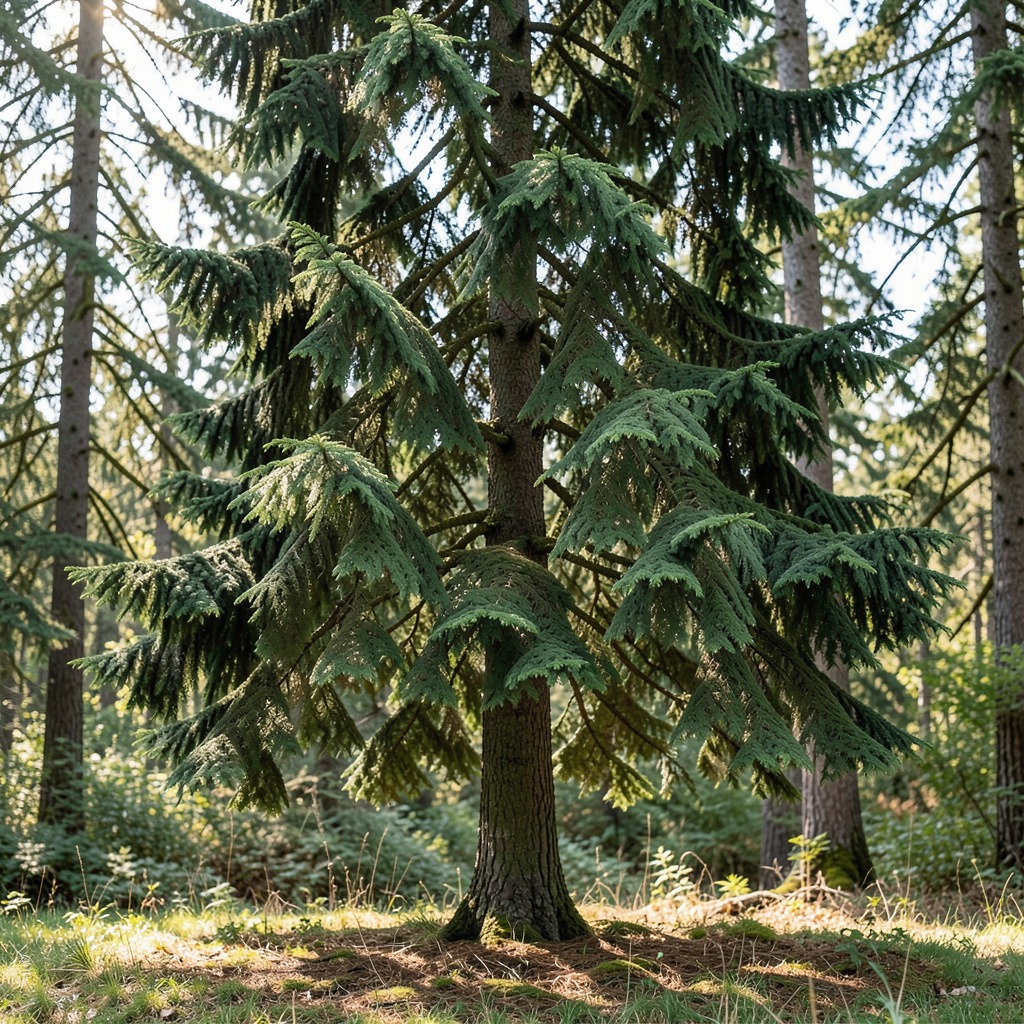
The incense cedar (Calocedrus decurrens) is a resilient tree known for its adaptability and aesthetic appeal in landscaping. Understanding its growth characteristics and care requirements will help gardeners maximize its benefits while minimizing challenges.
Ideal Growing Conditions
Incense cedar thrives in various conditions, but optimal growth requires specific attention to sunlight and soil preferences:
- Sunlight: This tree prefers full to partial sun exposure. Aim for at least 6 hours of direct sunlight daily to ensure healthy growth.
- Soil: Well-drained soil is crucial. Incense cedar does not tolerate waterlogged conditions. Sandy or loamy soil types offer the best drainage and nutrient availability.
Watering and Maintenance Needs
Proper watering and maintenance practices are essential for young incense cedar trees. Here are key considerations:
- Watering Needs: Newly planted trees require regular watering, especially during the first two years. Aim for deep watering once a week. This helps establish a robust root system. After maturity, the tree becomes drought-tolerant but still benefits from occasional watering in prolonged dry spells.
- Maintenance: Minimal maintenance is required. However, it’s vital to prune dead or damaged branches to maintain health and appearance. Regular inspections for pests and disease can prevent larger issues.
Common Pest Issues
While the incense cedar is relatively low-maintenance, it is not immune to pests. The following issues may arise:
- Aphids: These small insects can weaken the tree by feeding on sap. Monitor for clusters on new growth.
- Cedar Bark Beetles: These pests can damage the tree by burrowing into the bark. Look for signs of frass or holes in the bark.
- Fungal Infections: Poor drainage can lead to root rot or other fungal diseases. Ensure good soil drainage and avoid overwatering.
Pest Management Strategy:
- Regularly inspect trees for early signs of infestation.
- Introduce beneficial insects like ladybugs to naturally control aphid populations.
- Consider organic pesticides if infestations become severe.
By following these growth, watering, and maintenance guidelines, gardeners can successfully cultivate incense cedar while leveraging its ecological and aesthetic benefits.
Where Does Incense Cedar Grow Best?
Incense cedar thrives in a variety of environments, but specific conditions enhance its growth. Understanding these factors is critical for gardeners looking to plant this tree successfully.
Climate and Soil Preferences
Incense cedar (Calocedrus decurrens) prefers a Mediterranean climate with warm, dry summers and mild, wet winters. It grows best in well-drained soil that is slightly acidic to neutral. Key characteristics include:
- Sun Exposure: Full to partial sun is ideal. The tree can tolerate some shade but performs best with ample sunlight.
- Soil Drainage: The tree dislikes waterlogged conditions. Well-drained soils reduce the risk of root rot and promote healthy growth.
- Drought Tolerance: Once established, incense cedar is drought-tolerant, making it suitable for regions with limited water availability.
Best Regions for Planting
Incense cedar is native to western North America, thriving in specific regions that fulfill its environmental needs. Ideal planting locations include:
- Pacific Northwest: Particularly in areas like Oregon and Northern California, where the climate aligns with the tree’s preferences.
- Mountainous Regions: Incense cedar grows well in mixed conifer forests, benefiting from the cooler temperatures and natural moisture of higher elevations.
- Urban Areas: While it can be planted in urban gardens, consider the tree’s mature size. Avoid planting under power lines or near structures.
Checklist for Successful Planting
- Choose a planting site with full sun exposure.
- Ensure soil drains well; amend heavy soils if necessary.
- Water young trees regularly until established.
- Monitor for pests and diseases, particularly in urban settings.
By recognizing these planting conditions, gardeners can optimize the growth and health of incense cedar trees in their landscapes.
Comparing Incense Cedar to Other Landscape Trees
When considering the incense cedar (Calocedrus decurrens) for your garden, it is essential to compare its characteristics with other popular landscape trees. This analysis highlights the unique advantages and disadvantages of incense cedar, helping gardeners make informed decisions.
Similar Trees and Their Characteristics
1. Western Red Cedar (Thuja plicata)
- Growth: Similar height and spread, reaching up to 200 feet.
- Wood: Highly valued for its rot resistance; used in construction and crafts.
- Ecosystem Role: Provides habitat for wildlife and is also a source of food for birds.
2. Lodgepole Pine (Pinus contorta)
- Growth: Typically grows to 50-80 feet tall.
- Drought Tolerance: Moderate; not as drought-resistant as incense cedar.
- Usefulness: Primarily used for timber and paper production.
3. Sugar Pine (Pinus lambertiana)
- Growth: Can reach heights of 200 feet, similar to incense cedar.
- Ecological Benefits: Provides habitat and forage for various animal species.
- Wood: Used extensively in construction due to its strength and workability.
Pros and Cons Compared
| Feature | Incense Cedar | Western Red Cedar | Lodgepole Pine | Sugar Pine |
|---|---|---|---|---|
| Height | Up to 200 feet | Up to 200 feet | 50-80 feet | Up to 200 feet |
| Drought Tolerance | High | Moderate | Moderate | Moderate |
| Fire Resistance | Excellent | Good | Moderate | Moderate |
| Wood Uses | Fragrant, used for shingles, tools | Highly rot-resistant, construction | Timber and paper | Strong, used in construction |
| Wildlife Support | Good for nesting birds | Excellent habitat | Moderate | Good habitat |
| Maintenance | Low; minimal care once established | Moderate; needs occasional pruning | Low to moderate | Low to moderate |
Decision Framework for Tree Selection
When selecting a tree for your landscape, consider the following factors:
- Space Availability: Assess your yard size. Incense cedar can grow large, potentially shading out smaller plants.
- Water Availability: If your garden has limited water resources, incense cedar may be preferable due to its drought resistance.
- Aesthetic Goals: Consider the visual impact. Incense cedar offers a unique green foliage and pleasing scent, distinguishing it from many other trees.
- Wildlife Attraction: If you aim to support local wildlife, evaluate the tree’s role as a habitat and food source.
Choosing the right tree involves understanding not only its characteristics but also how it fits within your specific gardening goals and environmental conditions.
Final Thoughts on Incense Cedar Trees
The incense cedar tree (Calocedrus decurrens) offers both benefits and challenges for home gardeners. Understanding these pros and cons is essential for making an informed decision about its suitability in your landscape.
Pros of Incense Cedar Trees
- Drought Resistance: Incense cedar thrives in dry conditions, making it ideal for low-water gardens.
- Fire Resistance: This tree’s thick bark provides some protection against fire, enhancing safety in wildfire-prone areas.
- Ecological Benefits: It supports local wildlife, offering nesting sites and foraging opportunities for various species.
- Durable Wood: The wood is prized for its fragrance and resistance to rot, suitable for construction and craft projects.
Cons of Incense Cedar Trees
- Size Considerations: Incense cedar can grow large, potentially overshadowing smaller plants and requiring ample space.
- Maintenance Needs: While generally low-maintenance, it may require pruning to manage its size and shape.
- Limited Compatibility: It may not thrive in areas with poor drainage or excessive shade, limiting planting options.
Ideal Planting Conditions
When considering an incense cedar, assess the following:
- Sunlight: Prefer full sun to partial shade for optimal growth.
- Soil: Well-drained soil is crucial; avoid waterlogged conditions.
- Space: Ensure adequate room for its mature height and spread, avoiding areas under power lines.
Decision Framework for Tree Selection
To determine if incense cedar is right for your garden, reflect on these key areas:
1. Gardening Goals: Are you looking for a drought-tolerant tree that supports wildlife?
2. Space Availability: Do you have the room for a large tree without compromising other plants?
3. Maintenance Commitment: Are you prepared for potential pruning and care needs?
By aligning your gardening objectives with the characteristics of the incense cedar, you can make a well-informed choice that enhances your landscape.
Frequently Asked Questions
These quick answers cover the most common questions about this topic, including key details, practical tips, and common concerns.
How fast do incense cedars grow?
Incense cedars are known for their moderate growth rate. Typically, they can grow anywhere from 12 to 24 inches per year, depending on environmental conditions such as soil quality, water availability, and sunlight exposure. In ideal conditions, young trees can reach heights of 20 feet within the first decade.
Is incense cedar real cedar?
Yes, incense cedar (Calocedrus decurrens) is often referred to as a “cedar,” but it belongs to the Cupressaceae family, which is distinct from true cedars (genus Cedrus). Despite the name, it shares some characteristics with true cedars, such as aromatic wood and similar growth habits.
How long do incense cedars live?
Incense cedars are long-lived trees, often surviving for 300 years or more in their natural habitat. With proper care and optimal growing conditions, these trees can thrive for generations, making them a valuable addition to any landscape.
Where does incense cedar grow best?
Incense cedar thrives in regions with a Mediterranean climate, characterized by warm, dry summers and mild, wet winters. It prefers well-drained soils and full to partial sun exposure. Ideal locations include the Pacific Northwest and mountainous areas of California, where it can grow in various elevations.
Are there major drawbacks to growing incense cedar in the home garden?
The primary drawbacks of growing incense cedar include its large size, which can be unsuitable for small gardens, and its maintenance needs, particularly for young trees that require regular watering. Additionally, while generally fire-resistant, they can still pose a fire risk if not properly maintained, especially in wildfire-prone areas.
Why are incense cedars rarely planted in Sacramento?
Incense cedars are not commonly planted in Sacramento due to the region’s urban environment, which may not provide ideal conditions for their growth. Factors such as soil type, water availability, and space limitations can hinder their establishment. Additionally, concerns about size and fire risk in densely populated areas contribute to their limited use.
What are the best practices for caring for incense cedar trees?
To care for incense cedar trees effectively, ensure they receive adequate water during their first few years, especially in dry spells. Prune annually to maintain shape and health, and monitor for pests like aphids and bark beetles. Providing well-drained soil and mulching can help retain moisture and improve overall health.
Can incense cedar trees thrive in urban environments?
While incense cedar can be planted in urban settings, they require careful consideration of space and conditions. Ensure there is sufficient room for their mature size and avoid planting near power lines or structures. Urban pollution and compacted soil can also affect growth, so choose planting sites wisely to promote healthy development.