
The Indian Laurel tree (Ficus microcarpa) offers benefits like dense shade and privacy but can also have drawbacks, including invasive roots and maintenance challenges.
Table of Contents
The Indian Laurel tree, known scientifically as Ficus microcarpa, is a popular choice for landscaping due to its aesthetic appeal and practicality. However, potential owners should weigh its advantages against its drawbacks to make informed decisions about planting.
Understanding the Indian Laurel Tree
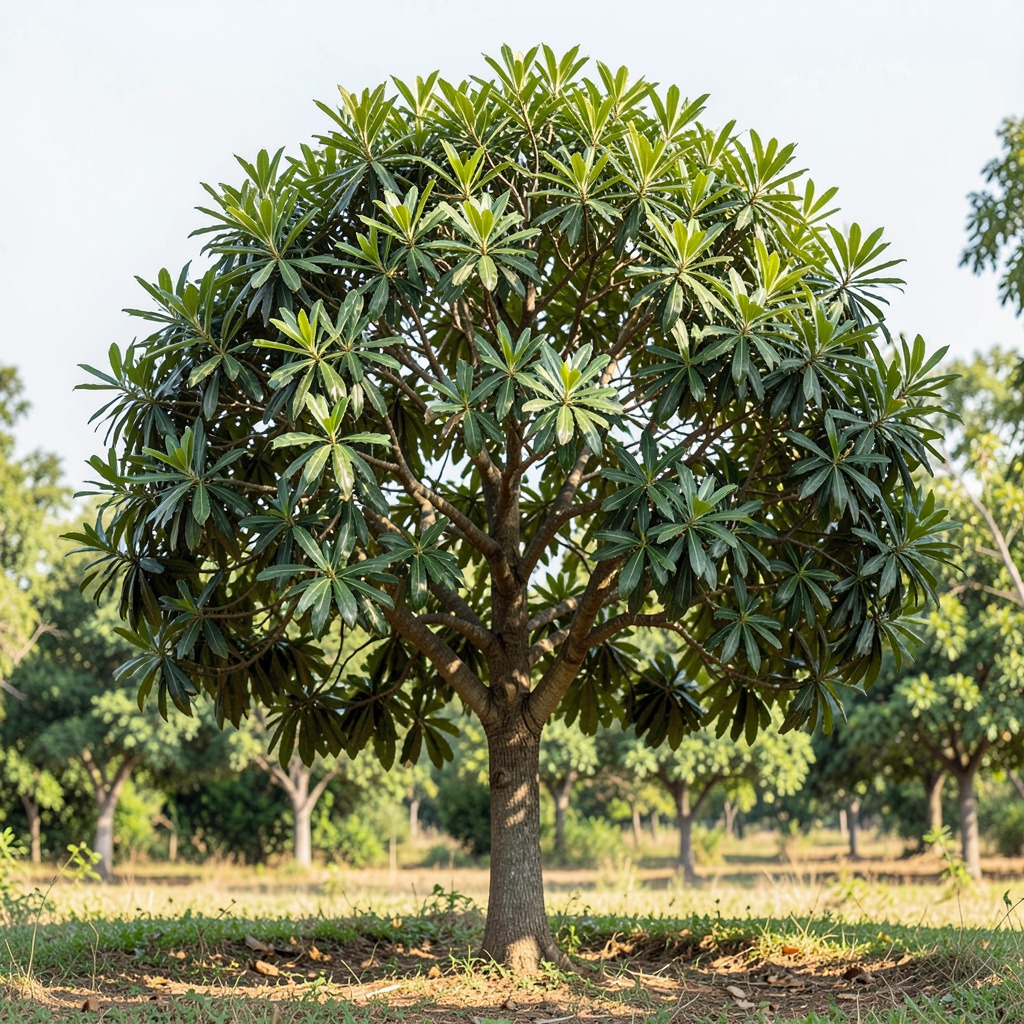
The Indian Laurel tree, scientifically classified as Ficus microcarpa, is an evergreen species valued for its adaptability and aesthetic appeal. It thrives in various landscaping settings, making it a popular choice among gardeners.
Common Names and Scientific Classification
- Common Names: Indian Laurel, Chinese Banyan, and Fig Tree.
- Scientific Classification:
- Family: Moraceae
- Genus: Ficus
- Species: microcarpa
Appearance and Growth Characteristics
The Indian Laurel tree features dense foliage with glossy, leathery leaves. It can grow up to 20 feet tall and 15 feet wide, creating a lush canopy. Its growth rate is moderate, making it a viable option for privacy screens and shade.
- Leaf Shape: Oval to elliptical, measuring 3 to 6 inches long.
- Bark: Smooth and grayish, adding to its ornamental value.
Native Habitats
Ficus microcarpa is native to tropical and subtropical regions of South and Southeast Asia. It flourishes in USDA Hardiness Zones 9–11, where it adapts well to hot and dry conditions.
- Common Environments:
- Coastal areas
- Urban landscapes
- Parks and gardens
The tree’s resilience to drought makes it suitable for various climates, though it prefers well-draining soil and full sunlight.
Understanding these characteristics helps gardeners make informed decisions when considering the Indian Laurel tree for their landscapes.
Pros of Planting Indian Laurel Trees
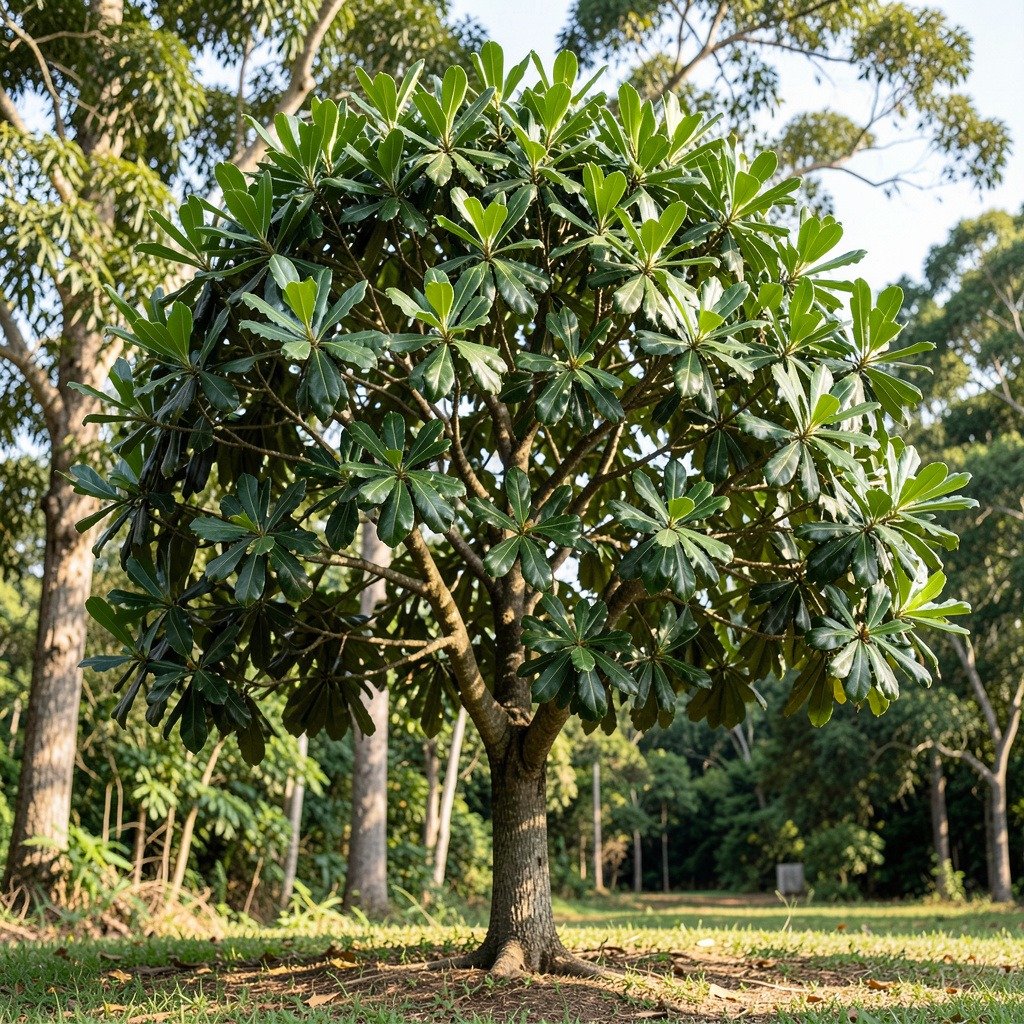
Indian laurel trees, or Ficus microcarpa, offer numerous advantages for gardeners seeking aesthetic appeal, shade, and privacy. Their fast growth rate and low maintenance needs further enhance their value in landscaping.
Aesthetic Appeal and Versatility
Indian laurel trees feature dense, glossy foliage that enhances the visual appeal of any landscape. Their versatility allows them to fit various design styles, making them suitable for residential gardens, urban parks, and commercial properties. Homeowners often use these trees as focal points or to create lush green barriers.
- Ornamental Features: The smooth gray bark and rich green leaves add texture and depth to the landscape.
- Integration with Other Plants: Indian laurels pair well with flowering plants, enhancing the overall aesthetic.
Excellent Shade Provider
One of the most significant benefits of the Indian laurel tree is its ability to provide ample shade. The dense canopy can significantly lower temperatures in outdoor spaces, making them more comfortable during hot weather.
- Temperature Regulation: By shading your home and outdoor areas, Indian laurels can reduce energy costs associated with cooling.
- Ideal for Gathering Spaces: Placing these trees strategically can create shaded areas perfect for outdoor activities.
Natural Privacy Screens
Indian laurel trees excel in creating natural privacy barriers. Their thick foliage grows quickly, allowing homeowners to establish privacy screens in a short period.
- Height Potential: With proper care, these trees can reach heights of 10-20 feet, providing effective visual barriers.
- Noise Reduction: The dense leaves also help block noise, creating a more serene outdoor environment.
Growth Rate and Low Maintenance
Indian laurels are known for their fast growth rate, making them an attractive option for those seeking quick results in their landscaping efforts. Additionally, they require minimal maintenance once established.
- Adaptability: These trees thrive in various conditions, including drought-prone areas, with proper watering during establishment.
- Pruning: Regular trimming is simple and helps maintain the desired shape and height.
Example Scenario: A homeowner in a suburban neighborhood planted Indian laurel trees along their property line to enhance privacy. Within two years, the trees formed a lush green barrier, effectively blocking views from neighboring homes and reducing noise from nearby streets.
When considering landscaping options, Indian laurel trees uniquely combine beauty, functionality, and ease of care, making them an excellent choice for many gardeners.
Cons of Indian Laurel Trees
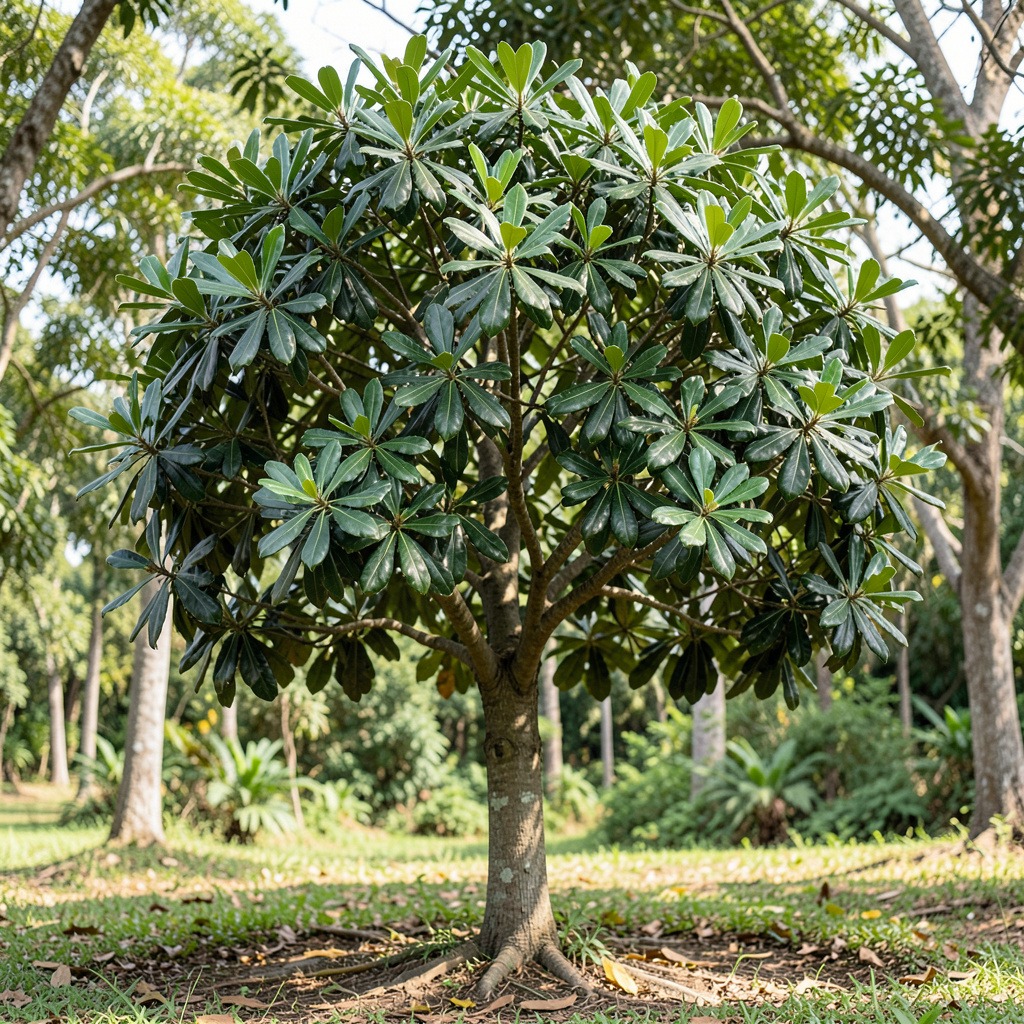
While Indian Laurel trees offer many benefits, they also present several drawbacks that potential gardeners should consider. Understanding these cons can help you make an informed decision.
Invasive Root Systems
Indian Laurel trees have aggressive root systems. These roots can spread extensively, potentially causing damage to sidewalks, foundations, and underground pipes. As they mature, the roots may disrupt nearby landscaping, making them a poor choice for small yards or urban settings.
- Root Invasiveness: Roots can extend far beyond the tree canopy.
- Structural Risks: Damage to hardscapes and structures is common.
- Mitigation Strategies: Consider installing root barriers during planting to redirect growth.
Maintenance Challenges
Although Indian Laurels require minimal care once established, they can require significant attention in their early stages. Regular pruning is essential to maintain their shape and height. Neglecting this can lead to overgrowth, which may compromise their aesthetic appeal.
- Pruning Frequency: Requires annual trimming to control size.
- Watering Needs: Young trees need frequent watering; established trees are drought-tolerant but benefit from occasional moisture.
- Pest Monitoring: While generally resistant to pests, you should watch for aphids and scale insects.
Potential Ecological Impacts
The ecological footprint of Indian Laurel trees warrants consideration. Their invasive nature can outcompete native species, leading to reduced biodiversity in local ecosystems. Additionally, their rapid growth can disrupt the balance of local flora.
- Biodiversity Concerns: Can displace native plants and alter habitats.
- Environmental Adaptability: Thrives in various conditions, which may lead to unchecked spread in some areas.
Comparison with Other Landscaping Trees
When selecting a tree for your landscape, consider alternatives that have fewer invasive issues. Trees like the Eastern Red Cedar or Eastern Arborvitae may offer similar benefits without the risk of aggressive root systems.
| Tree Type | Growth Rate | Invasiveness | Maintenance Needs |
|---|---|---|---|
| Indian Laurel | Fast | High | Moderate |
| Eastern Red Cedar | Moderate | Low | Low |
| Eastern Arborvitae | Slow | Low | Low |
By weighing these cons against the benefits, you can better determine if the Indian Laurel tree is the right fit for your landscaping needs.
How to Care for Indian Laurel Trees
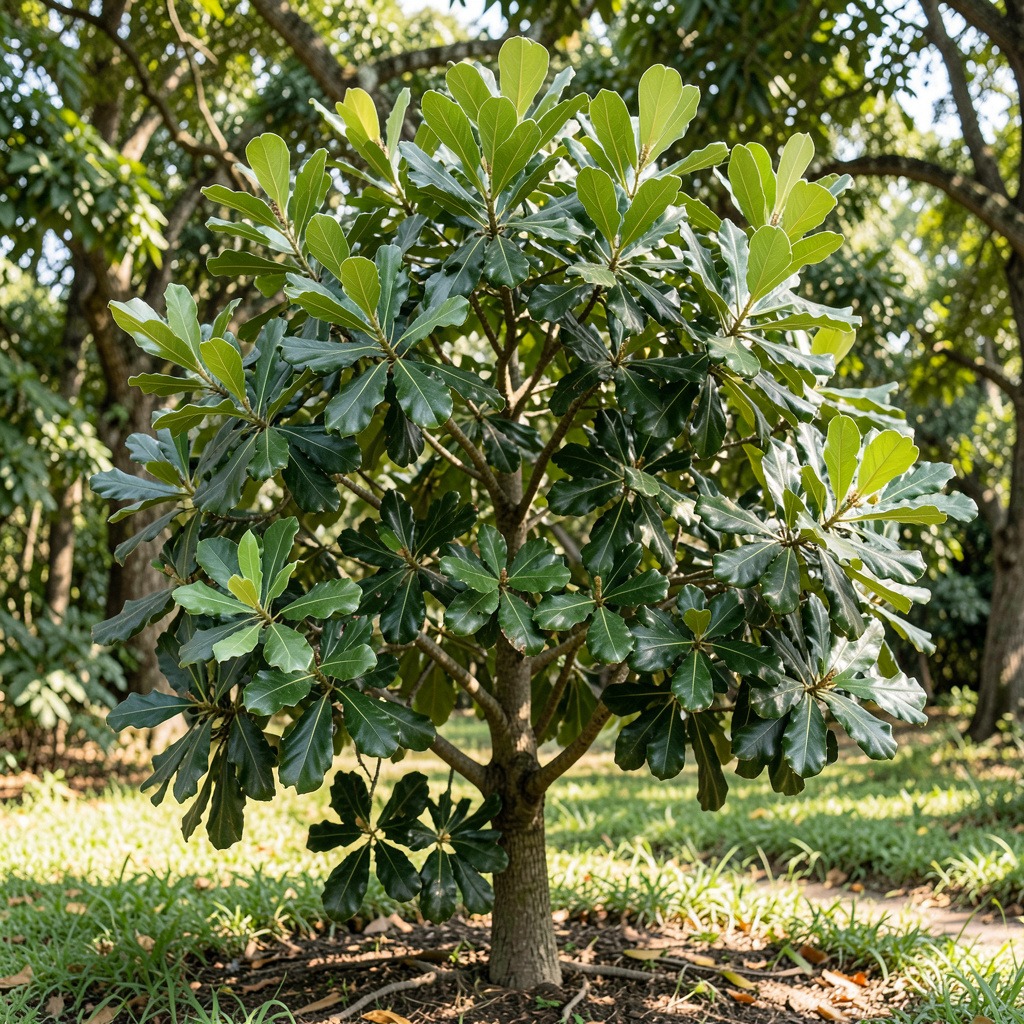
Caring for Indian Laurel trees (Ficus microcarpa) is essential for their health and longevity. Proper watering, soil management, and pruning strategies will ensure vibrant growth and minimize potential issues.
Watering and Soil Requirements
Indian Laurel trees thrive in well-draining soil and require consistent watering, especially during their first year. Here are key points to consider:
- Soil: Use well-draining soil to prevent root rot. Sandy or loamy soil works best.
- Watering:
- Water deeply once or twice a week during dry spells.
- Reduce watering in winter, but ensure the soil does not completely dry out.
- Newly planted trees need more frequent watering until established.
Pruning and Maintenance Tips
Regular pruning is crucial for maintaining the shape and health of Indian Laurel trees. Follow these guidelines:
- Timing: Prune in early spring before new growth begins.
- Techniques:
- Remove dead or damaged branches.
- Thin out crowded areas to improve air circulation.
- Trim to achieve desired height and shape, ideally keeping the tree between 10-20 feet for optimal privacy and shade.
Pest Management Strategies
While Indian Laurel trees are generally resistant to pests, monitoring is essential. Common pests include aphids and scale insects. Here’s how to manage them:
- Monitor: Regularly check for signs of infestation, such as curling leaves or sticky residue.
- Treatment:
- Use insecticidal soap or neem oil for mild infestations.
- For severe cases, consider a systemic insecticide, but follow application instructions carefully.
- Preventive Measures:
- Keep the area around the tree clean to reduce pest habitats.
- Ensure proper air circulation by spacing trees appropriately.
Seasonal Care Checklist
- Spring: Prune and fertilize to promote growth.
- Summer: Water regularly and check for pests.
- Fall: Prepare for cooler weather by reducing watering.
- Winter: Inspect for damage and adjust watering as needed.
By adhering to these care strategies, you can maximize the benefits of your Indian Laurel tree while minimizing potential drawbacks.
Alternatives to Indian Laurel Trees
When considering landscaping options, several trees can serve similar purposes as the Indian Laurel (Ficus microcarpa). Each alternative has its own advantages and drawbacks that may affect your decision.
Fast-Growing Alternatives
Some trees grow faster than Indian Laurel, providing quicker shade and privacy.
| Tree Type | Growth Rate | Pros | Cons |
|---|---|---|---|
| Carolina Cherry Laurel | 2-3 feet per year | Dense foliage, attractive appearance | Can be prone to leaf spot |
| Eastern Red Cedar | 1-2 feet per year | Drought-tolerant, provides excellent cover | Less dense than Indian Laurel |
| Leyland Cypress | 3-4 feet per year | Fast privacy screen, tolerant of various soils | Requires regular pruning for shape |
Low-Maintenance Options
If maintenance is a priority, consider these trees for landscaping.
| Tree Type | Maintenance Level | Pros | Cons |
|---|---|---|---|
| Holly Oak | Low | Drought-resistant, minimal pruning needed | Slower growth rate |
| Southern Magnolia | Low | Stunning flowers, evergreen | Larger space required |
| Arborvitae | Low | Easy to shape, good for hedges | May require pest monitoring |
Non-Invasive Choices
For those concerned about root invasiveness, explore these non-invasive trees.
| Tree Type | Invasiveness Level | Pros | Cons |
|---|---|---|---|
| Sugar Maple | Non-invasive | Beautiful fall color, excellent shade | Slower initial growth |
| Japanese Maple | Non-invasive | Ornamental, small size for limited spaces | More delicate; less shade |
| Serviceberry | Non-invasive | Attractive flowers and fruits, wildlife-friendly | Requires well-drained soil |
When selecting a tree, consider your specific landscaping needs. Evaluate growth rates, maintenance requirements, and potential invasiveness. This approach ensures you select the best tree for your garden while minimizing issues associated with Indian Laurel trees.
Frequently Asked Questions
These quick answers cover the most common questions about this topic, including key details, practical tips, and common concerns.
Do Indian laurels have invasive roots?
Yes, Indian Laurel trees (Ficus microcarpa) are known for their invasive root systems. Their roots can spread extensively, causing potential damage to sidewalks, foundations, and underground utilities. This aggressive growth can disrupt nearby landscaping, making them unsuitable for small yards or urban environments. If you choose to plant them, consider installing root barriers to manage their spread.
Is the Indian Laurel tree toxic to dogs?
No, Indian Laurel trees are not considered toxic to dogs. While their leaves and bark are not harmful, ingestion of any plant material can still cause mild gastrointestinal upset in pets. Always monitor your dog around new plants and consult with a veterinarian if you notice any unusual behavior.
How fast do Indian Laurel trees grow?
Indian Laurel trees grow at a moderate rate, typically reaching heights of 10 to 20 feet within a few years. Under optimal conditions, they can grow about 2 to 3 feet per year. This rapid growth makes them an appealing choice for those seeking quick privacy screens or shade in their landscapes.
What is the downside of a laurel hedge?
The primary downside of a laurel hedge, including Indian Laurel, is its invasive root system. This can lead to structural damage and costly repairs if planted too close to buildings or sidewalks. Additionally, maintaining a laurel hedge can require regular pruning to control its size and shape, which may be time-consuming for some gardeners.
When is the best time to plant Indian laurel trees?
The best time to plant Indian Laurel trees is during the spring or fall when temperatures are moderate. This timing allows the trees to establish their roots before facing extreme heat or cold. Make sure to water them regularly during their first year to ensure healthy growth.
Can Indian Laurels be grown indoors?
While Indian Laurels can be grown indoors, they typically require ample sunlight and space to thrive. They prefer bright, indirect light and may need regular pruning to maintain a manageable size. Additionally, ensure proper drainage to prevent root rot, as indoor conditions can lead to overwatering.
What problems can arise from planting Indian laurel trees?
Planting Indian Laurel trees can lead to several issues, including their invasive roots causing damage to nearby structures and landscapes. They may also require significant maintenance during their early growth stages, such as regular watering and pruning. Additionally, their rapid growth can outcompete native plants, potentially harming local ecosystems.
What are alternatives to Indian laurel for privacy hedges?
If you’re looking for alternatives to Indian Laurel for privacy hedges, consider options like Carolina Cherry Laurel, Eastern Red Cedar, or Leyland Cypress. These trees can provide similar benefits, such as quick growth and dense foliage, while often having fewer issues with invasiveness and maintenance.