
Applying iron chelates, like ferrous sulfate or iron DTPA, can correct iron deficiency in roses. Proper timing and application methods are crucial for optimal results and healthy foliage.
This article will explain how to identify iron deficiency in roses, the best types of iron supplements, and how to apply them effectively to promote vigorous growth.
Key Conditions That Change Iron For Roses
Various factors influence how effectively iron supplements benefit rose plants. Recognizing these conditions helps determine when and how to adjust iron applications to prevent deficiencies and promote healthy growth.
Disclosure: As an Amazon Associate I earn from qualifying purchases.
Understanding your garden's specific conditions can help determine the appropriate iron treatment. Shop suitable soil testing kits on Amazon (affiliate link).
1. The factors with the biggest effect
Soil pH significantly impacts iron availability. When soil becomes too alkaline (pH above 7), iron solubility decreases, making it harder for roses to absorb. In such cases, even with added iron, plants may still exhibit deficiency symptoms. Conversely, acidic soils (pH below 6) facilitate better iron uptake, reducing the need for supplemental iron. Soil drainage and aeration also affect iron absorption; poorly drained, overly compacted soils can hinder root efficiency, while well-drained soils promote nutrient access.
2. What evidence or details to check
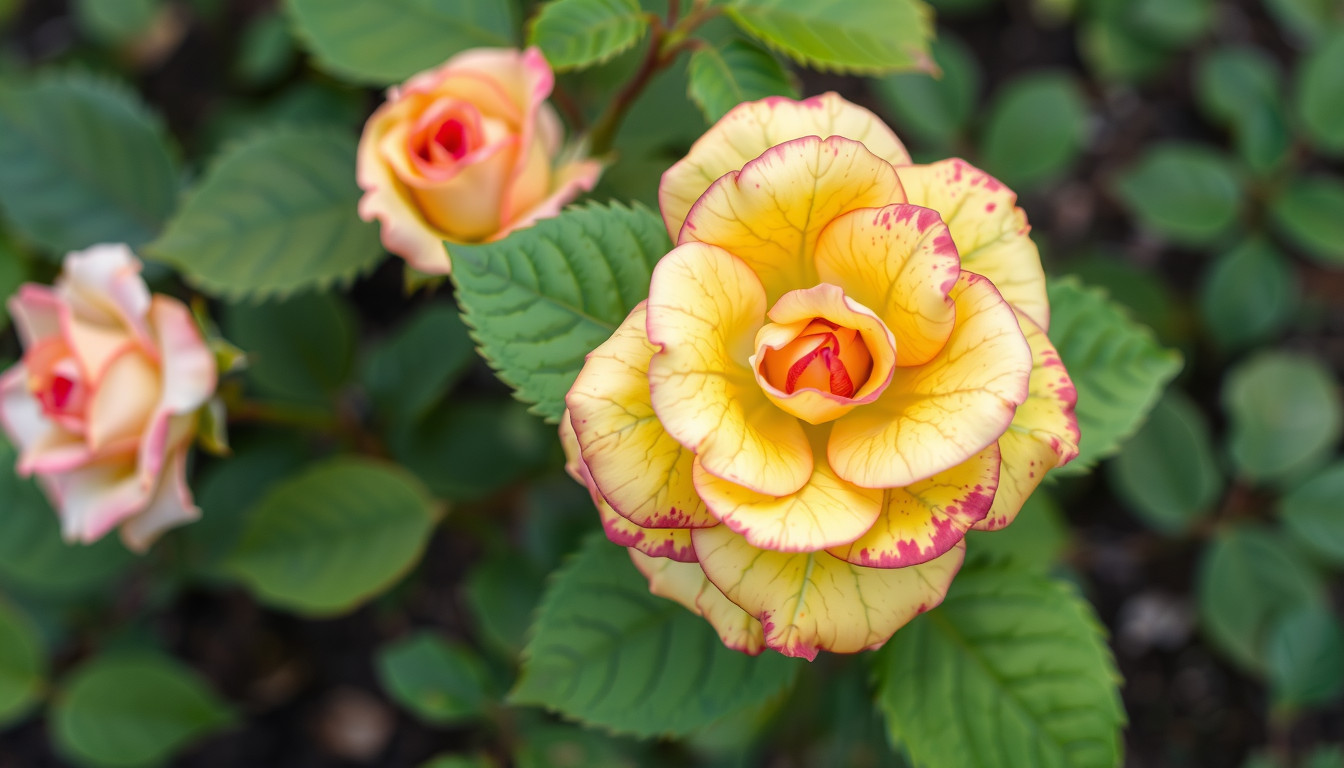
Signs like yellowing of young leaves (chlorosis), especially between the veins, are typical indicators of iron deficiency. Observing the pattern and severity of leaf discoloration helps confirm the issue. Soil testing can verify pH levels and nutrient status, guiding whether iron supplementation is necessary. Additionally, considering recent fertilization history is important, as high levels of other nutrients like phosphorus can interfere with iron uptake.
Table of Contents
3. When the usual advice does not apply
If soil conditions such as high pH or poor drainage limit iron availability, conventional iron supplements may be ineffective without adjustments. In these scenarios, using chelated iron forms like DTPA or EDTA can improve solubility and absorption, even in alkaline soils. For roses planted in containers with limited soil volume, regular monitoring and tailored iron treatments are essential, as their nutrient dynamics differ from those in open ground. When symptoms persist despite supplementation, re-evaluating soil conditions and choosing appropriate formulations becomes necessary to prevent ongoing deficiencies.
How to Evaluate Iron For Roses Before Acting
Before applying any iron supplement, assess your roses’ health carefully. Observation of symptoms, soil conditions, and available product types provides vital clues to determine if and what type of iron treatment is necessary.
Accurate initial testing can guide effective iron application strategies. Shop suitable garden pH test kit on Amazon (affiliate link).
1. What to check first
Start with visual inspection. Look for signs of iron deficiency, such as yellowing leaves with green veins—often called interveinal chlorosis—mainly on the youngest foliage. Confirm that the yellowing pattern matches symptoms typical of iron deficiency rather than other issues like nitrogen deficiency or pest damage.
Next, assess soil conditions. High pH levels (alkaline soil) can hinder iron absorption despite adequate iron presence. Poor drainage or overly compacted soil can also limit nutrient uptake. Testing soil pH and drainage status helps determine whether soil conditions contribute to the deficiency or if plant supplementation is needed.
Review existing fertilization practices. Overuse of phosphorus-rich fertilizers or certain soil amendments can interfere with iron uptake. If soil tests show a high pH or excessive phosphorus, targeted interventions like chelated iron are more effective, especially in resistant conditions.
2. How to interpret the result
If visual symptoms and soil conditions suggest an iron deficiency, look into the specific form of iron needed. Iron chelates such as EDTA, DTPA, or EDDHA are used to supplement iron in soil or via foliar application. Each chelate type has advantages depending on soil pH: EDTA is more suitable for neutral to slightly alkaline soils, whereas DTPA and EDDHA perform better in highly alkaline conditions.
When choosing an iron chelate, check the product label for the chelation compound and application instructions. If soil tests reveal high pH or poor soil conditions, selecting a chelated form suited for those conditions improves absorption and effectiveness. In container plants, monitor the plant’s response closely and adjust treatments accordingly, as nutrient dynamics differ from ground planting.
Persistent symptoms despite supplementation may indicate underlying soil chemistry issues. Reassessing soil pH, drainage, and existing nutrient levels can help refine treatment strategies, ensuring iron uptake improves and rose health recovers.
A Step-by-Step Approach to Iron For Roses
Applying iron to roses requires careful timing and method selection to ensure optimal uptake and health. Following a clear process helps prevent deficiencies and promotes lush, vibrant growth.
Gathering the right supplies ensures a smooth process when applying iron. Shop suitable garden fertilization tools on Amazon (affiliate link).
1. Prepare the essentials
Gather a chelated iron product suitable for roses, such as iron EDTA, DTPA, or EDDHA, depending on your soil pH. Test your soil to determine pH levels and identify deficiencies. Choose between soil drenches for direct soil application or foliar sprays for quick absorption through leaves. Keep watering tools, sprayers, and measuring devices ready to ensure precise application.
2. Take the first action
Apply iron using the method best suited to your plants’ condition. For soil drenches, mix the chelated iron according to the product instructions and water the base of each rose bush thoroughly. For foliar sprays, dilute the iron as specified and spray evenly on the leaves during cool, overcast conditions to maximize absorption and minimize leaf burn. This initial step addresses existing deficiencies promptly.
3. Check the early result
Observe your roses over the following week or two. Look for improvements in leaf color, with new growth displaying a deeper, healthier green. Discoloration or chlorosis that persists may require additional applications or a change in application method. Keep in mind that foliar feeding provides faster results, whereas soil application sustains longer-term iron availability.
4. Adjust for changing conditions
If initial treatments show positive response, maintain a regular schedule, typically every 2-4 weeks, especially during active growing seasons. If symptoms persist despite treatment, reassess soil pH; highly alkaline soils often limit iron solubility and may necessitate chelates like DTPA or EDDHA that perform better in such conditions. For container-grown roses, monitor plant response closely since soil chemistry dynamics differ from ground beds. Always verify application instructions and avoid overapplication, which can cause toxicity. Periodic soil testing helps ensure conditions remain optimal for iron absorption, and soil amendments or adjustments may be needed to support ongoing iron uptake and healthy rose growth.
Choosing the Right Approach for Your Situation
Selecting the appropriate method to supply iron for roses depends on your specific plant health condition, soil chemistry, and maintenance preferences. Understanding when a simple or more complex application makes sense helps optimize rose vitality without unnecessary expense or effort.
1. When the simpler approach fits
If your roses show mild iron deficiency symptoms—such as yellowing leaves with green veins—and your soil pH is neutral or slightly acidic, then a straightforward foliar spray or spot application with a soluble iron sulfate can be effective. These methods deliver quick results and are suitable when deficiencies are localized or in early stages. Applying iron chelates in water-soluble forms allows for rapid absorption through leaves, bypassing soil chemistry limitations.
2. When a more involved approach is justified
For persistent or severe deficiencies, especially in soils with high pH or alkaline conditions, more comprehensive strategies are necessary. Chelated forms like EDDHA or DTPA are better suited for these environments because they stay soluble and accessible to plants longer than conventional iron sulfate. Soil testing can confirm whether pH or other factors hinder iron availability. In these cases, soil amendments, such as acidifying fertilizers or organic matter, improve conditions over time. Fertilizer injections or soil drenches applied regularly during the active growing season maintain sufficient iron levels and prevent recurrence of deficiency symptoms.
3. Trade-offs to consider
| Method | Application Ease | Speed of Results | Soil Compatibility |
|---|---|---|---|
| Foliar spray with soluble iron sulfate | High (quick, simple) | Fast (days) | Suitable for mild deficiencies; limited in high pH soils |
| Iron chelates (DTPA, EDDHA) | Moderate (requires mixing/applying) | Moderately fast (weeks) | Better for alkaline soils, more durable supply |
| Soil amendments with acidifying agents | Lower (ongoing process) | Gradual improvement (months) | Improves overall soil pH, supports long-term health |
Choosing between these options involves weighing factors like urgency, soil chemistry, and long-term plant health maintenance. Simple foliar applications work well for minor deficiencies, while chelated iron and soil amendments justify their complexity when soil conditions hinder iron uptake or deficiencies recur frequently.
Mistakes That Change the Result
Applying iron for roses requires careful attention to avoid common errors that can hinder recovery from iron deficiency or even harm the plant. Understanding these pitfalls and how to correct them ensures healthy, vibrant rose bushes.
1. Mistaking a symptom for a cause
Many gardeners confuse the appearance of yellowing leaves with iron deficiency, but other issues like nitrogen deficiency, pests, or root problems can produce similar symptoms. Relying solely on visual clues may lead to unnecessary or improper treatments. Confirm iron deficiency by checking soil pH; high pH soils lock out iron, causing deficiency symptoms despite ample iron in the soil. Conducting a soil test prevents misdiagnosis and guides precise corrective actions.
2. Skipping a critical condition
Ignoring underlying soil conditions or failing to address them allows the deficiency to persist or worsen. Since iron uptake is hampered in alkaline soils, simply adding iron without adjusting soil pH won’t produce lasting results. Incorporate soil amendments suited for lowering soil pH—such as sulfur or iron sulfate—alongside iron treatments. This approach ensures iron becomes available to roses and reduces the risk of recurrence. Overlooking pH management may lead to wasted effort and ongoing deficiencies even after applying iron supplements.
Using the wrong form of iron for roses can also distort results. Chelated irons like DTPA or EDDHA are preferable in high pH soils because they stay available longer. Applying ineffective forms, such as ferrous sulfate in alkaline conditions, results in quick leaching and minimal absorption. Selecting the appropriate iron chelate based on soil chemistry enhances efficiency and reduces reapplication frequency.
Finally, overapplication of iron can create toxicity, damaging roots or foliage through iron burn. Follow manufacturer instructions carefully, and avoid frequent foliar sprays without intervals. Monitoring plant responses after treatment helps prevent excess use, which can compromise plant health rather than support it.
When to Adapt or Seek More Help
Monitoring your roses’ response to iron treatments is crucial. If symptoms persist or worsen despite using iron for roses, adjusting your approach or consulting an expert becomes necessary.
1. Next Steps in Treatment
If you suspect iron deficiency, start by evaluating the type of iron for roses you are applying. Chelated iron compounds like DTPA or EDDHA are more suitable for alkaline soils because they remain available longer in high pH conditions. Check whether the applied form matches your soil chemistry; using ferrous sulfate in alkaline soils often results in rapid leaching with minimal plant absorption. If symptoms such as yellowing leaves or new growth failure continue after initial applications, consider increasing the frequency or switching to a different chelate. However, overapplication can lead to toxicity, causing foliage burn or root damage. Carefully follow the product instructions and avoid excessive foliar sprays. Continual monitoring of plant health will help prevent overuse, which can do more harm than good.
2. Limitations of Iron Supplements
While iron chelates are effective in correcting deficiencies, they do have limitations. The soil’s pH, organic matter, and existing mineral content influence how well the iron is absorbed. In some soils, even chelated forms may not fully resolve deficiency issues, pointing to underlying soil or environmental problems. For instance, poor drainage or pH imbalances can hinder nutrient uptake despite supplementation. If repeated treatments yield limited improvements, it might be time to test soil conditions or seek professional advice to identify root causes beyond iron scarcity, such as deficiencies in other nutrients or soil compaction. Professionals can recommend tailored soil amendments or alternative strategies to ensure long-term health and vitality of roses.
Frequently Asked Questions
1. What are the earliest signs of iron deficiency in roses?
Yellowing of young leaves with green veins (interveinal chlorosis) indicates early iron deficiency.
2. Which chelate form of iron works best in alkaline soils?
Iron DTPA and EDDHA chelates are most effective in alkaline soils with pH above 7.
3. Can foliar spraying provide instant relief from deficiency symptoms?
Yes, foliar sprays deliver iron directly to the leaves, offering rapid symptom improvement.
4. How often should I apply iron to my roses?
Apply iron every 2 to 4 weeks during active growing seasons or as needed based on plant response.
5. What soil conditions inhibit iron uptake?
High soil pH, poor drainage, and compacted soil limit iron availability and absorption.
6. Are organic amendments effective for iron deficiency?
Organic materials like compost can improve soil conditions over time but are less immediate; chelated iron supplements are more reliable for quick correction.
7. What are the risks of over-application of iron?
Excessive iron can cause leaf scorch, interfere with other nutrient uptake, and lead to soil toxicity over time.