
Aloe vera is highly beneficial for your face, offering hydration, healing, and soothing properties. I’ve personally experienced its wonders and believe it’s a great addition to any skincare routine. If you’re interested in caring for your aloe vera plant, check out this How to Care for Aloe Vera Plant (Complete Guide).
Understanding Aloe Vera
What is Aloe Vera?
Aloe vera is a succulent plant that belongs to the genus Aloe. It has thick, fleshy leaves that store water and is known for its gel-like substance, which is often used in cosmetics, skincare, and health products. I remember the first time I used aloe vera; I was amazed at how soothing and refreshing it felt on my skin. The clear gel is packed with vitamins, minerals, and amino acids that nourish and heal the skin. It’s no wonder so many people consider it a skincare gem.
History and Uses of Aloe Vera
The use of aloe vera dates back thousands of years, with ancient Egyptians referring to it as the “plant of immortality.” They used it for skin ailments and even included it in burial rituals. Over the centuries, various cultures have recognized its benefits, from the Greeks using it for digestive health to traditional Chinese medicine employing it for its healing properties. From my perspective, this rich history adds a layer of credibility to the plant. It’s fascinating to think that something so simple has been cherished for such a long time.
Common Varieties of Aloe Vera Plants
While there are over 500 species of aloe, not all of them have the same benefits. The most common variety used for skincare is Aloe barbadensis miller, often referred to simply as aloe vera. This is the type you’ll typically find in skincare products and health stores. When I started my journey with aloe, I sought this specific variety because of its proven effectiveness. Another variety, Aloe ferox, is also known for its medicinal properties, although it’s less common in skincare. It’s important to choose the right type, as not all aloe plants offer the same benefits. If you’re curious about how to take care of your aloe vera plant, you might want to read How to Take Care of an Aloe Vera Plant (Easy Guide).
Benefits of Aloe Vera for Facial Skin
Hydration and Moisturization
Aloe vera is renowned for its incredible hydrating properties. I’ve often found that applying aloe vera gel leaves my skin feeling refreshed and moisturized without the greasy residue that some creams leave behind. This makes it perfect for all skin types, especially for those with oily or combination skin. Not only does it hydrate, but it also helps to lock in moisture, which is essential for maintaining a healthy glow. When I use aloe vera regularly, I notice a significant improvement in my skin’s overall texture.
Anti-Inflammatory Properties
One of the reasons I love aloe vera is its anti-inflammatory properties. If I ever have a breakout or irritation, applying aloe gel helps calm the redness and swelling almost instantly. Research supports this, showing that aloe vera contains compounds that reduce inflammation, making it beneficial for conditions like acne or rosacea. I remember a time when a sunburn left my skin feeling hot and irritated; aloe vera was my go-to remedy, and it worked wonders in soothing my skin.
Healing and Soothing Irritations
Aloe vera is often hailed as a healing agent for minor cuts, burns, and irritations. I’ve seen it work magic on small cuts and scrapes, speeding up the healing process. The gel creates a protective barrier over the skin, which helps retain moisture while allowing the skin to breathe. This aspect was especially helpful for me after a particularly dry winter when my skin became chapped and irritated. Using aloe vera was a game changer; it soothed my skin and accelerated the healing process.
Antioxidant Effects
Another benefit of aloe vera is its high antioxidant content, which helps combat free radical damage. Free radicals are notorious for causing premature aging, and I’ve learned that incorporating antioxidants into my skincare routine is crucial for maintaining youthful skin. Aloe contains vitamins C and E, both of which are powerful antioxidants. When I apply aloe vera gel, I feel like I’m giving my skin some extra love and protection against environmental stressors.
Anti-Aging Benefits
As I’ve gotten older, I’ve become more conscious of how to maintain my skin’s youthfulness. Aloe vera’s ability to enhance collagen production has caught my attention. Collagen is essential for skin elasticity and firmness, and as we age, our bodies produce less of it. Using aloe vera regularly has helped me keep my skin looking plump and vibrant. I’ve noticed fewer fine lines and an overall improvement in my skin’s texture, making aloe vera a staple in my skincare regimen.
Acne Treatment and Prevention
For those of us who have struggled with acne, aloe vera can be a lifesaver. Not only does it help reduce inflammation associated with breakouts, but its antibacterial properties also combat the bacteria that cause acne. I’ve tried countless products for acne, but aloe vera’s natural approach has been my favorite. It gently clears up my skin without the harsh side effects that many commercial products can have. I’ve even used it as a spot treatment, and I’ve seen positive results in just a few days.
How to Use Aloe Vera on Your Face
Using Fresh Aloe Vera Gel
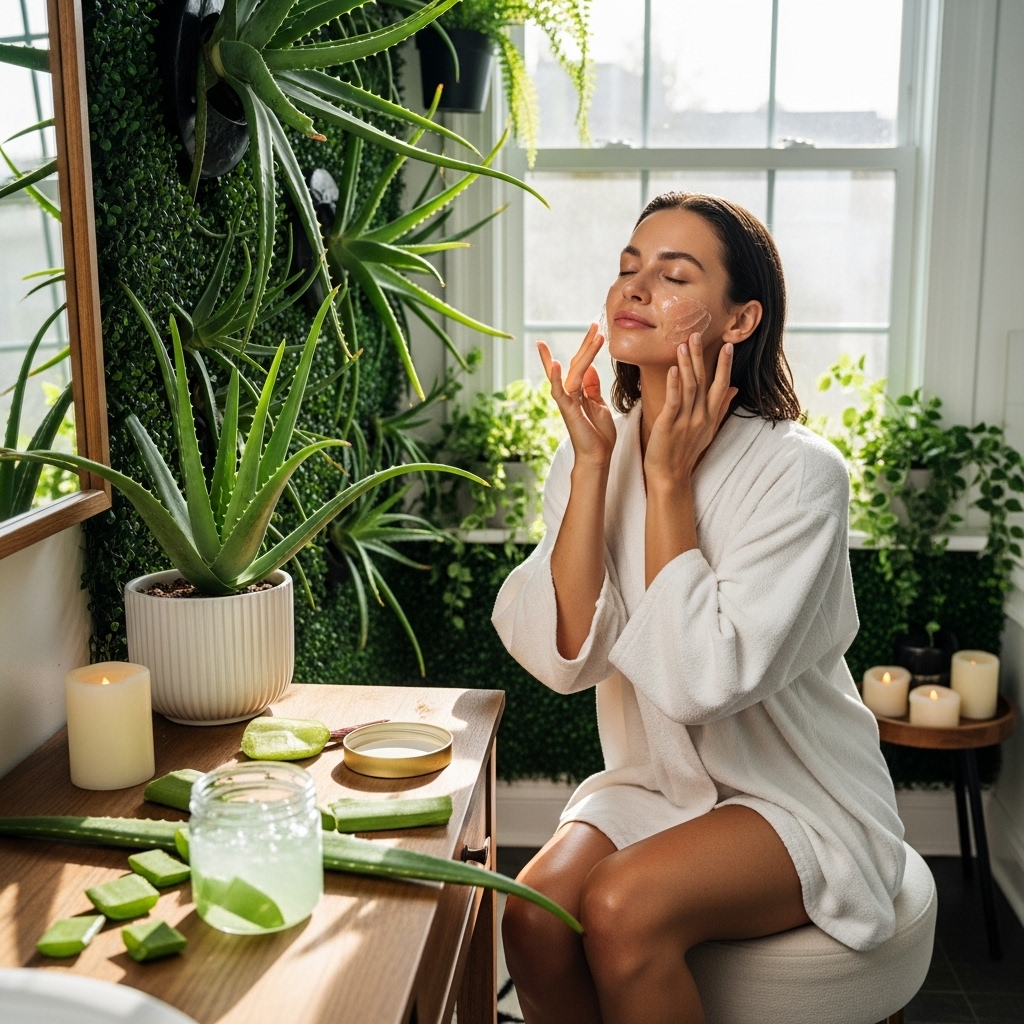
One of the simplest and most effective ways to experience the benefits of aloe vera is by using fresh aloe vera gel. I remember the first time I decided to extract the gel myself from an aloe leaf. It was surprisingly easy! I cut a leaf from my aloe plant, sliced it open, and scooped out the clear gel with a spoon. The freshness made such a difference in how my skin felt afterward. I apply it directly to my face, focusing on areas that need extra attention, like around my cheeks and forehead. It’s a refreshing treat, especially after a long day. The cooling sensation is just what my skin craves!
DIY Face Masks with Aloe Vera
Creating DIY face masks with aloe vera is another fantastic way to pamper my skin. I often mix aloe vera gel with other natural ingredients I have at home. For instance, I love combining aloe with honey and oatmeal for a hydrating mask. Honey adds its own moisture while oatmeal gently exfoliates. I’ve noticed that this combination leaves my skin feeling soft and rejuvenated. After applying the mask for about 15-20 minutes, I rinse it off with warm water, and the glow is undeniable. It’s a simple routine that fits seamlessly into my week.
Aloe Vera in Skincare Products
Over time, I’ve also come across various skincare products that feature aloe vera as a main ingredient. From moisturizers to toners, the options are endless. I’ve tried a few and found that products with high aloe vera content work wonders for my skin. They feel light yet hydrating, and I appreciate knowing that I’m using something natural. When shopping, I always check the ingredient list to ensure aloe is one of the top few ingredients. It’s been a game-changer in my skincare routine, making it easier to incorporate aloe into my daily regimen without hassle.
Combining Aloe Vera with Other Natural Ingredients
One of the most enjoyable parts of using aloe vera is exploring how it pairs with other natural ingredients. I’ve discovered that combining aloe with ingredients like tea tree oil or lemon juice can enhance its effects. For instance, when I’m feeling a bit more adventurous, I mix aloe vera with a couple of drops of tea tree oil for a targeted treatment on blemishes. It’s a potent combination that helps clear my skin without causing irritation. I also enjoy mixing aloe with cucumber juice for a refreshing mist to spray on my face throughout the day. It feels so revitalizing, especially on hot days!
Precautions and Considerations
Allergic Reactions and Skin Sensitivity
As much as I adore aloe vera, I’ve learned that it’s essential to be cautious. Some people may have allergic reactions, so I recommend doing a patch test before applying it all over your face. I remember a time when I was too eager and applied it without testing. My skin reacted with redness, which taught me a valuable lesson about being cautious. To conduct a patch test, I apply a small amount of aloe gel on my wrist and wait for 24 hours to see if there’s any reaction. It’s a simple precaution that can save us from discomfort.
When Not to Use Aloe Vera
While aloe vera is generally safe, there are situations when it’s best to skip it. For example, if I have open wounds or severe skin conditions, I avoid using aloe vera until I’ve consulted a professional. I’ve found that it’s always better to err on the side of caution. In cases of severe acne or skin irritation, seeking advice from a dermatologist can provide the best course of action. They can guide you on whether aloe is suitable for your specific skin concerns.
Consulting a Dermatologist
If you’re unsure about incorporating aloe vera into your skincare routine, I highly recommend consulting a dermatologist. They can offer personalized advice based on your skin type and any concerns you may have. I remember feeling overwhelmed by the multitude of skincare options, but talking to a professional helped me navigate my choices. They can help determine if aloe vera is right for you or if there are other products that may suit your skin better.
Frequently Asked Questions
Can Aloe Vera Help with Sunburn?
Absolutely! Aloe vera is often used for sunburn relief because of its cooling and soothing properties. I’ve used it on sunburned skin, and it provides instant relief. The gel hydrates the skin and helps speed up the healing process. It’s one of those remedies that feels like a must-have during the summer months.
Is Aloe Vera Safe for All Skin Types?
Aloe vera is generally safe for most skin types, but it’s always wise to be cautious. I’ve found it works well for my combination skin, but those with sensitive skin should do a patch test first. Everyone’s skin is unique, so it’s essential to listen to your body and how it reacts.
How Often Should I Use Aloe Vera on My Face?
From my experience, using aloe vera up to a few times a week can be beneficial. I often incorporate it into my routine whenever my skin needs extra hydration or care. It’s gentle enough to use regularly, but it’s also great to give my skin a break if needed. Finding what works for me has been all about balance.
Can Aloe Vera Replace My Regular Moisturizer?
Aloe vera can complement your regular moisturizer but may not completely replace it for everyone. I’ve found that using aloe as a base layer under my moisturizer works best. It locks in hydration and provides an extra boost, especially if I’m dealing with dry skin. However, I always make sure my moisturizer contains nourishing ingredients to seal in all that goodness.
Tips for Incorporating Aloe Vera into Your Routine
Choosing the Right Aloe Vera Product
When I started using aloe vera, I quickly realized that not all products are created equal. I learned that the best aloe vera products are those with a high concentration of the plant’s gel. I recommend looking for products that list aloe vera as one of the first ingredients on the label. The closer it is to the top, the more potent it will be. I’ve tried a few brands, and I always check for organic options, which tend to be free from harsh chemicals and additives. This has made a noticeable difference in how my skin feels after use.
Storing Aloe Vera Properly
One thing I didn’t consider at first was how to store my aloe vera products. To keep the gel fresh and effective, I store my homemade aloe vera gel in the refrigerator. The cool temperature not only prolongs its shelf life but also enhances its soothing properties when I apply it to my skin. I remember the first time I used chilled aloe gel on a hot day; it felt incredibly refreshing! If you’re using store-bought products, make sure to follow any storage instructions on the label, as some may require refrigeration after opening.
Creating a Routine
Incorporating aloe vera into my skincare routine has been transformative. I’ve found that consistency is key. I try to use aloe vera in the morning after cleansing my face, allowing it to absorb before applying moisturizer and sunscreen. At night, I often apply it as a final step, letting it work its magic overnight. I also enjoy using it as a spot treatment whenever I feel a breakout coming on. It’s become a staple in my routine, and I love how versatile it is!
Listening to Your Skin
One of the most important lessons I’ve learned is to listen to my skin. Everyone’s skin is unique, and what works for me might not work for someone else. I pay attention to how my skin responds after using aloe vera. If I notice any irritation, I scale back on usage or try a different application method. I think it’s essential to be in tune with our skin’s needs. If something doesn’t feel right, it’s okay to adjust our routines accordingly.
Combining Aloe Vera with Other Skincare Ingredients
As I explored the world of skincare, I discovered how well aloe vera can pair with other ingredients. For instance, I often mix it with hyaluronic acid for a serious hydration boost. Hyaluronic acid works wonders for retaining moisture, and when combined with aloe, it creates a powerhouse of hydration! Additionally, I’ve tried adding a few drops of essential oils like lavender or chamomile to my aloe gel for a calming effect. This has become part of my nighttime routine, helping me unwind after a long day.
Maintaining a Balanced Diet for Better Skin
While topical applications of aloe vera are fantastic, I also believe that what we put into our bodies matters just as much. I’ve noticed that my skin looks and feels better when I maintain a balanced diet rich in fruits and vegetables. Hydration plays a significant role too! Drinking plenty of water alongside using aloe vera has amplified the benefits I experience. It’s all about creating a holistic approach to skincare, and I’m grateful for the positive changes I’ve seen.
Exploring Other Natural Ingredients
The Benefits of Combining Aloe Vera with Other Natural Ingredients
While I love aloe vera on its own, I’ve found that it works beautifully with other natural ingredients. For example, I’ve experimented with mixing aloe vera with coconut oil for added moisture. When my skin feels particularly dry, this combination hydrates deeply without feeling heavy. I also love incorporating aloe with avocado for a rich, nourishing mask. After applying it, my skin feels so soft and revitalized!
Using Aloe Vera with Essential Oils
Essential oils are another fantastic addition to my aloe vera routine. I’ve discovered that a couple of drops of tea tree oil mixed with aloe vera gel can help combat breakouts effectively. The antibacterial properties of tea tree oil paired with the soothing benefits of aloe make a perfect duo for acne-prone skin. On days when I want a calming effect, I opt for lavender oil. Just a drop or two mixed into the gel makes for a relaxing facial treatment before bed.
How Aloe Vera Can Enhance Your Overall Skincare Routine
In my experience, aloe vera can elevate an existing skincare routine significantly. I often use it as a primer before applying makeup. Its lightweight texture helps my foundation glide on smoothly while keeping my skin hydrated throughout the day. I feel like it sets a great foundation for a flawless makeup look! Additionally, I’ve noticed that using aloe vera consistently has helped my makeup look better, as my skin stays plump and hydrated.
Final Thoughts
While I’m excited to share my experiences with aloe vera, I also believe in the importance of personal exploration. Everyone’s skincare journey is unique, and finding what works best for you may take some time. With the right approach and a bit of experimentation, incorporating aloe vera into your routine can be a delightful and beneficial experience. And remember, your aloe vera can flower! Here’s the secret you need to know: Your Aloe Vera Can Flower! Here’s the Secret You Need to Know!
Frequently Asked Questions
Can Aloe Vera Help with Sunburn?
Absolutely! Aloe vera is often used for sunburn relief because of its cooling and soothing properties. It hydrates the skin and helps speed up the healing process, providing instant relief.
Is Aloe Vera Safe for All Skin Types?
Aloe vera is generally safe for most skin types, but it’s always wise to be cautious. Those with sensitive skin should do a patch test first to ensure there is no adverse reaction.
How Often Should I Use Aloe Vera on My Face?
Using aloe vera up to a few times a week can be beneficial. It’s gentle enough for regular use, but it’s also good to give your skin a break if needed, finding a balance that works for you.
Can Aloe Vera Replace My Regular Moisturizer?
Aloe vera can complement your regular moisturizer but may not completely replace it for everyone. Using aloe as a base layer under moisturizer can lock in hydration and provide an extra boost.
How Should I Store Aloe Vera Products?
To keep homemade aloe vera gel fresh, store it in the refrigerator. This enhances its soothing properties and prolongs shelf life. For store-bought products, follow any specific storage instructions on the label.
What is the Best Way to Use Fresh Aloe Vera Gel?
The simplest way to use fresh aloe vera gel is to extract it directly from an aloe leaf and apply it to your face, focusing on areas needing extra attention. It provides a refreshing treat for your skin.
Can Aloe Vera Be Used with Other Natural Ingredients?
Yes, aloe vera pairs well with other natural ingredients. For example, mixing it with honey and oatmeal can create a hydrating mask, while combining it with tea tree oil can effectively combat breakouts.
What Precautions Should I Take When Using Aloe Vera?
It’s essential to conduct a patch test before applying aloe vera all over your face to avoid allergic reactions. Additionally, if you have open wounds or severe skin conditions, consult a professional before use.
How Can Aloe Vera Enhance My Skincare Routine?
Aloe vera can elevate an existing skincare routine by acting as a primer before makeup, helping to keep your skin hydrated and plump throughout the day, which results in a better makeup application.
Should I Consult a Dermatologist Before Using Aloe Vera?
If you’re unsure about incorporating aloe vera into your skincare routine, consulting a dermatologist can provide personalized advice based on your skin type and concerns.