
Ash can be beneficial for plants when used correctly, as it contains key nutrients and can improve soil health. However, it’s important to understand the type of ash and how it interacts with your garden’s needs.
Understanding Plant Nutrition
The Role of Nutrients in Plant Growth
As someone who has spent countless hours nurturing my garden, I can attest to the importance of nutrients in plant growth. Just like us, plants require a balanced diet to thrive. Nutrients are essential for numerous biological processes, from producing energy to building cellular structures. Without the right nutrients, plants can suffer from deficiencies, leading to poor growth and even death. I’ve seen firsthand how a lack of nutrients can stunt a plant’s development, making it crucial for any gardener to understand what their plants need. For instance, understanding nitrogen is vital as it plays a key role in plant health.
Essential Nutrients for Plants
Plants need a mix of macronutrients and micronutrients to flourish. Macronutrients, which include nitrogen, phosphorus, and potassium (often referred to as NPK), are required in larger amounts. I’ve always considered nitrogen the “growth nutrient” because it encourages lush, green foliage, while phosphorus promotes strong roots and flowering, and potassium helps with overall plant health. On the other hand, micronutrients, like iron, manganese, and zinc, are needed in smaller quantities but are just as vital. Understanding these nutrients has helped me tailor my gardening practices to meet the specific needs of my plants.
What is Ash?
Types of Ash
Ash can come from various sources, and knowing the difference is key for any gardener. There are two primary types of ash: wood ash and charcoal ash. Wood ash, which is what most people use in gardening, is the leftover residue from burning wood. It contains a range of nutrients and minerals that can be beneficial to plants. Charcoal ash, on the other hand, is a byproduct of burning charcoal and may not provide the same benefits as wood ash. I’ve always opted for wood ash, as it tends to be more nutrient-rich and beneficial for my plants.
Sources of Ash
When it comes to sourcing ash, I’ve found that the best option is to use ash from untreated wood. This includes ashes from my fireplace or fire pit, but I always make sure the wood was free from chemicals and preservatives. Also, avoid using ash from colored or treated wood, as it can contain harmful substances that might negatively impact soil and plant health. I remember the first time I used ash from treated wood, and I was horrified to see how it affected my plants. It’s a lesson I won’t forget! Other sources of ash include the remains of paper and cardboard, but I prefer to stick with wood for its reliability and nutrient content.
Is Ash Beneficial for Plants?
Key Nutrients Found in Ash
One of the reasons I love using ash in my garden is its rich nutrient profile. Wood ash contains essential nutrients such as potassium, calcium, and magnesium, which are crucial for plant health. Potassium, for example, helps with water regulation and photosynthesis, while calcium strengthens cell walls. Magnesium plays a vital role in chlorophyll production, which I’ve learned is essential for healthy green leaves. The first time I added wood ash to my garden, I was amazed at how quickly my plants seemed to respond. They appeared more vibrant and healthier than ever!
How Ash Affects Soil pH
Another aspect of ash that I’ve found fascinating is its effect on soil pH. Wood ash is alkaline, which means it can help raise the pH of acidic soils. I’ve struggled with acidic soil in some parts of my garden, and adding ash has helped create a more balanced environment for my plants. It’s important to keep in mind that while raising soil pH can be beneficial for some plants, others prefer more acidic conditions. I learned this the hard way when I mistakenly applied ash to a patch of blueberries, which thrive in acidic soil. They didn’t respond well, which taught me the importance of knowing what my plants need before applying any amendments.
Benefits of Using Ash in Gardening
Using ash in my gardening practice has provided numerous benefits. One of the most noticeable changes has been in soil structure. The fine particles in wood ash help improve soil aeration, allowing roots to spread more easily. I’ve noticed that my plants are able to access nutrients more effectively, leading to stronger growth.
Improving Soil Structure
When I mix ash into my soil, I find that it enhances drainage and aeration, which are crucial for root health. If you’ve ever had to deal with compacted soil, you know how vital it is to improve that structure. I remember when I first started gardening, my soil was heavy and dense. Adding ash helped break it up, allowing my plants to thrive.
Enhancing Nutrient Availability
Wood ash can also increase the availability of certain nutrients. For example, the potassium in ash can make phosphorus more accessible to plants. I’ve seen how this synergy can lead to healthier blooms and more abundant fruit. When I added ash to my flowering plants, I was thrilled to see how much more vibrant and plentiful their flowers became.
Natural Pest Control Properties
Interestingly, ash also has natural pest control properties. I’ve found that a light dusting of wood ash around my plants can deter certain pests, like slugs and snails. It’s a simple and organic method that aligns with my desire to keep my garden eco-friendly. I remember one summer when my vegetable patch was overrun with slugs until I sprinkled some ash around the plants. It made a noticeable difference!
When to Use Ash in Your Garden
Best Types of Plants for Ash Application
Over the years, I’ve learned that not all plants benefit equally from the addition of ash. Some plants absolutely thrive when they receive a sprinkle of this nutrient-rich supplement, while others may not appreciate it as much. For instance, my tomato and pepper plants have always responded well to wood ash. The potassium in the ash seems to encourage fruit production, leading to a bountiful harvest. I tend to use ash on my flowering plants, too, as it seems to enhance their vibrant colors and overall vigor.
However, I’ve discovered that plants that prefer acidic soil, such as blueberries, azaleas, and rhododendrons, do not do well with ash. Their growth can be stunted due to the increase in soil pH. I remember the disappointment of seeing my once-thriving blueberries struggle after I mistakenly added ash to that section of my garden. I now stick to using ash primarily for plants like squash, carrots, and various herbs. Understanding which plants will thrive with ash has made my gardening experience much more rewarding. Additionally, I’ve found that certain plants can attract beneficial insects, such as dragonflies, which can help with natural pest control.
Seasonal Considerations for Applying Ash
Timing is everything when it comes to applying ash in your garden. I’ve found that the best time to incorporate ash is during the fall or early spring. In the fall, I mix it into the soil as I prepare my garden for the winter months. This allows the nutrients to break down and become available for the plants when they wake up in the spring. When spring rolls around, I often dust a thin layer of ash around my newly planted seedlings to give them that extra boost right from the start.
That said, I also keep an eye on the weather. If I know there’s a heavy rain forecast, I try to hold off on applying ash until after the rain. The rain can wash away the nutrients before my plants have a chance to absorb them. It’s all about finding that sweet spot in timing to ensure my plants get the most benefit from the ash.
Potential Risks of Using Ash
Excessive Application and Soil Imbalance
While I’ve experienced many benefits from using ash, I’ve also learned that too much of a good thing can be detrimental. Overapplication of ash can lead to soil imbalances. I remember a time when I was so excited about the results I was seeing that I decided to increase the amount of ash I added to my garden. Unfortunately, I quickly noticed that some of my plants began to show signs of distress. It turns out that too much ash can lead to nutrient lockout, where important nutrients become unavailable to plants.
Now, I make a point to monitor the amount of ash I use and pay attention to my plants. If I see any signs of nutrient deficiencies, I reassess my ash application. Keeping a journal of my gardening practices has helped me track what works and what doesn’t, allowing me to maintain a healthier balance.
Impact on Soil pH Levels
As I mentioned earlier, ash is alkaline and can raise soil pH levels. While this can be beneficial for certain plants, it can also create problems if the pH becomes too high. I once applied ash to a garden bed that I didn’t realize was already on the higher end of the pH scale. The results were less than favorable, as some of my plants started to wilt and show signs of nutrient deficiencies. Now, before applying ash, I always check the pH of my soil to ensure it’s within an optimal range for my plants.
Heavy Metals and Contaminants in Certain Ash Types
Another risk I’ve encountered is the potential presence of heavy metals in ash, especially if it comes from treated wood or other contaminated sources. I make it a rule to only use ash from untreated, natural wood sources. When I first started gardening, I made the mistake of using ash from a friend’s fire pit, not knowing that the wood had been treated. The plants I used it on struggled, and it really opened my eyes to the importance of knowing the source of ash. Ensuring that the ash is clean and free from contaminants is crucial for the health of my garden.
Being mindful of these risks has helped me create a safer and more productive gardening environment. By understanding the right timing, types of plants, and potential issues, I can use ash effectively and responsibly.
How to Properly Use Ash in Gardening
Application Methods
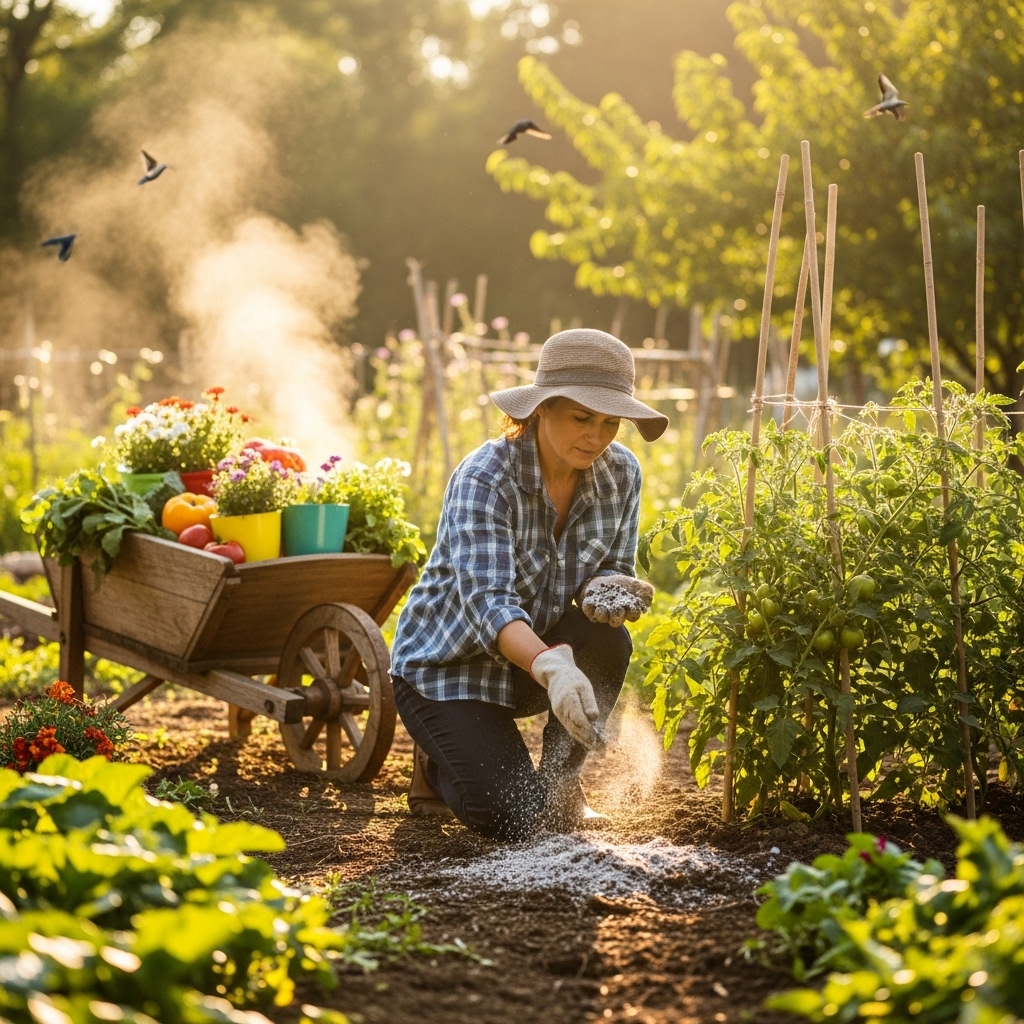
Using ash in gardening can be straightforward, but I’ve learned that there are some effective methods to maximize its benefits. One popular way I apply ash is by spreading it evenly over the soil surface. This method allows rain or watering to gradually incorporate the nutrients into the soil. I usually make sure to lightly rake the ash into the top inch of soil, which helps it mix better and become available to the plants.
Another method I’ve found effective is mixing ash directly into compost. This not only adds nutrients to the compost but also helps balance the carbon-to-nitrogen ratio, which can sometimes get out of whack. I remember one season when I was experimenting with different composting techniques, and adding ash made my compost richer and more nutrient-dense. My plants thrived after using that compost, and it reinforced my belief in the power of combining natural amendments.
For those wanting targeted applications, I sometimes create a liquid fertilizer by dissolving ash in water. I let it sit for a day, then strain out the solids and use the liquid to water my plants. This method provides a quick nutrient boost, especially for young seedlings. I’ve seen my seedlings perk up almost immediately after using this technique, making it one of my favorite go-to methods for quick results!
Recommended Dosage
Determining how much ash to apply can be tricky. I’ve found that a little goes a long way, and less is often more. As a general rule, I stick to about one cup of wood ash per 10 square feet of garden space. However, I always recommend starting with a smaller amount and observing how my plants respond. When I first started using ash, I was a bit too generous, and I noticed some plants didn’t react positively. It taught me the importance of moderation.
To ensure I’m applying the right amount, I often take note of my soil’s current condition and its pH level before adding ash. If my soil is already on the alkaline side, I might skip using ash altogether or only apply it very sparingly. Keeping a gardening journal has really helped me track these details, making future applications more informed and effective.
Combining Ash with Other Soil Amendments
One of the best parts of gardening is finding the right combinations of amendments that work together to create a thriving ecosystem for plants. I’ve had great success mixing wood ash with other natural amendments. For example, combining ash with compost is a fantastic way to boost nutrient content. The ash adds potassium and calcium, while the compost provides nitrogen and a range of other nutrients. I remember the first time I tried this combination; my tomatoes produced the biggest, juiciest fruits I had ever seen!
Another effective pairing is using ash with lime. Both are alkaline, but they can work together to enhance the soil structure and nutrient availability in a balanced way. I often use lime in my garden to counteract acidic soil, and when combined with ash, it creates a rich environment for my plants. Just like before, I always check the soil pH to ensure it’s within an optimal range, so I get the best of both worlds without risking over-alkalinity.
I’ve also found that mixing ash with organic mulch can help retain moisture while still providing those essential nutrients. By doing this, I create a protective layer around my plants that keeps them healthy and hydrated, especially during the dry spells. It’s a simple way to make my gardening efforts even more effective!
Alternatives to Using Ash in Plant Care
Other Natural Soil Amendments
While I genuinely love the benefits of using ash, I’ve also explored other natural soil amendments that can enhance plant health. For instance, compost is my all-time favorite. It’s rich in nutrients and also improves soil structure and water retention. Whenever I have kitchen scraps or yard waste, I toss them into my compost bin, and the results are always rewarding when I mix that compost into my garden.
Another amendment I’ve enjoyed using is bone meal. It’s particularly high in phosphorus, which encourages root development and flowering. I often mix it into my soil when planting bulbs or flowering plants, and I’ve noticed a significant boost in their growth. I remember the first time I used bone meal; the flowers bloomed with a vibrancy that took my breath away!
Seaweed or kelp meal is also an excellent additive. It contains a plethora of micronutrients and growth hormones that can help plants thrive. I’ve used liquid seaweed fertilizer as a foliar spray, and the results have been fantastic. My plants seem to respond with more vigor, and it feels great to use such a natural product without synthetic additives.
Commercial Fertilizers vs. Organic Options
While commercial fertilizers are certainly effective, I’ve embraced organic options that align with my gardening philosophy. I’ve tried synthetic fertilizers in the past, but I always felt uneasy about the long-term impact on my soil health. Organic fertilizers, like those derived from fish emulsion or plant-based sources, have become my go-to. I appreciate knowing that I’m nurturing my garden in a way that is sustainable.
Plus, I’ve found that organic options tend to improve soil health over time, rather than just providing a quick nutrient boost. I often think of my garden as a living ecosystem, and using organic materials helps me maintain that balance. In my experience, the healthier the soil, the healthier the plants. It’s a win-win situation!
Frequently Asked Questions
What types of ash are beneficial for plants?
There are two primary types of ash: wood ash and charcoal ash. Wood ash is the leftover residue from burning untreated wood and contains a range of nutrients that can be beneficial to plants, while charcoal ash may not provide the same benefits.
What nutrients are found in wood ash?
Wood ash contains essential nutrients such as potassium, calcium, and magnesium, which are crucial for plant health. Potassium helps with water regulation and photosynthesis, calcium strengthens cell walls, and magnesium plays a vital role in chlorophyll production.
How does ash affect soil pH?
Wood ash is alkaline and can help raise the pH of acidic soils, creating a more balanced environment for plants. However, some plants prefer acidic conditions, and applying ash to those can lead to poor growth.
When is the best time to apply ash to the garden?
The best time to incorporate ash is during the fall or early spring. In the fall, it can be mixed into the soil to break down over the winter, while in spring, a thin layer can be dusted around newly planted seedlings for an early nutrient boost.
What risks are associated with using ash in gardening?
Risks include excessive application leading to soil imbalances, raising soil pH levels too high, and the potential presence of heavy metals in ash from treated wood. It’s important to monitor soil conditions and source ash from untreated wood to mitigate these risks.
How should ash be applied in the garden?
Ash can be applied by spreading it evenly over the soil surface and lightly raking it into the top inch of soil, mixing it into compost, or creating a liquid fertilizer by dissolving ash in water and using it to water plants.
What is the recommended dosage of ash for plants?
A general rule is to use about one cup of wood ash per 10 square feet of garden space. It’s advisable to start with a smaller amount and observe how plants respond before increasing the dosage.
Can ash be combined with other soil amendments?
Yes, mixing wood ash with other amendments like compost can boost nutrient content, while combining it with lime can enhance soil structure and nutrient availability. Ash can also be mixed with organic mulch to retain moisture and provide nutrients.
What plants thrive with the addition of ash?
Plants such as tomatoes, peppers, squash, carrots, and various herbs tend to thrive with the application of ash. However, plants that prefer acidic soil, like blueberries and azaleas, do not benefit from ash.
What alternatives exist to using ash in gardening?
Alternatives include natural soil amendments like compost, bone meal, and seaweed or kelp meal. These options can enhance plant health and provide necessary nutrients without the risks associated with ash.