
Balsam fir is not typically considered a shade-loving tree. While it can tolerate some shade, it generally thrives in full to partial sunlight for optimal growth and development.
Table of Contents
Understanding Balsam Fir
Balsam fir, scientifically known as Abies balsamea, is a species of evergreen tree native to North America. It is predominantly found in the northeastern regions of the United States and Canada. This coniferous tree is known for its aromatic foliage and is commonly used as a Christmas tree due to its symmetrical shape and pleasant scent.
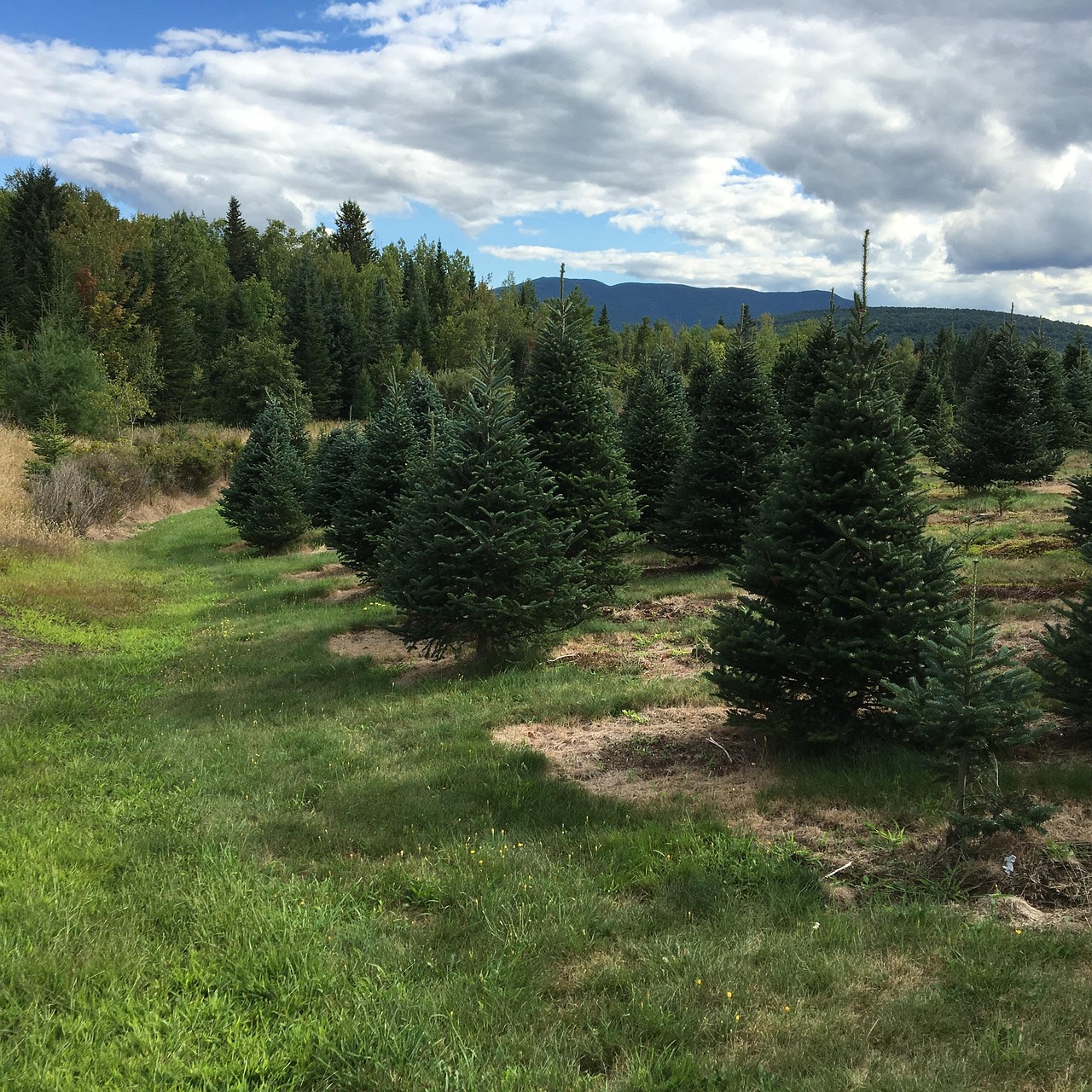
The balsam fir can grow to heights of 40 to 60 feet and has a conical shape with dense, dark green needles. Its bark is smooth and gray when young but becomes furrowed and dark brown as the tree matures. The tree produces distinct cylindrical cones that hang downward, adding to its unique appearance.
Light Requirements for Balsam Fir
Balsam fir trees have specific light requirements that influence their growth. Although they can survive in shaded areas, they perform best when they receive adequate sunlight. Here are some key points regarding their light needs:
- Balsam fir prefers full sun to partial shade for optimal growth.
- In areas with heavy shade, balsam fir may become spindly and weak.
- Young balsam fir trees are more tolerant of shade than mature ones.
Growth Habits
The growth habits of balsam fir are closely related to its light preferences. When planted in suitable conditions, these trees exhibit healthy growth patterns. Below are some important aspects of their growth:
- Height Growth: Balsam fir trees can reach impressive heights, often growing 12 to 24 inches annually when planted in optimal sunlight.
- Branch Development: Adequate light promotes strong lateral branching, leading to a fuller appearance.
- Foliage Density: Trees in full sunlight develop denser foliage, which contributes to their aesthetic appeal.
Environmental Factors Influencing Shade Tolerance
A variety of environmental factors affect the ability of balsam fir to thrive in shade. Understanding these factors can help in determining the best planting locations for these trees:
| Factor | Impact on Shade Tolerance |
|---|---|
| Soil Quality | Poor soil can weaken tree health, making it less tolerant of shade. |
| Moisture Levels | Sufficient moisture is essential; dry conditions can increase vulnerability to shade. |
| Competition | Nearby larger trees can outcompete balsam fir for light, hindering its growth. |
| Temperature | Extremes in temperature can stress the tree, affecting its ability to thrive in shaded areas. |
In summary, while balsam fir can survive in shaded environments, it does not truly flourish there. For best results, planting these trees in areas where they can receive ample sunlight is recommended. Factors such as soil quality and moisture levels also play crucial roles in their overall health and growth potential.
Understanding the specific needs of balsam fir can help gardeners and landscapers select the right planting locations. This knowledge ensures that the trees reach their full potential, showcasing their beauty and longevity.
Growth Conditions for Balsam Fir
To effectively cultivate balsam fir, it is essential to understand the specific growth conditions that favor its development. This tree species thrives in well-drained, moist soils and prefers acidic conditions. The following factors play a crucial role in creating ideal growth conditions:
- Soil Type: Balsam fir flourishes in sandy loam or clay loam soils that retain moisture without being waterlogged.
- pH Levels: An optimal soil pH of 4.5 to 6.5 is preferred for healthy growth.
- Drainage: Well-draining soils help prevent root rot, a common issue in overly saturated conditions.
Water Requirements
Watering is a vital part of maintaining the health of balsam fir trees, especially during their early years. Understanding their water requirements can ensure successful growth:
- Young Trees: Newly planted balsam firs need consistent moisture, particularly in the first year. Regular watering helps establish strong root systems.
- Mature Trees: Once established, balsam firs are relatively drought-tolerant but benefit from supplemental watering during dry spells.
- Signs of Stress: Yellowing needles or drooping branches may indicate insufficient water or poor drainage conditions.
Temperature and Hardiness Zones
Balsam fir is well adapted to cooler climates, making it suitable for specific hardiness zones. Understanding these zones helps determine the best locations for planting:
| Hardiness Zone | Temperature Range (°F) |
|---|---|
| 3 | -40 to -35 |
| 4 | -30 to -25 |
| 5 | -20 to -15 |
| 6 | -10 to 0 |
Balsam fir is typically hardy in USDA zones 3 to 6. It can withstand cold temperatures but may struggle in regions with extreme heat or humidity. Therefore, knowledge of local climate conditions is essential when deciding to plant balsam fir.
Pests and Diseases Affecting Balsam Fir
Like many tree species, balsam fir is susceptible to various pests and diseases that can hinder its growth. Awareness of these threats can help in taking preventive measures:
- Balsam Woolly Adelgid: This pest can cause significant damage by feeding on the sap of the tree, leading to needle drop and decline.
- Root Rot: Overly wet soil can contribute to root rot, a fungal disease that affects the root system.
- Needle Cast: A fungal infection that results in needle loss and overall decline of tree health.
Regular monitoring for signs of pests and diseases can help keep balsam fir healthy. Implementing integrated pest management strategies, such as promoting biodiversity and using natural predators, can also be effective in controlling infestations.
Landscaping Uses for Balsam Fir
Balsam fir has several valuable applications in landscaping due to its attractive appearance and fragrant foliage. Here are some popular uses:
- Christmas Trees: Due to their symmetrical shape and pleasant scent, balsam firs are a popular choice for holiday trees.
- Windbreaks: Planting balsam fir in rows can create effective windbreaks, protecting other plants from harsh winds.
- Aesthetic Appeal: The tree’s lush green needles and conical shape make it an attractive addition to gardens and parks.
Balsam fir can also serve as a habitat for wildlife. Birds and small mammals often find shelter among its branches, contributing to local biodiversity. When planning a landscape design, considering the ecological benefits of planting balsam fir can enhance both beauty and function.
Ultimately, understanding the specific needs and characteristics of balsam fir can enhance its successful integration into various landscapes while promoting healthy growth within appropriate conditions.
Propagation Methods for Balsam Fir
Propagating balsam fir can be done through various methods, each with its own advantages and challenges. Understanding these methods is essential for successful cultivation. The two primary methods of propagation are seed propagation and vegetative propagation.
Seed Propagation
Seed propagation is the most common method for growing balsam fir. Here are the steps involved in this process:
- Seed Collection: Collect seeds in late fall when the cones mature. The cones should be stored in a warm, dry place until they open and release the seeds.
- Seed Preparation: Clean the seeds to remove any debris. Stratification, or cold treatment, is often required to improve germination rates. Place the seeds in a moist medium and refrigerate them for several weeks.
- Sowing: Sow the seeds in well-draining soil, covering them lightly. Keep the soil consistently moist but not soggy.
- Light Requirements: Place the seedlings in a location that receives partial sunlight until they are established.
Seedlings typically emerge within a few weeks, depending on the environmental conditions. Once they reach a suitable size, they can be transplanted to their final location.
Vegetative Propagation
Vegetative propagation involves taking cuttings from existing trees to grow new plants. This method is less common but can be effective. Here’s how it is done:
- Cutting Selection: Choose healthy, semi-hardwood cuttings from the current season’s growth in late spring or early summer.
- Preparation: Remove the lower leaves and dip the cut end in rooting hormone to encourage root development.
- Planting: Insert the cuttings into a pot filled with a sterile, well-draining medium. Ensure that at least one node is buried in the soil.
- Humidity Control: Cover the pot with a plastic bag or dome to maintain humidity until roots develop, which usually takes several weeks.
Once rooted, these cuttings can be gradually acclimated to outdoor conditions before being planted in their permanent location.
Common Challenges in Growing Balsam Fir
Despite their beauty and utility, growing balsam fir can present certain challenges. Being aware of these issues can help gardeners mitigate potential problems:
- Pest Issues: As discussed earlier, balsam fir is susceptible to pests like the balsam woolly adelgid. Regular monitoring and early intervention are crucial.
- Disease Susceptibility: Diseases such as root rot and needle cast can threaten tree health. Proper watering and site selection can help prevent these diseases.
- Environmental Stress: Extreme weather conditions, including drought or excessive moisture, can stress balsam fir. Mulching around the base can help retain moisture and regulate soil temperature.
Cultural Significance of Balsam Fir
Balsam fir holds cultural significance in various regions, particularly among indigenous peoples and in local communities. Its uses extend beyond ornamental purposes:
- Traditional Uses: Indigenous groups have utilized balsam fir for medicinal purposes and as a source of shelter material.
- Cultural Festivals: In many areas, balsam fir trees are integral to holiday celebrations, particularly as Christmas trees.
- Ecosystem Role: Balsam fir contributes to forest ecosystems, providing habitat for numerous species and maintaining ecological balance.
The tree’s fragrant needles are often used in crafts and natural products, showcasing its versatility beyond aesthetic appeal.
Caring for Balsam Fir
Caring for balsam fir involves several best practices that can promote healthy growth and longevity:
- Pruning: Regular pruning helps maintain shape and encourages healthy growth. Remove dead or diseased branches to improve air circulation.
- Fertilization: Use a balanced fertilizer in early spring to provide essential nutrients, particularly in nutrient-poor soils.
- Pest Management: Implement integrated pest management strategies to control pests naturally. This includes attracting beneficial insects and using organic treatments when necessary.
By following these care guidelines, gardeners can ensure their balsam fir trees remain healthy and vibrant throughout their lifecycle. Understanding the specific needs and challenges associated with this species enhances its successful cultivation in various settings.
Additional Benefits of Balsam Fir
Beyond its aesthetic appeal and functional uses, balsam fir offers several additional benefits that make it a valuable addition to any landscape. These benefits extend to both the environment and human enjoyment.
- Air Quality Improvement: Like all trees, balsam fir plays a significant role in improving air quality. Through photosynthesis, it absorbs carbon dioxide and releases oxygen, contributing to cleaner air.
- Noise Reduction: The dense foliage of balsam fir can act as a natural sound barrier. This makes it an excellent choice for planting near busy roads or urban areas to help reduce noise pollution.
- Soil Erosion Control: Balsam firs have an extensive root system that helps anchor the soil, preventing erosion on slopes and in areas with loose soil.
- Wildlife Habitat: The tree provides habitat for various wildlife species, including birds, small mammals, and insects, contributing to local biodiversity.
Cultural and Economic Importance
Balsam fir is not only valued ecologically but also culturally and economically. Its significance varies across regions and communities:
- Economic Value: The timber from balsam fir is used in construction, furniture making, and paper production. Its wood is lightweight yet strong, making it a popular choice in various industries.
- Cultural Significance: Many communities celebrate the balsam fir during the holiday season. Its fragrant needles are often used in wreaths and decorations, symbolizing winter festivities.
- Traditional Medicine: In some cultures, parts of the balsam fir tree have been used in traditional medicine for their supposed healing properties.
Challenges Facing Balsam Fir Populations
Despite its many benefits, balsam fir populations face several challenges that can impact their health and survival:
- Climate Change: Changes in temperature and precipitation patterns due to climate change can affect balsam fir’s growth and distribution. Increased temperatures may limit its range to cooler areas.
- Pest Infestations: As previously mentioned, pests like the balsam woolly adelgid can devastate populations if not managed effectively.
- Disease Spread: The spread of diseases can weaken trees and reduce their lifespan. Awareness and early intervention are crucial in managing these threats.
Final Thoughts
Balsam fir is a remarkable tree species that thrives best in full sun but can tolerate partial shade. Its ecological, cultural, and economic significance makes it an essential part of many landscapes. By understanding its growth requirements and challenges, gardeners and landscapers can ensure the successful cultivation of this beautiful tree. Incorporating best practices for care, including proper watering, fertilization, and pest management, can help maintain healthy balsam fir populations.
In conclusion, while balsam fir is not strictly a shade-loving tree, it plays a vital role in ecosystems and communities. Its beauty enhances gardens, parks, and natural areas alike. As awareness grows regarding the importance of preserving trees like balsam fir in changing climates, their value will continue to be recognized and celebrated for generations to come.