
Chloroplasts are found only in plant cells and some algae, not in animal cells. They play a crucial role in photosynthesis, allowing plants to convert sunlight into energy. Understanding the differences between plant and animal cells helps clarify why chloroplasts are exclusive to plants.
Understanding the differences between plant and animal cells helps clarify why chloroplasts are exclusive to plants.
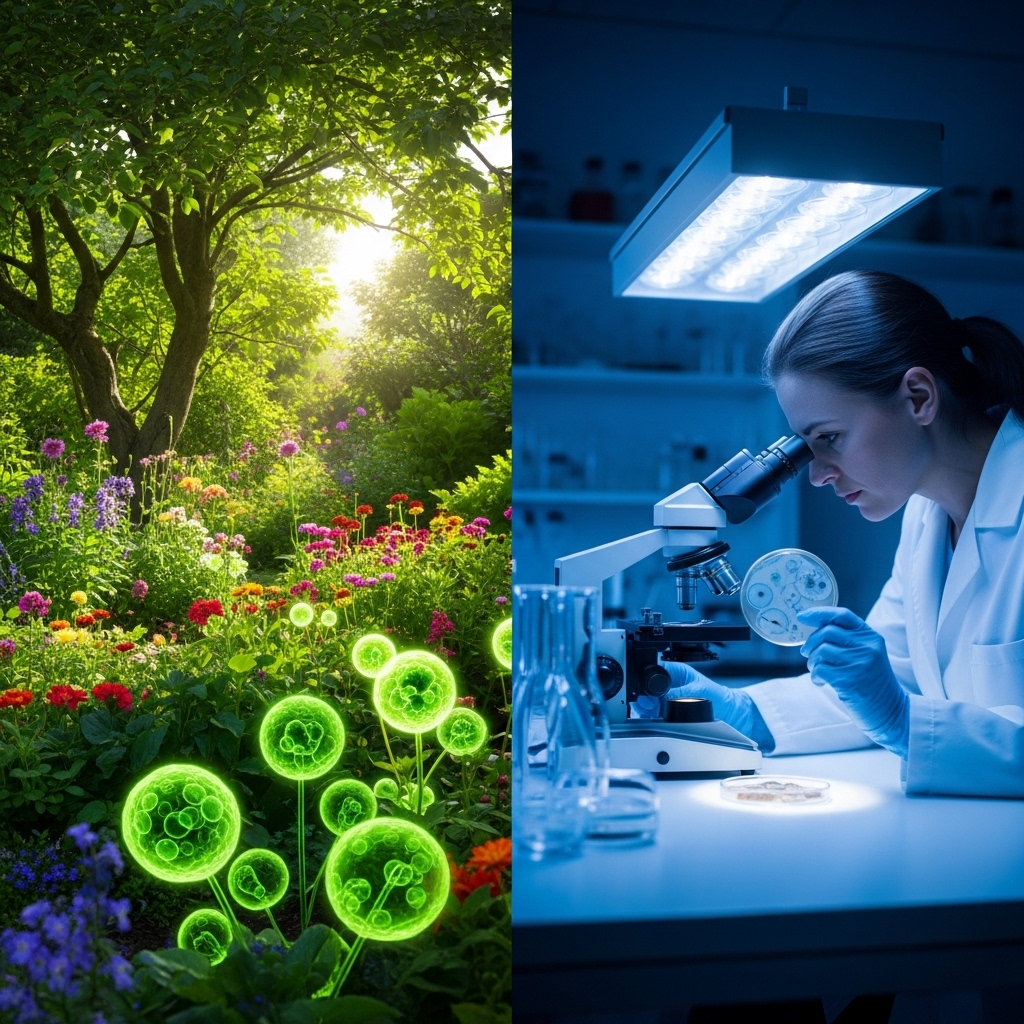
Understanding Cellular Structures
What Are Cells?
Cells are the basic building blocks of all living organisms. They are the smallest unit of life, capable of performing all the necessary functions to sustain life. I remember learning in school how each cell is like a tiny factory, processing nutrients, producing energy, and even communicating with other cells. There are trillions of cells in our body, all working together seamlessly to keep everything running smoothly.
Types of Cells: Plant vs. Animal
When it comes to cells, they generally fall into two categories: plant cells and animal cells. I used to think they were pretty similar until I started digging deeper and saw how distinct they really are. Plant cells are generally larger, have a rigid cell wall, and contain specialized structures like chloroplasts that animal cells lack. On the other hand, animal cells tend to be more flexible, allowing for a wider range of shapes and functions. Each type of cell has evolved to meet the needs of its organism, which I find fascinating. This difference is a testament to how each has adapted to their respective environments.
What Are Chloroplasts?
Definition and Function
Chloroplasts are specialized organelles found in plant cells and certain algae. They are primarily responsible for photosynthesis, the process by which plants convert sunlight into chemical energy. From my experience, understanding how chloroplasts function can make us appreciate how essential they are for life on Earth. Without them, plants wouldn’t be able to produce food, and consequently, neither would herbivores or carnivores, including us humans.
Structure of Chloroplasts
Chloroplasts have a unique structure that is essential for their function. They are surrounded by a double membrane, which protects the inner components. Inside, you’ll find thylakoids stacked in structures called granum, which contain chlorophyll—the green pigment crucial for capturing sunlight. I remember being amazed by how these tiny structures have such a significant impact on life. The stroma, the fluid inside chloroplasts, contains enzymes and other molecules necessary for the photosynthetic process. It’s like a bustling mini-world dedicated to creating energy for the plant.
Importance of Chloroplasts in Photosynthesis
The primary role of chloroplasts is to conduct photosynthesis, which is a two-stage process: the light-dependent reactions and the light-independent reactions (often called the Calvin cycle). In my own garden, I’ve seen how sunlight can transform plants, and I learned that during the light-dependent reactions, chlorophyll absorbs sunlight and converts it into chemical energy, stored in molecules like ATP and NADPH. In the Calvin cycle, this energy is used to convert carbon dioxide from the air into glucose, which the plant can use as food. Imagine that! A plant takes sunlight and air, and turns it into energy. It’s almost like nature’s own factory producing energy out of thin air.
Chloroplasts in Plant Cells
Presence of Chloroplasts in Plant Cells
Chloroplasts are a defining characteristic of plant cells. They are present in various plant tissues, especially in the green parts like leaves. I remember observing the vibrant green hues of leaves in spring and realizing that these colors largely come from chlorophyll in chloroplasts. Their presence is crucial for photosynthesis; therefore, without chloroplasts, plants would struggle to survive, and so would the myriad of life forms that depend on them.
Role of Chloroplasts in Energy Production
Chloroplasts serve as the energy factories of plant cells. When I think of a plant thriving under the sun, I picture chloroplasts bustling with activity, converting solar energy into chemical energy. This process is vital not only for the plant’s growth but also for the broader ecosystem. The energy produced through photosynthesis supports the food chain, providing nourishment for herbivores that, in turn, feed carnivores. It’s an intricate dance of energy flow that starts with those tiny green organelles.
Chloroplasts and Plant Growth
The role of chloroplasts extends beyond just energy production; they also contribute to plant growth and development. I’ve seen firsthand how a well-lit plant flourishes compared to one in the shade. This is because chloroplasts allow plants to produce not just energy but also oxygen as a by-product of photosynthesis. That’s right—those same chloroplasts are also essential for maintaining the balance of oxygen in our atmosphere. Every breath we take is thanks to the chloroplasts working hard in plants around us.
Do Animal Cells Have Chloroplasts?
Why Animal Cells Lack Chloroplasts
Unlike plants, animal cells do not have chloroplasts. This absence is largely due to the different ways plants and animals obtain energy. Animals, including ourselves, are heterotrophs, which means we must consume other organisms for energy. I’ve always found it interesting how this fundamental difference shapes our biology. While plants can create their own food through photosynthesis, animals rely on consuming plants and other animals to get the nutrients and energy they need.
Alternative Energy Production in Animal Cells
So, how do animal cells produce energy? They rely primarily on mitochondria, often referred to as the “powerhouses” of the cell. I remember learning that these organelles break down glucose and other nutrients to produce ATP, the energy currency of the cell. This process is quite different from photosynthesis, but it’s equally vital. The energy we extract from food fuels everything we do—from running to thinking to even just breathing.
Comparison of Energy Production: Plants vs. Animals
When I think about the energy production process, it’s fascinating how plants and animals have adapted to their environments. In plants, chloroplasts capture sunlight and convert it into energy, while in animals, mitochondria break down consumed nutrients for energy. This fundamental difference highlights how each group has evolved to meet its survival needs. It’s like nature has designed two different yet effective strategies for sustaining life. The interdependence of plants and animals is a remarkable example of the balance in ecosystems, and I can’t help but appreciate how both play unique roles in the circle of life. The differences between plant and animal cells further emphasize this point.
Similar Organelles in Animal Cells
Mitochondria: The Powerhouse of the Cell
Mitochondria are fascinating organelles that I’ve always been curious about. Often called the “powerhouses” of the cell, they play a critical role in energy production for animal cells. Unlike chloroplasts, which capture sunlight, mitochondria generate energy by breaking down glucose and other nutrients through a process called cellular respiration. I remember learning about how this process involves several steps, including glycolysis, the Krebs cycle, and the electron transport chain. It’s incredible to think that these tiny structures are constantly working to provide the energy we need to function every day. Just like chloroplasts in plants, mitochondria are essential for life, but they operate in a completely different manner. The energy they produce fuels everything from muscle contractions to brain functions. Without mitochondria, our cells would struggle to thrive, and I can’t even imagine how that would affect our daily lives.
Differences Between Chloroplasts and Mitochondria
When I compare chloroplasts and mitochondria, it’s like looking at two sides of the same coin, each with its unique function yet both critical for life. Chloroplasts are all about harnessing energy from sunlight, while mitochondria focus on transforming stored energy into usable forms. This distinction is particularly interesting to me because it highlights how different types of cells have adapted to their environments. For instance, while chloroplasts contain chlorophyll and are involved in photosynthesis, mitochondria rely on oxygen and nutrients to produce ATP. I’ve learned that the processes of photosynthesis and cellular respiration are interconnected; the oxygen produced by chloroplasts is what mitochondria need to function. It’s a beautiful cycle of energy flow that showcases the interdependence of plant and animal life.
Photosynthesis: A Deeper Dive
The Process of Photosynthesis
Diving deeper into photosynthesis, I find it amazing how this process is not just a simple task of converting light into energy. It’s a complex series of reactions that occurs in the chloroplasts and can be broken down into two main stages: the light-dependent reactions and the light-independent reactions, also known as the Calvin cycle. During the light-dependent reactions, which occur in the thylakoid membranes, sunlight is absorbed by chlorophyll, leading to the production of energy-rich molecules. I remember the first time I learned how water molecules are split during this phase, releasing oxygen as a by-product. It’s mind-blowing to think that every time we breathe, we’re benefiting from the hard work of chloroplasts turning light into life.
Chlorophyll and Light Absorption
Chlorophyll is such a key player in photosynthesis, and I’ve always been fascinated by its role. This green pigment not only gives plants their vibrant color but also enables them to absorb light efficiently. I learned that chlorophyll primarily absorbs blue and red wavelengths of light, reflecting green, which is why we see leaves as green. This ability to capture light is what allows plants to convert sunlight into energy. I often think about how important this simple pigment is to life on Earth. Without chlorophyll, the entire process of photosynthesis wouldn’t even be possible, and that means the food chain would collapse. It’s a reminder of how something so small can have such a profound effect on our planet.
Products of Photosynthesis and Their Uses
The products of photosynthesis are not just important for plants; they have far-reaching effects on the entire ecosystem. The main products are glucose and oxygen. I find it remarkable that the glucose produced serves as food for the plant, providing energy for growth and development. This glucose is also stored as starch, which plants can use later. In my own experience with gardening, I’ve seen how plants thrive when they have access to sunlight and water, and I know it all comes down to their ability to produce food through photosynthesis. The oxygen released is equally vital. It’s what keeps animals, including humans, alive. Every breath we take contains oxygen that has cycled through plants, a beautiful reminder of how interconnected our lives are.
Conclusion on Chloroplasts in Cells
Summary of Key Differences Between Plant and Animal Cells
Reflecting on our exploration of plant and animal cells, I find it fascinating how these two types of cells serve distinct yet vital roles in the tapestry of life. Plant cells, with their rigid cell walls and the presence of chloroplasts, are designed for photosynthesis. They harness sunlight to produce energy, which not only fuels their own growth but also sustains countless other organisms. On the flip side, animal cells, which are more flexible and lack chloroplasts, obtain energy by consuming organic matter. This fundamental difference is a testament to how each has adapted to their respective environments. I think it’s amazing how life has evolved such diverse strategies for survival, each perfectly suited to the needs of the organism involved.
The Significance of Chloroplasts in Ecosystems
Chloroplasts are more than just organelles; they are the heart of the plant kingdom and play a crucial role in our ecosystems. I often think about how plants, through their chloroplasts, are the primary producers in ecosystems. They create energy not just for themselves but for all other life forms. The oxygen produced during photosynthesis is essential for animals, including humans, and it’s a beautiful exchange that highlights the interconnectedness of life. Every time I take a deep breath, I remember that it’s made possible by those tiny green structures working tirelessly in the leaves around me.
Moreover, the role of chloroplasts in the carbon cycle cannot be overlooked. They help sequester carbon dioxide from the atmosphere, which is a crucial process in combating climate change. As I delve deeper into environmental issues, it becomes clearer to me that protecting plant life and their chloroplasts is vital for maintaining ecological balance. We rely on plants to not only provide food but also to regulate our atmosphere and climate.
As I continue to learn about biology, I feel a growing appreciation for the simple yet profound mechanisms at play in our world. Chloroplasts, in their quiet yet powerful way, offer a glimpse into the magic of nature—turning sunlight into life and reminding us of the beauty of interdependence. I can’t help but be inspired by how life unfolds in such intricate and harmonious ways, all starting with those remarkable green organelles.
Frequently Asked Questions
What are chloroplasts and where are they found?
Chloroplasts are specialized organelles found only in plant cells and some algae. They are primarily responsible for photosynthesis, allowing plants to convert sunlight into chemical energy.
Why are chloroplasts exclusive to plant cells?
Chloroplasts are exclusive to plant cells because they play a crucial role in photosynthesis, a process that plants use to create their own food from sunlight. Animal cells lack chloroplasts as they obtain energy by consuming other organisms.
What is the primary function of chloroplasts?
The primary function of chloroplasts is to conduct photosynthesis, which involves converting sunlight into chemical energy that plants can use as food.
What are the two stages of photosynthesis?
Photosynthesis occurs in two main stages: the light-dependent reactions and the light-independent reactions, also known as the Calvin cycle.
How do chloroplasts contribute to plant growth?
Chloroplasts contribute to plant growth by producing energy through photosynthesis, which supports the plant’s growth and development, as well as oxygen as a by-product that is vital for the atmosphere.
What energy-producing organelles do animal cells have?
Animal cells have mitochondria, which are often referred to as the “powerhouses” of the cell. They generate energy by breaking down glucose and other nutrients through cellular respiration.
How do chloroplasts and mitochondria differ in function?
Chloroplasts harness energy from sunlight to produce food through photosynthesis, while mitochondria transform stored energy into usable forms by breaking down nutrients to produce ATP.
What role do chlorophyll and light absorption play in photosynthesis?
Chlorophyll is a green pigment in chloroplasts that absorbs sunlight, primarily capturing blue and red wavelengths, which is essential for the process of photosynthesis.
What are the main products of photosynthesis?
The main products of photosynthesis are glucose and oxygen. Glucose serves as food for the plant, while oxygen is released as a by-product and is necessary for the survival of animals, including humans.
Why are chloroplasts important for ecosystems?
Chloroplasts are important for ecosystems because they enable plants to produce energy and oxygen through photosynthesis, supporting the food chain and helping to regulate atmospheric carbon dioxide levels.