
Cilantro and coriander refer to the same plant, but they represent different parts and uses. Cilantro typically refers to the fresh leaves, while coriander refers to the seeds and roots.
Understanding Cilantro and Coriander
Botanical Classification
When it comes to understanding cilantro and coriander, diving into the botanical classification is essential. Both terms come from the plant species *Coriandrum sativum*, which belongs to the Apiaceae family, commonly known as the carrot or parsley family. This family includes various plants we might use in our kitchens, like carrots and celery. It’s fascinating to think that all these different herbs and vegetables share a family lineage!
In my gardening journey, I’ve often marveled at how diverse plants can be, especially when they share a common ancestry. *Coriandrum sativum* is an annual herb that grows to about 1 to 3 feet tall, displaying feathery, green leaves that are often mistaken for parsley. The plant produces small white or pink flowers, which are not only beautiful but also attract beneficial insects to the garden.
Common Names and Terminology
The terminology surrounding cilantro and coriander can sometimes be confusing. In the United States, we primarily use “cilantro” to refer to the fresh leaves and stems, while “coriander” denotes the seeds. However, in many other parts of the world, including the UK and Canada, “coriander” is used to describe both the leaves and seeds. This difference in naming can lead to misunderstandings when cooking or discussing recipes.
For instance, I once made a recipe that called for “coriander” without realizing it meant the fresh leaves. This mix-up led to an interesting culinary experiment, but it also taught me the importance of being aware of regional differences in terminology. If you’re ever in doubt, it’s always good to clarify whether someone is referring to the leaves or the seeds!
Geographical Distribution
Cilantro and coriander have a rich history and are cultivated in many parts of the world. Originally native to regions spanning Europe and Asia, today, this versatile herb is grown globally. I’ve seen cilantro thriving in home gardens in the United States, Mexico, India, and even the Mediterranean. Each region embraces it in unique ways, making it a common ingredient in various cuisines.
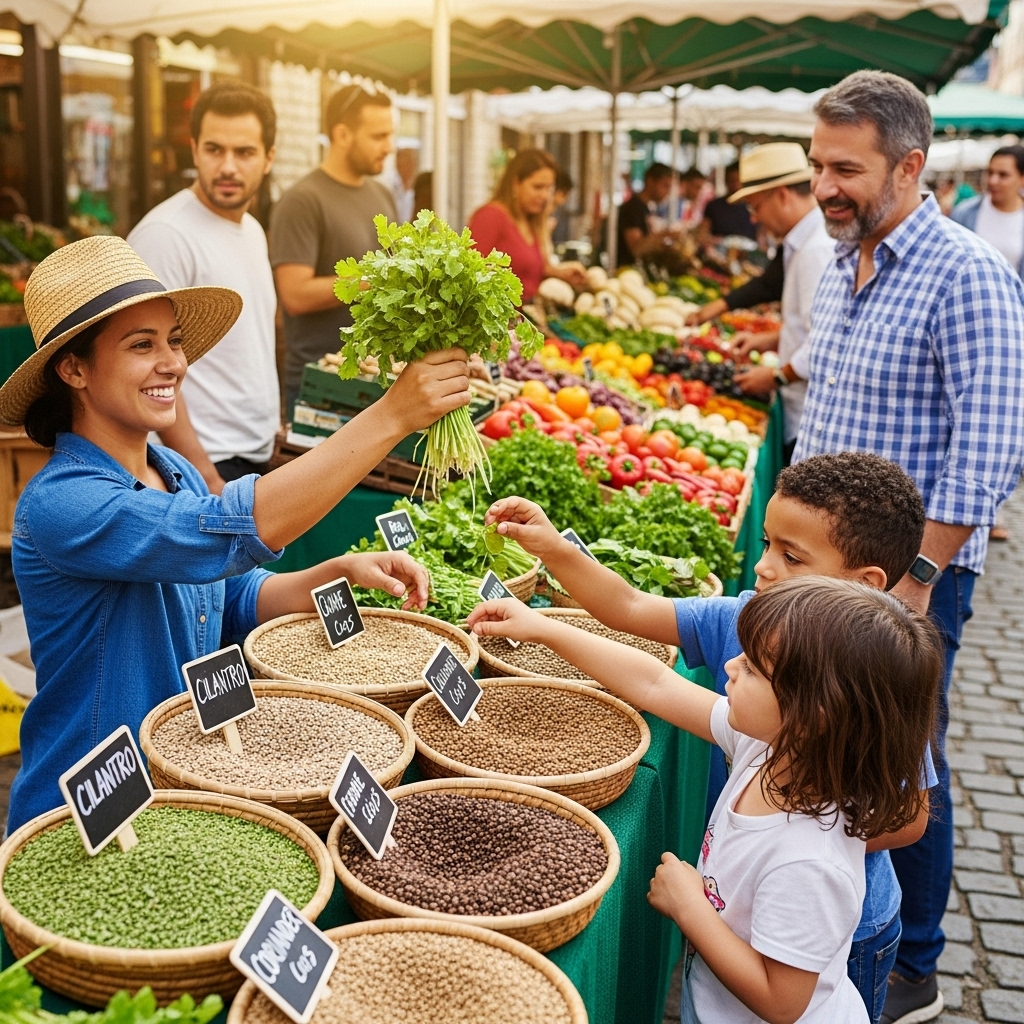
In my experience, I’ve come across cilantro in vibrant farmers’ markets, where the aroma fills the air, and the leaves shine with a fresh, vibrant green hue. It’s a staple in Latin American dishes, where it’s often used in salsas, guacamole, and as a garnish for tacos. Meanwhile, in Indian cuisine, coriander seeds are ground into powders or used whole to create flavorful curries and spice blends.
This geographical diversity means that cilantro and coriander are not just plants we enjoy but also threads woven into the cultural fabric of many countries. Their adaptability to different climates and soils allows us to experience their flavors in countless ways, whether it’s in a spicy chutney, a refreshing salad, or as a seasoning in savory dishes. Read Interesting article: Delightfully Simple Chicken Salad: A Refreshing Twist You’ll Love!
Culinary Uses of Cilantro and Coriander
Cilantro in Various Cuisines
Cilantro is a key player in a myriad of culinary traditions. In my kitchen, I often reach for cilantro when I want to brighten up a dish. Its fresh, citrusy flavor adds a zesty kick that can elevate even the simplest meals. I’ve found that it’s particularly popular in Mexican cuisine where it’s added to tacos, enchiladas, and fresh salsas. I remember the first time I made homemade salsa; the addition of chopped cilantro made all the difference, tying the flavors together beautifully.
In addition to Mexican dishes, cilantro finds its place in many Asian cuisines, especially in Thai and Vietnamese cooking. The herb is often used in fresh salads and soups, imparting a fresh and aromatic quality. I once tried a Vietnamese pho that was topped with cilantro, and the herb complemented the rich broth perfectly. It’s incredible how one ingredient can transform a dish!
Coriander Seeds in Cooking
While cilantro leaves are often used fresh, coriander seeds offer a completely different flavor profile and are frequently used in cooking. I’ve discovered that whole coriander seeds have a warm, nutty flavor that can enhance a variety of dishes. When roasted, these seeds release an aromatic essence that can fill your kitchen with a delightful scent.
Coriander seeds are a staple in spice blends like garam masala, which is a key component in many Indian recipes. I love experimenting with spices, and grinding my own coriander seeds to add to curries or stews has become a favorite practice of mine. The depth of flavor that freshly ground coriander brings is unmatched!
In addition to Indian cuisine, you’ll find coriander seeds in Middle Eastern and North African dishes as well. They are sometimes included in spice rubs for meats, adding a warm and slightly sweet element. I’ve even used them in baking, where they add an unexpected twist to breads and pastries.
Flavor Profiles: Cilantro vs. Coriander
Understanding the flavor profiles of cilantro and coriander is key to mastering their use in cooking. Cilantro has a bright, fresh, and slightly citrusy taste, while coriander seeds offer a warm, earthy, and slightly sweet flavor. I must admit, my love for cilantro comes from its refreshing taste that can lift a dish instantly.
On the other hand, I’ve learned that when it comes to ground coriander, it adds a more complex flavor that can complement spices like cumin and paprika. When cooking, I often think about how to balance flavors. For instance, a dish that’s rich and hearty can benefit from the freshness of cilantro, while a light salad might be perfect with a hint of ground coriander to deepen the flavor.
This contrast in flavor profiles is what makes cilantro and coriander so versatile. Whether I’m making a zesty dressing, a flavorful curry, or a spiced bread, I know that incorporating these two forms of the same plant can lead to a delightful culinary experience.
Health Benefits of Cilantro and Coriander
Nutritional Value
When I started exploring the health benefits of cilantro and coriander, I was pleasantly surprised by their nutritional value. Both the leaves and seeds are packed with essential nutrients. For instance, cilantro is rich in vitamins A, C, and K, which are vital for maintaining healthy skin, boosting the immune system, and supporting bone health. I often sprinkle fresh cilantro on my salads and dishes, knowing I’m adding a nutritious punch to my meals.
Coriander seeds also have their own set of benefits. They are a good source of dietary fiber, which aids in digestion, and they contain antioxidants that help fight free radicals in the body. When I incorporate ground coriander into my cooking, I think about how I’m not just enhancing the flavor but also adding health benefits to my meals. It’s like a double win!
Medicinal Properties
Beyond their nutritional value, cilantro and coriander have been used in traditional medicine for centuries. I remember reading about how cilantro is believed to have antibacterial properties. In my own experience, I’ve used cilantro to make a detoxifying smoothie, combining it with fruits and other greens. The fresh taste is invigorating, and I feel like I’m doing my body a favor.
Coriander, on the other hand, is often touted for its ability to help with digestive issues. I’ve heard that drinking coriander seed tea can help soothe an upset stomach, and I’ve tried it myself after indulging in a heavy meal. The warm, soothing drink can be quite comforting, and it’s nice to know that a simple spice can provide such relief.
Additionally, there’s some evidence suggesting that coriander may help lower blood sugar levels. I find this particularly interesting, especially as more people look for natural ways to manage their health. Incorporating these herbs into our diets could be a delicious strategy for overall wellness.
Potential Allergies and Side Effects
While I love cilantro and coriander, I’ve learned that they aren’t for everyone. Some individuals have reported allergies to cilantro, which can cause symptoms like skin rashes or respiratory issues. I remember a friend of mine who absolutely loved the taste but had to avoid it because of an allergic reaction. It’s a good reminder that we all have different sensitivities to foods.
There’s also the curious case of cilantro tasting soapy to some people. I’ve read that this perception is linked to genetics, and it’s fascinating how our taste buds can vary so widely. If you’re someone who finds cilantro unappealing because of this soapy taste, you’re definitely not alone!
As for coriander seeds, they are generally well-tolerated, but consuming them in excessive amounts can lead to digestive discomfort. I’ve found that moderation is key. When I spice up my dishes with coriander, I try to balance the flavors without going overboard. It’s all about enjoying the taste without any negative side effects.
Growing Cilantro and Coriander
Growing Conditions and Requirements
Growing cilantro and coriander in my garden has been a rewarding experience. I’ve learned that they thrive in well-drained soil and love sunny spots. When I first planted them, I was excited to see how quickly they sprouted. They generally prefer cooler weather, which means I often start my seeds in early spring or even in the fall. I remember the feeling of anticipation watching those little green shoots emerge from the ground!
One thing I noticed is that cilantro has a tendency to bolt in hot weather, meaning it flowers and goes to seed quickly, which can impact the flavor. I’ve found that providing some shade during the hottest part of the day helps keep my cilantro plants productive. Keeping them well-watered but not soggy is also crucial, as they dislike having their roots submerged.
Propagation Methods
When it comes to propagating cilantro and coriander, I’ve had success with both seeds and transplants. I usually start by sowing seeds directly into the garden bed. It’s straightforward and allows for a natural growth process. However, I’ve also tried starting seeds indoors, especially if I want to get a head start on the growing season. Transplanting them into the garden once they’re a few inches tall has worked well for me.
A little tip I’ve learned is to keep the soil moist until the seeds germinate. This can take anywhere from a week to ten days, depending on the conditions. I’ve also tried saving seeds from my coriander plants at the end of the season, which allows me to continue the cycle. It’s satisfying to grow something from seed to table!
Pest and Disease Management
As with any garden, pests can be a concern when growing cilantro and coriander. I’ve encountered aphids and caterpillars in my garden, but I’ve found that natural remedies can be effective. Spraying a mixture of water and mild soap has helped deter these unwanted visitors. I’ve also planted companion plants, like marigolds, to attract beneficial insects that help keep pests in check.
In terms of diseases, I’ve had to be cautious of fungal issues, especially in humid conditions. Ensuring good air circulation around my plants and avoiding overhead watering has been helpful. It’s all about staying vigilant and taking action before problems arise.
Overall, my journey of growing cilantro and coriander has taught me a lot about patience and care in gardening. It’s not just about the end result but also about enjoying the process of nurturing these wonderful herbs. The fresh taste of homegrown cilantro in a dish is truly unbeatable!
Cultural Significance of Cilantro and Coriander
Cilantro in Latin American Cuisine
Cilantro holds a special place in Latin American cuisine, and I’ve come to appreciate its integral role in so many beloved dishes. Whether it’s fresh pico de gallo, vibrant salsas, or a refreshing garnish over tacos, cilantro is more than just an ingredient; it’s a flavor enhancer that brings dishes to life. I remember visiting a local Mexican restaurant where the cilantro-laden salsa verde was so good that I found myself going back for seconds—and thirds! Each bite was a burst of freshness that complemented the spiciness of the food.
In my own cooking adventures, I’ve discovered that cilantro is a key player in traditional dishes across various Latin American cultures, from the zesty ceviche of Peru to the hearty tamales of Mexico. I once tried my hand at making a traditional Mexican elote, or street corn, and the cilantro added a wonderful brightness that perfectly contrasted the rich flavors of the cheese and spices. It’s fascinating to see how different cultures utilize this herb to create their signature dishes, making each meal feel unique and special.
Coriander in Indian Cuisine
When it comes to Indian cuisine, coriander seeds are an absolute staple. I’ve learned that they are used whole, ground, or as a part of spice blends, giving depth and warmth to curries, dals, and masalas. The first time I made a homemade curry, I realized how essential coriander is in achieving that authentic taste. I remember toasting the seeds before grinding them, and the aroma that filled my kitchen was simply incredible!
Coriander also plays a role in Indian street food, where it’s often sprinkled over snacks or mixed into chutneys. I’ve tried making coriander chutney at home, blending fresh coriander leaves, green chilies, and spices into a vibrant dip. Its refreshing taste pairs beautifully with crispy samosas, providing a perfect contrast to the fried goodness. I love how coriander can elevate even the simplest of meals, making them feel more complex and satisfying.
Symbolism and Uses in Other Cultures
The cultural significance of cilantro and coriander extends beyond just culinary uses. In many cultures, these herbs carry symbolic meanings and traditional uses. I find it interesting how cilantro is often associated with freshness and vitality. In some traditions, it’s thought to bring good luck or ward off evil spirits. I remember reading about how cilantro is used in certain rituals and celebrations, where it’s believed to symbolize new beginnings and prosperity.
Coriander has also been used in various cultural contexts. For instance, in ancient times, it was thought to have aphrodisiac properties, leading to its inclusion in various love potions. I’ve heard stories of coriander being used in traditional medicine across different cultures, often for its supposed ability to aid digestion and promote overall well-being. It’s amazing how these herbs are intertwined with human history and beliefs, making them more than just ingredients on our plates.
In my exploration of global cuisines, I’ve learned that cilantro and coriander are not just about flavor; they are also about stories, traditions, and the ways in which we connect with food. Each time I use these herbs in my cooking, I feel like I’m participating in a much larger narrative, one that spans across cultures and generations.
Frequently Asked Questions
What is the difference between cilantro and coriander?
Cilantro refers to the fresh leaves and stems of the plant, while coriander refers to the seeds and roots. Both come from the same plant species, *Coriandrum sativum*.
What family does cilantro and coriander belong to?
Cilantro and coriander belong to the Apiaceae family, which is also known as the carrot or parsley family.
How is cilantro used in different cuisines?
Cilantro is commonly used in Mexican cuisine for dishes like tacos and salsas, as well as in Asian cuisines, particularly Thai and Vietnamese cooking, where it adds freshness to salads and soups.
What flavor profiles do cilantro and coriander have?
Cilantro has a bright, fresh, and slightly citrusy taste, while coriander seeds have a warm, earthy, and slightly sweet flavor.
What are the health benefits of cilantro and coriander?
Cilantro is rich in vitamins A, C, and K, while coriander seeds provide dietary fiber and antioxidants. Both contribute to overall health and wellness.
Can people have allergies to cilantro?
Yes, some individuals may have allergies to cilantro, which can cause symptoms like skin rashes or respiratory issues. Additionally, some people perceive cilantro as tasting soapy due to genetic factors.
What are the best growing conditions for cilantro and coriander?
Cilantro and coriander thrive in well-drained soil and prefer sunny spots. They generally grow best in cooler weather and should be kept well-watered but not soggy.
How can cilantro and coriander be propagated?
Cilantro and coriander can be propagated from seeds or transplants. Seeds can be sown directly into the garden or started indoors before transplanting.
What are common pests that affect cilantro and coriander plants?
Aphids and caterpillars are common pests that can affect cilantro and coriander. Natural remedies like a mixture of water and mild soap can help deter them.
What cultural significance do cilantro and coriander have?
Cilantro is often associated with freshness and vitality, while coriander has historical uses in traditional medicine and symbolically in rituals. Both herbs are intertwined with human history and culinary traditions.